How to Choose Camping Stove: Ultimate Guide for Perfect Outdoor Cooking
Choosing the right camping stove can make a huge difference in your outdoor cooking experience. Whether you’re boiling water for a quick cup of coffee or preparing a full meal after a long day, the stove you pick needs to match your style of camping and cooking needs.
You might wonder: Should you go for something lightweight and simple, or a powerful stove with multiple burners? What fuel type works best for your trip? And how important is wind resistance or simmer control? In this guide, you’ll discover clear, easy-to-understand advice to help you make the perfect choice.
Keep reading to find out how to pick a camping stove that fits your adventures and makes every meal taste better under the open sky.
Types Of Camping Stoves
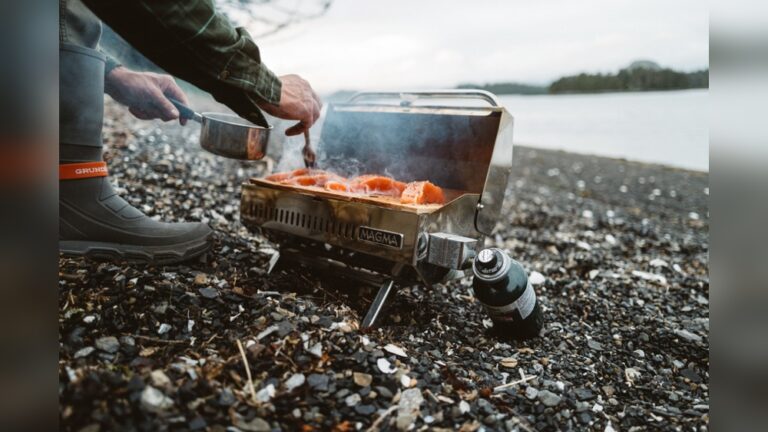
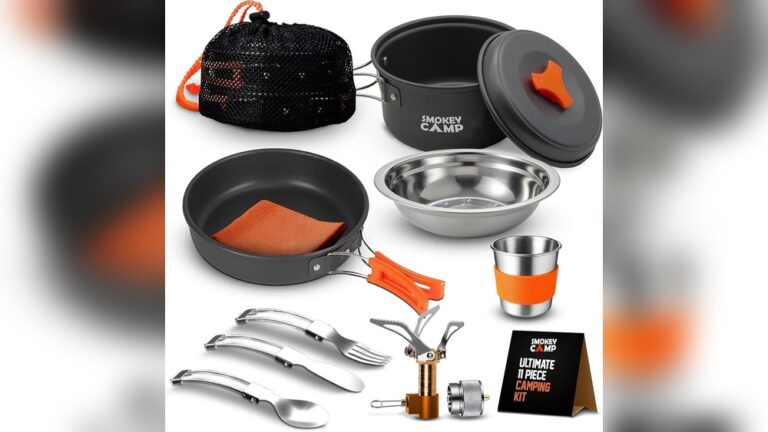
Choosing the right camping stove starts with understanding the different types available. Each stove type has unique features that suit various camping styles and conditions. Knowing these types helps you pick a stove that fits your needs and makes cooking outdoors easier and safer.
Canister Stoves
Canister stoves use pre-filled gas canisters. They are lightweight and simple to use. These stoves heat water quickly and are great for short trips. They work best in mild weather but may struggle in cold temperatures. Their compact size makes them perfect for backpackers.
Liquid Fuel Stoves
Liquid fuel stoves burn fuels like white gas or kerosene. They work well in cold and high-altitude conditions. These stoves are durable and provide strong heat output. They require more care for cleaning and maintenance. Ideal for long trips or harsh environments.
Wood Burning Stoves
Wood burning stoves use twigs and small branches as fuel. They do not need gas or liquid fuel. These stoves are eco-friendly and good for areas with plenty of wood. They can be heavier and take longer to start. Perfect for campers who want to cook naturally.
Alcohol Stoves
Alcohol stoves burn denatured alcohol or similar fuels. They are simple, lightweight, and easy to carry. These stoves are quiet and safe but offer lower heat power. Best for ultralight backpacking and simple cooking tasks. They work well in most weather conditions.

Credit: katiejaneendurance.com
Fuel Options
Choosing the right fuel for your camping stove affects cooking speed, convenience, and safety. Different fuels work best in certain conditions and for different types of trips. Understanding fuel options helps you pick the best stove for your adventure.
Propane Vs Butane
Propane burns hotter than butane and works well in cold weather. It comes in larger, heavier canisters, making it good for car camping. Butane is lighter and compact, ideal for backpackers. Butane struggles in freezing temperatures and high altitudes. Propane stoves often have more power but weigh more.
Isobutane Canisters
Isobutane mixes well with butane for better cold-weather performance. These canisters are lightweight and easy to carry. They offer good flame control for simmering and cooking delicate meals. Backpackers like isobutane canisters for their balance of weight and power. They do not work well below freezing.
Liquid Fuel Advantages
Liquid fuel stoves burn gasoline, kerosene, or white gas. They perform well in extreme cold and high altitudes. Liquid fuel is easy to find worldwide, great for long trips or remote areas. These stoves are heavier and need more maintenance. They also allow longer burn times and refueling without stopping.
Sustainability Of Wood Fuel
Wood-burning stoves use twigs and small branches found nearby. They do not require carrying fuel, reducing pack weight. Wood is renewable but depends on local availability and fire rules. Wood stoves produce smoke and need dry wood to work well. Ideal for campers who want a natural cooking experience.
Camping Style Considerations
Choosing the right camping stove depends heavily on your camping style. Different activities demand different stove features. Think about how you camp before picking a stove. This helps ensure you carry the right gear. Focus on your needs for weight, size, fuel type, and cooking power. These factors vary by camping style and group size.
Backpacking Needs
Backpackers need a stove that is light and compact. Weight matters a lot when carrying gear on your back. A small, single-burner stove works well for boiling water and simple meals. Fuel canisters should be easy to pack and burn clean. Look for stoves with fast boil times and good fuel efficiency. Durability and ease of use are also key for rough trails.
Car Camping Setup
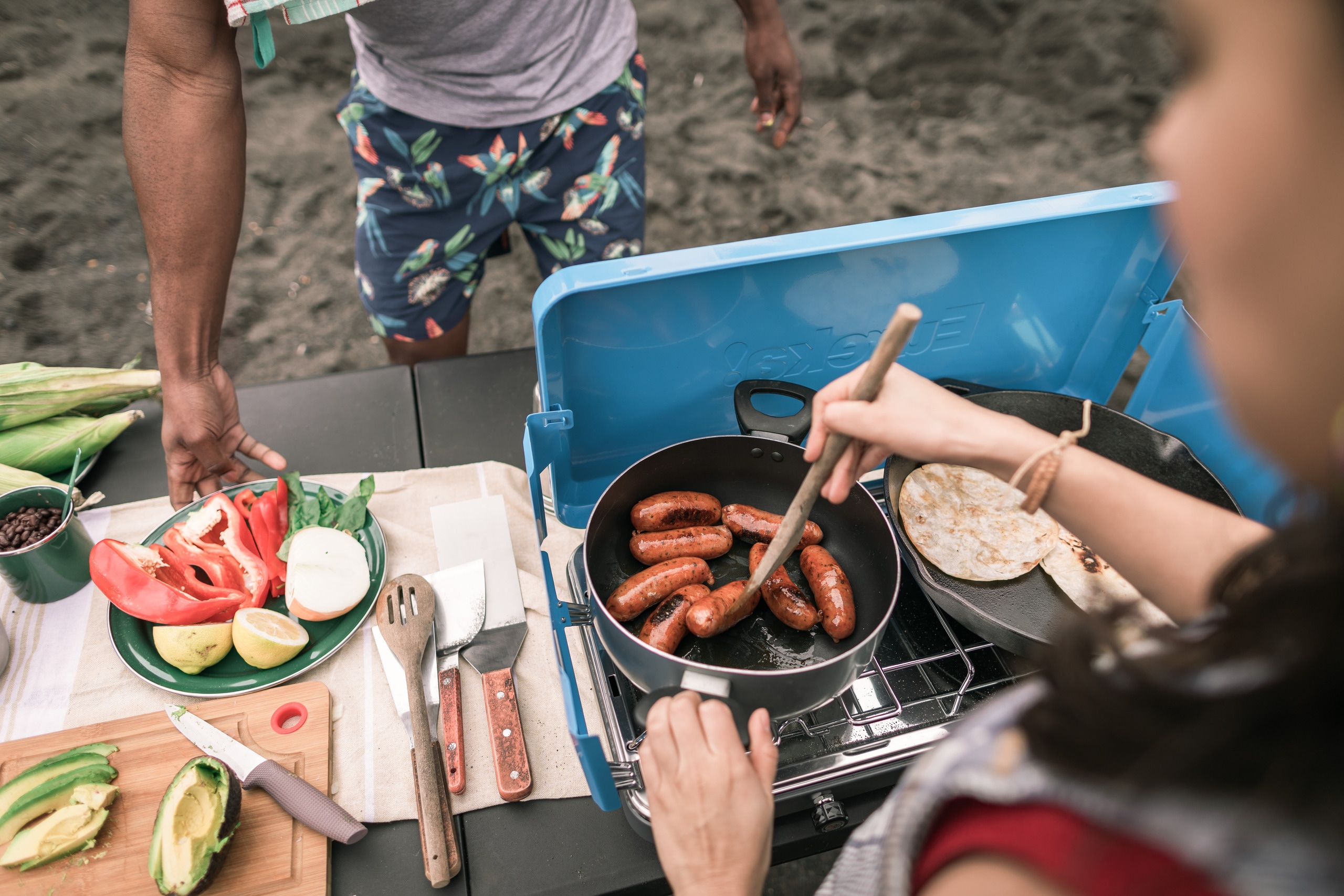
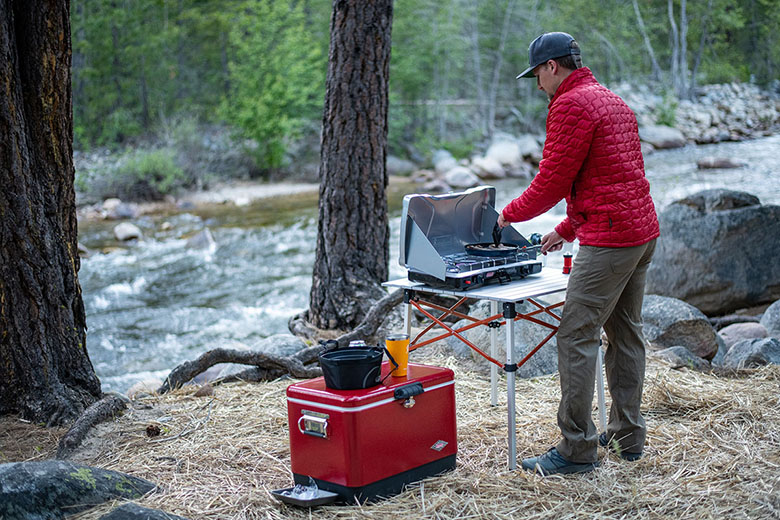
Car campers can choose larger, heavier stoves. Weight and size are less of a concern with a vehicle nearby. Two-burner stoves offer more cooking space for multiple dishes. These stoves often use propane, which cooks food quickly. Choose a stove that supports bigger pots and pans. Stability and wind resistance matter for outdoor cooking comfort.
Group Cooking Requirements
Groups need stoves with enough power for several people. Two or more burners help prepare different foods at once. A stove with a wide base adds safety with multiple pots. Consider stoves that work with larger fuel tanks for longer cooking. Easy setup and cleaning save time during group meals. Look for models that offer good heat control for varied cooking.
International Travel
Travelers need stoves compatible with different fuels worldwide. Liquid fuel stoves work well where gas canisters are scarce. These stoves perform better in cold or high-altitude locations. Choose stoves with easy-to-find fuel types for convenience. Look for models that pack down small and weigh less for travel. Reliability and simple maintenance are important on international trips.
Credit: www.rei.com
Key Performance Factors
Choosing the right camping stove depends on several key performance factors. These factors affect how well the stove cooks food and handles outdoor conditions. Understanding these will help you pick a stove that fits your needs and camping style.
Boil Time
Boil time means how fast the stove can bring water to a boil. A shorter boil time saves fuel and time. This is important for quick meals and hot drinks. Efficient stoves have a fast boil time, especially in cold weather.
Simmer Control
Simmer control lets you adjust the flame to cook food gently. It helps prevent burning and allows slow cooking. A good stove should have easy and precise simmer control. This feature is vital for cooking delicate meals.
Wind Resistance
Wind can reduce stove performance and increase fuel use. Stoves with built-in wind shields or designs that block wind work best. Good wind resistance ensures steady heat and faster cooking outdoors. It also keeps the flame safe and stable.
Heat Output
Heat output shows how much power the stove produces, measured in BTUs or watts. Higher heat output means faster cooking but may use more fuel. Choose a stove with heat output that matches your cooking needs. Balance power and fuel efficiency for best results.
Convenience Features
Choosing a camping stove involves more than just fuel type and heat output. Convenience features play a big role in your outdoor cooking experience. These features make using the stove easier, safer, and more enjoyable. Consider how each feature fits your camping style and needs.
Ignition Systems
Many camping stoves come with built-in ignition systems. A piezo ignition lets you light the stove without matches or lighters. This is handy in windy or wet conditions. Some stoves still require manual ignition, which means carrying extra fire starters. Choose a stove with a reliable ignition for quick and safe starts.
Stability And Safety
Look for a stove with a stable base to prevent tipping. Wide legs or a low center of gravity help keep the stove steady on uneven ground. Safety features like windshields protect the flame and improve fuel efficiency. Some stoves have automatic shut-off valves to prevent gas leaks. Stability and safety features reduce accidents and fuel waste.
Portability And Weight
Camping stoves vary in size and weight. Backpackers need lightweight, compact stoves that fit in a small pack. Car campers can carry larger, heavier models with more cooking space. Consider the stove’s folded size and weight for easy transport. Portability affects how much gear you can bring and how easy it is to carry your stove.
Ease Of Cleaning
A stove that cleans easily saves time and hassle. Look for smooth surfaces and removable parts. Avoid stoves with many small crevices where food can get stuck. Some models have drip trays to catch spills. Easy cleaning helps keep your stove working well and extends its lifespan.
Common Problems And Maintenance
Camping stoves often face problems during use. Knowing common issues helps keep your stove working well. Regular maintenance prevents breakdowns and ensures safe cooking. Understanding typical faults guides you on what to check and fix.
Burner Clogging
Burner ports can clog from food spills and dirt. Clogged burners cause weak or uneven flames. Clean the burner holes gently with a soft brush. Avoid sharp tools that can damage the stove. Regular cleaning keeps the flame steady and strong.
Fuel Efficiency Issues
Fuel may run out faster than expected. Check for leaks in fuel lines and connections. Always use the correct fuel type for your stove. Poor fuel quality also reduces efficiency. Store fuel properly to avoid contamination.
Ignition Failures
Igniters may stop sparking or become weak. Dirt and moisture can block the ignition system. Clean the igniter tip and keep it dry. Carry a lighter or matches as a backup. Test the ignition before every trip.
Winter Use Challenges
Cold weather affects stove performance and fuel flow. Some fuels freeze or vaporize poorly at low temperatures. Use stoves designed for winter or liquid fuel models. Keep fuel canisters warm before use. Protect the stove from wind and snow for better heat.
Top Stove Recommendations
Choosing the right camping stove is key for a great outdoor cooking experience. The perfect stove depends on your trip style, weather, and group size. Here are top stove recommendations to help you pick the best one for your adventure.
Each stove suits different needs. From lightweight options for backpackers to powerful models for groups, this guide covers reliable choices. Find the stove that fits your camping plans and budget.
Best For Backpacking
Backpackers need stoves that are light and compact. The MSR PocketRocket 2 is a popular choice. It boils water fast and weighs only 2.6 ounces. Its simple design makes it easy to use and clean. The Jetboil Flash is another great option. It includes a built-in pot and heats quickly, saving fuel and time.
Best For Cold Weather
Cold conditions need stoves that work well in freezing temperatures. Liquid fuel stoves like the MSR WhisperLite are reliable here. They burn white gas or kerosene and perform well even in snow or high altitudes. The Coleman Xtreme is another strong stove. It offers stable heat and works in harsh winter weather.
Best For Group Cooking
Groups need stoves with multiple burners and enough power to cook for several people. The Camp Chef Explorer 2 Burner stove is ideal. It has two burners and a large cooking surface. The Coleman Triton+ is also excellent for groups. It runs on propane and offers strong heat output for bigger meals.
Best Budget Options
Good stoves don’t have to be expensive. The Etekcity Ultralight Portable Stove is affordable and works well for solo campers. It uses butane canisters and is easy to carry. The Ohuhu Camping Stove is another budget-friendly pick. It is compact and simple, perfect for casual campers or beginners.
Credit: www.switchbacktravel.com
Frequently Asked Questions
How Do You Choose The Right Camp Stove?
Choose a camp stove based on your camping style, fuel type, weight, cooking needs, and weather conditions. Prioritize ease of use and stability.
What Is The Best Camp Stove To Buy?
The best camp stove depends on your needs: MSR PocketRocket suits backpackers, Jetboil Genesis excels for groups, and liquid fuel stoves work well in cold. Choose based on fuel type, weight, cooking power, and stability for optimal performance.
What Are Some Common Camping Stove Problems?
Common camping stove problems include clogged burner ports, weak or uneven flames, ignition failure, fuel leaks, and wind interference. Regular cleaning and proper maintenance prevent most issues. Using the right fuel and protecting the stove from debris ensures reliable performance during camping trips.
What Is Better, Propane Or Butane Camping Stove?
Propane stoves perform better in cold and windy conditions with higher heat output. Butane stoves are lighter and ideal for mild weather. Choose propane for durability and cold trips, butane for backpacking and warm climates.
Conclusion
Choosing the right camping stove makes your outdoor cooking easier and safer. Think about your trip type, fuel options, and cooking needs. Small and light stoves suit backpackers, while larger ones fit car campers. Check if the stove handles wind well and offers good flame control.
Easy ignition and simple cleaning help too. With the right stove, enjoy hot meals and warm drinks wherever you camp. Take your time and pick what fits your adventure best. Happy camping and safe cooking!

I am an outdoor enthusiast and gear researcher passionate about camping, hiking, backpacking, and outdoor adventures. I enjoy testing gear, comparing products, and sharing practical advice to help readers make informed decisions. At BestOutsideGear, I create honest gear reviews, buying guides, and outdoor tips to help adventurers choose the right equipment with confidence.