How to Choose Climbing Shoes for the Perfect Fit – Tips From Ethan Carter
Choosing the right climbing shoes can make all the difference in your climbing experience. Whether you’re just starting out or looking to upgrade, the perfect pair will fit comfortably, boost your confidence, and help you tackle every route with ease.
But with so many styles, fits, and features out there, how do you know which shoes are right for you? This guide will walk you through everything you need to consider—so you can find climbing shoes that feel like a natural extension of your feet and elevate your performance every time you hit the wall.
Keep reading to discover how to choose climbing shoes that match your climbing style, foot shape, and goals. Your next great climb starts with the right shoes.
Types Of Climbing Shoes
Climbing shoes come in different shapes and designs. Each type suits specific climbing styles and foot shapes. Understanding these types helps pick the best shoe for your needs. The three main types are neutral, moderate, and aggressive shoes. Each offers a unique fit and performance level.
Neutral Shoes
Neutral shoes have a relaxed fit and flat sole. They provide comfort for long climbs and all-day wear. These shoes are great for beginners or those climbing easy routes. They offer good support without forcing your feet into a tight position. Neutral shoes work well for crack climbing and trad routes.
Moderate Shoes
Moderate shoes have a slight curve and a bit more tension. They balance comfort and performance. These shoes suit climbers who want to tackle a variety of routes. The moderate shape helps with edging and small footholds. They are popular for sport climbing and indoor bouldering.
Aggressive Shoes
Aggressive shoes have a strong downward curve and tight fit. They focus power on the toes for steep or overhanging climbs. These shoes improve precision on tiny holds and steep terrain. Aggressive shoes are best for advanced climbers and bouldering problems. They trade comfort for maximum performance.

Credit: iniciativafiscal.com
Matching Shoes To Climbing Style
Choosing climbing shoes that fit your climbing style improves comfort and performance. Different styles need different shoe features. Matching shoes to your climbing style helps you climb better and avoid foot pain. Consider your main climbing activity before buying shoes. This guide covers key shoe types for common climbing styles.
Indoor Climbing
Indoor climbing shoes focus on comfort and precision. Look for shoes with a moderate downturn and good toe sensitivity. Soft soles help feel holds on artificial walls. Shoes should fit snugly but not painfully tight. Breathable materials keep feet cool during long sessions.
Outdoor Cragging
Outdoor cragging needs shoes with durability and support. Choose shoes with stiffer soles for edging on rock faces. A flat or slightly downturned shape works well on varied terrain. Look for water-resistant materials to handle wet conditions. Comfort is important for long climbs.
Bouldering
Bouldering shoes require aggressive designs for steep climbs and small holds. Downturned shoes with tight fit improve toe power. Sticky rubber soles increase grip on overhangs. Lightweight shoes help with quick movements. Expect a snug fit, but avoid pain.
Trad Climbing
Trad climbing shoes prioritize comfort for long time on feet. Neutral shoes with flat soles reduce foot strain. Durable materials protect from rough rock and dirt. A roomier toe box helps with foot swelling. Good support and cushioning improve endurance.
Foot Shape And Shoe Fit
Choosing the right climbing shoes depends largely on your foot shape and how the shoe fits. Proper fit ensures comfort, better control, and improved performance on the wall. Shoes that fit well reduce foot pain and prevent injuries.
Understanding your foot’s shape helps you pick shoes that match perfectly. Each climber’s feet are unique in length, width, and volume. Knowing these details makes a big difference in selecting the right pair.
Assessing Your Foot Shape
Start by looking at the overall shape of your foot. Feet can be long and narrow or short and wide. Some have high arches, while others are flatter. Identifying these traits helps narrow down shoe options.
Measure your foot length and width using a ruler or tape. Check for arch height by pressing your foot on the floor and seeing how much touches the ground. This simple test provides useful clues.
Width And Volume Considerations
Width refers to how wide your foot is across the ball area. Volume means the total space inside the shoe, including height and girth. Both affect how the shoe feels and fits.
Wide feet need shoes labeled as wide or with stretchable materials. Low volume feet may require shoes with a tighter, more snug design. Shoes too tight cause pain; too loose reduce control.
Toe Box Shapes
The toe box is the front part of the shoe where your toes sit. Some shoes have a pointed toe box, others are rounded or squared. Your toes should fit comfortably without being cramped or loose.
Pointed toe boxes help with precision on small holds but may feel tight. Rounded toe boxes give more space and comfort for longer climbs. Choose a shape that matches your toe length and climbing style.
Sizing Tips For Climbing Shoes
Choosing the right size climbing shoes is key for comfort and performance. Shoes that fit well protect your feet and improve your grip. Sizing climbing shoes is different from regular shoes. They need to be snug but not painfully tight. Follow these simple tips to find your perfect fit.
Proper Toe Position
Your toes should lie flat and slightly curled inside the shoe. Avoid having toes that are jammed or bent sharply. The front of the shoe must hold your toes firmly to provide control. A small space at the tip is okay but no dead space. This helps with balance and precision on small holds.
Heel Fit And Comfort
The heel should fit snugly without slipping. A loose heel causes instability and blisters. Look for shoes with a secure heel cup that hugs your foot. Comfort is important because your heel takes much pressure during climbs. Avoid shoes that pinch or cause pain in the heel area.
Trying Shoes On
Try climbing shoes at the end of the day when your feet are swollen. Wear them for about 10 minutes to test comfort and fit. Walk around and simulate climbing moves to feel how they perform. Different brands and models fit differently, so test several pairs. Choose the pair that feels tight but allows some foot movement.
Materials And Construction
Choosing climbing shoes means paying close attention to materials and construction. These factors affect comfort, fit, and performance. Knowing the differences helps you pick the best shoe for your climbing style and goals.
Leather Vs Synthetic
Leather shoes mold to your feet over time. They stretch more, offering a custom fit. Leather breathes well, keeping feet cooler during climbs. Synthetic shoes stretch less and keep their shape longer. They often dry faster after getting wet. Your choice depends on how much stretch and breathability you want.
Closure Systems
Climbing shoes use laces, Velcro, or slip-on designs. Laces offer the best fit control for different foot shapes. Velcro is quick to put on and take off, ideal for gym climbing. Slip-on shoes provide a snug fit but can be harder to remove. Pick a closure that matches your comfort and convenience needs.
Sole Stiffness And Thickness
The sole’s stiffness affects support and sensitivity. Stiffer soles give more support on small edges and cracks. Softer soles increase sensitivity, helping you feel the rock better. Thicker soles last longer but reduce sensitivity. Thinner soles improve feel but wear out faster. Your choice depends on your climbing style and surface preferences.
Breaking In Your Shoes
Breaking in your climbing shoes is a crucial step for comfort and performance. New shoes often feel tight and stiff. This stiffness can cause discomfort during your climbs. Properly breaking them in helps the shoes mold to your feet. It also improves grip and flexibility.
Taking time to break in shoes prevents pain and blisters. It extends the life of your climbing shoes. The process varies depending on the shoe material and design. Leather shoes tend to stretch more than synthetic ones. Let’s explore tips and techniques to ease this transition.
Initial Wear Tips
Start by wearing your shoes for short periods. Try them on at home before climbing. Walk around to feel pressure points. Avoid wearing them all day at first. Use them on easier climbs to adapt gradually. Keep your feet dry to reduce friction. Remove shoes immediately after climbing to let your feet breathe.
Stretching Techniques
Leather shoes stretch naturally with use. You can speed this up with gentle methods. Wear thick socks and put on the shoes indoors. Walk around carefully for 20-30 minutes. Use a shoe stretcher designed for climbing shoes. Do not force shoes too much to avoid damage. Avoid water or heat, which can harm shoe materials.
When To Replace Shoes
Replace climbing shoes if they lose fit or support. Look for worn soles or holes in the upper material. If the shoes feel loose or slip during climbs, it’s time. Excessive stretching can reduce performance and safety. Regularly check your shoes after each climbing session. Keep your climbing safe by using well-fitting shoes.
Common Mistakes To Avoid
Choosing the right climbing shoes is key to comfort and performance. Many beginners make simple errors that cause pain or poor climbing results. Avoiding these mistakes helps you pick shoes that fit well and suit your needs.
Choosing Shoes Too Large Or Small
Shoes that are too big can slip and cause blisters. Too small shoes hurt your feet and reduce blood flow. Find a size that fits snugly but does not cause sharp pain. Your toes should not be crushed or curled tightly.
Ignoring Climbing Style
Different climbing styles need different shoes. For steep climbs, soft, aggressive shoes work best. For flat or vertical walls, stiffer shoes offer better support. Match your shoe type to the kind of climbing you do most.
Skipping Try-ons
Never buy climbing shoes without trying them on first. Feet vary in shape and size. Trying shoes helps check comfort, fit, and feel. Walk and flex in the shoes to see how they perform.

Credit: www.lasportiva.com
Budget And Brand Considerations
Choosing climbing shoes involves balancing budget and brand choices. Both affect comfort, performance, and durability. Knowing what to expect from different price points helps make smart purchases. Brand reputation can guide quality and fit preferences. Understanding warranty and return policies protects your investment.
Entry-level Vs Premium Shoes
Entry-level shoes cost less and suit beginners. They offer comfort and basic performance. Premium shoes come with advanced features and materials. They fit tighter and boost climbing precision. Beginners benefit from entry-level shoes to learn safely. Experts prefer premium shoes for challenging climbs.
Popular Brands
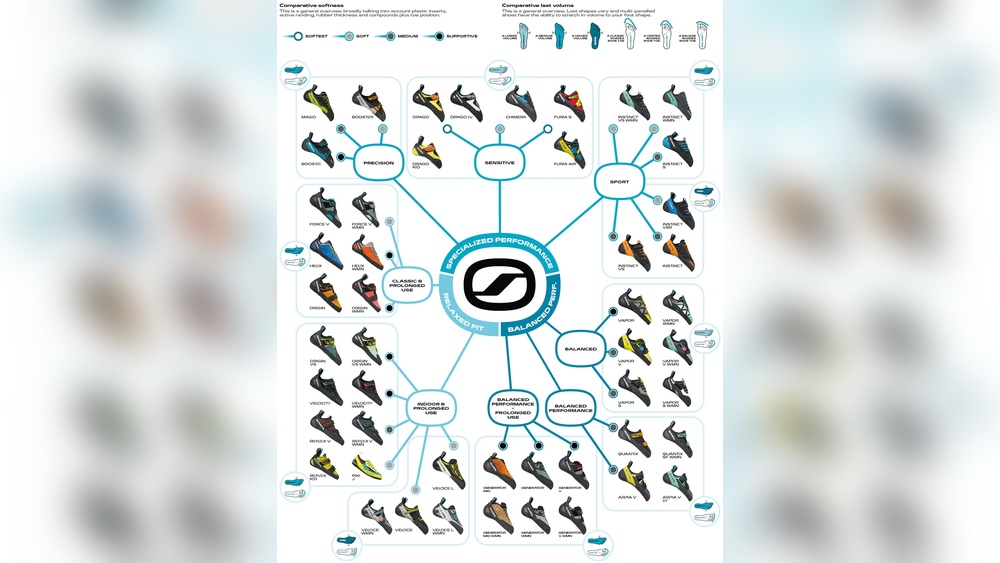
Some brands are known for quality and innovation. Brands like La Sportiva, Scarpa, and Five Ten stand out. They offer a range of models for different needs. Trusted brands provide consistent sizing and durable materials. Trying shoes from well-known brands reduces fit risks.
Warranty And Return Policies
Check the warranty period before buying. Good warranties cover manufacturing defects and sole wear. Return policies vary by retailer and brand. Some allow exchanges after trying shoes indoors. Understanding policies helps avoid losses if shoes don’t fit well.

Credit: www.climbingshoereview.com
Frequently Asked Questions
What Type Of Climbing Shoes Should I Choose?
Choose climbing shoes based on your climbing style: neutral for beginners, moderate for all-around use, and aggressive for steep or technical climbs. Each type offers different support and sensitivity to match your skill level and climbing terrain.
How Should Climbing Shoes Fit My Feet?
Climbing shoes should fit snugly with toes touching the front, but not painfully scrunched. A proper fit ensures control and comfort, preventing foot movement inside the shoe while climbing.
Are Stiff Or Soft Climbing Shoes Better?
Stiff shoes provide excellent edging support, ideal for vertical climbs. Soft shoes offer better sensitivity and flexibility, great for steep or overhung routes. Choose based on the type of climbing you do most.
Should I Consider My Foot Shape When Buying Shoes?
Yes, consider your foot’s width and arch shape. Some brands offer wide or narrow fits. Proper fit prevents discomfort and improves performance, so try different models to find the best match.
Conclusion
Choosing the right climbing shoes takes time and patience. Focus on fit, comfort, and your climbing style. Try different pairs to find what feels best. Remember, the right shoes improve your climbing experience. Keep your needs and budget in mind.
Happy climbing starts with good footwear choices.

I am an outdoor enthusiast and gear researcher passionate about camping, hiking, backpacking, and outdoor adventures. I enjoy testing gear, comparing products, and sharing practical advice to help readers make informed decisions. At BestOutsideGear, I create honest gear reviews, buying guides, and outdoor tips to help adventurers choose the right equipment with confidence.