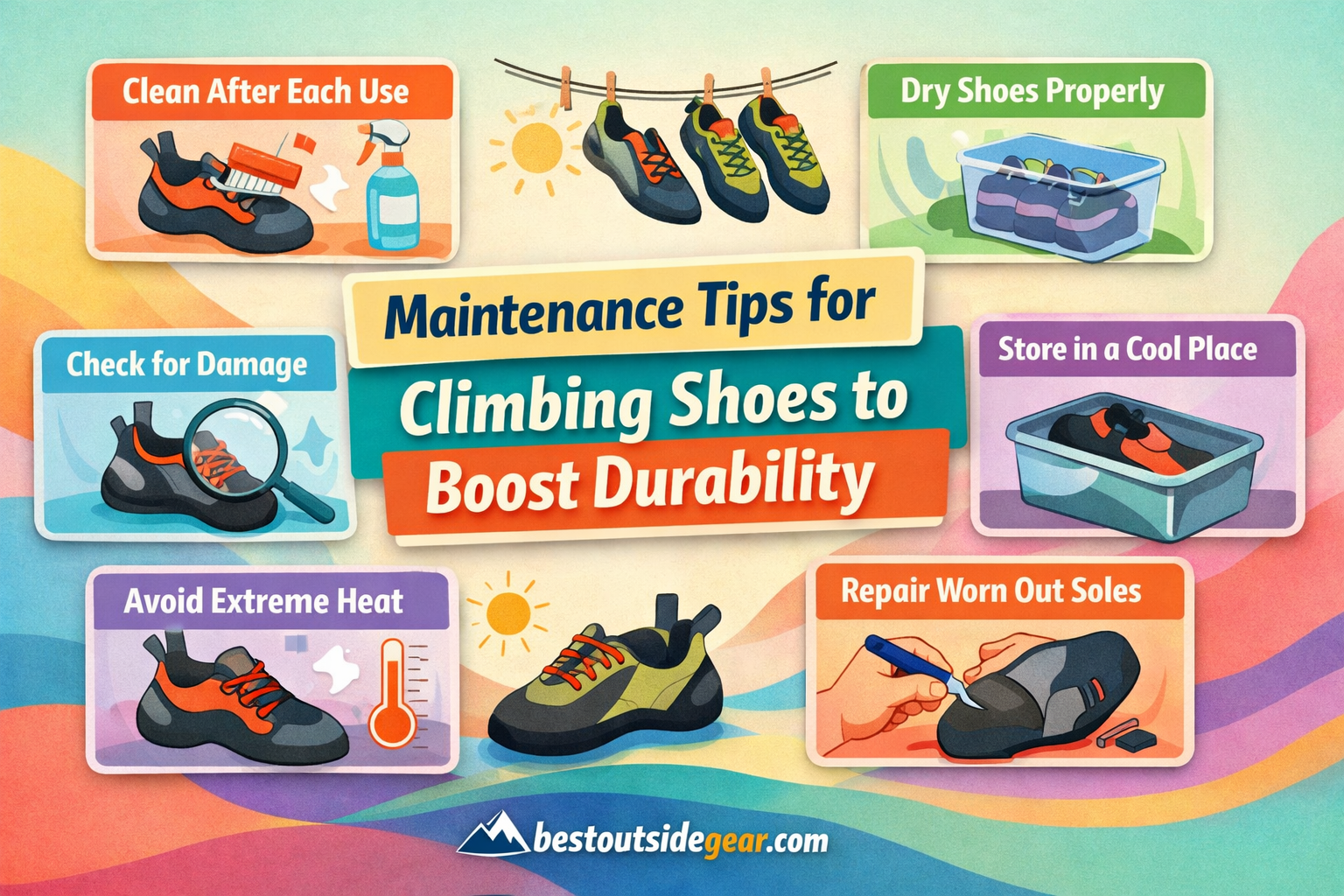
Maintenance Tips for Climbing Shoes to Boost Durability
If you want your climbing shoes to perform at their best and last longer, taking care of them is key. You might not realize it, but simple maintenance can make a huge difference in how well your shoes stick to the rock and how comfortable they feel on your feet.
Imagine heading out for your next climb knowing your shoes are fresh, clean, and ready to grip every hold with confidence. You’ll discover easy, practical tips to keep your climbing shoes in top shape—so you can focus on your climb without worrying about your gear.
Stick with us, and you’ll learn how to clean, dry, and store your shoes the right way, saving you money and improving your climbing experience.
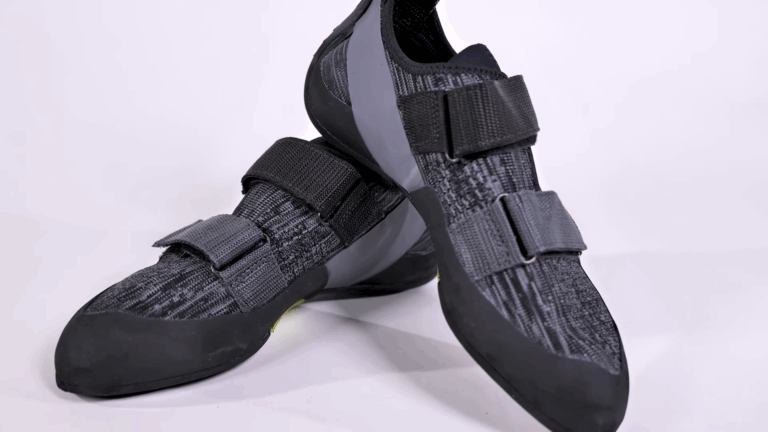
Credit: woodenmountain.com
Cleaning Techniques
Keeping climbing shoes clean helps maintain their performance and lifespan. Dirt and sweat build-up can damage the shoes and reduce their grip. Using the right cleaning techniques ensures your shoes stay in good shape. Gentle methods work best to avoid wear and tear.
Hand Washing With Mild Soap
Fill a basin with warm water and add mild soap. Avoid strong detergents that can harm the shoe material. Use your hands to gently rub the shoes, focusing on dirty spots. Rinse thoroughly to remove all soap residue. Air dry the shoes away from direct sunlight or heat.
Using Soft Brushes
Soft brushes help remove dirt without damaging the shoes. Use a brush with gentle bristles to clean the soles and fabric. Brush lightly to avoid wearing down the rubber. A soft toothbrush works well for small or hard-to-reach areas. Regular brushing keeps shoes fresh between washes.
Avoiding Harsh Chemicals
Harsh chemicals can weaken shoe glue and fabric. Do not use bleach, alcohol, or strong solvents. These can cause discoloration and material breakdown. Stick to mild soap and water for cleaning. Protect your shoes by choosing safe and gentle products only.
Credit: www.rei.com
Drying Methods
Proper drying methods keep climbing shoes in good shape and extend their lifespan. Wet shoes can develop bad smells and lose their shape. Drying them correctly after each use helps maintain comfort and performance. Use gentle methods to avoid damage to materials and structure.
Air Drying Tips
Remove the insoles and loosen the laces to let air flow inside. Place shoes in a cool, well-ventilated area. Avoid stuffing shoes with towels or paper to speed drying; this can deform them. Allow at least 24 hours for full drying. Rotate shoes if you have more than one pair to let each dry well.
Avoiding Direct Sunlight
Keep shoes out of direct sunlight to prevent cracking and fading. Bright sun can dry out the rubber and leather quickly. This causes stiffness and shortens the shoe’s life. Instead, dry shoes in shaded areas or indoors. Consistent shade helps maintain the shoe’s flexibility and color.
Using Disinfectant Sprays
Use disinfectant sprays to reduce bacteria and odors. Choose sprays made for sports shoes or fabrics. Spray lightly inside the shoes after drying. Let the shoes air out again before wearing. Avoid over-spraying to protect shoe materials. Regular use keeps shoes fresh and hygienic.
Storage Solutions
Proper storage keeps climbing shoes in good shape longer. It stops bad smells, damage, and helps maintain fit and grip. Using the right storage methods saves money and improves shoe life. Here are easy tips to store your climbing shoes the right way.
Proper Ventilation
Airflow helps shoes dry and stay fresh. Always leave shoes open to breathe after use. Avoid storing shoes in tight, sealed spaces. A well-ventilated area reduces moisture and prevents mold. This stops odor buildup and keeps materials strong.
Keeping Shoes Out Of Packs
Never store climbing shoes inside your pack for long. Packs trap heat and moisture that damage shoes. Leaving shoes in a pack also causes creases and misshaping. Instead, take shoes out and air them before putting them away. This keeps the shoes dry and ready for next climb.
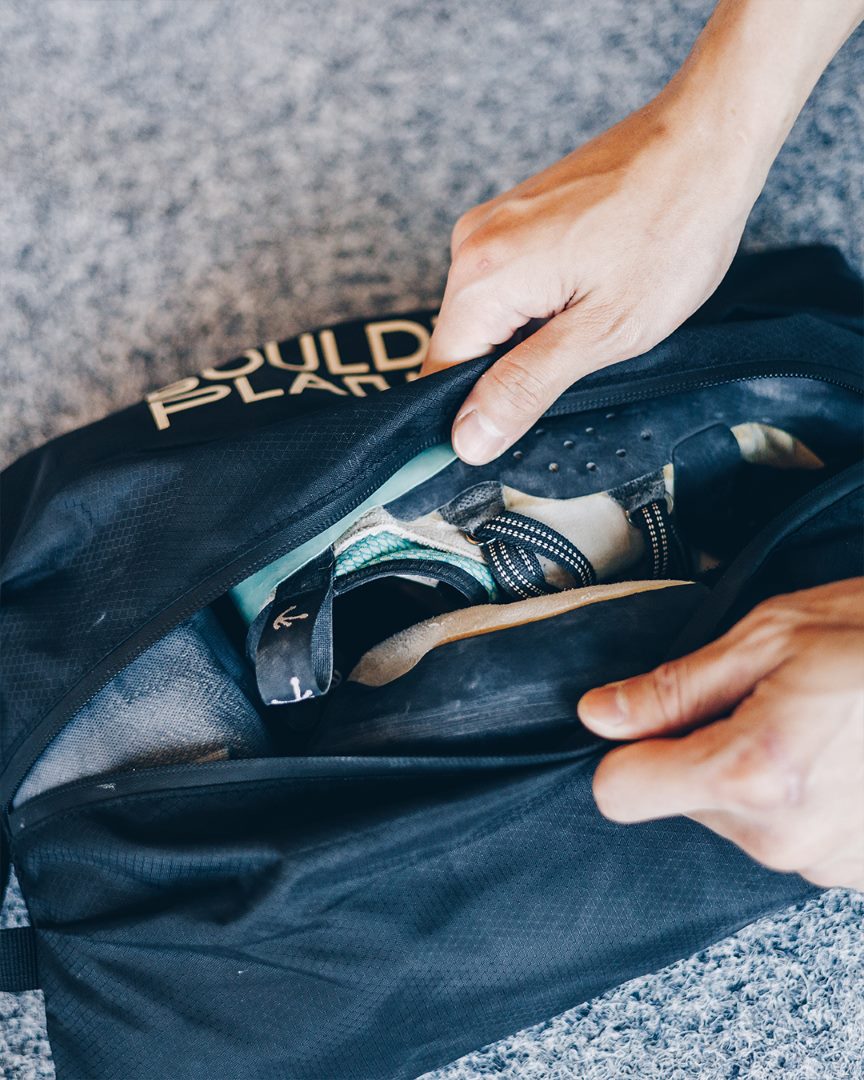
Using Shoe Bags Or Containers
Shoe bags protect shoes from dirt and dust. Use breathable fabric bags to avoid moisture buildup. Plastic containers work if they have air holes for ventilation. Proper containers keep shoes organized and safe from damage. Label bags or boxes to find shoes quickly.
Credit: shop.boulderplanet.sg
Odor Control
Climbing shoes often develop unpleasant odors after long or frequent use. Sweat and bacteria cause the bad smell. Controlling odor keeps your shoes fresh and comfortable. Proper odor control also extends the life of your climbing shoes.
Spraying With Lysol Or Deodorizer
Spraying your climbing shoes with Lysol kills bacteria that cause odor. Use a light mist inside the shoes after each use. Let the shoes dry completely before storing them. Avoid soaking the shoes to protect the materials. Deodorizers designed for sports shoes also work well.
Using Baking Soda
Baking soda absorbs moisture and neutralizes odors naturally. Sprinkle a small amount inside your climbing shoes after climbing. Leave it overnight to let it work. Shake out the excess baking soda before wearing. Repeat regularly to keep odors under control.
Preventing Bacterial Growth
Keep your climbing shoes dry to prevent bacteria growth. Remove shoes from your bag immediately after climbing. Store them in a well-ventilated area away from damp places. Use moisture-wicking socks to reduce sweat inside the shoes. Regular cleaning helps stop bacteria buildup and bad smells.
Sole And Rand Care
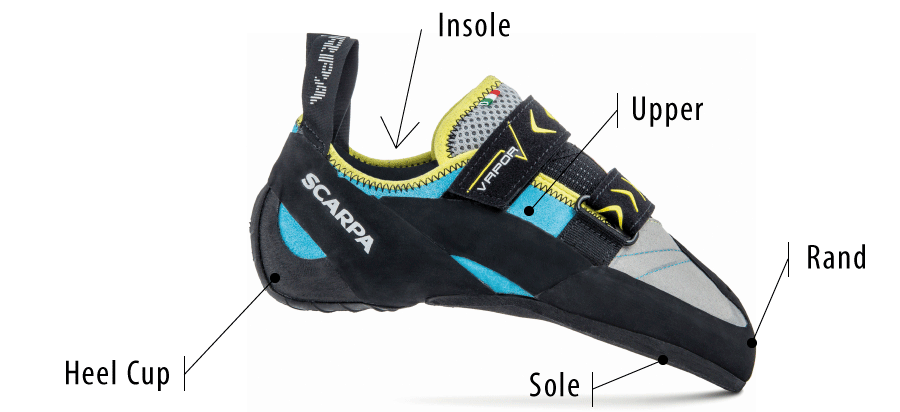
The sole and rand are the most important parts of climbing shoes. They provide grip and protection during climbs. Proper care extends their life and keeps performance high. Simple maintenance can prevent damage and costly repairs.
Removing Dirt And Debris
After each climb, clean the soles and rands carefully. Use a soft brush to remove dirt and small stones. Wipe the areas with a damp cloth to clear away stuck mud. Avoid harsh chemicals that can damage the rubber. Let the shoes dry naturally, away from heat sources.
Inspecting For Wear And Tear
Check the soles and rands regularly for signs of wear. Look for thin spots or cracks in the rubber. Small holes or tears can grow quickly if not noticed. Inspect the rand for any lifting or separation from the shoe. Early detection helps avoid bigger problems later.
When To Resole
Resoling is necessary when the sole rubber wears thin or holes appear. If the rand peels off, resoling can restore the shoe’s shape and function. Don’t wait until the sole is completely worn down. Resoling early saves the shoe and maintains climbing safety. Choose a professional resoler for the best results.
Avoiding Common Damage
Climbing shoes face tough conditions that can cause damage. Avoiding common damage extends their life and keeps performance high. Simple care steps prevent costly repairs and keep shoes comfortable.
Preventing Glue Breakdown
Glue holds climbing shoes together. Heat and moisture can weaken glue quickly. Store shoes in a cool, dry place after use. Avoid leaving shoes in hot cars or direct sunlight. Clean shoes gently to remove dirt without soaking. Check glue edges regularly and fix small separations early.
Protecting Leather And Rubber
Leather and rubber are key materials in climbing shoes. Leather can dry out or crack without care. Use a leather conditioner designed for climbing shoes. Avoid using harsh chemicals or oils. Rubber soles wear down fast if dragged on rough surfaces. Clean soles after each climb to remove grit. Store shoes away from sharp objects to prevent cuts.
Handling Wet Shoes
Wet shoes lose shape and glue strength. Always dry shoes slowly at room temperature. Never use direct heat like heaters or sunlight. Stuff shoes with newspaper to absorb moisture inside. Change the paper regularly until shoes feel dry. Use shoe dryers made for climbing shoes if needed. Proper drying prevents bad odor and mold growth.
Regular Maintenance Routine
Maintaining climbing shoes regularly keeps them in top shape. A simple routine prevents damage and extends their life. Clean shoes perform better and feel more comfortable. Follow these easy steps after each climb and during seasonal care.
Post-climb Care
After climbing, wipe dirt from the shoes with a damp cloth. Avoid soaking them in water. Remove any loose debris from the soles using a soft brush. Let shoes dry naturally in a cool, dry place. Do not place shoes near direct heat or sunlight. This prevents material from warping or cracking. Store shoes in a breathable bag to avoid moisture buildup.
Seasonal Deep Cleaning
Clean shoes thoroughly every few months or after heavy use. Use mild soap mixed with warm water to scrub gently. Focus on the sole and inside areas to remove sweat and grime. Rinse carefully and avoid soaking the shoes. Air dry completely before storing or using again. This deep cleaning refreshes the materials and removes odor.
Tracking Shoe Lifespan
Keep a log of climbing sessions and shoe condition. Note any signs of wear like sole thinning or loose seams. Replace shoes once grip weakens or comfort decreases. Regular checks help avoid accidents caused by worn-out gear. Investing in timely shoe care saves money and improves climbing safety.
Frequently Asked Questions
How Often Should I Clean My Climbing Shoes?
Clean your climbing shoes after every few uses to remove dirt and sweat. Regular cleaning prevents odor and material damage, ensuring better shoe performance and longevity.
What Is The Best Way To Dry Climbing Shoes?
Air dry climbing shoes at room temperature, away from direct sunlight or heaters. Avoid using dryers, as heat can warp materials and damage adhesives.
Can I Use Soap To Clean Climbing Shoes?
Yes, use mild soap and warm water with a soft brush to clean shoes. Harsh chemicals can degrade rubber, leather, and glue, so avoid strong detergents.
How Should I Store Climbing Shoes Between Uses?
Store climbing shoes in a cool, dry place away from moisture and heat. Use a breathable bag or open space to allow airflow and prevent odor buildup.
Conclusion
Proper care keeps climbing shoes effective and comfortable longer. Clean them gently after each use to remove dirt and sweat. Let shoes dry fully in fresh air, avoiding direct heat. Store shoes in a cool, dry place to prevent damage.
Regular checks help spot wear early and extend shoe life. Following these simple steps saves money and improves climbing performance. Take care of your shoes; they will take care of your climbs.

I am an outdoor enthusiast and gear researcher passionate about camping, hiking, backpacking, and outdoor adventures. I enjoy testing gear, comparing products, and sharing practical advice to help readers make informed decisions. At BestOutsideGear, I create honest gear reviews, buying guides, and outdoor tips to help adventurers choose the right equipment with confidence.