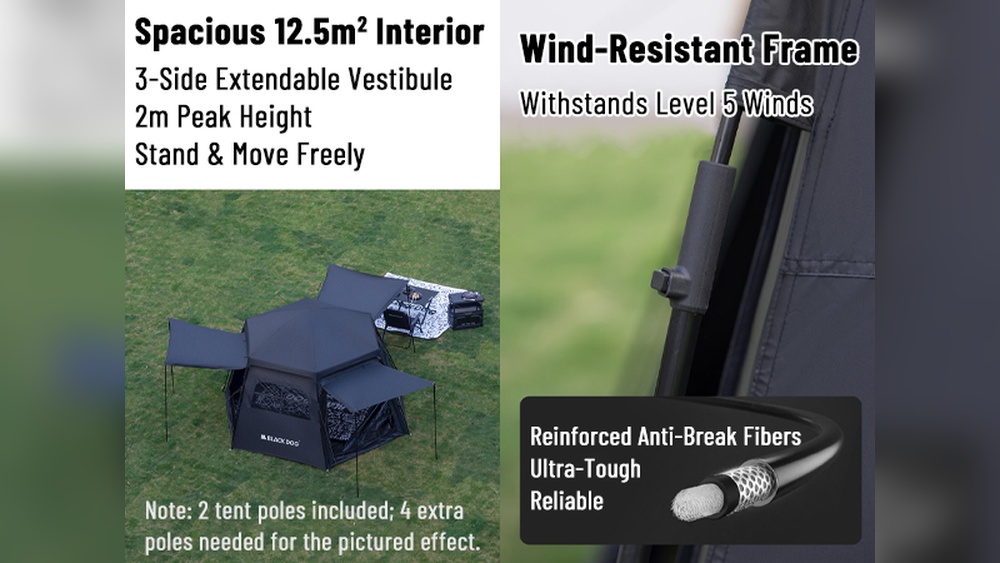
How to Make a Large Camping Tent Wind Resistant Easily
When you’re out camping with a large tent, strong winds can turn your cozy shelter into a shaky, stressful mess. You want your tent to stand firm, protecting you and your gear no matter how wild the weather gets.
But how do you make sure your big tent won’t blow away or collapse when the wind picks up? This guide shows you simple, effective ways to make your large camping tent wind resistant. From choosing the right spot and stakes to smart setup tricks, you’ll learn exactly what to do so your tent stays secure and stable.
Keep reading—your next camping trip will be safer, more comfortable, and way less windy.

Credit: us.amazon.com
Choose The Right Tent
Choosing the right tent is key to staying safe and comfortable during windy camping trips. Not all tents handle strong winds well. Large tents especially need careful selection. Consider designs and materials that stand firm against gusts. This choice can prevent damage and keep you dry.
Opt For Low-profile Designs
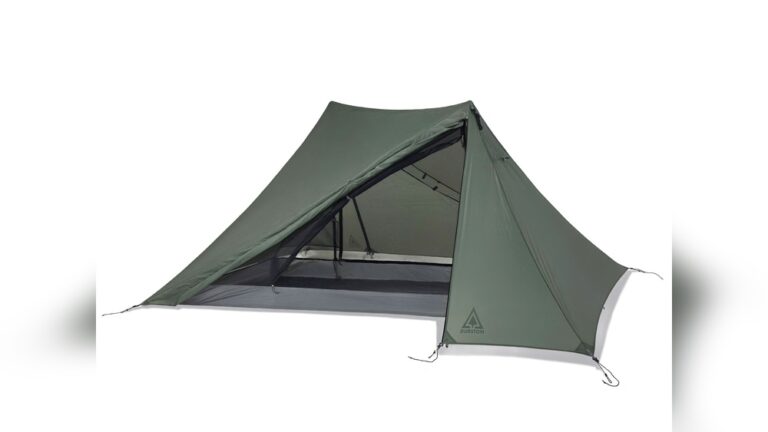
Low-profile tents catch less wind. They sit closer to the ground and have fewer tall walls. This reduces the chance of the wind pushing them over. Large tents with sloped sides or dome shapes work best. They allow wind to flow over smoothly.
Select Strong Pole Materials
Strong poles make a big difference in wind resistance. Aluminum poles are lightweight and durable. Fiberglass poles are cheaper but can break more easily. Steel poles offer great strength but add weight. Choose poles that bend without snapping to handle gusts.
Consider Shape And Wind Resistance
The shape of your tent affects how well it fights wind. Rounded or tunnel-shaped tents spread wind pressure evenly. Boxy tents can catch wind like sails and risk collapse. Look for tents tested for wind resistance and designed to stay stable.
Scout The Perfect Location
Choosing the right spot for your large camping tent can make it much more wind resistant. Scouting the perfect location is the first step to keeping your tent safe and stable. A good location can block strong gusts and protect your gear. Take time to study the area before setting up.
Look for places that naturally reduce wind impact. Avoid open spaces where the wind can blow freely. Check the ground to make sure it can hold your tent stakes firmly. These simple steps help your tent stand strong even on windy days.
Find Natural Windbreaks
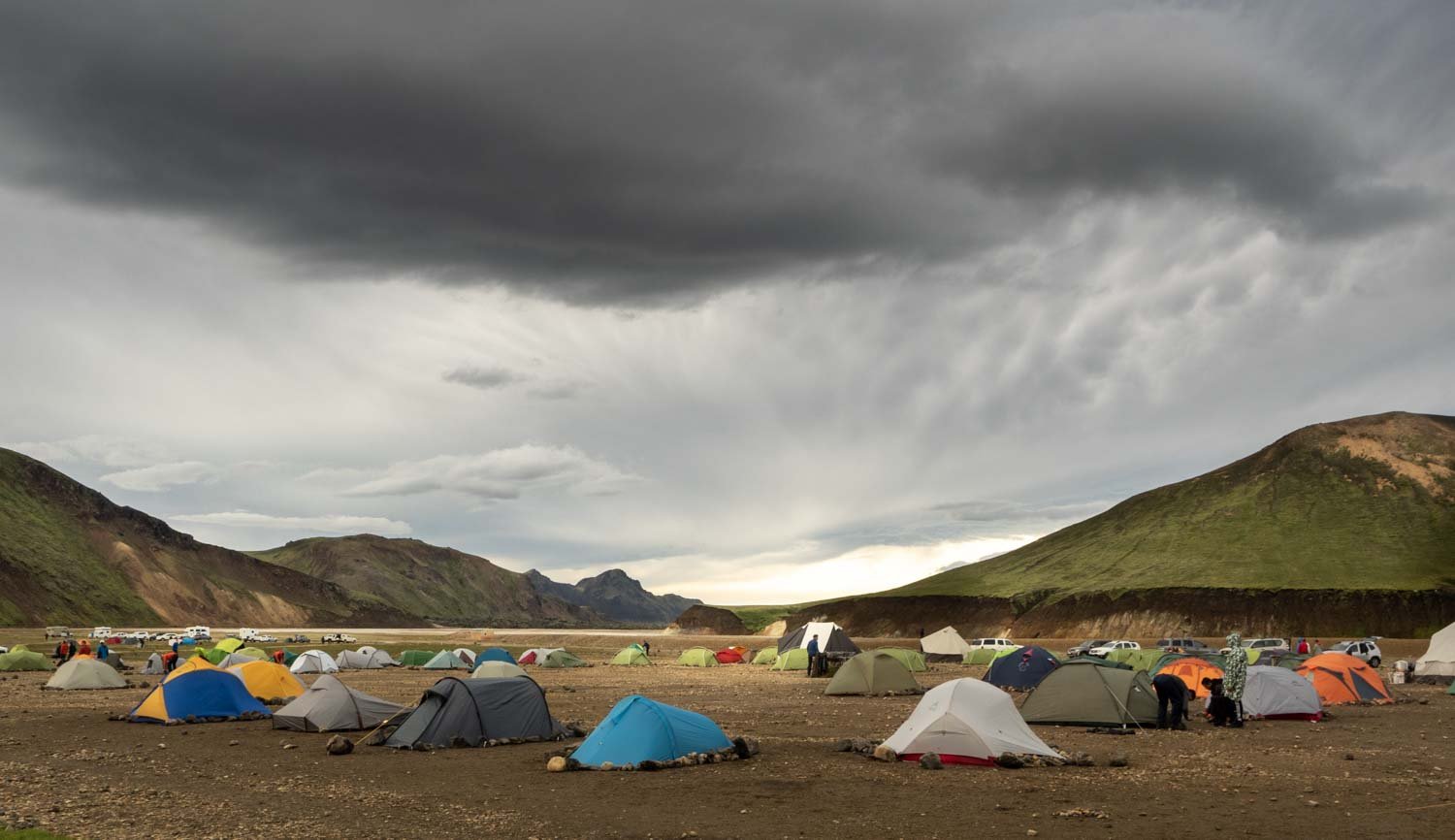
Natural windbreaks like trees, bushes, or large rocks can block or slow down wind. Set up your tent near these features to reduce wind pressure. These barriers act as shields and help keep your tent steady. Avoid clearing away these natural protectors.
Avoid Exposed Ridges And Open Areas
Ridges and open fields expose your tent to full wind force. Winds pick up speed in these places and can easily damage your tent. Pick lower ground or valleys instead. These spots usually have calmer winds and better shelter.
Check Ground Stability
Firm ground helps keep tent stakes secure and prevents shifting. Avoid sandy, loose, or wet soil that can make stakes slip out. Look for flat, solid ground to set up. Test the ground by pushing a stake in before pitching your tent.
Align Tent With Wind Direction
Aligning your large camping tent with the wind direction is essential for stability. Proper alignment reduces wind pressure on the tent. This helps prevent damage and keeps the tent secure. Knowing how to position your tent can make a big difference on windy days.
Position Narrow Side Toward Wind
Always face the narrowest side of the tent into the wind. This shape offers less surface area for the wind to hit. It lowers the chance of the tent catching strong gusts. The wind flows smoothly around the tent, causing less strain.
Wide sides catch more wind and increase risk of tipping. Narrow sides help keep the tent grounded and steady. This simple step improves your tent’s wind resistance a lot.
Adjust Orientation As Wind Shifts
Wind direction can change during the day. Watch for shifts and adjust your tent accordingly. Rotate or reposition the tent to keep the narrow side facing the wind.
Check wind patterns at different times before setting up. It helps you plan for changes and stay protected. Small adjustments keep your tent safe and stable throughout your stay.
Reinforce Tent Setup
Reinforcing your tent setup is key to keeping it stable in strong winds. A well-secured tent stands firm and protects you from the elements. Focus on strengthening the tent’s attachment to the ground and tightening all parts. This reduces flapping and prevents damage.
Use Heavy-duty Stakes
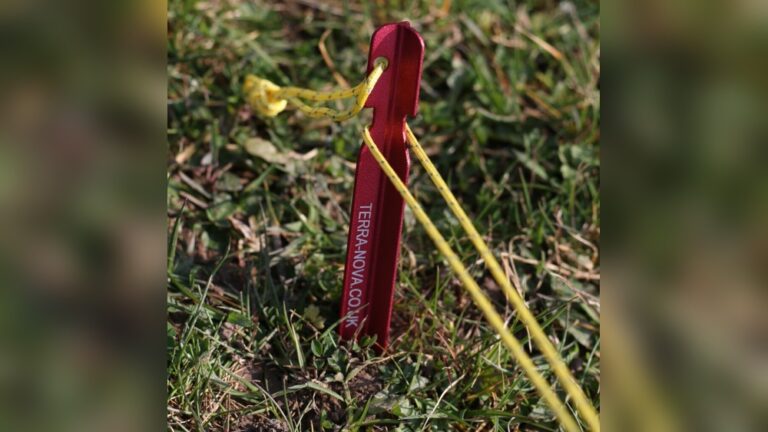
Choose stakes made of strong materials like steel or aluminum. These stakes hold better in hard or loose soil. Drive them deep at a 45-degree angle away from the tent. This angle increases grip and reduces pull-out risk. Check stakes regularly and reset if they loosen.
Add Extra Guy Lines
Attach extra guy lines to your tent’s loops or webbing points. Stretch lines out and secure them to solid anchors like trees or heavy rocks. Tighten the lines firmly but not too tight to avoid tearing fabric. Extra guy lines add stability and stop the tent from swaying.
Secure Rainfly And Doors
Fix the rainfly tightly over the tent frame. Use all straps and buckles to avoid flapping. Close doors and vents fully, and stake door flaps down if possible. This stops wind from entering and lifting the tent. A snug rainfly and closed doors reduce wind damage and keep you dry.
Add Weight Inside Tent
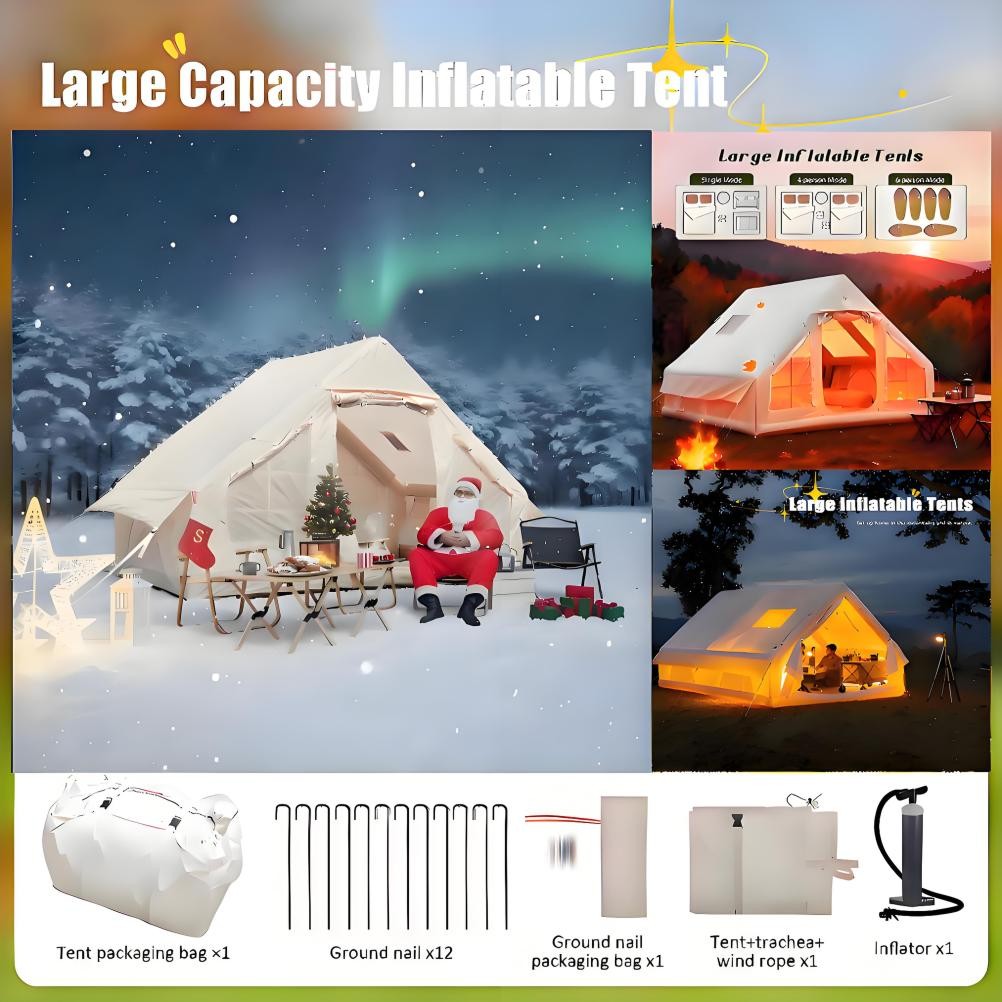
Adding weight inside your large camping tent helps keep it steady during strong winds. It stops the tent from lifting or shifting. Heavy objects inside the tent act as anchors to hold it down. This method is simple and effective, especially when outside ground stakes cannot hold well.
Place Rocks At Tent Corners
Put large rocks at each corner inside the tent. Choose heavy, flat rocks for better stability. The weight presses the tent fabric and floor firmly against the ground. This reduces movement caused by gusts of wind. Make sure the rocks do not damage the tent material. Wrap them in cloth or place inside bags if needed. This method works well on rocky or hard surfaces where stakes are hard to use.
Use Sandbags Or Gear
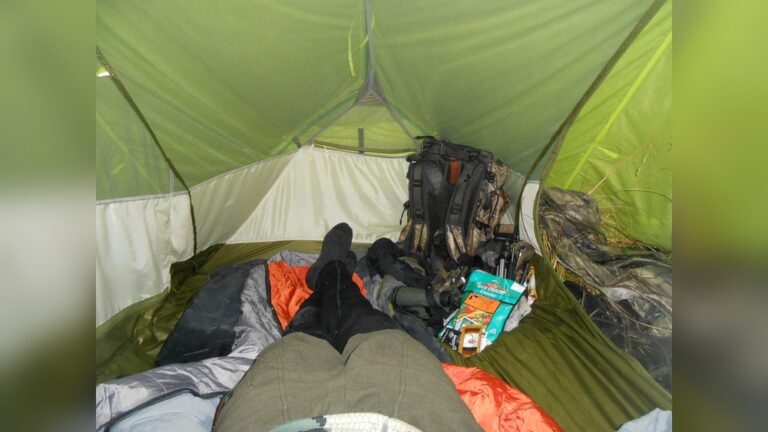
Fill small bags with sand or dirt and place them inside the tent corners. Sandbags add weight without sharp edges that can harm the tent. You can also use heavy camping gear like backpacks, water containers, or coolers. Position these items evenly to balance the weight inside. This adds extra security and keeps the tent from lifting or swaying. Sandbags and gear are easy to move and adjust as needed during the trip.
Credit: www.ebay.com
Block Wind From Entering
Blocking wind from entering your large camping tent helps keep it stable and comfortable. Wind can sneak through small openings and under the rainfly. Stopping these drafts reduces shaking and cold air inside. Simple barriers and sealing gaps work well to block wind effectively.
Create Barriers With Logs Or Rocks
Place logs or rocks along the windward side of your tent. These act as a shield, breaking the wind before it hits the tent walls. Arrange them close together for the best protection. Avoid placing heavy objects on the tent fabric to prevent damage. Instead, set them just outside the tent perimeter. This method slows down strong gusts and keeps the tent more secure.
Close Gaps Under Rainfly
Check the edges of your rainfly for any open spaces. Wind can enter through these gaps and chill the tent interior. Use extra guylines or stakes to pull the rainfly tightly to the ground. Adjust the tension until there are no visible openings. If needed, tuck the rainfly edges under heavy objects like rocks. This seals the tent better and stops wind from blowing underneath.
Practice Setup Beforehand
Practicing your tent setup before heading to the campsite helps ensure a strong, wind-resistant shelter. It allows you to understand every step and identify weak points. Practice builds confidence and speeds up the process on the actual day. This preparation reduces stress and prevents mistakes in windy conditions. Below are key ways to practice your setup effectively.
Test Tent Assembly At Home
Set up your large camping tent in your backyard or a spacious room. Follow the instructions carefully and check each step. Make sure all parts fit together tightly. Practice attaching poles firmly and securing all zippers and flaps. Check that stakes and guylines work well with your tent. This helps find any missing or broken parts early. Repeating assembly improves your skill and speed.
Simulate Windy Conditions
Use a fan or create airflow to mimic wind near your tent setup. Observe how the tent reacts to pressure from one side. Try tightening stakes and guylines to stop the tent from shaking or moving. Practice adjusting the rainfly for extra stability. This simulation helps you learn how to handle strong gusts. It also shows you the best spots to place stakes for maximum hold.
Credit: slowerhiking.com
Maintain Tent During Storms
Maintaining your large camping tent during storms keeps it stable and safe. Storm winds can strain fabric and poles. Staying proactive helps prevent damage and increases comfort inside. Simple checks and adjustments make a big difference during bad weather.
Adjust Guy Lines As Needed
Guy lines hold your tent steady in strong winds. Check their tension often. Tighten loose lines to prevent flapping. Loosen overly tight lines to avoid tearing fabric. Move anchor points if wind direction changes. This keeps your tent balanced against gusts.
Check Stakes Regularly
Stakes secure your tent to the ground. Storms can loosen or pull them out. Press stakes deeper if needed. Replace bent or broken stakes immediately. Use additional stakes for extra hold in soft soil. Well-secured stakes stop your tent from lifting or sliding.
Ventilate To Reduce Pressure
Wind pressure builds inside the tent during storms. Proper ventilation lowers this pressure. Open vents or windows slightly to let air pass. Avoid fully closing all openings. This reduces stress on tent walls and poles. Balanced airflow keeps your tent safer and more comfortable.
Conclusion
Making your large camping tent wind resistant takes simple, smart steps. Choose strong stakes and place them firmly in the ground. Face your tent’s narrow side toward the wind to reduce pressure. Use all guy lines and tighten them well.
Add weight inside the tent for extra stability. Practice setting up at home to improve speed and confidence. These actions help keep your tent secure and comfortable during windy weather. Stay safe and enjoy your outdoor adventure with a sturdy, wind-resistant tent.

I am an outdoor enthusiast and gear researcher passionate about camping, hiking, backpacking, and outdoor adventures. I enjoy testing gear, comparing products, and sharing practical advice to help readers make informed decisions. At BestOutsideGear, I create honest gear reviews, buying guides, and outdoor tips to help adventurers choose the right equipment with confidence.