What is Hot Tent Camping? A Complete Beginner’s Guide
Imagine stepping into your tent after a long day outdoors, and instead of shivering inside layers of cold, you feel a cozy warmth surrounding you. That’s exactly what hot tent camping offers.
If you’ve ever wondered how people stay comfortable camping in freezing weather, hot tent camping might be the answer you’re looking for. It’s a unique way to enjoy nature without sacrificing warmth or comfort. You’ll discover what hot tent camping is, how it works, and why it’s becoming a game-changer for winter campers like you.
Ready to find out how you can turn your cold-weather camping trips into cozy adventures? Keep reading!

Credit: hot-tent.com
Hot Tent Basics
Hot tent camping offers a unique way to enjoy the outdoors during cold weather. It uses a special tent designed for safe heating inside. This method keeps campers warm without bulky layers or heavy sleeping bags. Understanding the basics helps you decide if hot tent camping fits your style.
What Makes A Tent A Hot Tent
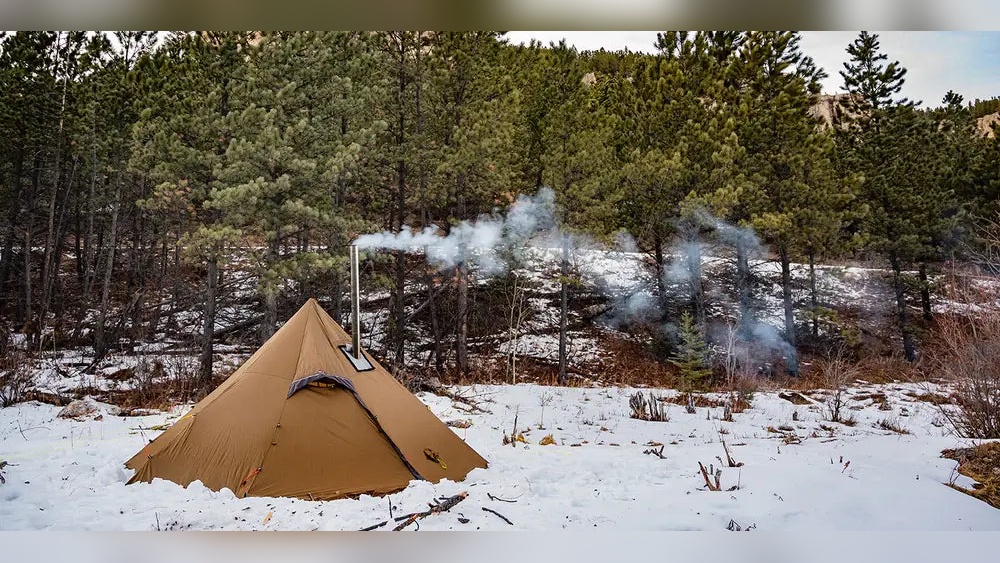
A hot tent is made from fire-resistant material. It has a stove jack, a heatproof opening for a chimney pipe. This pipe vents smoke outside safely. The tent may have no floor or a removable floor near the stove. These features prevent fire hazards and protect the tent fabric. The design supports a wood-burning stove inside the tent.
How Hot Tent Camping Works
Hot tent camping uses a small wood stove for heat. The stove burns wood to warm the tent’s interior. The chimney pipe directs smoke outside. This setup keeps the air inside fresh and safe. Campers can cook meals on the stove top. It melts snow for drinking water. The heat allows comfort for relaxing and changing clothes. This method extends camping season into colder months.

Credit: www.sierra.com
Core Components
The core components of hot tent camping make it safe and effective. These parts allow you to enjoy warmth inside your tent during cold weather. Each element plays a crucial role in maintaining heat and safety.
The Stove Jack
The stove jack is a vital feature in a hot tent. It is a heat-resistant opening on the tent wall or roof. This opening lets the stove’s chimney pipe pass through safely. It prevents heat or smoke from damaging the tent fabric. Without the stove jack, using a wood stove inside a tent would be unsafe.
Floor And Heat Shields
Floor and heat shields protect your tent from heat damage. Many hot tents have no floor or a removable floor section under the stove. This design stops hot embers from burning the tent floor. Heat shields, often made from metal or fireproof materials, sit under or around the stove. They reflect heat away from the tent and prevent fires. Proper use of floor and heat shields is key to safe hot tent camping.
Benefits Of Hot Tent Camping
Hot tent camping offers unique advantages for outdoor enthusiasts. It provides a warm shelter even in freezing conditions. This method transforms cold camping into a cozy experience.
Hot tents use a small wood stove inside a fire-resistant tent. This setup changes how you camp during cold weather. The benefits go beyond just warmth.
Ultimate Warmth
Hot tents generate steady heat, keeping you warm throughout the night. Unlike regular tents, they maintain a comfortable temperature inside. This allows campers to remove heavy layers and relax fully. The warmth covers more than just your sleeping area. It creates a cozy space to rest and recharge.
Indoor Cooking Options
The built-in stove top acts as an indoor cooking surface. You can boil water or prepare meals without stepping outside. This option saves time and keeps you protected from harsh weather. Cooking inside also reduces the need to carry extra gear. It makes meal preparation easier and more enjoyable.
Comfort And Activity Space
Hot tents offer more than warmth and cooking. The heated space allows you to change clothes comfortably. You can sit, read, or play games inside without feeling cold. This extra room improves your camping experience. It creates a safe, pleasant environment to spend time in, regardless of the weather.
Safety And Risks
Hot tent camping offers warmth and comfort in cold weather. Yet, it carries safety risks that campers must understand. Fire hazards and smoke buildup are two major concerns. Following safety rules reduces dangers and ensures a safe experience. Below are key points about fire safety and ventilation.
Fire Safety Tips
Keep the stove on a stable, non-flammable surface. Clear snow or debris around the stove area to avoid fires. Always use a stove designed for indoor use with a hot tent. Never leave the stove unattended while lit. Store flammable items away from the stove and chimney pipe. Have a fire extinguisher or water nearby. Extinguish the fire completely before sleeping or leaving the tent.
Ventilation And Smoke Management
Proper ventilation prevents dangerous smoke buildup inside the tent. Use the stove jack to vent smoke outside safely. Keep a small opening or vent to allow fresh air flow. Avoid sealing the tent completely airtight. Check vents regularly for blockages from snow or soot. Carbon monoxide alarms increase safety and warn campers of risks. Good airflow keeps air fresh and reduces fire risk inside the tent.
Gear And Costs
Hot tent camping needs specific gear that ensures warmth and safety. It involves a wood stove inside a fire-resistant tent. This setup requires careful gear choice and budget planning. Knowing what equipment to buy helps avoid unnecessary expenses. Here’s a guide to essential gear and cost factors.
Choosing The Right Tent
Pick a tent made from fire-resistant material. It must have a stove jack for the chimney pipe. The stove jack keeps smoke outside and stops heat damage. Choose tents with durable fabrics that resist tears and moisture. Size matters. Larger tents give more space but cost more. Look for tents designed for winter use and easy setup.
Selecting A Wood Stove
Wood stoves for hot tents must be portable and efficient. Titanium stoves are popular due to their light weight and heat output. Check the stove’s size to fit inside your tent safely. It should have a secure door and ash pan for easy cleaning. Stoves with flat tops double as cooking surfaces. Avoid heavy or bulky stoves that are hard to carry.
Budget Considerations
Hot tent camping gear can be costly. A quality tent ranges from $300 to $1000 or more. Wood stoves often cost between $150 and $600. Add expenses for stove pipes, gloves, and fireproof mats. Plan for ongoing costs like fuel and maintenance. Start with essential items and upgrade gear over time. Consider used gear to reduce initial spending.
Setup And Usage Tips
Setting up a hot tent requires careful attention to safety and comfort. Proper installation and usage ensure you enjoy warmth without hazards. This section covers key tips to help you set up and use your hot tent effectively.
Installing The Stove Jack
The stove jack is a heat-resistant patch in the tent fabric. It allows the stove pipe to exit safely. Position the stove jack where the stove will stand inside the tent. Cut a small hole if the tent does not have a pre-made jack. Fit the stove pipe through the jack carefully. Seal any gaps with fireproof tape or gasket. This prevents sparks and smoke from entering the tent.
Managing Heat Inside The Tent
Keep the stove pipe clear of the tent walls. Use heat shields or metal plates if needed. Open vents slightly to avoid carbon monoxide buildup. Avoid overheating the tent by controlling the stove’s fire size. Keep flammable items away from the stove. Arrange sleeping and sitting areas to stay warm but safe. Regularly check the stove and pipe for signs of damage.
Maintaining The Stove
Clean the stove and pipe after every trip. Remove ash and soot to keep airflow smooth. Inspect for cracks or rust that could cause leaks. Replace worn parts before each camping season. Store the stove in a dry place to prevent corrosion. Proper maintenance keeps your stove working safely and efficiently.
Hot Tent Camping In Different Seasons
Hot tent camping adapts well to different seasons. It offers unique benefits whether it’s cold or mild outside.
This style uses a wood-burning stove inside a special tent. The stove keeps the tent warm and cozy.
Winter Camping Advantages
Hot tents provide warmth even in freezing temperatures. They let you enjoy winter camping without shivering.
You can relax inside the tent and stay comfortable. It is easier to dry clothes and cook hot meals indoors.
The stove’s heat creates a safe, warm space to sleep. This reduces the need for heavy layers or bulky sleeping bags.
Using Hot Tents In Mild Weather
Hot tents also work well in cool but not freezing weather. The stove can be used lightly to keep the tent comfortable.
This helps prevent dampness and chill inside the tent. It also makes early spring or fall camping more enjoyable.
You can turn off the stove at night if it gets warm. The tent still offers shelter and protection from wind or rain.
Popular Hot Tent Models
Hot tent camping uses special tents designed to work with a wood stove. These tents keep campers warm in cold weather. Many models come with key features that make them safe and easy to use.
Choosing the right hot tent depends on your needs. Some campers prefer well-known brands, while others enjoy making their own custom tents. Both options have unique benefits.
Top Brands And Features
Several brands lead the market in hot tent design. They focus on safety, durability, and ease of use. The tents usually have a stove jack, which allows the chimney pipe to exit safely.
Popular models often use fire-resistant fabrics. Some offer no floors or removable floors near the stove area. This helps prevent accidental fires from embers or sparks.
Many tents are lightweight and easy to set up. Some include extra space for cooking or changing clothes comfortably. These features enhance the overall camping experience.
Diy And Custom Options
Some campers like to build their own hot tents. This option allows full control over size and materials. DIY tents often cost less than commercial models.
Custom tents can include unique features. For example, extra vents or windows for better airflow. Campers can also choose different shapes to suit their style.
Building a hot tent requires knowledge of fire safety. Materials must be heat-resistant to prevent accidents. Proper stove jack installation is critical for safe chimney use.
Common Questions
Hot tent camping raises many questions among outdoor enthusiasts. Understanding the basics helps you decide if it suits your adventures. Below are answers to some common questions about hot tent camping.
Do Hot Tents Really Stay Warm?
Yes, hot tents can stay warm. They use a wood-burning stove inside the tent. The stove heats the air, making the tent cozy even in cold weather. Unlike regular tents, hot tents keep warmth for hours. Proper ventilation and stove placement are key to keeping heat inside safely.
Is Hot Tent Camping Safe?
Hot tent camping can be safe with the right precautions. The tent fabric is fire-resistant. A stove jack allows the chimney pipe to vent smoke outside. Campers must clear the area around the stove from flammable materials. Always monitor the fire and have a plan for emergencies. Good airflow prevents dangerous smoke buildup.
Can You Use Hot Tents For Backpacking?
Hot tents are usually heavier than regular tents. Most models are not ideal for long backpacking trips. They require carrying a stove and fuel, adding extra weight. However, for short hikes or car camping, hot tents offer great comfort. Lightweight models exist but still weigh more than standard tents.

Credit: www.youtube.com
Conclusion
Hot tent camping offers a unique way to stay warm outdoors. You can enjoy nature even in cold weather. The stove heats the tent, making it cozy inside. It also helps you cook meals easily. Safety and proper gear are important for success.
This style suits those who want comfort and adventure combined. Try hot tent camping to experience warmth and fun in the wild.

I am an outdoor enthusiast and gear researcher passionate about camping, hiking, backpacking, and outdoor adventures. I enjoy testing gear, comparing products, and sharing practical advice to help readers make informed decisions. At BestOutsideGear, I create honest gear reviews, buying guides, and outdoor tips to help adventurers choose the right equipment with confidence.