Safety Tips for Camping Stove: Essential Guide for Safe Outdoors
When you’re out camping, your stove is more than just a tool—it’s your lifeline to warm meals and hot drinks. But have you ever thought about the risks that come with using a camping stove?
A small mistake can turn your relaxing trip into a dangerous situation. That’s why knowing the right safety tips is crucial for protecting yourself, your gear, and the beautiful outdoors you came to enjoy. You’ll discover simple yet essential safety practices that make using your camping stove worry-free.
Keep reading to learn how to cook safely and confidently on your next adventure.

Credit: www.lifeintents.com
Choosing The Right Camping Stove
Choosing the right camping stove is key for a safe and enjoyable outdoor cooking experience. A good stove matches your cooking needs and camping style. It must be easy to use and safe in different weather conditions. Understanding the types, fuel options, and size helps you pick the best stove for your trip.
Types Of Camping Stoves
Camping stoves come in various types. Canister stoves are lightweight and easy to use. They connect to small gas canisters and work well for quick meals. Liquid fuel stoves use gasoline or white gas. These stoves perform better in cold weather and at high altitudes. Multi-fuel stoves can burn different fuels. They offer flexibility but require more care. Choose a type that suits your trip length and environment.
Fuel Options And Safety
Fuel choice affects stove safety and convenience. Propane and butane are common fuels for canister stoves. They burn clean but can freeze in cold temperatures. Liquid fuels like white gas work well in cold and windy areas. Always store fuel away from heat and sparks. Check fuel containers for leaks before use. Use stoves only in well-ventilated areas to avoid harmful gases. Follow the manufacturer’s instructions for safe handling.
Size And Portability
Size matters when camping. A compact stove saves space and weight in your backpack. Small stoves fit well for solo trips or short hikes. Larger stoves offer more cooking power for groups. Consider how much gear you carry and your cooking needs. Portable stoves should be easy to set up and pack away. Balance size, weight, and cooking ability for your comfort and safety.
Setting Up Your Stove Safely
Setting up your camping stove safely is essential for a secure cooking experience outdoors. A correct setup prevents accidents and ensures the stove works well. Taking simple precautions can protect you and your camping gear.
Selecting A Safe Location
Place the stove on flat, stable ground. Avoid dry grass or leaves that can catch fire. Keep the stove away from tents, trees, and other flammable materials. Choose a spot shielded from strong wind to avoid flame flickering or gas leaks. Clear the area of debris before setting up.
Using Manufacturer’s Accessories
Always use accessories provided or recommended by the stove maker. These parts fit perfectly and improve safety. Use the windscreen or heat reflector if included. Avoid makeshift additions that can cause instability or block ventilation. Follow the manual for proper assembly and use.
Stabilizing The Stove
Ensure the stove stands firm and does not wobble. Use the built-in legs or supports to keep it steady. If the ground is uneven, place a flat board or rock underneath. Never place heavy pots that exceed the stove’s weight limit. A stable stove reduces the risk of spills and burns.
Operating Your Stove With Care
Operating your camping stove with care is crucial for a safe and enjoyable outdoor cooking experience. Handling your stove properly prevents accidents and ensures it works efficiently. Every step, from lighting to cooking, requires attention and caution.
Follow safety practices to avoid burns, fires, and gas leaks. A careful approach keeps you and others safe while enjoying your meal in nature.
Ignition And Flame Control
Light your stove in a clear, open area away from flammable items. Use the built-in ignition if available or a long match to keep your hands safe. Never lean over the stove while lighting it.
Adjust the flame to a steady, moderate level. A high flame wastes fuel and can cause pots to tip. A low flame may not cook food properly and can cause soot buildup.
Avoiding Overloading
Place only pots and pans recommended by the stove manufacturer. Heavy or large cookware can tip the stove and cause spills or fires. Keep the weight balanced on the stove’s supports.
Do not stack multiple items on the stove. Overloading reduces stability and blocks air flow, which affects the flame and safety.
Monitoring While Cooking
Never leave your stove unattended while it is on. Fires can start quickly if food boils over or fuel leaks. Stay close and watch the cooking process.
Check the stove for leaks, unusual smells, or flickering flames. Turn off the stove immediately if you notice any problems. Proper supervision prevents accidents and keeps everyone safe.
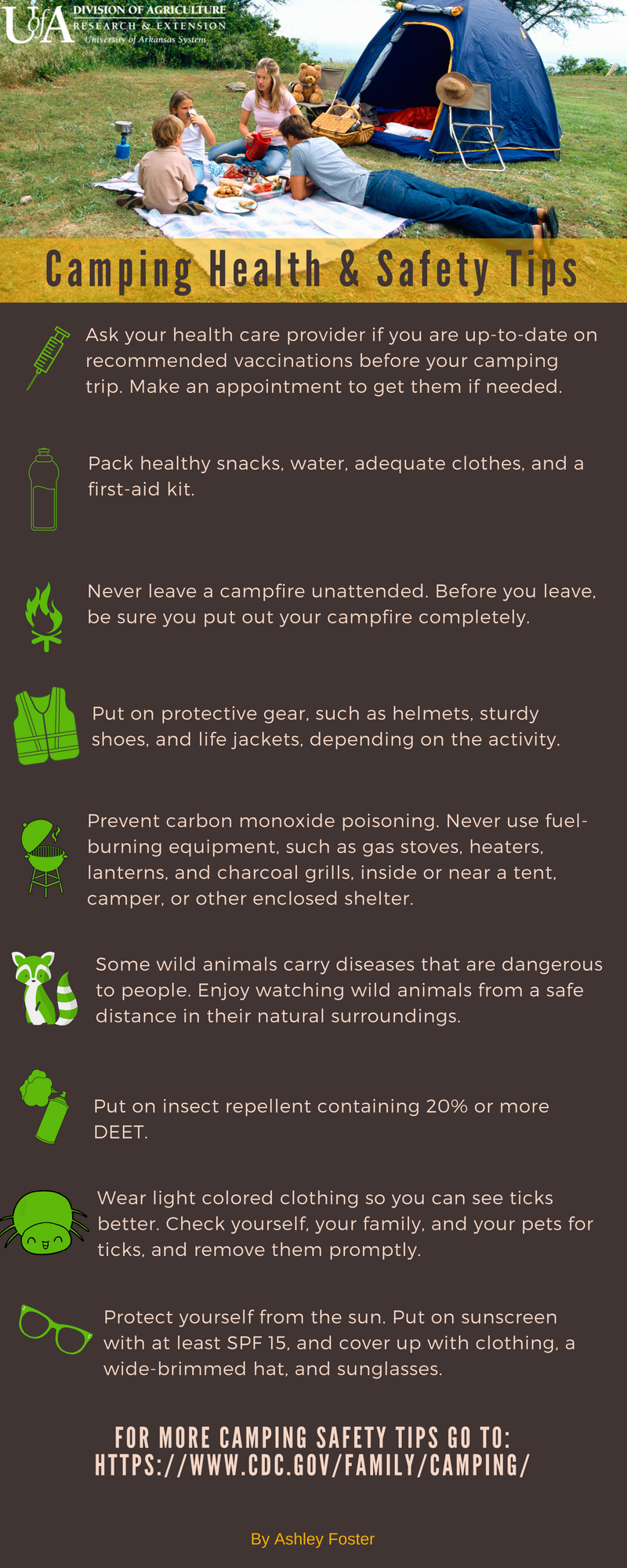
Credit: www.uaex.uada.edu
Preventing Common Hazards
Camping stoves bring warmth and convenience to outdoor meals. Yet, misuse can cause accidents. Preventing common hazards keeps your trip safe and enjoyable. Simple steps reduce risks of fire, poisoning, and injury.
Follow safety tips carefully for every camping stove use. Focus on ventilation, fuel handling, and weather conditions. These measures protect you and others in your group.
Avoiding Carbon Monoxide Risks
Carbon monoxide is a colorless, odorless gas. It builds up quickly in enclosed spaces. Never use a camping stove inside a tent or vehicle. Always cook outdoors in open air. Keep stoves away from tents and shelters. This prevents dangerous gas from collecting. If you feel dizzy or sick, move away immediately. Fresh air clears carbon monoxide fast.
Preventing Fuel Leaks
Check fuel containers before use. Look for cracks or holes that cause leaks. Attach fuel canisters tightly to the stove. Avoid over-tightening, which can damage threads. Store fuel away from heat and flames. Use only manufacturer-approved fuel types. Leaks can cause fires or explosions. Keep a fire extinguisher or water nearby for emergencies. Always turn off the stove after cooking.
Managing Wind And Weather
Wind can blow flames or fuel vapors unpredictably. Use a windscreen designed for your stove model. Place the stove on stable, flat ground to avoid tipping. Avoid cooking under low-hanging branches or dry brush. Rain or moisture can affect stove function. Keep the stove dry and protected. Strong wind or storms are not safe times to cook. Wait for calm weather to start your stove.
Maintaining Your Camping Stove
Maintaining your camping stove ensures safe and efficient cooking outdoors. Regular care prevents accidents and extends the stove’s life. Simple steps keep your stove ready for every trip.
Cleaning Burner Ports
Burner ports can get clogged with food or dirt. Use a soft brush or a pin to clear blockages. Avoid using sharp objects that can damage the ports. Clean the burner after each use to keep flames steady and strong.
Checking For Damage
Inspect your stove before each trip for cracks or leaks. Look at fuel lines and connections closely. Replace damaged parts immediately to avoid gas leaks or malfunctions. Test the stove in a safe area before cooking.
Proper Storage Tips
Store your camping stove in a dry place to prevent rust. Remove fuel canisters before storing the stove. Keep all parts together in a protective case. Proper storage avoids damage and keeps your stove ready to use.
Handling Fuel Safely
Handling fuel safely is critical for a safe camping stove experience. Fuel is flammable and can cause fires or explosions if mishandled. Understanding how to store, transport, and refill fuel canisters reduces risks. Always prioritize safety to enjoy your outdoor cooking without accidents.
Safe Fuel Storage
Store fuel canisters in a cool, dry place away from direct sunlight. Keep them away from heat sources and open flames. Ensure containers are sealed tightly to prevent leaks. Do not store fuel inside your tent or sleeping area. Proper storage lowers fire hazards and fuel spoilage.
Transporting Fuel Canisters
Carry fuel canisters upright and secure during travel to avoid damage. Use a sturdy container or bag designed for fuel transport. Avoid placing canisters near sharp objects or heavy gear. Check for leaks before packing. Proper transport prevents spills and accidents on the road or trail.
Refueling Precautions
Refuel your camping stove outdoors in a well-ventilated area. Ensure the stove is completely cool before adding fuel. Avoid overfilling the fuel tank or canister. Wipe away any spilled fuel immediately with a cloth. Keep flames and sparks far from refueling spots. These steps help prevent fires and explosions.
Emergency Preparedness
Emergency preparedness is vital when using a camping stove. Fires and burns can happen quickly. Knowing how to react saves lives and reduces injuries. Stay alert and ready for any accident that may occur. Carry basic tools and supplies for fire control and first aid. Preparation helps keep the camping trip safe and enjoyable.
Fire Control Measures
Keep a fire extinguisher or a bucket of water nearby. Clear dry leaves and flammable materials around the stove area. Use the stove on a flat, stable surface. Turn off the stove immediately if flames get out of control. Never leave the stove unattended while it is on. Know how to use your fire extinguisher before starting to cook.
First Aid For Burns
Cool burns with running cold water for at least 10 minutes. Avoid using ice or very cold water directly on the skin. Cover the burn with a clean, non-stick cloth or bandage. Do not pop blisters or apply creams or oils. Keep the person calm and offer plenty of fluids. Monitor the burn for signs of infection or worsening pain.
When To Seek Help
Call emergency services if the burn is large or deep. Seek medical help for burns on the face, hands, or genitals. Get help if the person has trouble breathing or shows signs of shock. Immediate care is necessary for severe burns or if pain worsens. Do not hesitate to get professional medical attention quickly.
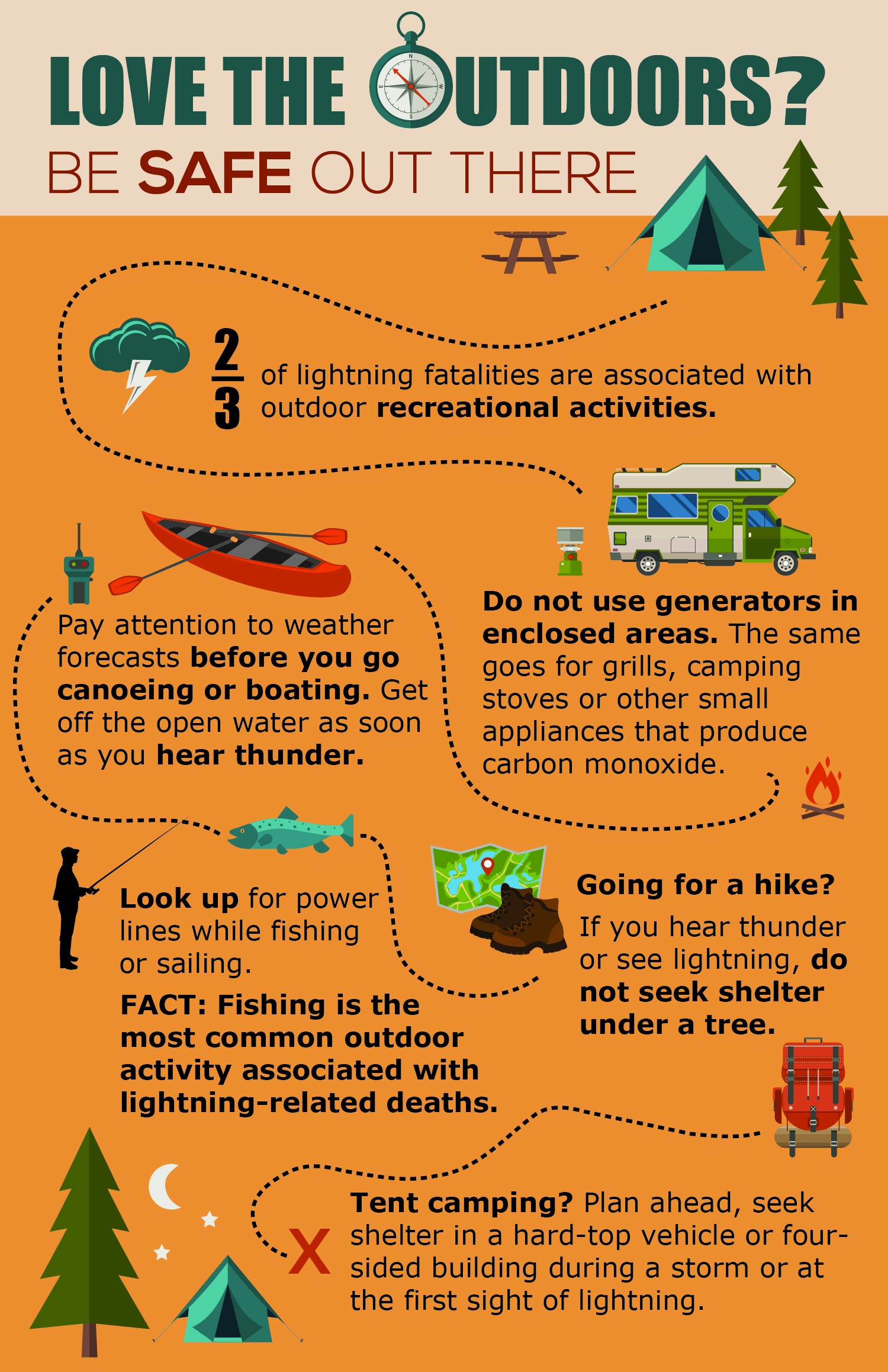
Credit: membersfirst.coop
Frequently Asked Questions
How To Safely Use A Camp Stove?
Place the camp stove on a stable, flat surface away from tents. Use only manufacturer-approved windscreens. Avoid overloading with heavy pots. Never leave the stove unattended. Ensure proper ventilation to prevent carbon monoxide buildup.
How To Avoid Carbon Monoxide Poisoning While Camping?
Never use fuel-burning appliances inside tents or enclosed spaces. Always cook outside with good ventilation. Keep generators far from sleeping areas. Use carbon monoxide detectors in campers or RVs. Follow all manufacturer safety guidelines for stoves and heaters.
What Are Some Common Camping Stove Problems?
Common camping stove problems include clogged burner ports, weak or uneven flames, ignition failure, fuel leaks, and overheating from improper pot size.
How To Avoid Butane Explosion?
Ensure proper ventilation and keep the stove away from tents or enclosed spaces. Use recommended pot sizes and manufacturer windscreens. Avoid overheating the gas canister and never leave the stove unattended. Regularly check for leaks and release the spring lock when not in use to prevent gas leaks.
Conclusion
Camping stoves make outdoor cooking easy and fun. Always keep your stove on a flat, stable surface. Never use it inside tents or enclosed spaces. Check for leaks before lighting the stove. Use the right size pots and pans to avoid accidents.
Keep children and pets away while cooking. Turn off the stove when not in use. Clean the stove regularly to prevent clogs and uneven flames. Following these simple safety tips helps you enjoy camping safely and stress-free. Stay alert and cook smart for a great outdoor experience.
I am an outdoor enthusiast and gear researcher passionate about camping, hiking, backpacking, and outdoor adventures. I enjoy testing gear, comparing products, and sharing practical advice to help readers make informed decisions. At BestOutsideGear, I create honest gear reviews, buying guides, and outdoor tips to help adventurers choose the right equipment with confidence.