How to Use Climbing Shoes | A Beginner’s Guide for Best Fit
If you’re ready to take your climbing skills to the next level, knowing how to use climbing shoes properly is key. These special shoes aren’t just about looking the part—they’re designed to give you better grip, precision, and control on the wall.
But putting them on wrong or choosing the wrong fit can hold you back or even cause discomfort. In this guide, you’ll learn exactly how to wear your climbing shoes the right way, so you feel confident and comfortable with every step you take up the rock.
Keep reading, and soon you’ll be climbing smarter, not harder.

Credit: www.reddit.com
Choosing The Right Climbing Shoes
Choosing the right climbing shoes is important for both safety and success. Shoes that fit well improve your grip and control. They also keep your feet comfortable during climbs. Understanding the different shoe types and how to pick the right size helps you climb better.
Types Of Climbing Shoes
There are three main types of climbing shoes: neutral, moderate, and aggressive. Neutral shoes have a relaxed shape and are best for beginners. Moderate shoes offer a balance of comfort and performance for all-round climbing. Aggressive shoes curve downward for steep climbs and precise foot placements. Pick the type that suits your climbing style and experience.
Sizing For Comfort And Performance
Climbing shoes should fit snugly without pain. Your toes should touch the front but not be curled tightly. A good fit means no extra space inside the shoe. Shoes that are too loose can cause slipping. Shoes too tight can hurt your feet and reduce stamina. Try shoes on with thin climbing socks or barefoot for the best fit.
Material And Closure Options
Shoes come in leather or synthetic materials. Leather shoes stretch over time for a custom fit. Synthetic shoes keep their shape but may feel stiff at first. Closure options include laces, Velcro straps, and slip-ons. Laces allow precise adjustment for fit. Velcro straps offer quick on and off. Slip-ons are light and simple but less adjustable.
Putting On Climbing Shoes Correctly
Putting on climbing shoes correctly is essential for comfort and performance. Proper fit helps with balance and grip. It also prevents pain during climbs. Follow these simple steps to put on your climbing shoes right every time.
Securing The Heel And Toes
Start by sliding your foot into the shoe. Make sure your heel fits snugly at the back. A loose heel can cause slipping. Next, check your toes. They should reach the end of the shoe without cramping. Avoid empty space inside the toe box. Proper heel and toe fit gives better control on holds.
Adjusting Straps And Laces
Use the straps or laces to tighten the shoe firmly. Pull them evenly to avoid pressure points. Straps should hold your foot in place but not cut off circulation. Laces allow more precise adjustments for a custom fit. Secure the straps or tie the laces so the shoe feels stable but not painful.
Tips For A Snug Fit
Your climbing shoes should feel tight but not unbearable. A snug fit improves sensitivity on the wall. Try walking a few steps to test comfort. Avoid shoes that cause sharp pain or numbness. Break new shoes in gradually before hard climbs. Remember, a good fit helps your climbing performance.
Mastering Foot Placement
Foot placement is key to climbing well. Good footwork saves energy and boosts control. Your climbing shoes help you stick to tiny holds. Learning to place your feet right makes moves smoother and safer. Focus on how you use your toes, heels, and small holds. This skill improves with practice and attention.
Using Toes For Precision
Use your toes to stand on small edges. Point your toes and push down gently. This gives you more control and balance. Avoid placing your whole foot on a tiny hold. Your toes can feel the shape and grip better. Practice placing your toes quietly without slipping off.
Avoiding Heel Drag
Keep your heels lifted to avoid dragging. Heel drag wastes energy and reduces grip. Dragging heels can slip off holds unexpectedly. Use your heels only when the move needs it. Keep them clean and ready for hooks or rests. Lift your heels to stay balanced and stable.
Techniques For Small Holds
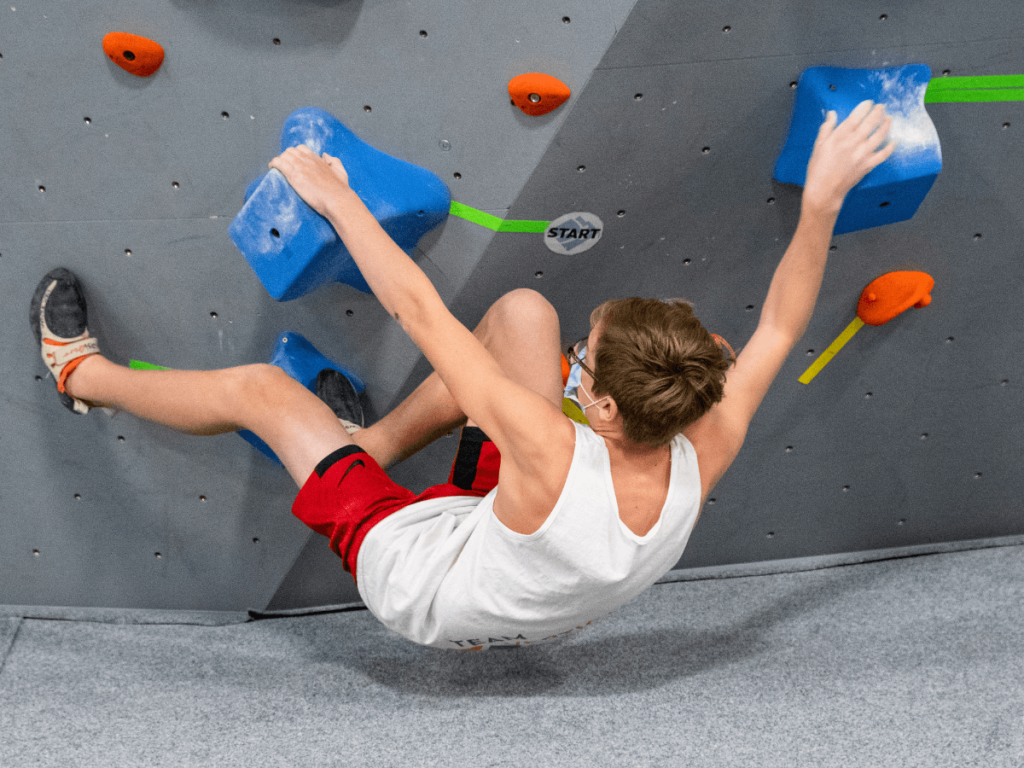
Small holds need careful foot placement. Use the tip of your shoe to stand on tiny edges. Stay relaxed and shift your weight slowly. Avoid stomping or sliding on small holds. Look for the best spot to place your foot. Precision beats power on these tricky grips.
Credit: 5.life
Improving Grip With Your Shoes
Improving your grip with climbing shoes boosts confidence and climbing ability. The right technique helps your shoes hold better on the rock. Good grip means safer moves and less slip risk. Focus on how you use your shoes, not just how they fit. Small adjustments in footwork improve your friction and control. Practice these tips to make the most of your climbing shoes.
Maximizing Friction
Friction is key for grip on rock surfaces. Press your shoe firmly against the hold. Keep your foot active, pushing into the rock, not just resting. Clean your shoe soles regularly to remove dirt. Dirty soles reduce friction and cause slipping. Use rubber that fits the climbing style and surface. Softer rubber grips better but wears faster. Harder rubber lasts longer but grips less. Find the right balance for your needs.
Heel Hooks And Toe Hooks
Heel hooks use the back of your shoe to pull on holds. Position your heel securely on the hold. Engage your calf muscles to keep tension. This move helps with overhangs and tricky angles. Toe hooks use the front of your shoe to pull or stabilize. Wrap your toes around edges or features. Both hooks add stability and reduce arm strain. Practice these techniques on easy climbs first.
Using Edges And Smears
Edges are small ledges where you place the shoe’s edge. Place your foot precisely on these narrow holds. Use the inside or outside edge of your shoe for better grip. Smearing means pressing the shoe’s sole flat against the rock. This works on smooth or slabby surfaces. Keep your foot stiff and trust the rubber’s grip. Both techniques need balance and foot control. Train to feel secure with small foot placements.
Breaking In Your Climbing Shoes
Breaking in your climbing shoes is key to climbing comfort and performance. New climbing shoes often feel stiff and tight. They need some time to mold to your feet. A well-broken-in shoe fits snugly without causing pain. This process helps improve grip and control on the rock or wall. Follow simple steps to soften your shoes and avoid discomfort during climbs.
Methods For Softening Shoes
Wear your climbing shoes around the house for short periods. This helps stretch the material gently. Use a shoe stretcher to expand tight spots carefully. Some climbers soften shoes by wearing them in warm water briefly. Avoid soaking shoes too long or using heat sources. Leather shoes stretch more than synthetic ones. Repeat these steps until the shoe feels flexible and comfortable.
When To Stretch Or Replace
Stretch shoes if they pinch but still support your foot. Use a shoe stretcher or visit a professional for best results. Replace shoes when they lose grip or become too loose. Worn-out soles reduce climbing performance and increase injury risk. Check for holes, tears, or sole separation. Good climbing shoes should provide steady support and grip every climb.
Avoiding Discomfort And Pain
Wear shoes that fit snugly but do not hurt. Avoid shoes that cause blisters or pressure points. Use climbing socks or tape to protect sensitive areas. Take breaks if your feet feel numb or sore. Tight shoes improve control but should not cause sharp pain. Proper break-in reduces discomfort and makes climbing enjoyable.
Maintaining Climbing Shoe Performance
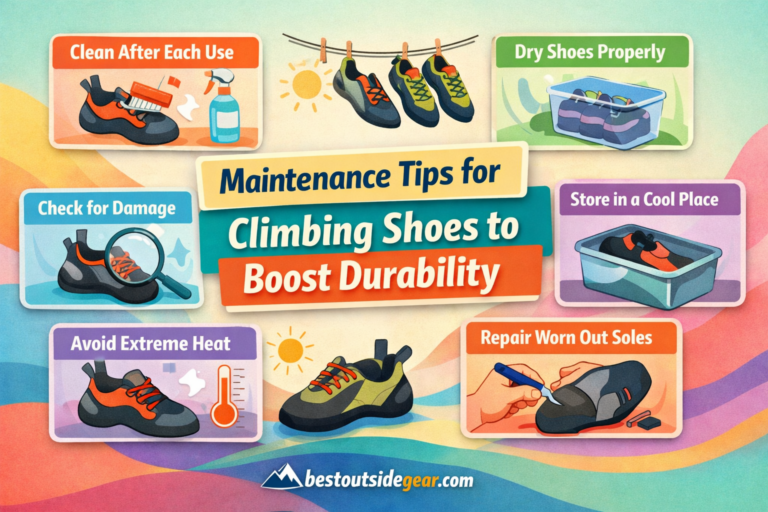
Keeping climbing shoes in top shape helps you climb better and longer. Proper care extends the life of your shoes. It also keeps the fit and grip working well. Small efforts make a big difference.
Check your shoes often for dirt, damage, and wear. Clean shoes perform better on the wall. Fixing small issues early prevents bigger problems. Store shoes right to keep their shape and rubber quality.
Cleaning And Care Tips
Wipe shoes with a damp cloth after climbing. Use mild soap and water for deeper cleaning. Avoid soaking shoes in water or harsh chemicals. Let shoes air dry away from direct heat. Do not put climbing shoes in the washing machine. Clean soles improve grip and reduce odor. Use baking soda inside shoes to fight smell. Rotate shoes if you climb often to let them dry fully.
Resolving And Repairing Shoes
Check the rubber for signs of wear or peeling. Small holes or tears need early repair. Use climbing shoe resoling services for worn rubber. Fix loose straps or broken laces quickly. Glue can reattach small sole lifts. Do not climb with damaged shoes as it risks injury. Regular repairs save money and keep shoes safe. Keep an eye on the toe box and heel for damage.
Storage Recommendations
Store climbing shoes in a cool, dry place. Avoid leaving shoes in hot cars or damp bags. Keep shoes away from direct sunlight to prevent rubber damage. Use a breathable shoe bag or box for storage. Stuff shoes with paper to hold their shape. Avoid crushing shoes under heavy items. Proper storage keeps shoes comfortable and ready to use.
Common Mistakes To Avoid
Using climbing shoes correctly makes a big difference in your climbing comfort and performance. Many climbers make simple errors that can cause pain or reduce their grip on the rock. Avoiding these mistakes helps you climb better and enjoy the experience more. Below are common mistakes to watch out for when using climbing shoes.
Wearing Shoes Too Loose Or Tight
Climbing shoes must fit snugly but not painfully. Shoes that are too loose cause your foot to slide inside. This reduces control and can lead to blisters. Shoes that are too tight cause discomfort and cut off circulation. This makes your feet hurt quickly and lowers endurance. Find a balance where your toes are gently pressed but not crushed.
Using Improper Foot Techniques
Simply wearing climbing shoes is not enough. Proper foot placement matters. Avoid placing your foot flat on holds. Instead, use the edge or tip of the shoe for better grip. Practice techniques like smearing and edging to use your shoes effectively. Poor footwork wastes energy and can make climbing harder.
Ignoring Shoe Condition
Worn-out shoes lose their grip and support. Do not ignore signs like smooth soles, torn uppers, or loose rubber. Old shoes reduce your ability to hold small edges. Check your shoes regularly and replace or resole them before they get too damaged. Maintaining your shoes keeps you safe and improves your climbing.

Credit: www.reddit.com
Frequently Asked Questions
How Do You Wear Climbing Shoes?
Wear climbing shoes by placing all toes at the toe box’s end with no gaps. Ensure a snug heel and secure sides for support. The shoe should fit tightly but not cause extreme pain. This fit improves control and prevents slipping during climbs.
Is Rock Climbing Good For Dyspraxia?
Rock climbing improves coordination, balance, and motor skills, making it beneficial for people with dyspraxia. It also boosts confidence and focus.
Does Rock Climbing Help With Osteoporosis?
Rock climbing increases bone density by applying weight-bearing stress, which helps strengthen bones and may reduce osteoporosis risk.
What Is The 3 Second Rule In Bouldering?
The 3 second rule in bouldering means holding the top hold with both hands steady for three seconds to score a successful climb.
Conclusion
Using climbing shoes correctly improves your grip and comfort. Always ensure a snug fit without pain. Practice wearing them before your climb to avoid surprises. Keep your shoes clean and dry to maintain performance. Remember, proper use helps protect your feet and boosts confidence.
Enjoy your climbing experience safely and effectively.

I am an outdoor enthusiast and gear researcher passionate about camping, hiking, backpacking, and outdoor adventures. I enjoy testing gear, comparing products, and sharing practical advice to help readers make informed decisions. At BestOutsideGear, I create honest gear reviews, buying guides, and outdoor tips to help adventurers choose the right equipment with confidence.