Benefits of Trekking Map: Essential Guide for Safe Adventures
When you set out on a trek, having the right tools can make all the difference between a smooth adventure and a stressful experience. One tool you shouldn’t overlook is a trekking map.
Imagine knowing exactly where you are, what lies ahead, and how to find the best routes without guesswork or getting lost. That’s the power of a trekking map, it gives you confidence, safety, and freedom on the trail. Whether you’re a seasoned hiker or just starting out, understanding the benefits of using a trekking map can transform your outdoor experience.
Keep reading to discover how this simple tool can boost your navigation skills, keep you safe, and even enhance your overall enjoyment of the great outdoors. Your next trek deserves nothing less than a clear path forward.
Importance Of Trekking Maps
Trekking maps are vital for enhancing safety on trails. They help hikers know their exact location and plan routes carefully. With a map, it becomes easier to avoid getting lost, especially in areas with many paths or unclear signs. Maps show landmarks, paths, and water sources that guide trekkers reliably.
These maps also assist in navigating challenging terrain. They display elevation changes, slopes, and rough areas. This helps hikers prepare for hard climbs or descents and choose safer paths. Using a trekking map reduces surprises and makes hiking more enjoyable and secure.

Credit: www.huntermtn.com
Types Of Trekking Maps
Topographic maps show the shape of the land with lines. These lines tell you about hills, valleys, and flat areas. They help hikers find water, good camping spots, and plan their path. You can see how steep a trail is before you start.
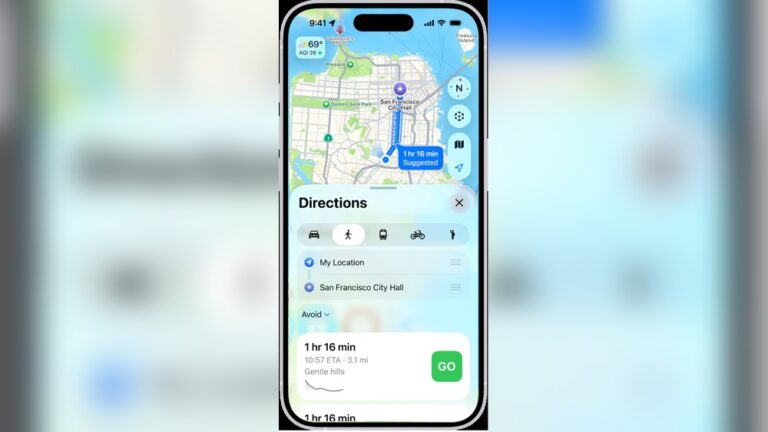
Digital maps and apps work on phones and tablets. They can show your location in real-time. Some apps let you download maps for places without internet. They often have extra info like weather and trail conditions.
Paper maps do not need batteries or signal. They are easy to carry and can be folded small. Paper maps are good backup if your phone dies or loses signal. Many hikers like to use them for safety and practice.
Key Features Of Trekking Maps
Trekking maps show trail routes with clear distances. This helps hikers plan their journey well. Knowing the length of the trail keeps you prepared for the day.
Elevation and terrain details are included too. These show how steep or flat a path is. It helps to know if a trail is easy or tough. You can get ready for hills or rocky spots in advance.
Water sources and campsites are marked on the map. This is useful for finding places to rest and refill water bottles. Having this info keeps you safe and comfortable during your trek.

Credit: www.greenmountainclub.org
Using Maps For Route Planning
Maps help estimate travel time by showing distances and trail types. This allows hikers to plan breaks and avoid rushing. Trails marked on maps show difficulty levels, helping to choose suitable paths based on fitness and experience. Some routes are flat and easy, while others are steep and challenging.
Studying maps helps prepare for weather and terrain changes. Knowing if the trail crosses rivers or climbs high helps pack the right gear. Maps also show shaded areas or open fields, which affect sun exposure and temperature. This preparation keeps hikers safe and comfortable.
Map Reading Skills For Hikers
Contour lines show the shape and height of the land. Close lines mean steep hills. Lines far apart show flat areas. This helps hikers know how hard the trail will be.
Using a compass with a map helps you find direction. Align the compass needle to north on the map. This way, you can see which way to walk. It keeps you from getting lost.
| Landmark | Why It Helps |
|---|---|
| Mountain peaks | Easy to spot from far away for orientation |
| Rivers and lakes | Show water sources and guide the route |
| Roads and trails | Mark paths and safe walking areas |
| Buildings or shelters | Provide rest spots and help locate yourself |
Benefits Of Physical Maps Over Digital
Physical maps do not need batteries, so they work anywhere. This means no worries about dead devices during long treks. They help keep your mind active by making you think about directions and landmarks. This mental engagement improves your navigation skills over time.
In places far from cities, digital maps may not load or update. Physical maps remain reliable even in remote or mountainous areas. They show detailed land shapes like hills and valleys, which helps you plan your route better. Using a physical map gives a strong sense of control and safety while trekking.
Integrating Maps With Technology
GPS devices make trekking safer by showing your exact location. They help track your route and find your way easily. GPS works well with electronic maps for fast updates.
Downloading offline maps ensures you have access even without internet. These maps save important trails and landmarks on your phone or device. They reduce the risk of getting lost in remote areas.
Using both paper and digital maps gives you the best of both worlds. Paper maps do not run out of battery or lose signal. Digital maps offer zoom and location tracking. Carrying both helps you stay prepared.
Improving Safety With Map Skills
Avoiding hazards is easier with good map skills. Maps show dangerous areas like cliffs or rivers. This helps hikers plan safer routes. Knowing how to read a map reduces the chance of getting lost or hurt.
Emergency navigation becomes simpler with a trekking map. If a trail is blocked or weather changes, maps guide you to safe spots. They help find the quickest way back or to help. This knowledge can be lifesaving in tough situations.
Tracking progress on trail keeps hikers confident and motivated. Maps show your location and distance traveled. This helps avoid walking in circles or going off trail. Seeing progress makes the trek more enjoyable and less stressful.
Physical And Mental Benefits Of Trekking
Trekking helps improve fitness and endurance by giving your body a full workout. Walking on uneven paths and climbing hills makes muscles stronger and your heart healthier. This activity builds stamina and improves balance.
Mental focus gets better as you follow a map and watch your steps carefully. Concentrating on where to go trains your brain to stay alert. It also makes you feel calm and less stressed.
Being in nature helps you feel peaceful and happy. Fresh air and green trees can lift your mood. Nature’s beauty connects you to the world around you and gives a sense of freedom.
Credit: www.selfregional.org
Conclusion
Trekking maps make your outdoor trips safer and more enjoyable. They help you plan routes and find important spots easily. Using a map also builds your confidence while exploring new trails. Maps keep you aware of your surroundings and reduce the chance of getting lost.
Carrying a trekking map is a smart choice for every hiker. It improves your navigation skills and lets you focus on the adventure ahead. Always bring a map to make your trekking experience smooth and fun.

I am an outdoor enthusiast and gear researcher passionate about camping, hiking, backpacking, and outdoor adventures. I enjoy testing gear, comparing products, and sharing practical advice to help readers make informed decisions. At BestOutsideGear, I create honest gear reviews, buying guides, and outdoor tips to help adventurers choose the right equipment with confidence.