What Is the Best Suspension System for a Hammock?
If you love relaxing in a hammock, you know how important the right suspension system is. It’s not just about hanging your hammock, it’s about comfort, safety, and making setup quick and easy.
But with so many options out there, how do you choose the best suspension system for your hammock? Whether you want something lightweight for backpacking or a sturdy setup for your backyard, the right suspension can transform your experience. You’ll discover the top suspension systems, what makes each one unique, and how to pick the perfect fit for your needs.
Keep reading to find the hammock suspension that will give you the smoothest ride and the most relaxing hang every time.

Credit: eaglesnestoutfittersinc.com
Types Of Suspension Systems
Choosing the right suspension system for your hammock is key for comfort and safety. Different types offer unique features. Understanding these helps you pick the best fit for your needs. Here are the main types of hammock suspension systems.
Whoopie Slings
Whoopie slings are adjustable and lightweight. They use a loop-to-loop connection. This allows quick length changes without extra hardware. Made from strong rope, they save weight on long trips. Ideal for backpackers and minimalists.
Cinch Buckles
Cinch buckles provide secure and easy adjustments. The strap passes through a buckle that tightens under load. They hold well on most trees or posts. This system is simple to use and durable. Perfect for casual campers and backyard use.
Tree Straps
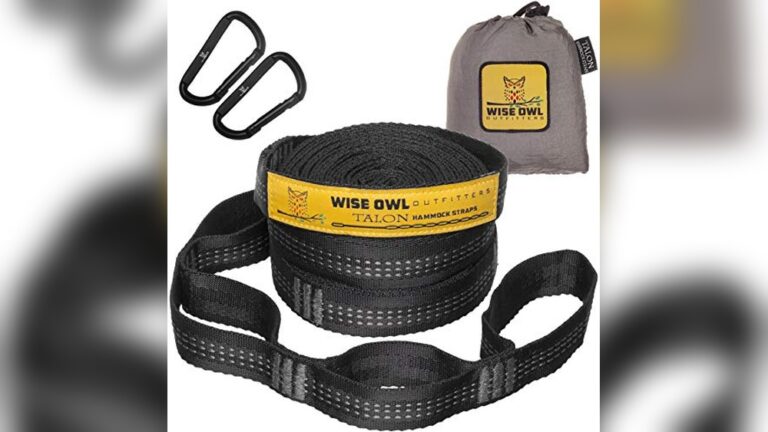
Tree straps protect bark by spreading the load. Usually made from wide, flat webbing. They wrap around tree trunks and fasten with loops or buckles. Tree straps reduce damage and increase grip. A good choice for preserving nature and tree health.
Marlinspike Hitch
The marlinspike hitch is a knot-based suspension method. It uses a short stick or tool to create a secure loop. This method is adjustable but requires some skill to tie correctly. Popular among traditionalists and bushcrafters. It offers strong hold without hardware.
Key Features To Consider
Choosing the right suspension system for your hammock requires attention to several important features. These features affect comfort, safety, and convenience. Understanding them helps you pick a system that suits your needs and environment. Here are the key features to consider.
Weight And Portability
The suspension system should be lightweight. Heavy setups add burden during travel or hiking trips. Compact designs save space in your backpack. Look for systems that fold or roll easily. Portability ensures quick and simple setup anywhere.
Durability And Material
Strong materials resist wear and tear. Nylon and polyester straps handle weight well. Metal components should be rust-resistant, like aluminum or stainless steel. Durable systems last longer and keep you safe. Check for reinforced stitching and solid hardware.
Ease Of Use
Simple suspension systems save time and effort. Look for quick-release buckles or adjustable loops. Clear instructions help avoid mistakes. A user-friendly system lets you set up your hammock faster. This is important when camping or resting briefly.
Adjustability
Adjustable straps let you control hammock height and tension. This improves comfort and stability. Systems with multiple adjustment points fit various tree distances. Fine-tuning your setup prevents sagging or swinging. Adjustable suspensions adapt to different environments.
Comparing Popular Suspension Brands
Choosing the right suspension system can improve your hammock experience. Different brands offer unique features and benefits. Here, we compare some popular hammock suspension brands. This helps you decide which suspension fits your needs and budget.
Superior Hammock Suspension System
The Superior Hammock Suspension System is strong and easy to use. It features durable webbing and heavy-duty buckles. The straps are adjustable for a perfect fit. This system works well with most hammocks. It holds weight securely and resists wear and tear. Many users praise its reliability on rough terrain.
Eno Helios Suspension System
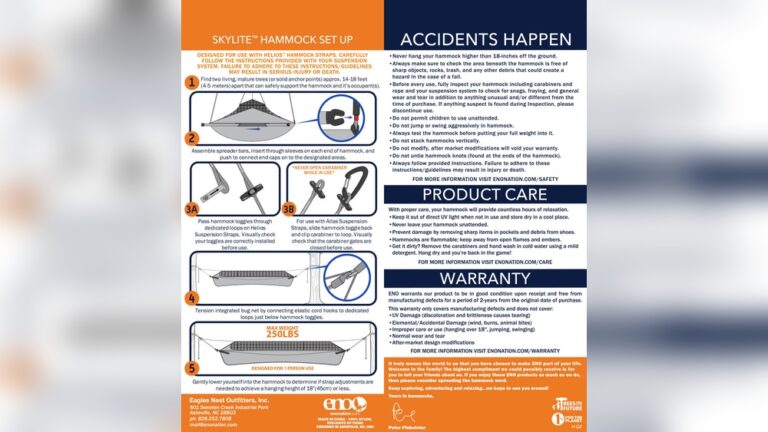
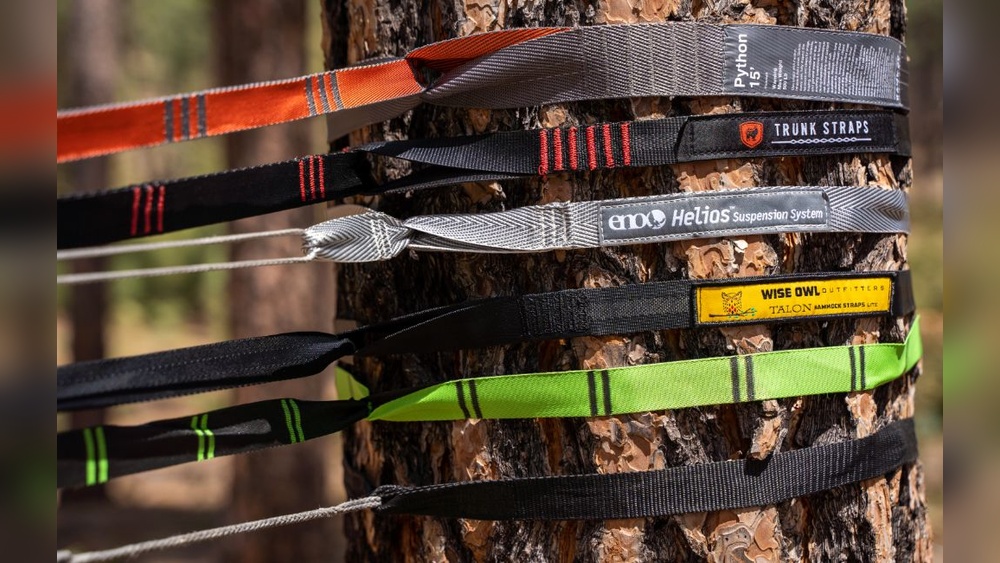
ENO Helios Suspension System uses a simple, lightweight design. It includes tree-friendly straps and a strong carabiner. The straps prevent damage to trees and spread weight evenly. Setup is quick, making it ideal for campers on the go. The system supports a smooth, comfortable hang every time.
Atlas Suspension System
The Atlas Suspension System is versatile and durable. It has heavy-duty straps with multiple loops for easy adjustments. The system allows quick hammock hanging and fine-tuning. Its aluminum carabiners are strong and lightweight. This suspension suits both beginners and experienced hammock users. It offers excellent stability and comfort.
Grand Trunk Trunk Straps
Grand Trunk Trunk Straps are budget-friendly and reliable. The straps are wide and tree-friendly to avoid bark damage. They include sturdy buckles for easy length changes. This suspension system is lightweight and packs small. It works well for casual hammock users and occasional campers. The straps balance strength with simplicity.

Credit: www.greenbelly.co
Installation Techniques
Choosing the right installation technique for your hammock suspension system affects comfort and safety. Proper installation ensures your hammock hangs securely and lasts longer. Various methods suit different needs and locations. Some setups stay in place for months, while others come down easily after use. Each technique offers unique benefits and challenges.
Permanent Installation
Permanent installation involves fixing hardware to trees or posts. This method offers a sturdy and reliable setup. Use strong eye bolts or hooks rated for heavy loads. Drill into solid wood or use tree-friendly straps. Check the stability of posts or trees before attaching. Permanent setups work well in backyards or campsites you visit often.
Temporary Setup
Temporary setups use straps or ropes that wrap around trees or poles. These setups avoid damage to trees and allow quick assembly. Use wide tree straps to protect bark and provide grip. This method suits hikers and campers moving between locations. Remove all gear after use to leave no trace. Temporary setups provide flexibility without permanent changes.
Using Becket Hitch
The Becket hitch is a simple knot for attaching ropes to hammock ends. It creates a secure loop that holds tension well. This knot is easy to tie and untie, perfect for quick setups. It works best with gathered-end hammocks and ropes or whoopie slings. Learning this knot helps adjust hammock length and sag efficiently. Practice tying it before heading outdoors.
Securing With Carabiners
Carabiners connect your hammock to straps or ropes quickly. Use locking carabiners for added safety and to prevent accidental opening. They allow easy adjustment and removal of the hammock. Choose lightweight, strong carabiners rated for at least 5,000 pounds. This method speeds up setup and breakdown times. Carabiners work well with various suspension systems and knots.
Best Sag For Comfort
Finding the best sag for comfort is key to enjoying your hammock. The right sag helps the hammock support your body evenly. It reduces pressure points and keeps your spine aligned. Too tight or too loose sag can cause discomfort. Understanding how to set the perfect sag improves your relaxation and sleep quality.
Ideal Angle And Tension
The ideal suspension angle is about 30 degrees from horizontal. This angle creates a gentle curve in the hammock. It allows your body to rest naturally without strain. Proper tension means the hammock is not too tight or too slack. Tight tension causes stiffness, while slack sag can feel unstable. Aim for a balanced tension to keep comfort high.
Adjusting For Different Trees
Not all trees are the same size or distance apart. Adjust your suspension to fit the trees you use. Use adjustable straps or whoopie slings for easy changes. Taller trees or wider gaps need more sag for proper shape. Shorter trees or closer spacing need less sag. Flexible suspension systems help you adapt quickly to different spots.
Impact On Sleep Quality
The right sag improves how well you sleep in your hammock. It supports your back and reduces tossing and turning. A good sag keeps your body in a natural position all night. Poor sag can cause aches and restless sleep. Setting your hammock with the best sag makes your outdoor rest refreshing and pain-free.
Suspension System Performance
The performance of a hammock suspension system affects your comfort and safety. Choosing the right system means finding balance between smoothness, strength, noise, and weather resistance. These factors shape your overall experience and durability of the setup.
Smoothness Of Ride
A good suspension system offers a smooth, gentle sway. It reduces jerks and sudden movements that disturb rest. Materials like soft webbing or woven straps help create a fluid motion. Avoid rigid or poorly designed systems that cause bouncing or jolts.
Load Capacity
Load capacity is vital for safety and durability. The system must support your weight plus any gear you carry. Look for suspensions rated well above your body weight. Strong hardware and reinforced stitching improve load handling. Never compromise strength for convenience.
Noise Levels
Quiet suspension systems enhance peaceful relaxation. Metal parts often create creaking or clinking sounds. Using nylon or polyester straps lowers noise during movement. Smooth buckles and knots also reduce unwanted sounds. Opt for designs that keep noise to a minimum.
Weather Resistance
Suspension systems face sun, rain, and wind outdoors. UV resistance prevents fading and material breakdown. Water-resistant fabrics avoid mold and rot. Rust-proof hardware resists corrosion in wet conditions. Choose materials built to last in all weather types.
User Recommendations And Reviews
User recommendations and reviews offer real insights into hammock suspension systems. People share their favorite setups and honest feedback. This helps others pick a system that fits their needs and budget. Listening to the community reveals practical tips and common problems users face. It also highlights which systems last long and which do not.
Favorite Systems In The Community
Many users praise the Whoopie Sling for its light weight and easy adjustability. Cinch Buckle systems also receive high marks for quick setup and strong hold. The ENO Atlas Suspension System stands out for durability and ease of use. Garage Grown Gear’s Superior Hammock Suspension is popular for heavy loads and stability. Tree straps with wide bands are favored for protecting trees and offering secure hangs.
Common Issues And Solutions
Users often report strap slippage and difficulty adjusting tension as common problems. To fix slippage, some add rubber grips or use knots to secure straps better. Fraying straps appear after heavy use, so many recommend inspecting and replacing worn parts regularly. A noisy suspension can be silenced by applying silicone spray to buckles. For uneven hangs, adjusting strap length or repositioning anchor points helps achieve balance.
Expert Tips
Experts suggest choosing suspension systems with strong, weather-resistant materials. Look for systems with easy adjusters to save time during setup. Using tree-friendly straps wider than 1 inch helps protect bark and supports weight better. Carry spare carabiners and repair kits for quick fixes in the field. Testing your suspension at home before trips prevents surprises outdoors.
Cost And Value
Choosing the right suspension system for your hammock depends a lot on cost and value. The price ranges can vary widely. This affects what features and durability you can expect. Understanding these differences helps you get the best match for your budget and needs.
Budget-friendly Options
Affordable hammock suspensions often use simple straps and carabiners. These systems cost between $10 and $30. They offer basic support and are easy to set up. Many are made from durable nylon webbing. These options work well for casual use and short trips.
Budget systems may lack advanced adjustability or extra features. Still, they provide good safety and comfort for the price. If you want a no-frills solution that holds strong, these are a smart choice.
Premium Systems
Premium suspension systems cost $40 and up. They include features like quick-adjust buckles and lightweight materials. Some use whoopie slings for fine tuning your hammock’s sag. These systems often come with stronger hardware and better stitching.
Premium options suit serious hammock users or long-term campers. They offer more comfort and reliability. Many models are made from high-strength materials like Dyneema. These last longer and reduce weight for backpacking.
What To Expect For Your Investment
Higher prices usually mean better quality and durability. Premium systems reduce setup time and improve comfort. They also last through many seasons of use. Budget systems serve well but may wear out faster.
Consider how often and where you will use your hammock. Spending more upfront can save money on replacements later. Good suspension protects your hammock and ensures safe hangs. Balance your budget with how much value you want.

Credit: superiorgear.com
Conclusion
Choosing the best suspension system depends on your needs and setup. Whoopie slings offer easy adjustability and lightweight convenience. Tree straps protect trees and provide strong support. Cinch buckles give quick, secure connections. Each system suits different preferences and environments.
Test a few to find what feels right. Comfort, safety, and ease matter most for a relaxing hammock experience. Keep your gear simple and reliable for every adventure.

I am an outdoor enthusiast and gear researcher passionate about camping, hiking, backpacking, and outdoor adventures. I enjoy testing gear, comparing products, and sharing practical advice to help readers make informed decisions. At BestOutsideGear, I create honest gear reviews, buying guides, and outdoor tips to help adventurers choose the right equipment with confidence.