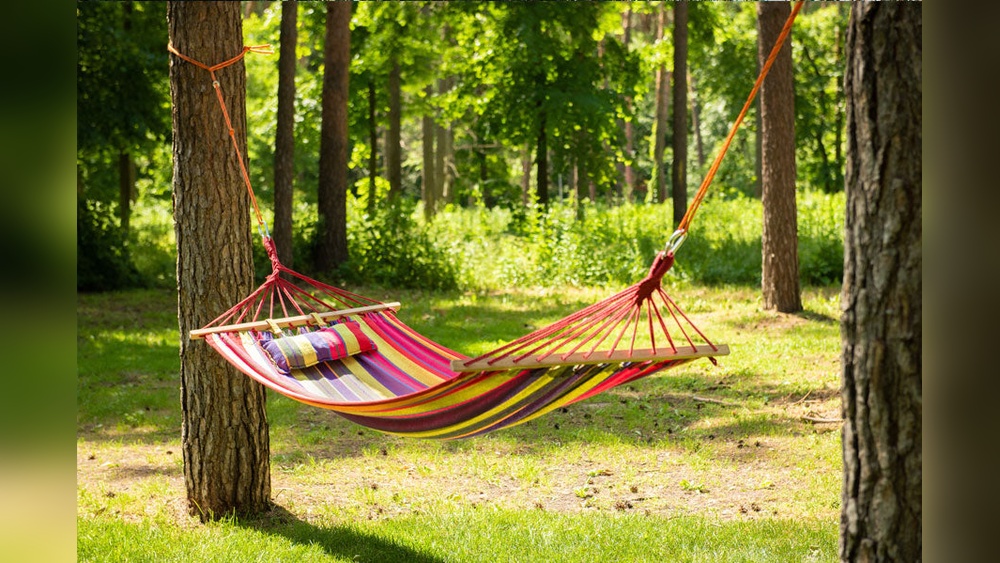
What is Best Distance Between Trees for Hammock Setup?
If you’ve ever tried to hang a hammock and ended up either struggling with sagging or feeling like you’re about to fall, you know how tricky finding the right distance between trees can be. Getting that spacing just right is key to enjoying the perfect, comfy hang every time.
But what exactly is the best distance between trees for your hammock? It’s more than just guessing or stretching it as far as you can. You’ll discover the ideal spacing that ensures your hammock hangs securely, feels comfortable, and makes your outdoor relaxation truly enjoyable.
Keep reading, and you’ll never have to guess again when it comes to setting up your hammock like a pro.
Choosing Trees For Hammock
Choosing the right trees for hanging your hammock is essential for both safety and comfort. Not every tree will support your weight or provide the perfect distance for a relaxing hang. Let’s look at key factors to consider when selecting trees to ensure your hammock setup is both secure and enjoyable.
Ideal Tree Thickness
Look for trees that are at least 6 inches in diameter. This thickness generally supports the weight of one or two people without bending or breaking.
I once tried hanging a hammock on a thinner tree, and it bent dangerously under my weight. That taught me to always check tree thickness before setting up.
Thicker trees provide a stable anchor point and reduce the risk of damage to the tree or your hammock.
Tree Health And Stability
Choose trees that are healthy and firmly rooted. Avoid trees with dead branches, cracked bark, or signs of disease.
Have you ever seen a tree sway heavily in the wind? Such instability can make your hammock unsafe and uncomfortable.
Always test by gently shaking the tree before hanging your hammock to confirm it won’t move excessively or fall.
Best Tree Species
Hardwood trees like oak, maple, and hickory are excellent choices. They have strong wood fibers that can handle the tension from your hammock straps.
Softwoods like pine or cedar may work but tend to be less durable and more prone to damage under weight.
What kind of trees do you have nearby? Knowing your local species helps you pick the best anchors for your hammock adventure.
Measuring Distance Between Trees
Measuring the distance between trees is the first step to hanging a hammock properly. The right distance keeps the hammock comfortable and secure. Knowing how far apart to place your hammock straps helps avoid sagging or overstretching. Careful measurement ensures a relaxing, safe setup every time.
Standard Distance Range
The usual distance between trees for a hammock is 10 to 15 feet. This range fits most hammocks and allows for a good sag. Trees closer than 10 feet might make the hammock too tight. Trees farther than 15 feet can overstretch the hammock and cause discomfort.
Adjusting For Hammock Length
Match the tree distance to your hammock’s length. Longer hammocks need more space between trees. Shorter hammocks require less distance. Measure your hammock first, then find trees that fit that length. Always add a little extra room for straps and knots.
Using A Hammock Hang Calculator
A hammock hang calculator helps find the perfect tree distance. Enter your hammock’s length and strap length in the tool. It suggests the ideal distance and strap height. Using a calculator saves time and reduces guesswork. This ensures a comfortable hang every time.
Setting Up Your Hammock
Setting up your hammock correctly ensures a comfortable and safe rest. Choosing the right distance and height between trees matters. Small adjustments make a big difference in comfort and stability.
Learn how to position your hammock for the best experience. Focus on the strap height, hanging angle, and the golden banana rule. These tips help you hang your hammock perfectly every time.
Proper Strap Height
Attach your straps about 4 to 6 feet above the ground. This height works well for most hammocks and users. Too high makes it hard to get in or out. Too low causes the hammock to sag too much.
Adjust the strap height based on tree size and hammock length. Trees that are farther apart may require higher straps. This helps keep your hammock taut and comfortable.
Correct Hanging Angle
Hang your hammock at a 30-degree angle from horizontal. This angle offers the best balance between comfort and support. Too steep or too flat can cause discomfort or instability.
Use a protractor or an app to check the angle. Adjust the strap height or length to reach the ideal 30-degree hang. This simple step reduces strain on your body.
The Golden Banana Rule
The golden banana rule means your hammock should look like a gentle banana shape. Avoid hanging it too tight or too loose. A slight curve supports your back and hips well.
Check that the lowest point of your hammock is about 18 inches above the ground. This height keeps you safe and easy to enter or exit. The right curve keeps you comfortable for hours.

Credit: www.aosom.com
Troubleshooting Common Issues
Setting up a hammock between trees can sometimes be tricky. Problems often arise from incorrect tree spacing or improper hanging techniques. These issues affect comfort and safety. Knowing how to fix common problems helps you enjoy your hammock more. The following sections explain common troubles and their solutions.
Trees Too Close Or Too Far
When trees are too close, the hammock feels cramped and tight. It can be hard to get in or out. If trees are too far apart, the hammock may sag too much. This makes it uncomfortable and unsafe. The ideal distance usually matches your hammock length plus a little extra. Measure your hammock before choosing trees. Adjust straps to find the right tension and spacing.
Sagging Or Tight Hammock
A sagging hammock hangs too low and can touch the ground. This happens if the tree distance is too wide or straps are loose. Tight hammocks pull too hard on trees and feel uncomfortable. They can also cause damage to the straps or fabric. Adjust the straps so the hammock forms a gentle curve. Aim for a 30-degree angle from the tree to the hammock.
Tree Damage Prevention
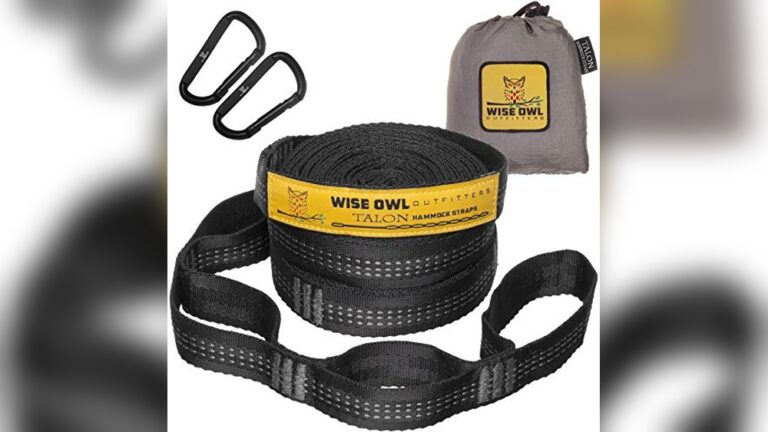
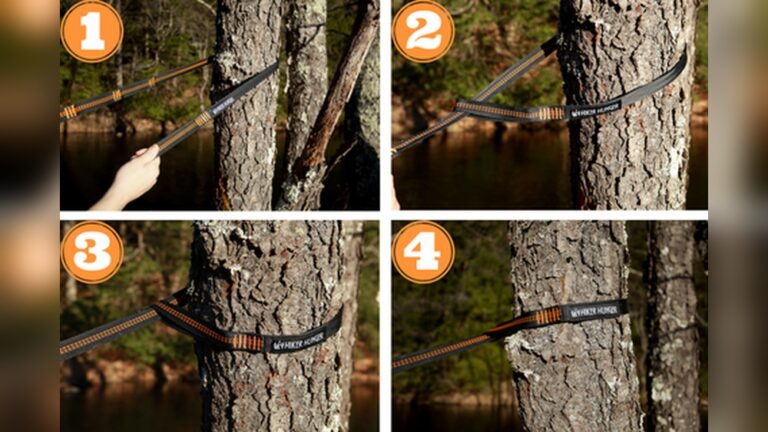
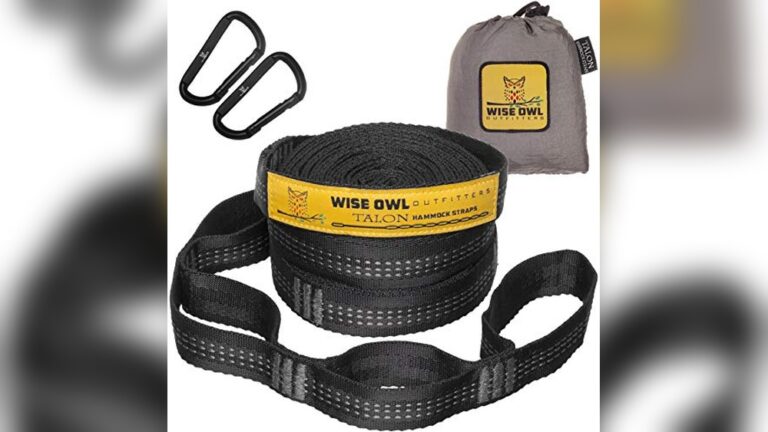
Hanging a hammock can harm tree bark if done incorrectly. Use wide tree straps instead of thin ropes. Wide straps spread the pressure and protect the tree. Avoid nails or screws in trees. Check straps regularly for wear and tear. Choose healthy trees with strong trunks at least 6 inches thick. This keeps trees safe and supports your hammock well.
Alternative Hanging Options
Finding the right place to hang your hammock can be tricky without natural supports. Not every spot has two perfect trees close enough. Alternative hanging options offer flexible solutions. These choices let you enjoy your hammock anywhere, indoors or outdoors. They also help when tree distance is too wide or trees are missing.
Using Hammock Posts
Hammock posts are sturdy poles designed to hold your hammock. Install posts at the right distance for your hammock size. Posts provide a reliable, stable frame. You can place them in your yard or garden. Choose treated wood or metal posts for durability. This option works well if trees are too far apart or weak.
Indoor Hammock Setup
Indoor setups bring hammock comfort inside your home. Use strong ceiling hooks or wall mounts to hang your hammock. Make sure anchors are secure to hold your weight safely. This setup saves space and adds cozy charm to any room. It also protects your hammock from weather damage. Indoor hammocks are perfect for relaxing or reading.
Portable Hammock Stands
Portable hammock stands provide great freedom and mobility. These stands come in various sizes and materials like steel or aluminum. They support your hammock without needing trees or posts. Portable stands are easy to assemble and move. Ideal for camping, patios, or travel. You can set up your hammock anywhere, anytime.
Credit: www.hammockuniverse.com
Safety Tips For Hammock Use
Using a hammock offers great comfort outdoors. Safety should always come first. Follow these tips to enjoy your hammock worry-free. Proper use prevents accidents and protects nature.
Weight Limits
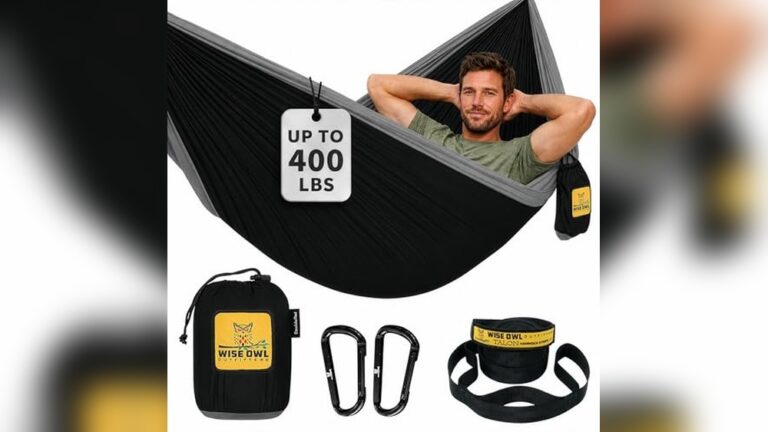
Check the hammock’s weight limit before use. Exceeding it can cause the hammock to break. Always consider the combined weight of users and gear. Choose a hammock designed for your needs. This reduces risk of injury and damage.
Avoiding Falls
Securely fasten your hammock to strong trees or supports. Make sure straps or ropes are tight and stable. Avoid sharp or slippery surfaces under the hammock. Sit down slowly and balance your weight evenly. Keep a low height to reduce injury from falls.
Environmental Considerations
Use tree-friendly straps to protect bark and tree health. Avoid wrapping ropes directly around trees. Select trees that are healthy and strong enough to hold weight. Respect local regulations about tree use. Leave no trace by cleaning up after use.

Credit: www.simplyhammocks.co.uk
Conclusion
Finding the best distance between trees makes hammock hanging easier. Usually, trees 10 to 15 feet apart work well for most hammocks. Too close, and the hammock may sag too much. Too far, and it might stretch or not fit.
Adjust the height of your straps based on the tree distance. Try a few setups to find what feels most comfortable. Enjoy relaxing safely with the right space between trees. Simple steps lead to the perfect hammock experience outdoors.

I am an outdoor enthusiast and gear researcher passionate about camping, hiking, backpacking, and outdoor adventures. I enjoy testing gear, comparing products, and sharing practical advice to help readers make informed decisions. At BestOutsideGear, I create honest gear reviews, buying guides, and outdoor tips to help adventurers choose the right equipment with confidence.