Are Waterproof Cases Bad for Your Phone? The Truth
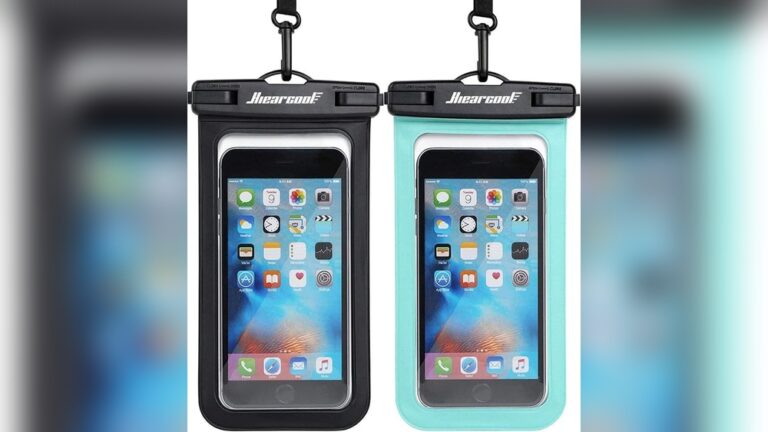
Many people use waterproof phone cases to protect their devices from water damage. This is a smart move, as even a small amount of water can ruin a smartphone. But are these protective cases actually bad for your phone? While they offer great protection against spills and dunks, they can also introduce some problems. Let’s explore the good and the bad of using waterproof cases.
The Allure Of Waterproof Protection
The primary reason people buy waterproof phone cases is simple: to prevent water damage. Smartphones are expensive, and a single drop in a pool, toilet, or a sudden downpour can render them useless. The market for waterproof cases has exploded because of this fear. These cases promise peace of mind, allowing users to take their phones to the beach, the swimming pool, or even on boat trips without constant worry.
Modern smartphones are not immune to water. While some high-end phones have a degree of water resistance (often rated with an IP rating), this protection is not foolproof. It’s designed to withstand splashes or brief submersion in shallow water, not prolonged exposure or high-pressure jets. A dedicated waterproof case aims to provide a much higher level of defense. These cases typically feature sealed ports, reinforced edges, and robust materials to create a barrier against liquids.
Potential Downsides Of Waterproof Cases
Despite their protective benefits, waterproof cases aren’t without their drawbacks. Some of these can affect your phone’s performance, usability, and even its long-term health.
Overheating Issues
One of the most significant concerns with many waterproof phone cases is their potential to cause your phone to overheat. Phones generate heat during normal operation, especially when running demanding apps, playing games, or recording video. This heat needs to dissipate to prevent damage to internal components.
Most waterproof cases are made from thick plastic or rubber materials that act as insulators. This insulation traps heat inside, preventing it from escaping through the phone’s body. If you use your phone extensively while it’s in a waterproof case, especially in warm environments or direct sunlight, the trapped heat can build up to dangerous levels.
Pro Tip: If your phone feels unusually hot when in its waterproof case, remove the case immediately and let the phone cool down. Prolonged overheating can lead to performance throttling, battery degradation, and permanent damage to sensitive electronics.
Why Does Overheating Matter So Much?
- Battery Degradation: High temperatures significantly shorten the lifespan of your phone’s battery. A battery exposed to heat repeatedly will hold less charge over time and may eventually fail.
- Performance Throttling: To protect itself from damage, your phone’s processor will slow down when it gets too hot. This means your apps will run slower, games will lag, and the overall user experience will suffer.
- Component Damage: In extreme cases, excessive heat can damage other internal components, leading to costly repairs or even making the phone irreparable.
Studies by companies like Battery University have shown that leaving a battery at 25°C (77°F) is ideal, while higher temperatures accelerate aging. For example, charging a battery at 60°C (140°F) can drastically reduce its useful life. While a phone in a case won’t reach these extreme temperatures just by sitting there, sustained operation in a poorly ventilated, insulated case can push it towards problematic heat levels, especially during summer months or while charging.
Reduced Touchscreen Sensitivity
Another common complaint about waterproof phone cases is that they can interfere with touchscreen responsiveness. To maintain their waterproof seal, these cases often have a built-in screen protector or a thick layer of plastic covering the display. This layer, while protecting the screen from water, can also create a barrier between your finger and the actual display.
This can lead to:
- Laggy Input: You might find yourself pressing harder or swiping multiple times for your phone to register your touch.
- Inaccurate Touches: The phone might register touches in the wrong place, leading to accidental taps or incorrect commands.
- Difficulty with Gestures: Swiping gestures, like pulling down the notification shade or switching between apps, can become frustratingly difficult.
This issue is particularly noticeable with capacitive touchscreens, which rely on the electrical properties of your skin to register touch. A thick layer of plastic can dampen these signals. While some higher-quality cases use very thin, responsive plastic, it’s still a compromise compared to touching the screen directly.
Muffled Audio Quality
Sound is another casualty of many waterproof phone cases. To keep water out, manufacturers often seal the speaker and microphone ports. This can significantly muffle the sound coming from your phone’s speakers, making music sound tinny and calls harder to hear. Similarly, the microphone can be muffled, making your voice sound distant or unclear to the person on the other end of a call.
Some cases try to mitigate this by using special membranes or grilles that allow air and sound to pass through while blocking water. However, these are often imperfect solutions, and there’s usually a noticeable reduction in audio quality compared to using the phone without a case.
Bulk And Weight
Waterproof cases are typically thicker and heavier than standard protective cases. This is necessary to accommodate the sealing mechanisms and robust materials required to achieve a waterproof rating. This added bulk can make your phone feel cumbersome and less comfortable to hold, especially for extended periods.
It can also make it difficult to fit your phone into pockets or small bags.
The added weight, while not usually a major issue, can contribute to fatigue when holding the phone for long durations, like during extended gaming sessions or video calls.
Difficulty With Ports And Buttons
The seals and reinforced designs of waterproof phone cases can sometimes make it difficult to access and use your phone’s ports and buttons. Charging cables might not fit snugly into the sealed charging port, and the buttons on the side of your phone might feel mushy or require more force to press. This can be a minor annoyance, but it adds to the overall usability challenges of these cases.
False Sense Of Security
Perhaps one of the most insidious downsides is the false sense of security that a waterproof case can provide. Users might become overly confident, believing their phone is invincible to water. This can lead to riskier behavior, such as deliberately submerging the phone in water for extended periods or using it in harsh aquatic environments where even a high-rated waterproof case might fail.
It’s crucial to remember that no case is 100% waterproof forever. Seals can degrade over time, accidental damage can compromise the case’s integrity, and user error is always a possibility. Relying solely on a waterproof case without exercising caution can lead to disaster.
When Are Waterproof Cases A Good Idea?
Despite the potential downsides, there are specific situations where a waterproof phone case is an excellent investment.
Extreme Water Exposure Scenarios
If your lifestyle or job frequently exposes your phone to significant water risks, a waterproof case is almost a necessity. This includes:
- Water Sports: Kayaking, paddleboarding, jet skiing, surfing, and swimming where the phone is likely to get wet or submerged.
- Boating and Fishing: Being on or near water for extended periods increases the risk of accidental drops or splashes.
- Construction or Outdoor Work: Jobsites can be dusty, muddy, and prone to rain, making a waterproof case essential.
- Travel to Humid or Rainy Climates: If you’re visiting a tropical region or a place known for heavy rainfall, a waterproof case offers peace of mind.
- Parents of Young Children: Toddlers and babies have a knack for dropping things, especially into water sources like bathtubs or sinks.
Protecting Against Accidental Dips
Even if you’re not actively participating in water sports, life happens. A waterproof phone case can save your phone from:
- The Dreaded Toilet Drop: A common and embarrassing accident.
- Spilled Drinks: Coffee, soda, or water knocked over at a desk or table.
- Rainy Day Mishaps: A sudden downpour while you’re out and about.
- Kitchen Counter Disasters: Dropping your phone while cooking or cleaning.
In these common scenarios, the protection offered by a good waterproof case can be invaluable, preventing costly repairs or replacements.
Alternatives To Full Waterproof Cases
If the downsides of full waterproof cases seem too significant for your needs, there are alternatives that offer a good balance of protection and usability.
Water-resistant Cases
These cases offer a good level of protection against splashes, rain, and light moisture but are not designed for submersion. They are often less bulky than fully waterproof cases and usually don’t impede touchscreen sensitivity or audio quality as much.
Standard Protective Cases With Raised Edges
For everyday use, a good quality protective case with raised edges around the screen and camera can offer sufficient defense against minor drops and scratches. While these won’t protect against submersion, they are lightweight, maintain good usability, and come in a vast array of styles.
Investing In A Water-resistant Phone
Many modern smartphones come with an IP rating (Ingress Protection) for water and dust resistance. For example, an IP68 rating means the phone can withstand submersion in up to 1.5 meters of water for 30 minutes. While this is not a substitute for a waterproof case in extreme situations, it provides a significant level of protection for everyday accidents. Always check your phone’s specific IP rating and its limitations. A reputable source like the International Electrotechnical Commission (IEC) provides detailed information on IP ratings.
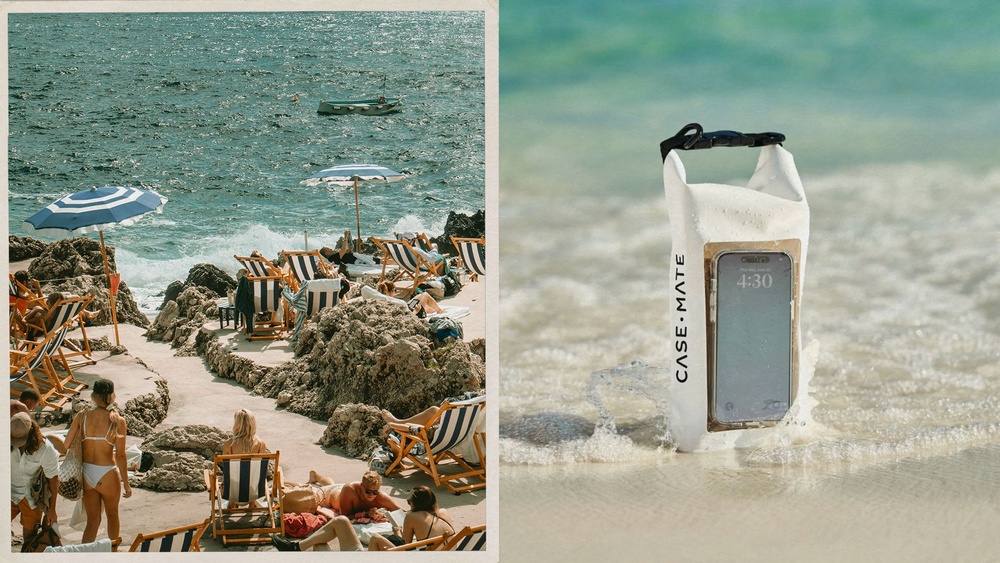
Dry Bags
For specific events like a beach day or a boat trip where you need to keep your phone completely dry but don’t want to use a case for its entire duration, a waterproof dry bag is an excellent option. These pouches are highly effective at keeping water out and are often large enough to hold a phone, wallet, and keys. You can usually still operate the touchscreen through the clear plastic of the dry bag.

Credit: www.aquaplanetsports.com
Choosing The Right Waterproof Case
If you decide that a waterproof case is the right choice for you, selecting a quality product is crucial. Not all waterproof cases are created equal.
Look For Reputable Brands And Certifications
Stick to well-known brands that have a good reputation for quality and durability. Some cases may also come with third-party certifications, such as an IP rating for the case itself, indicating it has been tested to meet specific standards for water and dust resistance.
Check The Sealing Mechanism
Examine how the case seals. Does it have a robust latching system? Are there rubber gaskets or O-rings that appear to create a tight seal? A poorly designed seal is the most common point of failure for waterproof cases.
Read Reviews
Before purchasing, read reviews from other users. Pay attention to comments about water leaks, touchscreen issues, audio quality, and overheating. Real-world experiences can provide valuable insights.
Test The Case Before Use
This is a critical step that many people skip. Before putting your expensive phone inside, test the empty case for leaks.
- Close the case according to the manufacturer’s instructions.
- Submerge it in water (e.g., a sink or bucket) for a period longer than you expect to use it (e.g., 30 minutes).
- Dry the outside thoroughly.
- Open the case carefully and check for any signs of moisture inside.
If you find any water, the case is faulty, and you should return it immediately.
Maintaining Your Waterproof Case
Even the best waterproof case needs proper care to remain effective.
Regular Inspection
Periodically inspect the case for any signs of wear and tear. Check the rubber seals, latches, and any plastic components for cracks, tears, or warping. Any damage can compromise the waterproof integrity.
Cleaning
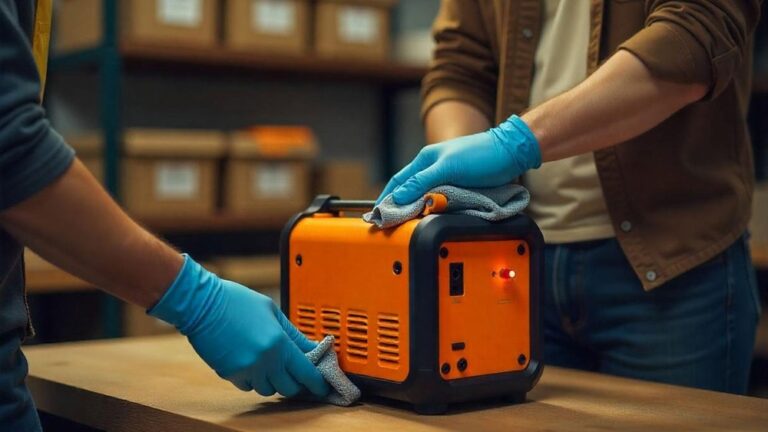
Clean the case regularly with mild soap and water. Ensure you rinse it thoroughly to remove any soap residue. Pay special attention to cleaning the seals and any ports to ensure they are free of debris that could prevent a proper seal.
After cleaning, dry the case completely before storing it or putting your phone back in.
Proper Storage
When not in use, store the case in a cool, dry place away from direct sunlight. Prolonged exposure to UV rays can degrade the plastic and rubber components over time.

Credit: www.cntraveler.com
The Verdict: Are Waterproof Cases Bad For Your Phone?
Waterproof cases are not inherently “bad” for your phone, but they do come with trade-offs. They offer excellent protection against water damage, which can be invaluable in many situations. However, they can also contribute to overheating, muffled audio, reduced touchscreen sensitivity, and increased bulk.
The decision to use a waterproof case depends entirely on your needs and lifestyle. If you frequently engage in activities where your phone is at high risk of water exposure, the benefits likely outweigh the drawbacks. In such cases, choosing a high-quality case and testing it properly is essential.
If your daily routine involves minimal risk of water damage, a standard protective case or relying on your phone’s built-in water resistance might be a better option. For occasional high-risk situations, a temporary solution like a dry bag could suffice.
Ultimately, understanding the pros and cons allows you to make an informed decision that best protects your valuable smartphone without compromising its usability or longevity unnecessarily.
Frequently Asked Questions
What Is An Ip Rating, And How Does It Relate To Waterproof Cases?
An IP rating, or Ingress Protection rating, is a standard used to classify the degree of protection provided by enclosures (like phone cases or the phones themselves) against intrusion from solid objects (like dust) and liquids (like water). The rating consists of two digits.
The first digit indicates protection against solids, and the second indicates protection against liquids. For example, IP68 means the device is dust-tight (the highest level for solids) and protected against continuous immersion in water under conditions specified by the manufacturer (usually deeper and longer than IP67).
Many waterproof cases aim to achieve or exceed an IP68 rating for the entire phone-case system.
Can I Use My Phone’s Touchscreen Underwater With A Waterproof Case?
Generally, touchscreens do not work reliably underwater, even with a waterproof case. The water itself can interfere with the capacitive touch technology, causing erratic behavior or registering touches that aren’t intended. While some waterproof cases might allow for limited interaction, it’s usually not a seamless experience. It’s best to operate your phone above the water surface or use physical buttons if available for functions like taking photos underwater.
How Often Should I Test My Waterproof Case For Leaks?
It is highly recommended to test your waterproof case for leaks before every significant water-based activity or at least once every few months if it’s in regular use. Seals can degrade over time due to wear, exposure to elements, or minor damage. A quick submersion test of the empty case (as described in the article) can save you from potential disaster and give you confidence in its protective capabilities.
Will A Waterproof Case Void My Phone’s Warranty?
Using a third-party waterproof case typically does not void your phone’s manufacturer warranty. However, if the case fails and water

I am an outdoor enthusiast and gear researcher passionate about camping, hiking, backpacking, and outdoor adventures. I enjoy testing gear, comparing products, and sharing practical advice to help readers make informed decisions. At BestOutsideGear, I create honest gear reviews, buying guides, and outdoor tips to help adventurers choose the right equipment with confidence.