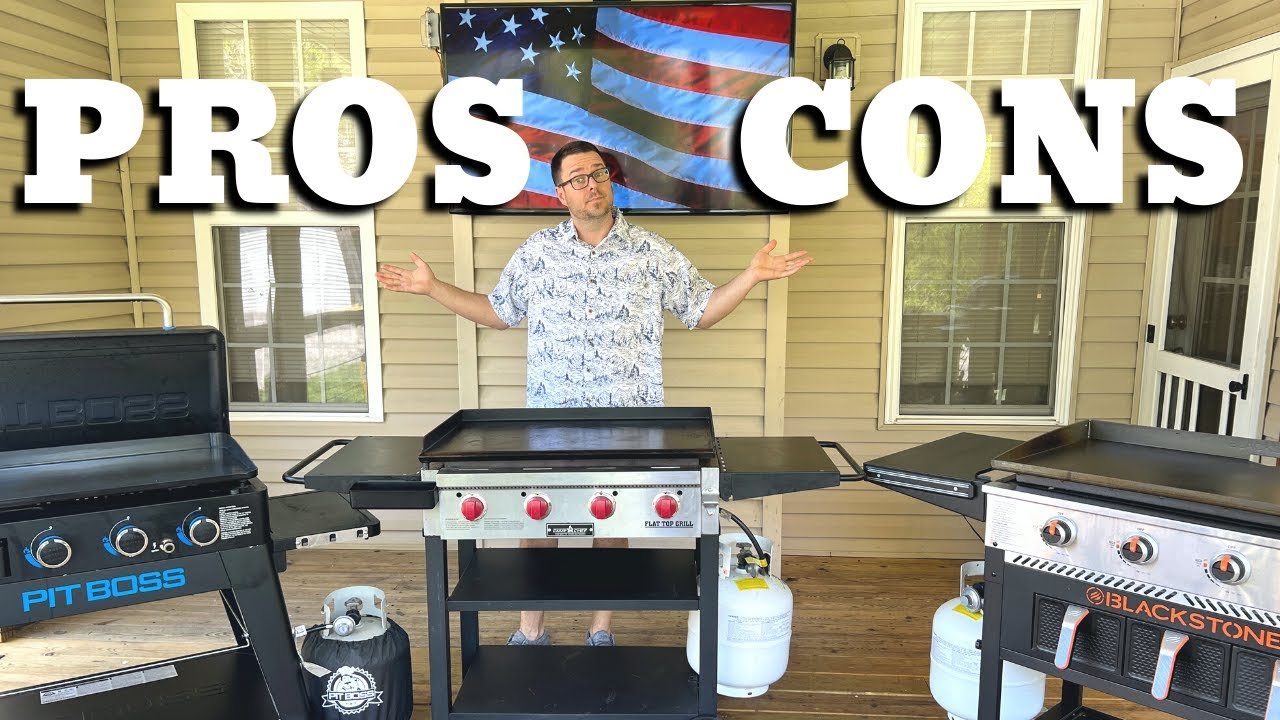
Camp Chef Griddle Pros and Cons: A Balanced Review
Choosing a setup that features camp chef griddle pros and cons is best for outdoor cooks who value even heat distribution and large surfaces. If you need maximum portability for backpacking, a lighter stove or a smaller camping grill will serve you better.
Comparing outdoor cooking surfaces
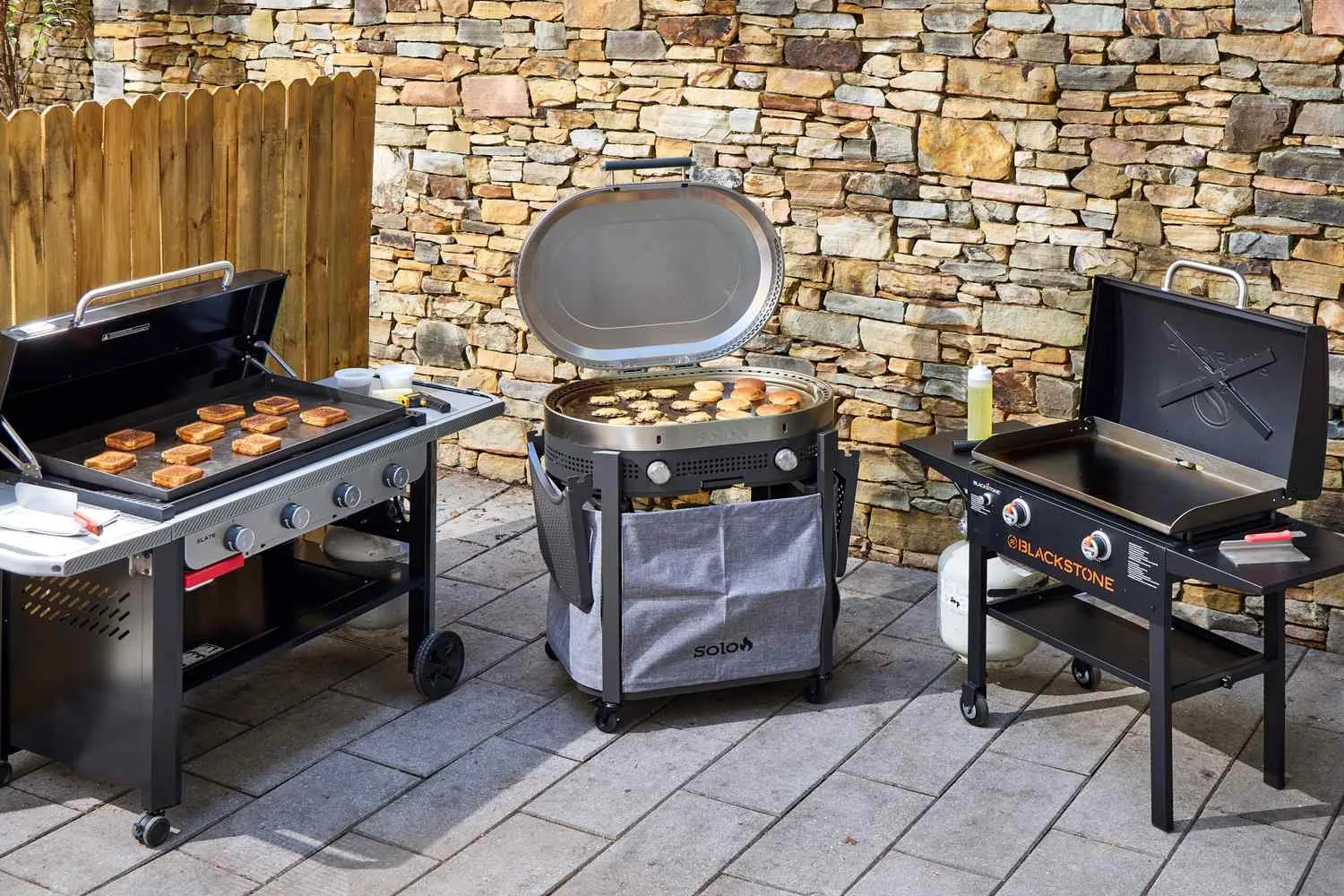
Selecting the right equipment depends on your cooking style and how much weight you can carry. The table below shows how these systems stack up for typical campsite use.
| Method | How long | Effort | Cost | Best for |
|---|---|---|---|---|
| Heavy steel griddle | 15-20 min | High | Medium | Large groups |
| Portable gas stove | 5-10 min | Low | Low | Quick meals |
| Cast iron skillet | 10-15 min | Medium | Low | Single items |
These estimates assume standard fuel output. For high-altitude sites, you should expect longer cook times because the lower atmospheric pressure causes water to boil at a lower temperature.
Using the heavy steel griddle
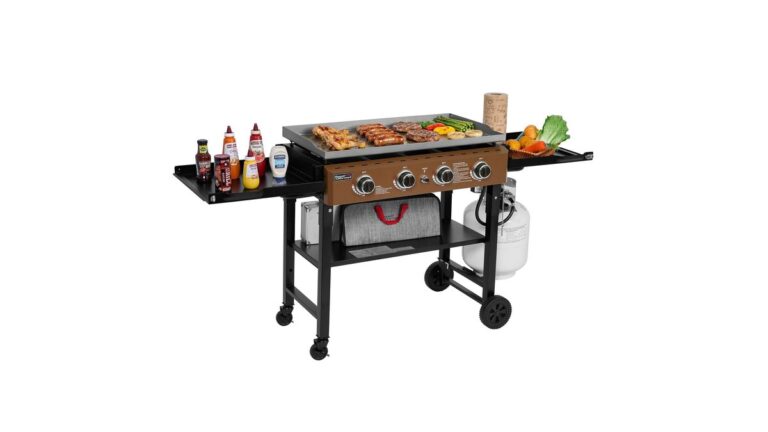
The primary strength of this system is its massive, flat surface that holds heat well. It allows you to cook pancakes, eggs, and bacon simultaneously without needing multiple pans.
- Place the griddle over your burner system and ensure it’s level.
- Turn the heat to medium-low to allow the metal to warm up gradually.
- Apply a thin layer of cooking oil to prevent food from sticking to the surface.
- Clean the surface with a scraper while it’s still warm to remove charred bits.
If you don’t season the steel properly, it will rust quickly. You must check the Camp Chef care instructions to keep your steel in good condition over the years. This equipment is heavy, so it isn’t for hikers who carry their gear on their backs.
Using a portable gas stove
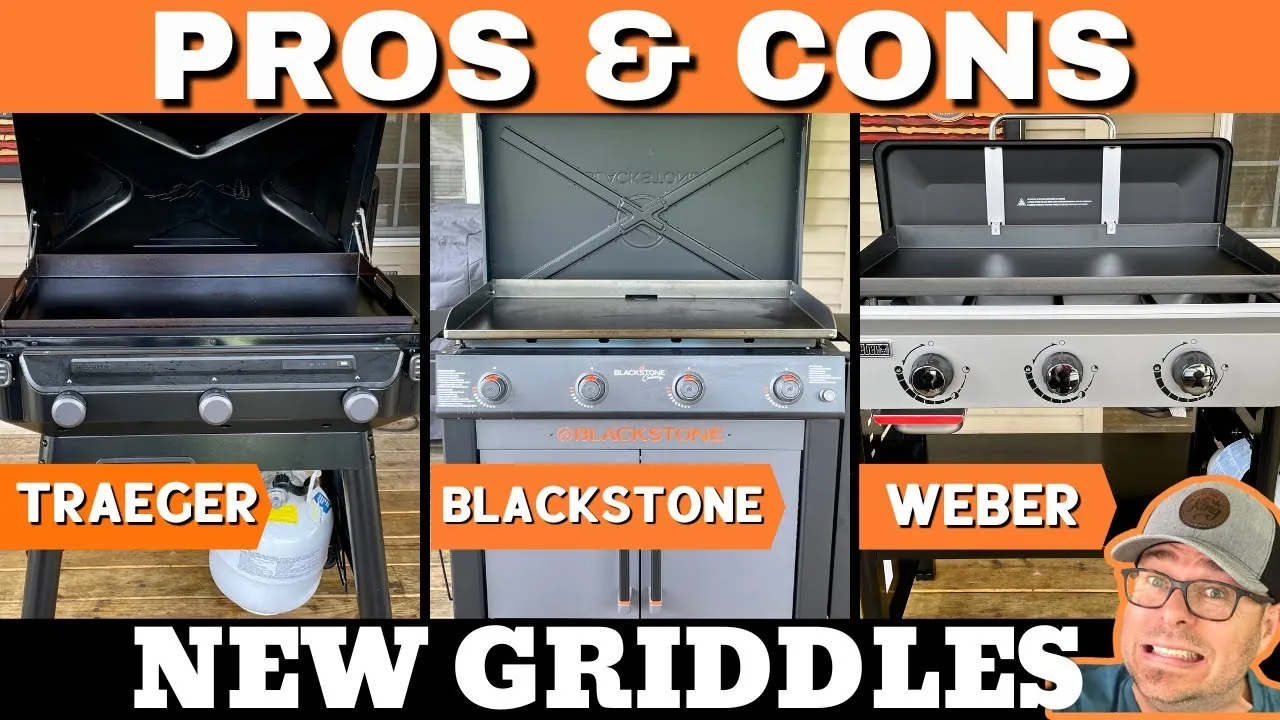
Portable stoves offer convenience for travelers who need to set up and break down their kitchen quickly. They’re lightweight and usually fold into a suitcase-style box.
- Connect your propane canister to the regulator and check the seal.
- Turn the control knobs to the ignition position to light the burners.
- Adjust the flame size based on the type of pot or pan you use.
- Let the stove cool completely before you pack it away in your vehicle.
This method is ideal for quick boiling and simple pan-frying tasks. The downside is that thin burners often create hot spots, which makes it harder to cook delicate foods like crepes or thin-sliced vegetables evenly.
Using a traditional cast iron skillet
Cast iron is a classic choice for those who want a natural non-stick surface that lasts for decades. It’s far more durable than thin aluminum or coated pans.
- Preheat the skillet over your heat source for 5 minutes before adding food.
- Add a small amount of fat or oil to the pan surface.
- Cook your ingredients, moving them occasionally to ensure even browning.
- Wipe the skillet clean and apply a fresh coat of oil after each use.
Skillets are excellent for searing meat and baking cornbread over a fire. However, they’re heavy and require careful maintenance to prevent moisture from causing rust during storage.
Which cooking setup should you use?
The right choice comes down to the trade-off between surface area and transport weight. If you’re in a hurry, a portable gas stove is the winner because it ignites instantly and requires no setup. If you’re doing this for the first time, a cast iron skillet is the best entry point because it’s affordable and nearly impossible to break.
When you want the best possible result regardless of effort, the heavy steel griddle wins because it provides professional-grade heat retention for large batches of food. You should choose the tool that fits your vehicle space rather than your cooking ambition.
Rules for safe outdoor cooking
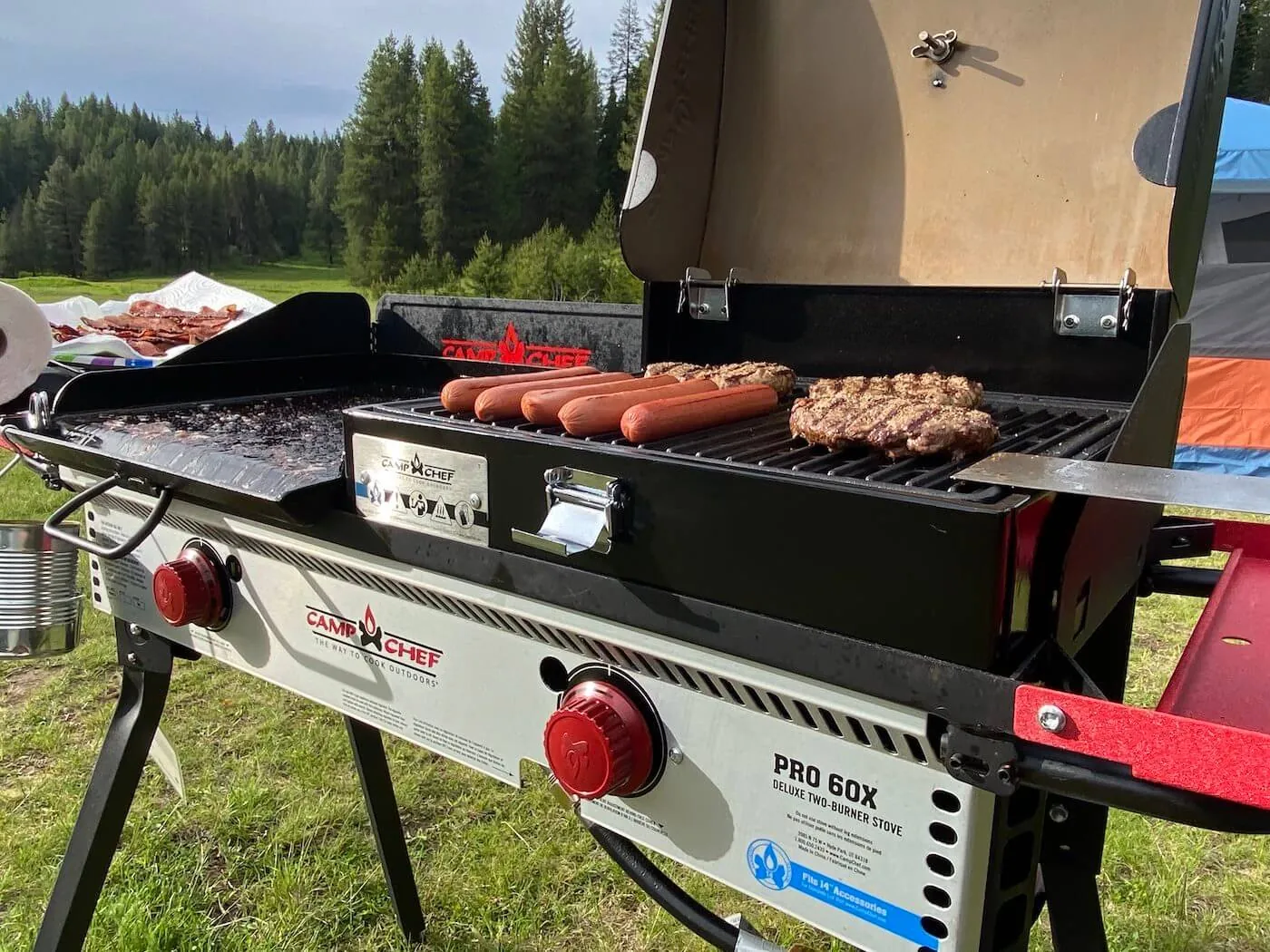
Regardless of your chosen method, you must prioritize safety to avoid accidents. Always keep your cooking setup at least 10 feet away from your tent or any flammable materials. Check your gas hoses for leaks before every trip by using a soapy water solution; if bubbles form, you have a leak and must replace the hose.
Never leave a burning stove unattended, as wind can easily blow debris into the flame or tip over your pots. If you’re unsure about your local fire regulations, check the forestry service website for your specific camping area.
Frequently asked questions
Can I use a camp griddle on a home stove?
Yes, you can use it on most home stoves, but check that the size doesn’t block your ventilation or cover your controls. You should measure your burner layout before buying to ensure the metal sits flat and stable.
How long does a propane tank last?
A standard 1-pound canister usually lasts about 1 to 2 hours on high heat. This assumes you’re using a single-burner stove; if you use a larger two-burner system, your fuel will run out twice as fast.
Is it safe to cook indoors with these?
No, you should never use camping stoves or griddles inside a tent, cabin, or vehicle. These devices produce carbon monoxide, which is a colorless and odorless gas that can reach dangerous levels in small, enclosed spaces.
What happens if the griddle rusts?
You can usually fix surface rust by scrubbing the area with steel wool and re-seasoning the metal. If the rust is deep or pitted, you should contact the manufacturer to see if the metal is still safe to use.
How often should I season the steel?
You should season the surface every time you notice food sticking or if the metal looks dull and grey. A consistent layer of oil protects the steel from humidity and prevents food from burning onto the surface.
How do I clean a heavy griddle?
You should clean it while it’s warm by scraping off food and wiping it with a paper towel. Never submerge a hot steel griddle in cold water, as the rapid temperature change can cause the metal to warp or crack.
Conclusion
Choosing the right cooking gear makes your time in nature much more enjoyable. By matching your equipment to your group size and transport limits, you ensure that you spend less time struggling with your stove and more time eating a great meal.
{“@context”:”https://schema.org”,”@type”:”FAQPage”,”mainEntity”:[{“@type”:”Question”,”name”:”Can I use a camp griddle on a home stove?”,”acceptedAnswer”:{“@type”:”Answer”,”text”:”Yes, you can use it on most home stoves, but check that the size doesn’t block your ventilation or cover your controls. You should measure your burner layout before buying to ensure the metal sits flat and stable.”}},{“@type”:”Question”,”name”:”How long does a propane tank last?”,”acceptedAnswer”:{“@type”:”Answer”,”text”:”A standard 1-pound canister usually lasts about 1 to 2 hours on high heat. This assumes you’re using a single-burner stove; if you use a larger two-burner system, your fuel will run out twice as fast.”}},{“@type”:”Question”,”name”:”Is it safe to cook indoors with these?”,”acceptedAnswer”:{“@type”:”Answer”,”text”:”No, you should never use camping stoves or griddles inside a tent, cabin, or vehicle. These devices produce carbon monoxide , which is a colorless and odorless gas that can reach dangerous levels in small, enclosed spaces.”}},{“@type”:”Question”,”name”:”What happens if the griddle rusts?”,”acceptedAnswer”:{“@type”:”Answer”,”text”:”You can usually fix surface rust by scrubbing the area with steel wool and re-seasoning the metal. If the rust is deep or pitted, you should contact the manufacturer to see if the metal is still safe to use.”}},{“@type”:”Question”,”name”:”How often should I season the steel?”,”acceptedAnswer”:{“@type”:”Answer”,”text”:”You should season the surface every time you notice food sticking or if the metal looks dull and grey. A consistent layer of oil protects the steel from humidity and prevents food from burning onto the surface.”}},{“@type”:”Question”,”name”:”How do I clean a heavy griddle?”,”acceptedAnswer”:{“@type”:”Answer”,”text”:”You should clean it while it’s warm by scraping off food and wiping it with a paper towel. Never submerge a hot steel griddle in cold water, as the rapid temperature change can cause the metal to warp or crack.”}}]}
I am an outdoor enthusiast and gear researcher passionate about camping, hiking, backpacking, and outdoor adventures. I enjoy testing gear, comparing products, and sharing practical advice to help readers make informed decisions. At BestOutsideGear, I create honest gear reviews, buying guides, and outdoor tips to help adventurers choose the right equipment with confidence.