Fix Cuisinart Griddle Problems With These Simple Solutions
You can resolve most cuisinart griddle problems by resetting the power connection or ensuring the removable drip tray is fully seated. These units often fail to heat if the thermostat probe isn’t pushed completely into the socket, which is the most common cause of heating failure.
Troubleshoot Cuisinart griddle power failures

The primary cause for heating issues is a loose connection between the detachable temperature control probe and the grill base. If the probe isn’t fully inserted, the electrical circuit remains open and the heating elements won’t receive power.
Another cause is a tripped GFCI outlet in your kitchen, which happens if the appliance draws too much current or has a minor moisture fault. You should always check the Cuisinart instruction manual for your specific model to see the exact power requirements, as using an extension cord that’s too thin will cause voltage drops and inconsistent heat.
Secure the temperature probe
If your griddle isn’t getting hot, you must first check the connection of the power probe. Ensure the unit is unplugged from the wall, then push the probe firmly into the socket on the side of the grill until it’s flush with the housing.
If the probe feels loose or the metal pins look bent, it needs a replacement part rather than a repair. This fix is for users who have a loose fit; if the probe is damaged, don’t attempt to solder or modify it yourself. Contact the manufacturer directly for a replacement part to ensure you maintain the safety rating of your device.
Clear the grease path
When your griddle smokes excessively or leaks, the grease tray is likely full or misaligned. Remove the drip tray and clean the channel leading from the cooking surface to the tray using a soft plastic scraper. If you use metal tools, you’ll scratch the non-stick coating, which permanently ruins the surface and makes food stick even more.
If the tray is clean but still leaking, check that the unit is sitting on a perfectly level countertop. If the surface is tilted, the grease will pool and spill over the sides instead of flowing into the catch basin.
Test the heating element
For uneven heating, place a piece of bread across the surface and toast it on a medium setting. If you see dark patches in the center and light spots on the edges, the heating element has lost its calibration or has a dead zone. This is common in older units where the internal coil has shifted.
If the unit is under warranty, don’t take the base apart to check the coils yourself, as this voids your coverage. If the unit is out of warranty and you aren’t comfortable with electrical repairs, it’s safer to replace the unit than to attempt internal maintenance.
Avoid common mistakes
- Using abrasive scrubbers ruins the non-stick finish, which leads to burnt-on food and smoke.
- Placing the base in a dishwasher destroys the electrical contacts, leading to permanent unit failure.
- Using high heat settings for thin meats causes warping, which prevents even contact with the griddle.
- Leaving the unit plugged in while cleaning creates a shock risk if water touches the contacts.
Prevent future performance issues
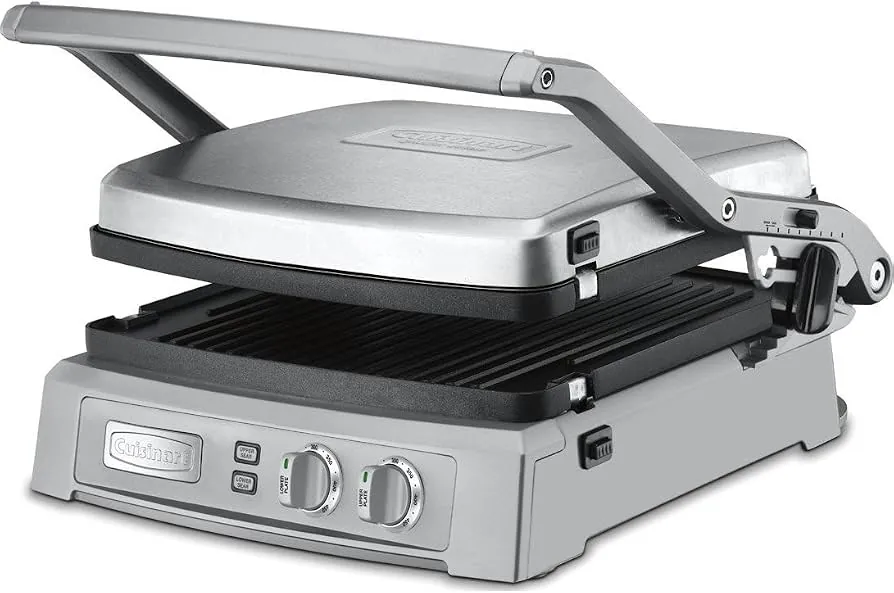
It’s helpful to compare your maintenance habits against these standards to keep the device running for years. If you’re doing this, switch to the recommended method to avoid common breakdowns.
| If you’re doing this | Do this instead | Why |
|---|---|---|
| Scraping with metal | Use silicone tools | Metal ruins non-stick |
| Soaking the base | Wipe with damp cloth | Water shorts the electronics |
| Storing it upright | Store it flat | Prevents element stress |
| Using high heat | Use medium heat | Prevents surface warping |
Related guides
- Best Tent Heaters for Camping | Top Warmth Solutions 2026
- Commercial Outdoor Tents for Parties: Durable, Spacious, and Waterproof Solutions
Frequently asked questions
Can I submerge the griddle base in water?
No, you must never submerge the base because the electrical heating elements and internal wiring aren’t waterproof. Use a damp cloth with mild soap to wipe the surface, then dry it completely before you plug the unit back into a wall outlet.
Why is my griddle smoking so much?
It’s likely smoking because grease has built up on the heating elements or the drip tray is full. Clean the tray after every use and wipe down the underside of the cooking plate to remove any trapped oils that burn during the next cycle.
How long should the griddle take to heat up?
Most models reach the target temperature in 5 to 10 minutes depending on the setting. If it takes longer than 15 minutes to feel hot to the touch, the thermostat probe may be failing or the outlet may not be providing enough consistent power.
Is it safe to use an extension cord?
It’s generally not safe to use an extension cord because the high wattage can cause the cord to overheat. Plug the device directly into a wall outlet to ensure the connection is stable and the power delivery is sufficient for the heating coils.
What happens if the non-stick coating peels?
If the coating peels, the food will stick to the metal and burn, which creates more smoke and makes cleaning very difficult. Once the coating is compromised, you can’t repair it safely and should replace the cooking plate to avoid ingesting small flakes.
How often should I deep clean the unit?
You should clean the surface after every use once the unit has cooled down completely. A deep clean of the drip tray and the exterior housing should happen monthly to prevent the buildup of carbonized grease that can cause persistent odors and smoke.
Conclusion
Proper care depends on how often you cook, but keeping the electrical contacts dry is the most important factor for longevity. If the unit doesn’t respond to a power reset, check your home circuit breaker before assuming the griddle is broken.
{“@context”:”https://schema.org”,”@type”:”FAQPage”,”mainEntity”:[{“@type”:”Question”,”name”:”Can I submerge the griddle base in water?”,”acceptedAnswer”:{“@type”:”Answer”,”text”:”No, you must never submerge the base because the electrical heating elements and internal wiring aren’t waterproof. Use a damp cloth with mild soap to wipe the surface, then dry it completely before you plug the unit back into a wall outlet.”}},{“@type”:”Question”,”name”:”Why is my griddle smoking so much?”,”acceptedAnswer”:{“@type”:”Answer”,”text”:”It’s likely smoking because grease has built up on the heating elements or the drip tray is full. Clean the tray after every use and wipe down the underside of the cooking plate to remove any trapped oils that burn during the next cycle.”}},{“@type”:”Question”,”name”:”How long should the griddle take to heat up?”,”acceptedAnswer”:{“@type”:”Answer”,”text”:”Most models reach the target temperature in 5 to 10 minutes depending on the setting. If it takes longer than 15 minutes to feel hot to the touch, the thermostat probe may be failing or the outlet may not be providing enough consistent power.”}},{“@type”:”Question”,”name”:”Is it safe to use an extension cord?”,”acceptedAnswer”:{“@type”:”Answer”,”text”:”It’s generally not safe to use an extension cord because the high wattage can cause the cord to overheat. Plug the device directly into a wall outlet to ensure the connection is stable and the power delivery is sufficient for the heating coils.”}},{“@type”:”Question”,”name”:”What happens if the non-stick coating peels?”,”acceptedAnswer”:{“@type”:”Answer”,”text”:”If the coating peels, the food will stick to the metal and burn, which creates more smoke and makes cleaning very difficult. Once the coating is compromised, you can’t repair it safely and should replace the cooking plate to avoid ingesting small flakes.”}},{“@type”:”Question”,”name”:”How often should I deep clean the unit?”,”acceptedAnswer”:{“@type”:”Answer”,”text”:”You should clean the surface after every use once the unit has cooled down completely. A deep clean of the drip tray and the exterior housing should happen monthly to prevent the buildup of carbonized grease that can cause persistent odors and smoke.”}}]}
I am an outdoor enthusiast and gear researcher passionate about camping, hiking, backpacking, and outdoor adventures. I enjoy testing gear, comparing products, and sharing practical advice to help readers make informed decisions. At BestOutsideGear, I create honest gear reviews, buying guides, and outdoor tips to help adventurers choose the right equipment with confidence.