Fix Coleman Griddle Problems: Easy Steps for Better Cooking
You can resolve uneven heating or ignition failures with coleman griddle problems by cleaning the burner ports and checking your regulator connection. These issues usually stem from blocked gas flow or a loose hose attachment. If you keep your gear clean and stored properly, you’ll avoid the most common performance frustrations.
Common Coleman griddle gas flow problems
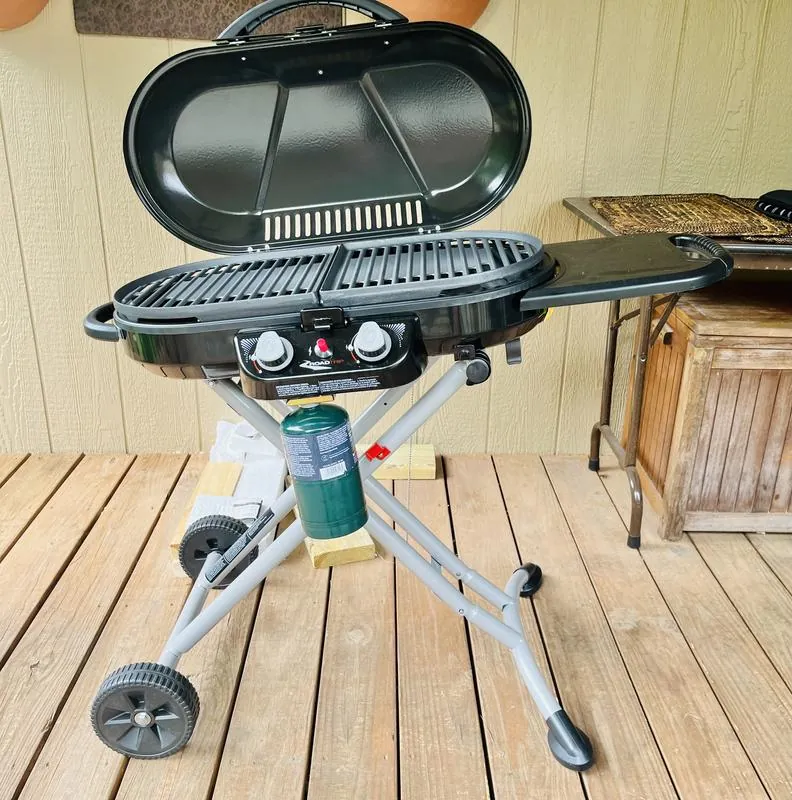
The primary reason for poor performance is debris clogging the small burner holes. When food particles or grease enter the burner tubes, they restrict the gas flow, leading to weak flames or uneven heat distribution. Additionally, the regulator valve sometimes fails to seat correctly if it was tightened while pressurized, which prevents the proper amount of fuel from reaching the griddle surface.
You should also check for spider webs or insect nests inside the venturi tubes, as these are common culprits for sudden flame yellowing. If the flame is orange instead of blue, the air-to-fuel mixture is incorrect and requires a quick adjustment of the air shutter.
Clean the burner ports thoroughly
This fix is for users dealing with weak or flickering flames across the griddle surface. First, ensure the gas supply is turned off and the unit is completely cool. Use a soft-bristled wire brush to gently scrub the burner ports, ensuring no carbon buildup remains.
If a port is still blocked, use a thin paperclip to clear the hole, but be careful not to enlarge it, as this changes the gas pressure. Once cleared, use compressed air to blow out any loose debris from the burner tubes. This maintenance step is vital because blocked ports can lead to improper combustion.
Inspect the regulator and hose
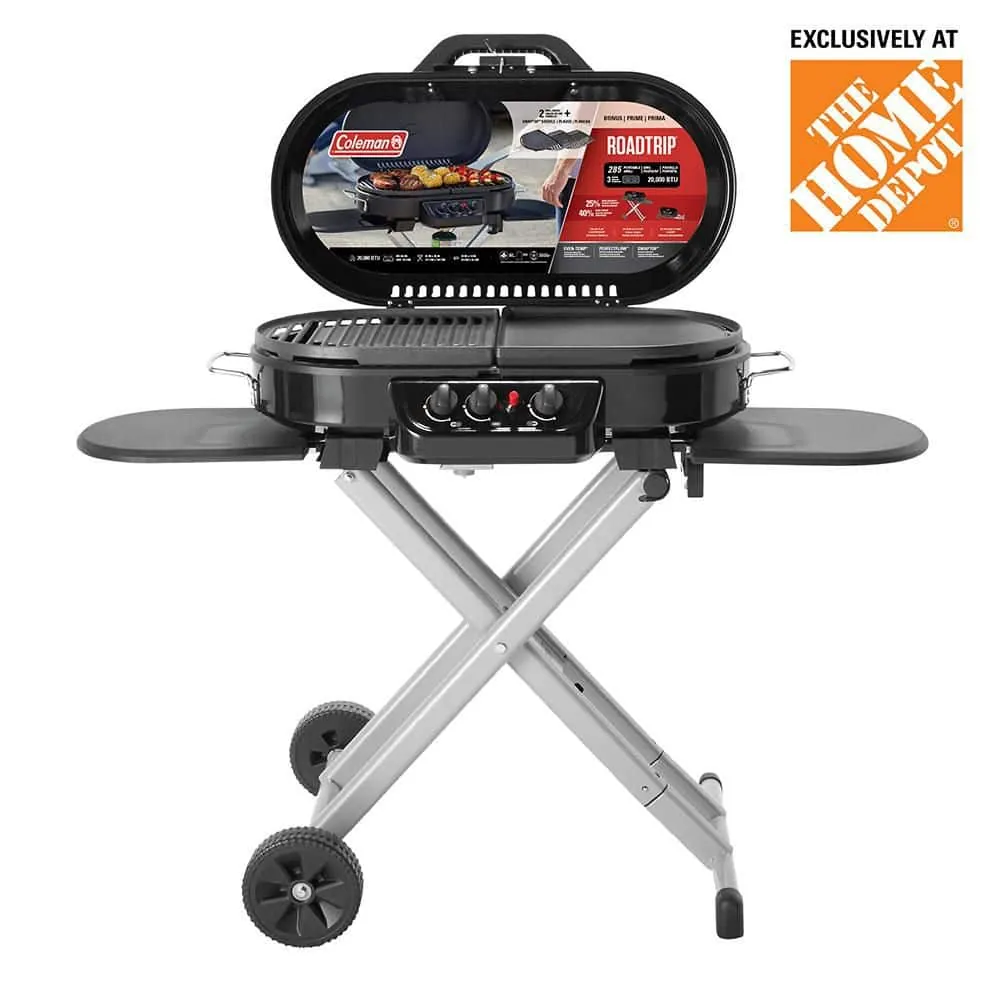
If your griddle fails to ignite or produces very low heat, the regulator might be stuck in a bypass mode. To reset it, turn all control knobs to the off position and disconnect the hose from the propane tank. Wait at least 60 seconds to allow the pressure to equalize, then reconnect the hose firmly to the tank valve.
Slowly open the propane tank valve before turning on the griddle knobs. If you hear a hissing sound without gas reaching the burners, the O-ring inside the regulator may be damaged. This fix isn’t for those with deep internal valve leaks; if you smell gas near the control knobs, contact a professional technician.
Adjust the air shutter setting
Adjusting the air shutter is necessary when the flame is consistently yellow or produces soot on the bottom of your cookware. Locate the air shutter near the point where the burner tube meets the control valve. Loosen the small locking screw and rotate the shutter slightly to allow more air into the mixing chamber.
If the flame becomes loud and lifts off the burner, you have opened it too far; close it back until the flame is a steady, quiet blue. This process requires patience, as small movements create large changes in flame quality. Don’t attempt this while the griddle is hot to avoid burns.
Avoid common mistakes
- Using water to clean the burner tubes can cause internal rust, which permanently ruins the burner’s ability to distribute gas.
- Tightening the regulator while the tank valve is open often triggers the safety bypass, resulting in very low heat output.
- Storing the griddle outdoors without a cover allows spiders to build webs in the venturi tubes, which blocks gas flow.
- Over-tightening the control knobs can damage the internal needle valves, making it impossible to regulate the heat level.
- Ignoring a smell of gas is dangerous; always perform a leak test with soapy water on all connections before use.
Maintain your equipment properly

Follow these steps to keep your griddle running like new each season.
| If you’re doing this | Do this instead | Why |
|---|---|---|
| Cleaning with heavy soap | Use a damp cloth | Soap residue can clog ports |
| Storing in the garage | Store in a sealed bag | Keeps insects out of tubes |
| Forcing a stuck knob | Lubricate the valve stem | Prevents internal valve damage |
| Ignoring yellow flames | Adjust air shutter | Prevents soot buildup |
Frequently asked questions
Can I fix a gas leak myself?
No, you should never attempt to repair a gas leak on your own. If you smell gas or see bubbles during a leak test, turn off the tank immediately and contact a certified gas appliance repair technician to replace the faulty hoses or valves.
How long does a regulator last?
A regulator typically lasts for a long duration, depending on how often you store it in a dry environment. If you notice the heat output dropping significantly even with a full tank and clear burners, the internal diaphragm may have failed and requires a replacement.
Why does my flame turn yellow?
Your flame turns yellow because there isn’t enough oxygen mixing with the propane. This usually happens when the air shutter is clogged with dust or grease, so try cleaning the shutter area with a dry brush to restore the proper air-to-fuel ratio.
Is it safe to use a griddle with a rusted burner?
No, it isn’t safe because rust creates uneven gas distribution and can cause the burner to fail or develop holes. If you see significant rust or flaking metal on the burner tubes, you must replace the burner assembly before using the appliance again.
How often should I check for leaks?
You should check for leaks at least once every season or whenever you reconnect the regulator to a new tank. Simply spray a mixture of liquid soap and water on the hose connections; if bubbles form, you have a leak that needs immediate attention.
What happens if I over-tighten the propane tank?
Over-tightening the tank valve can damage the rubber O-ring, which prevents a proper seal and causes gas to escape. Only hand-tighten the connection until it’s snug, then perform a quick leak test to ensure the seal is secure and safe for operation.
Conclusion
Taking a few minutes to inspect your equipment before your next trip will keep your outdoor cooking stress-free. If you still notice inconsistent flames after a deep clean, it’s a good idea to test a fresh propane canister. You’ll be ready to enjoy perfectly seared meals under the stars all season long.
{“@context”:”https://schema.org”,”@type”:”FAQPage”,”mainEntity”:[{“@type”:”Question”,”name”:”Can I fix a gas leak myself?”,”acceptedAnswer”:{“@type”:”Answer”,”text”:”No, you should never attempt to repair a gas leak on your own. If you smell gas or see bubbles during a leak test, turn off the tank immediately and contact a certified gas appliance repair technician to replace the faulty hoses or valves.”}},{“@type”:”Question”,”name”:”How long does a regulator last?”,”acceptedAnswer”:{“@type”:”Answer”,”text”:”A regulator typically lasts for a long duration, depending on how often you store it in a dry environment. If you notice the heat output dropping significantly even with a full tank and clear burners, the internal diaphragm may have failed and requires a replacement.”}},{“@type”:”Question”,”name”:”Why does my flame turn yellow?”,”acceptedAnswer”:{“@type”:”Answer”,”text”:”Your flame turns yellow because there isn’t enough oxygen mixing with the propane. This usually happens when the air shutter is clogged with dust or grease, so try cleaning the shutter area with a dry brush to restore the proper air-to-fuel ratio.”}},{“@type”:”Question”,”name”:”Is it safe to use a griddle with a rusted burner?”,”acceptedAnswer”:{“@type”:”Answer”,”text”:”No, it isn’t safe because rust creates uneven gas distribution and can cause the burner to fail or develop holes. If you see significant rust or flaking metal on the burner tubes, you must replace the burner assembly before using the appliance again.”}},{“@type”:”Question”,”name”:”How often should I check for leaks?”,”acceptedAnswer”:{“@type”:”Answer”,”text”:”You should check for leaks at least once every season or whenever you reconnect the regulator to a new tank. Simply spray a mixture of liquid soap and water on the hose connections; if bubbles form, you have a leak that needs immediate attention.”}},{“@type”:”Question”,”name”:”What happens if I over-tighten the propane tank?”,”acceptedAnswer”:{“@type”:”Answer”,”text”:”Over-tightening the tank valve can damage the rubber O-ring, which prevents a proper seal and causes gas to escape. Only hand-tighten the connection until it’s snug, then perform a quick leak test to ensure the seal is secure and safe for operation.”}}]}
I am an outdoor enthusiast and gear researcher passionate about camping, hiking, backpacking, and outdoor adventures. I enjoy testing gear, comparing products, and sharing practical advice to help readers make informed decisions. At BestOutsideGear, I create honest gear reviews, buying guides, and outdoor tips to help adventurers choose the right equipment with confidence.