What Is a Flat Top Grill: How It Works and Why Use One
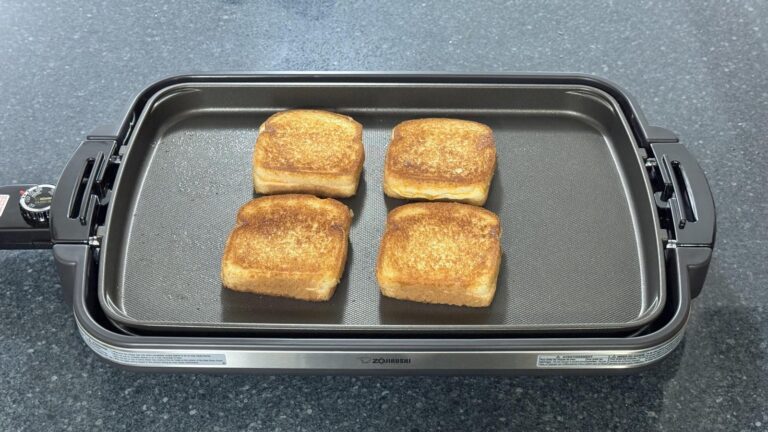
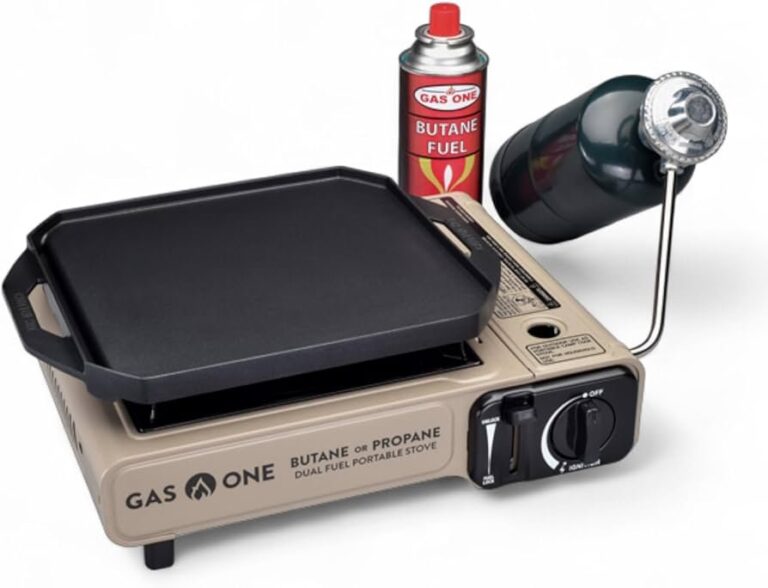
A flat top grill is a large, smooth metal cooking surface that uses gas or electric burners underneath to heat food evenly across its entire area. Unlike a standard grate grill, it lacks openings, which allows you to cook small items like eggs, sliced vegetables, and thin meat strips without them falling through into the heat source.
Getting the best results from your flat grill

Cooking on this equipment requires a different approach than a traditional barbecue because the solid metal surface lacks airflow. You must manage heat zones carefully to ensure food cooks through without burning the exterior.
Preheat the surface by turning burners to medium-high for 15 minutes. If a drop of water beads and dances across the metal, it’s ready. If the water evaporates instantly, the surface is hot, but you should monitor your food closely to prevent burning.
Apply a thin layer of high-smoke-point oil, such as grapeseed or avocado. Use a folded paper towel to buff the oil until the surface looks matte rather than glossy. Excess oil creates a sticky, gummy residue that ruins the sear of your next meal.
Designate the center for high-heat searing and the perimeter for gentle cooking. If you’re preparing delicate fish or vegetables, keep them at least four inches from the center burner. Use only long-handled metal spatulas to flip items. Avoid using low-quality plastic tools, as they may melt if they come into contact with the hot surface.
Clean the surface while it remains warm. Pour a small amount of water or white vinegar over stubborn charred bits to loosen them before scraping the debris into the grease trap. If you wait until the metal cools to room temperature, the polymerized fats will harden into a stubborn crust that requires abrasive scrubbing to remove.
Key differences between grill types
Choosing between a solid surface and a grate depends on the specific foods you plan to prepare most often. While a flat top excels at versatility for breakfast and stir-fry meals, a traditional grate is better for achieving distinct sear marks on thick steaks.
If you frequently cook thin items like shrimp, diced vegetables, or eggs, a flat top prevents food from falling through the gaps. However, if you prioritize the smoky flavor profile created by fat rendering directly onto hot coals, stick with a traditional grate.
Most beginners make the mistake of choosing based on perceived ease of cleaning. They assume a flat top is easier, but it requires diligent seasoning to prevent rust and food sticking. If you can’t commit to scraping and oiling the surface after every single use, the maintenance cost is a rusted, unusable slab within months.
When deciding, look at your primary protein. If your menu is 80% burgers and steaks, the grate is the correct tool. If you favor variety and smaller cuts, the flat top provides superior control.
Common mistakes to avoid

You can easily ruin a meal or damage the surface if you don’t follow basic maintenance rules. The most common error involves using harsh chemical cleaners or abrasive scouring pads that strip away the seasoned layer of the metal. If you scrub the surface down to bare, shiny metal, food will stick aggressively the next time you try to cook. If you see silver, you have gone too far; stop immediately and re-season the pan before the next use.
Always keep the surface lightly oiled after cleaning to prevent rust from forming, especially if you live in a humid environment or keep the unit outdoors. A thin, translucent sheen of neutral oil like grapeseed or canola is sufficient. If the oil pools or feels sticky to the touch, you have applied too much and must wipe it down with a dry cloth.
Another mistake is overloading the surface with cold food all at once. If you drop too many refrigerated items on the metal, the temperature will drop rapidly, causing the food to steam in its own juices rather than sear. Work in batches that cover no more than 60 percent of the cooking area. This keeps the surface hot and maintains the texture you want. Always ensure that ground meats reach an internal temperature of 160°F to remain safe for consumption.
Frequently Asked Questions
Can I cook anything on a flat top that I would cook in a pan?
Yes, you can cook almost anything on this surface that you would prepare in a skillet, including stir-fries, breakfast foods, and seared meats. The primary benefit is the much larger surface area, which allows you to cook for several people at once without needing multiple pans.
Does the surface require seasoning like a cast iron skillet?
Yes, most steel models require a process called seasoning where you heat oil until it bonds to the metal to create a natural non-stick layer. You should repeat this process periodically or whenever the surface looks dry and dull to maintain its performance over time.
Is it safe to use this indoors?
No, you should never use a gas-powered unit indoors because it poses a significant risk of carbon monoxide buildup and fire. Only electric models specifically rated for indoor use by the manufacturer are safe for kitchen environments, provided they have adequate ventilation nearby.
Conclusion
Before you start cooking, check your specific manual to see if your model requires a specific type of metal scraper or oil. Practice controlling the temperature zones with a simple batch of onions to get a feel for how your unit responds before attempting more complex meals.
{“@context”:”https://schema.org”,”@type”:”FAQPage”,”mainEntity”:[{“@type”:”Question”,”name”:”Can I cook anything on a flat top that I would cook in a pan?”,”acceptedAnswer”:{“@type”:”Answer”,”text”:”Yes, you can cook almost anything on this surface that you would prepare in a skillet, including stir-fries, breakfast foods, and seared meats. The primary benefit is the much larger surface area, which allows you to cook for several people at once without needing multiple pans.”}},{“@type”:”Question”,”name”:”Does the surface require seasoning like a cast iron skillet?”,”acceptedAnswer”:{“@type”:”Answer”,”text”:”Yes, most steel models require a process called seasoning where you heat oil until it bonds to the metal to create a natural non-stick layer. You should repeat this process periodically or whenever the surface looks dry and dull to maintain its performance over time.”}},{“@type”:”Question”,”name”:”Is it safe to use this indoors?”,”acceptedAnswer”:{“@type”:”Answer”,”text”:”No, you should never use a gas-powered unit indoors because it poses a significant risk of carbon monoxide buildup and fire. Only electric models specifically rated for indoor use by the manufacturer are safe for kitchen environments, provided they have adequate ventilation nearby.”}}]}
I am an outdoor enthusiast and gear researcher passionate about camping, hiking, backpacking, and outdoor adventures. I enjoy testing gear, comparing products, and sharing practical advice to help readers make informed decisions. At BestOutsideGear, I create honest gear reviews, buying guides, and outdoor tips to help adventurers choose the right equipment with confidence.