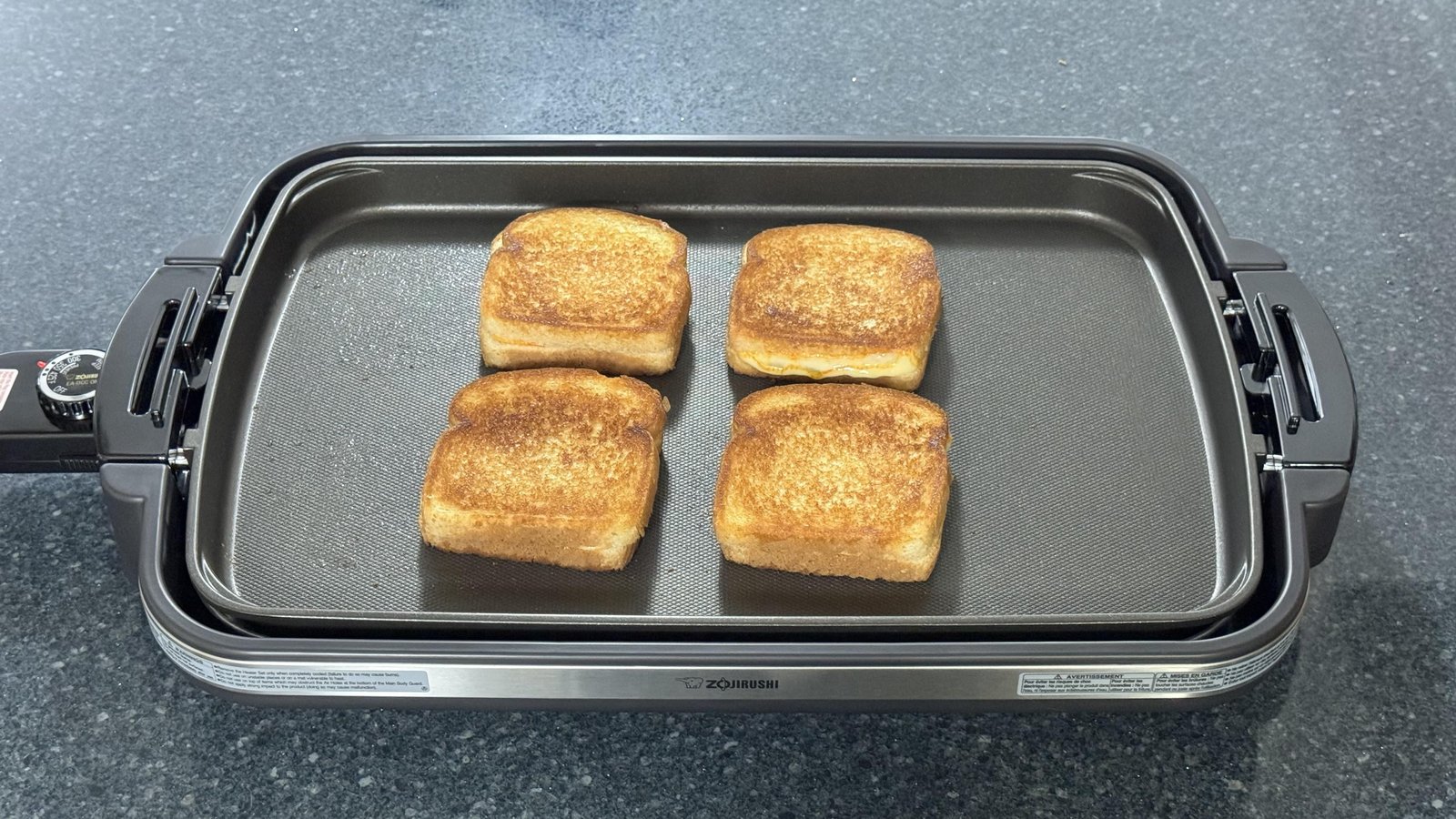
How to Make Perfect Griddle Grilled Cheese at Home
Cooking a griddle grilled cheese requires maintaining a medium-low heat setting between 275°F and 300°F to ensure the bread turns golden brown while the cheese melts fully. You’ll need roughly 3 to 4 minutes per side for a perfect crust, depending on your bread thickness and the specific type of cheese you choose to use.
How to griddle the perfect cheese sandwich

Achieving a consistent, golden crust requires patience and control over your cooking surface temperature. You don’t need fancy equipment, but you do need to manage the heat carefully to avoid burning the bread before the center is ready.
- Preheat your surface: Set your electric griddle or stovetop pan to 275°F. If you’re using a gas stove, use the lowest setting possible to keep the surface stable.
- Prepare the bread: Spread a thin, even layer of softened butter or mayonnaise on one side of each bread slice. Using mayonnaise is a common trick because it has a higher smoke point and spreads more easily than cold butter.
- Assemble the sandwich: Place one slice of bread butter-side down on the warm griddle. Add your cheese slices, making sure they stay within the edges of the bread, then top with the second slice, butter-side up.
- Cook the first side: Let the sandwich cook undisturbed for 3 to 4 minutes. You’ll know it’s ready to flip when the bottom is deep golden brown and the cheese starts to soften at the edges.
- Flip and finish: Carefully turn the sandwich over with a wide spatula. Cook for another 3 minutes until the second side matches the first in color and the cheese is completely melted.
- Rest and serve: Remove the sandwich from the heat and let it sit for 60 seconds before cutting. This short wait prevents the molten cheese from running out immediately when you slice through the crust.
Tip: If your cheese isn’t melting fast enough, add a teaspoon of water to the corner of the griddle and quickly cover the sandwich with a metal bowl to trap the steam.
Key Factors for Success
The quality of your ingredients significantly changes the final outcome. Because this dish relies on so few components, each choice matters.
| Ingredient Type | Why it Matters | Performance Tip |
|---|---|---|
| Bread | Structural integrity | Use medium-thick slices that aren’t too airy. |
| Fat | Browning speed | Mayonnaise creates a more uniform, even crust. |
| Cheese | Melting point | Younger cheeses melt faster than aged varieties. |
When selecting cheese, remember that moisture content dictates how well it flows. Younger cheeses like mild cheddar, fontina, or processed American cheese contain more moisture, which helps them reach a gooey consistency without needing extreme heat. Aged cheeses, such as sharp cheddar or Gruyère, provide more flavor but often need a bit more time or a slightly lower temperature to avoid becoming oily.
Avoiding Common Mistakes
Even a simple sandwich can suffer from small errors that ruin the texture. The most common mistake is using heat that’s far too high. When the surface temperature exceeds 350°F, the bread sugars caramelize and burn before the heat can penetrate the center to soften the cheese. If you find your bread is dark brown but the cheese is still cold, your heat is definitely too high.
Another frequent error is crowding the griddle. If you place too many sandwiches close together, you reduce the airflow and trap steam, which can make the bread soggy rather than crispy. Leave at least 2 inches of space between each sandwich to ensure the heat circulates properly. Finally, ensure your bread is at room temperature before you start; cold bread from the refrigerator takes much longer to toast and often leads to an uneven melt.
Is It Safe to Use Non-Stick Surfaces?

Using a non-stick griddle is safe as long as you follow the manufacturer’s temperature guidelines and avoid using sharp metal tools. Overheating non-stick coatings can lead to the release of fumes that may cause temporary flu-like symptoms.
You’ll avoid this entirely by staying within the recommended 275°F to 300°F range, which is well below the threshold where these coatings typically degrade. If you lack a surface thermometer, use the water drop test: if a droplet sizzles and evaporates instantly, the pan is too hot.
Always use silicone or wood spatulas to protect the surface, as scratches can trap food particles and make future cleaning more difficult. If you see deep gouges or flaking, retire the pan immediately. While ingesting small flakes is generally considered harmless, a damaged surface is no longer effective and will eventually leach chemicals into your food.
Frequently Asked Questions
Can I use salted butter instead of unsalted?
Yes, you can use salted butter, but be mindful of the total salt content in your sandwich. Since most cheeses are already quite salty, using unsalted butter gives you more control over the final flavor profile without making the dish overly intense.
How do I prevent the bread from burning?
Lower your heat setting immediately if you see dark brown spots appearing within the first minute of cooking. If the bread is browning too quickly, move the sandwich to a cooler part of the griddle or lift it slightly to slow the rate of heat transfer.
Should I cover the sandwich while it cooks?
You don’t have to cover it, but doing so helps the cheese melt faster without increasing the heat on the bread. Use a lid or a large metal bowl to trap heat, which is helpful if you’re using thick slices of bread or particularly dense, aged cheeses.
Conclusion
Practice your heat management by starting with a lower temperature than you think you need. Once you master the timing for your specific stove or griddle, you’ll be able to adjust the heat based on the thickness of the bread you prefer to use.
{“@context”:”https://schema.org”,”@type”:”FAQPage”,”mainEntity”:[{“@type”:”Question”,”name”:”Can I use salted butter instead of unsalted?”,”acceptedAnswer”:{“@type”:”Answer”,”text”:”Yes, you can use salted butter, but be mindful of the total salt content in your sandwich. Since most cheeses are already quite salty, using unsalted butter gives you more control over the final flavor profile without making the dish overly intense.”}},{“@type”:”Question”,”name”:”How do I prevent the bread from burning?”,”acceptedAnswer”:{“@type”:”Answer”,”text”:”Lower your heat setting immediately if you see dark brown spots appearing within the first minute of cooking. If the bread is browning too quickly, move the sandwich to a cooler part of the griddle or lift it slightly to slow the rate of heat transfer.”}},{“@type”:”Question”,”name”:”Should I cover the sandwich while it cooks?”,”acceptedAnswer”:{“@type”:”Answer”,”text”:”You don’t have to cover it, but doing so helps the cheese melt faster without increasing the heat on the bread. Use a lid or a large metal bowl to trap heat, which is helpful if you’re using thick slices of bread or particularly dense, aged cheeses.”}}]}
I am an outdoor enthusiast and gear researcher passionate about camping, hiking, backpacking, and outdoor adventures. I enjoy testing gear, comparing products, and sharing practical advice to help readers make informed decisions. At BestOutsideGear, I create honest gear reviews, buying guides, and outdoor tips to help adventurers choose the right equipment with confidence.