How to Make Griddle French Toast With a Perfect Golden Center
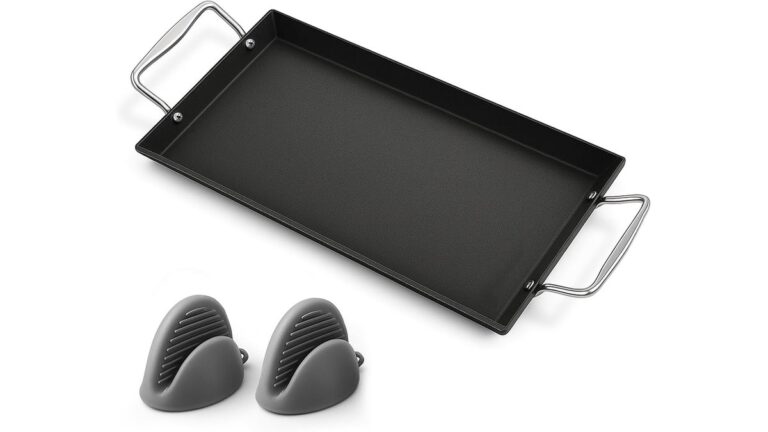
Cooking griddle french toast requires a consistent heat of 350°F and a cook time of 3 to 4 minutes per side to achieve a golden, custard-filled center. You’ll need a flat, non-stick cooking surface to ensure even browning across the bread slices, as this method relies on direct contact to transform the soaked base into a firm, delicious meal.
How to griddle perfect french toast

To prepare this dish, you need to combine your liquids and solids in a shallow dish, then manage the heat carefully to avoid burning the exterior before the middle sets. Follow these steps to ensure your bread is cooked through without becoming soggy or burnt.
- Whisk the custard: Combine eggs, milk, cinnamon, and a pinch of salt in a wide bowl until the mixture is uniform and free of streaks.
- Preheat your surface: Set your electric or stovetop flat-top to 350°F and wait for it to reach temperature before adding any fat.
- Soak the bread: Dip each slice of thick-cut bread into the mixture for 10 to 15 seconds per side, ensuring it’s saturated but not falling apart.
- Grease the surface: Apply a thin layer of unsalted butter or a high-smoke-point oil to the surface to prevent sticking and encourage a crisp crust.
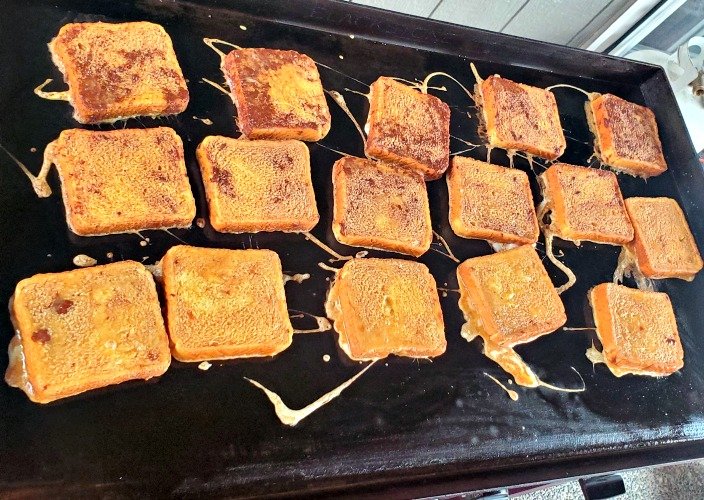
- Cook the slices: Place the soaked bread onto the hot surface, leaving space between slices for airflow.
- Flip once: Cook for 3 to 4 minutes until the bottom is deep golden brown, then flip and cook the other side for the same duration.
- Verify doneness: Ensure the center of the slice feels firm to the touch rather than squishy, indicating the egg has fully cooked.
Comparing Cooking Methods and Times
The type of bread you choose changes how much liquid it absorbs and how quickly it browns. Using a thicker slice requires a longer soak time and a slightly lower heat to ensure the center cooks through before the outside darkens too much.
| Bread Type | Soak Time | Heat Setting | Result |
|---|---|---|---|
| Brioche | 10 seconds | 325°F | Rich and tender |
| Challah | 15 seconds | 350°F | Sturdy and classic |
| Sourdough | 20 seconds | 350°F | Tangy and crisp |
| French Bread | 25 seconds | 375°F | Chewy and firm |
Stale bread acts like a sponge, demanding five extra seconds of soaking compared to fresh loaves. If you use fresh bread, keep the soak time at the lower limit to prevent the slices from disintegrating in the pan.
A common mistake is using high heat for brioche, which causes the high sugar and butter content to burn before the custard sets. If your bread is sliced thicker than one inch, drop your burner temperature by 25 degrees. This adjustment ensures the center reaches a safe, custardy texture without charring the exterior. When in doubt, press the center of the slice with a spatula; if it feels firm, it’s ready.
Why Heat Control Matters
Maintaining a steady temperature is the most critical factor for food safety when working with egg-based batters. The United States Department of Agriculture advises that egg mixtures must be cooked until the internal temperature reaches 160°F to eliminate potential pathogens like Salmonella. If your heat is too high, the outside will char while the center remains raw, creating an unsafe and unappealing texture.
Beginners often make the mistake of relying on visual cues like butter browning, which happens at 300°F. This is far too hot for delicate egg proteins, which begin to toughen and lose moisture at just 180°F. If your butter turns dark brown or black within seconds of hitting the pan, your surface temperature is likely exceeding 350°F.
To fix this, adjust your burner to a medium-low setting and allow the pan to stabilize for three minutes before adding batter. If the mixture bubbles aggressively upon contact, pull the pan off the heat entirely for thirty seconds.
Common Mistakes to Avoid

French toast enthusiasts struggle with soggy centers or burnt edges because they rush the process. If your bread is falling apart in the bowl, you’re likely soaking it for too long or using bread that’s too fresh. Always use stale or slightly dried-out bread, as it acts like a sponge and holds the custard better.
If your bread is less than two days old, toast the slices in a low oven for ten minutes before soaking. This creates a structural barrier that prevents the middle from turning into mush.
Another frequent error is crowding the cooking surface, which traps steam and prevents the crust from crisping up properly. If you’re feeding a crowd, cook in batches and keep the finished slices in a warm oven rather than piling them on top of each other. Stacking them causes trapped heat to soften the crust, turning a crisp exterior into a limp, steamy mess within seconds.
Frequently Asked Questions
Can I use plant-based milk for this recipe?
Yes, you can use soy, almond, or oat milk as a direct substitute for dairy milk. These alternatives contain enough protein and sugar to brown well, though they might result in a slightly thinner custard than cow’s milk.
Is it safe to leave the batter out on the counter?
No, you should never leave an egg-based batter at room temperature for more than 2 hours. Once you have finished dipping your bread, place any leftover mixture in the refrigerator immediately or discard it to prevent bacterial growth.
Why does my toast taste like scrambled eggs?
This usually happens if the ratio of eggs to milk is too high or if the bread hasn’t been cooked long enough. Try increasing the amount of milk slightly or ensuring your cooking surface is hot enough to set the exterior quickly.
Conclusion
Focus on using day-old bread and keeping your temperature steady to guarantee the best texture for your next breakfast. Once you master the timing for your specific bread type, you’ll be able to consistently produce a perfectly set, golden-brown meal every time you cook.
{“@context”:”https://schema.org”,”@type”:”FAQPage”,”mainEntity”:[{“@type”:”Question”,”name”:”Can I use plant-based milk for this recipe?”,”acceptedAnswer”:{“@type”:”Answer”,”text”:”Yes, you can use soy, almond, or oat milk as a direct substitute for dairy milk. These alternatives contain enough protein and sugar to brown well, though they might result in a slightly thinner custard than cow’s milk.”}},{“@type”:”Question”,”name”:”Is it safe to leave the batter out on the counter?”,”acceptedAnswer”:{“@type”:”Answer”,”text”:”No, you should never leave an egg-based batter at room temperature for more than 2 hours. Once you have finished dipping your bread, place any leftover mixture in the refrigerator immediately or discard it to prevent bacterial growth.”}},{“@type”:”Question”,”name”:”Why does my toast taste like scrambled eggs?”,”acceptedAnswer”:{“@type”:”Answer”,”text”:”This usually happens if the ratio of eggs to milk is too high or if the bread hasn’t been cooked long enough. Try increasing the amount of milk slightly or ensuring your cooking surface is hot enough to set the exterior quickly.”}}]}
I am an outdoor enthusiast and gear researcher passionate about camping, hiking, backpacking, and outdoor adventures. I enjoy testing gear, comparing products, and sharing practical advice to help readers make informed decisions. At BestOutsideGear, I create honest gear reviews, buying guides, and outdoor tips to help adventurers choose the right equipment with confidence.