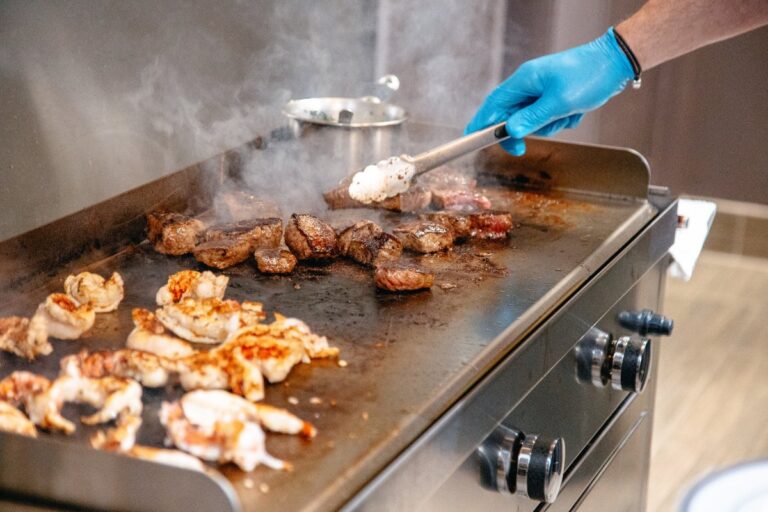
How to Cook Griddle Pancakes Camping for Perfect Results
Cooking pancakes on a griddle while camping takes about 3 to 5 minutes per batch over a medium flame, provided you use a pre-heated cast iron surface or a heavy-bottomed non-stick pan. You’ll need a consistent heat source, a stable surface to place your stove on, and a basic batter mix prepared with shelf-stable ingredients like powdered milk and dried eggs to ensure safety and convenience.
Griddle gear for camping pancakes

Successful camp cooking depends on having the right equipment to manage heat distribution. Because camp stoves often create hot spots in the center of a pan, a heavy-duty material like cast iron is your best choice. It holds heat well and provides a natural non-stick surface once it’s properly seasoned. If you prefer a lighter setup, a quality non-stick skillet works, but you must keep the flame low to prevent the coating from overheating.
| Equipment Type | Best Use Case | Benefit |
|---|---|---|
| Cast Iron Griddle | Campfire or gas stove | Even heat, durable |
| Non-stick Pan | Lightweight camping | Easy cleanup |
| Silicone Spatula | All surfaces | Won’t scratch pans |
Ensure your stove is level before you start. An uneven surface causes the batter to pool on one side, resulting in thick, undercooked centers and burnt edges. If you lack a leveling tool, use a small spirit level or simply pour a tiny amount of water to check for drift.
Always carry a spare fuel canister. Cooking a stack of pancakes takes roughly fifteen minutes of active flame, which drains fuel significantly faster than boiling water for coffee. If you’re cooking for more than three people, bring a second canister to avoid running out mid-batch.
When choosing a spatula, avoid metal tools. They damage the seasoning on cast iron and ruin non-stick coatings. Use a high-heat silicone model that can withstand temperatures up to 500 degrees Fahrenheit. If your spatula is too flexible, it will struggle to flip heavy, fluffy cakes.
How to Prepare and Cook the Batter
Mixing your ingredients before you leave home saves time and reduces waste at the campsite. Use a sealable plastic bag or a dedicated squeeze bottle to combine your dry components. When you’re ready to cook, add your liquid, seal the container, and shake it vigorously until the lumps disappear.
Preheat your griddle by placing your pan over medium heat for 3 to 5 minutes. A drop of water should sizzle and evaporate immediately upon contact. If the water beads and dances, the pan is sufficiently hot.
Apply a thin layer of high-smoke-point oil, such as grapeseed or avocado oil. Use a paper towel to wipe away excess; too much oil creates an uneven, fried crust rather than a uniform golden brown.
Pour about 1/4 cup of batter onto the hot surface. Leave at least two inches between cakes so you can easily slide a spatula underneath. If your batter spreads into a thin, flat disc, your pan is likely too hot, causing the edges to set before the center can rise.
Wait until bubbles form on the surface and the edges look set and dry, which usually takes about 2 minutes. Flip once with a wide spatula, cooking the other side for another 1 to 2 minutes.
Place finished pancakes on a plate covered with foil or inside a cooler to keep them warm. Avoid stacking them directly on top of each other immediately, as the trapped steam will turn the crispy exterior soft.
Start with a test pancake to gauge your stove’s heat. If the exterior browns before the center is cooked through, move the pan off the burner for 30 seconds to lower the temperature before pouring the next batch.
How to Handle Food Safety Outdoors
Cooking outdoors requires extra care to prevent foodborne illness, especially when dealing with egg products. Bacteria thrive in temperatures between 40°F and 140°F, so keeping your ingredients chilled is a vital step for safety. You must store perishable items in a cooler packed with ice or frozen gel packs to maintain a temperature below 40°F.
Use a dedicated appliance thermometer inside your cooler to verify the temperature. If the temperature climbs above 40°F, the food must be discarded if it has been in the danger zone for more than two hours. If the ambient air temperature exceeds 90°F, the food must be discarded if it has been in the danger zone for more than one hour.
If you lack a reliable cooler, use dry ingredients only and mix them with water or shelf-stable milk right before cooking. Never store leftover liquid batter for more than a few hours, even if it’s chilled. Many campers mistakenly reuse a half-empty cooler for drinks and food simultaneously. This cross-contamination is a leading cause of illness. If the batter looks thin, develops an off smell, or has been sitting out, throw it away immediately.
Related guides
- Best Ways to Clean Camping Stove: Easy Tips for Sparkling Results
- 10 Best Cot for Truck Bed Camping
- Best Heater for Tent Camping 2026
Frequently Asked Questions
Can I use a campfire for cooking pancakes?
Yes, but you must wait until the wood burns down to a bed of hot, glowing coals. Placing your pan directly over active flames will create uneven heat and likely burn the outside of your pancakes before the inside is fully cooked.
What should I do if my pancakes are sticking?
Your pan likely isn’t hot enough or you didn’t use enough oil. Ensure the surface is properly preheated and apply a fresh, thin layer of oil before every new batch to create a non-stick barrier that releases the batter easily.
How do I clean a cast iron griddle at the campsite?
Wipe the pan clean with a paper towel while it’s still warm, then use a small amount of hot water and a stiff brush to remove any stuck-on bits. Avoid using harsh soaps, which can strip the seasoning, and always dry the pan completely over the stove flame before storing it.
Conclusion
Focus on controlling your stove’s heat rather than rushing the process, as lower temperatures generally produce more consistent results in outdoor settings. Pack your dry ingredients in pre-measured bags to minimize the mess and ensure you have a simple, reliable breakfast ready for your next morning in the woods.
{“@context”:”https://schema.org”,”@type”:”FAQPage”,”mainEntity”:[{“@type”:”Question”,”name”:”Can I use a campfire for cooking pancakes?”,”acceptedAnswer”:{“@type”:”Answer”,”text”:”Yes, but you must wait until the wood burns down to a bed of hot, glowing coals. Placing your pan directly over active flames will create uneven heat and likely burn the outside of your pancakes before the inside is fully cooked.”}},{“@type”:”Question”,”name”:”What should I do if my pancakes are sticking?”,”acceptedAnswer”:{“@type”:”Answer”,”text”:”Your pan likely isn’t hot enough or you didn’t use enough oil. Ensure the surface is properly preheated and apply a fresh, thin layer of oil before every new batch to create a non-stick barrier that releases the batter easily.”}},{“@type”:”Question”,”name”:”How do I clean a cast iron griddle at the campsite?”,”acceptedAnswer”:{“@type”:”Answer”,”text”:”Wipe the pan clean with a paper towel while it’s still warm, then use a small amount of hot water and a stiff brush to remove any stuck-on bits. Avoid using harsh soaps, which can strip the seasoning, and always dry the pan completely over the stove flame before storing it.”}}]}
I am an outdoor enthusiast and gear researcher passionate about camping, hiking, backpacking, and outdoor adventures. I enjoy testing gear, comparing products, and sharing practical advice to help readers make informed decisions. At BestOutsideGear, I create honest gear reviews, buying guides, and outdoor tips to help adventurers choose the right equipment with confidence.