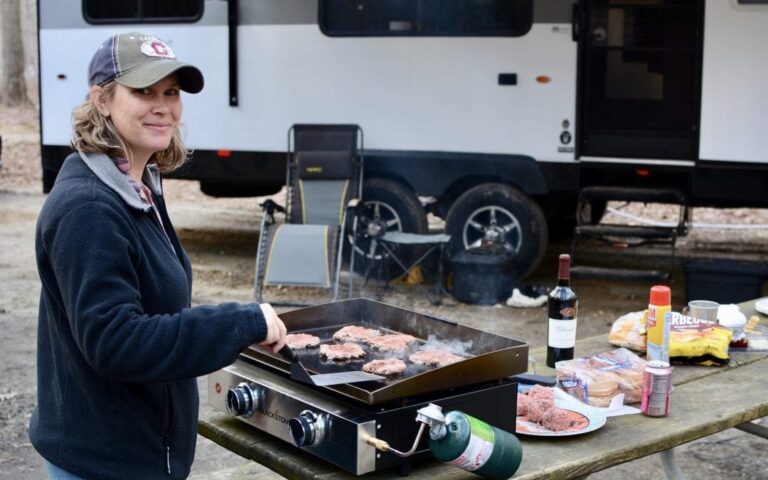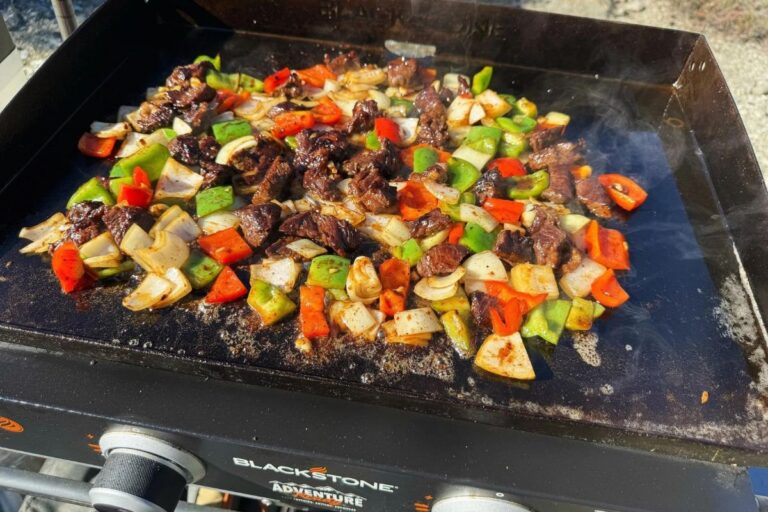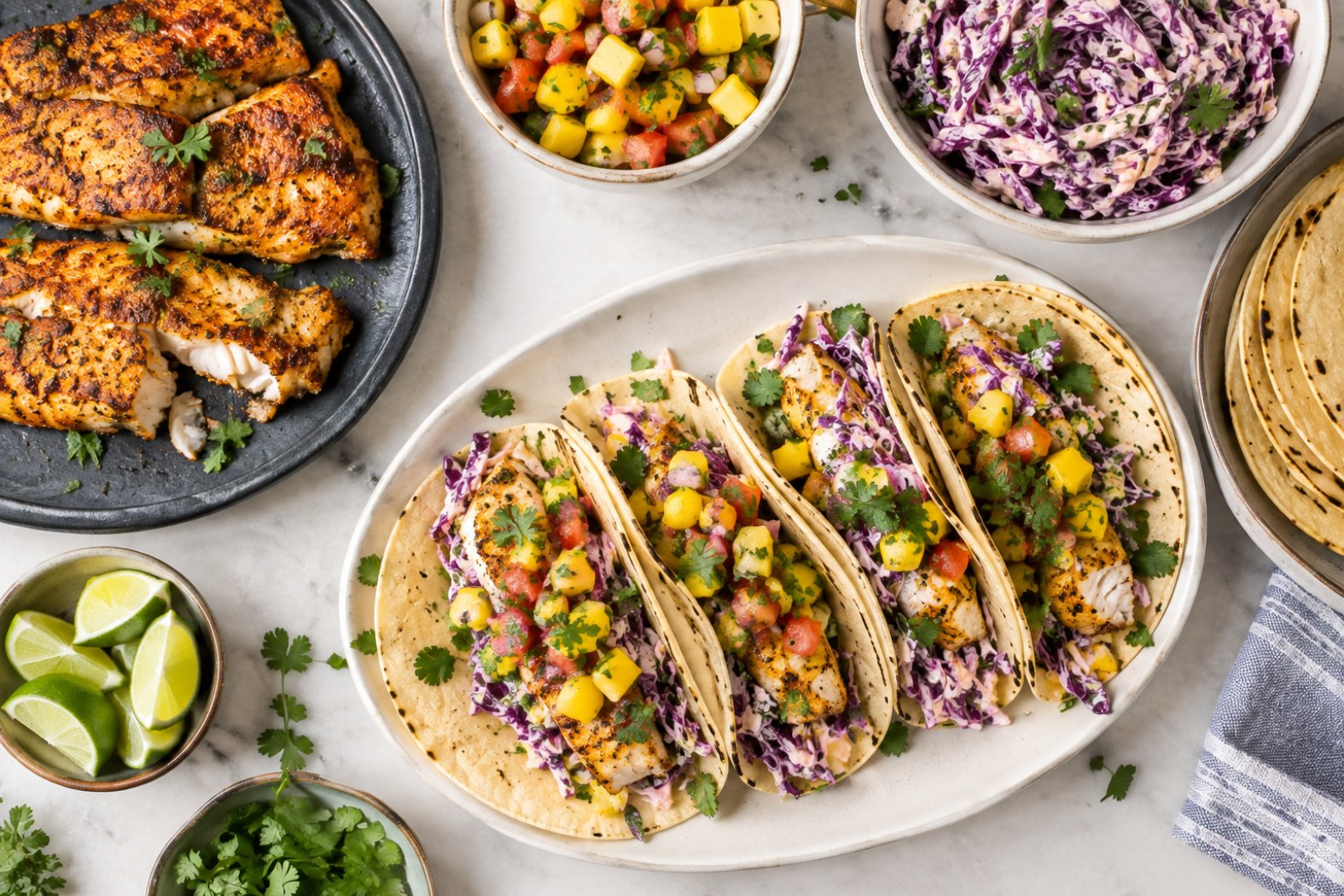
How to Cook Griddle Fish Tacos for Perfect Flaky Results
Cooking fish tacos on a griddle takes about 4 to 6 minutes of total heat time for thin white fish fillets, ensuring the flesh reaches an opaque, flaky texture. You’ll want to keep your heat at a medium-high setting to sear the exterior quickly without overcooking the delicate center, which prevents the meat from turning mushy or dry.
Choosing the Best Fish for Griddle Tacos

Not every type of fish holds up well on a flat surface. You need firm, mild white fish that won’t fall apart when you flip it. Cod, mahi-mahi, and tilapia are the most common choices because they maintain their structure under heat. If you use a very thin fillet, it might cook in closer to 3 minutes, while thicker cuts require the full 6-minute window.
Always pat your fish dry with paper towels before it touches the metal. Moisture on the surface creates steam, which prevents that golden-brown crust you’re looking for. A light coating of oil or melted butter on both sides of the fish helps conduct heat evenly across the surface.
If your fillet has skin, place it skin-side down first. The skin acts as a heat shield, protecting the delicate flesh from the direct intensity of the metal. If you’re using a skinless piece, keep the heat at a medium setting to avoid burning the exterior before the center reaches the proper internal temperature.
Avoid the common mistake of moving the fish too early. If the fillet sticks to the surface, it isn’t ready to turn. Wait until the protein releases naturally, which usually happens once a crust has fully formed. If you force the spatula underneath, you’ll tear the meat.
| Fish Variety | Texture | Best Thickness |
|---|---|---|
| Cod | Flaky, mild | 1 inch |
| Mahi-mahi | Firm, meaty | 0.75 inch |
| Tilapia | Soft, mild | 0.5 inch |
| Halibut | Dense, firm | 1.25 inch |
Essential Steps for Even Cooking
To get the best results, you must manage your heat and timing carefully. Don’t crowd the griddle, as this drops the surface temperature and leads to steaming instead of searing. Limit your batch to three fillets at a time to keep the metal hot.
Preheat the surface: Set your griddle to medium-high heat and let it warm up for at least 5 minutes until a drop of water sizzles instantly. If the water beads and dances, the surface is ready.
Season the fillets: Coat your fish lightly with oil and add salt, pepper, or your preferred spice rub just before placing it on the surface. Apply the oil to the fish, not the pan, to prevent smoking.
Place the fish: Lay the fillets down gently, starting with the side that looks best, and leave them undisturbed for the first 3 minutes. Moving the fish too early destroys the crust.
Flip once: Use a wide, thin metal spatula to turn the fish only when the edges turn opaque and the underside releases easily from the metal. If the fish sticks, it isn’t ready; wait another 30 seconds. Forcing it will tear the delicate protein.
Finish cooking: Cook for another 2 to 3 minutes until the center is pearly and opaque throughout. Remove it immediately to a warm plate to stop the carryover cooking. If the flesh flakes easily with a fork, it’s done. Avoid the common mistake of pressing down on the fillets, which squeezes out juices and leaves the meat dry.
Common Mistakes to Avoid

The most frequent error is moving the fish too much. Every time you poke or nudge the fillets, you increase the chance of them breaking into small, unappealing pieces. Let the heat do the work. If you can’t slide a thin spatula underneath the fillet without resistance, it isn’t ready to flip. Wait thirty more seconds.
Another mistake is using too much oil. You only need a thin film; excess oil will pool around the fish and make the crust greasy instead of crisp. Use a paper towel to wipe a light sheen across the surface of the pan. If the oil begins to smoke, you have exceeded the smoke point for that fat, which will leave a bitter, burnt flavor on the delicate flesh.
Temperature control is also vital. If your griddle is too hot, the outside will burn before the middle is cooked. If it’s too cool, the fish will sit and release its juices, resulting in a boiled texture. Aim for a medium-high heat that produces a steady, gentle sizzle.
Ensure all seafood is cooked until the flesh is opaque and separates easily with a fork. If the center remains translucent or resists flaking, return it to the heat for one minute.
Related guides
Frequently Asked Questions
Can I use frozen fish fillets?
Yes, but you must thaw them completely in the refrigerator overnight before cooking. If you try to cook them while frozen, the exterior will burn while the interior remains cold and raw, and the excess water will prevent any searing.
Should I marinate the fish before cooking?
You can, but keep the marinade time to under 30 minutes for white fish. Acidic ingredients like lime or lemon juice will begin to denature the proteins in the fish if left too long, changing the texture to be firm or opaque before it hits the heat.
How do I know if my fish is overcooked?
Overcooked fish will look dry, lose its translucent sheen, and start to pull away into tough, stringy flakes. If the edges look curled or brown, you have likely left it on the heat for too long; pull it off the griddle the moment it turns opaque.
Conclusion
Check your heat setting once more before starting to ensure it hasn’t drifted too high during the preheat phase. Once you remove the fish from the griddle, let it rest for 1 minute before breaking it into chunks for your tacos to help the juices redistribute within the meat.
{“@context”:”https://schema.org”,”@type”:”FAQPage”,”mainEntity”:[{“@type”:”Question”,”name”:”Can I use frozen fish fillets?”,”acceptedAnswer”:{“@type”:”Answer”,”text”:”Yes, but you must thaw them completely in the refrigerator overnight before cooking. If you try to cook them while frozen, the exterior will burn while the interior remains cold and raw, and the excess water will prevent any searing.”}},{“@type”:”Question”,”name”:”Should I marinate the fish before cooking?”,”acceptedAnswer”:{“@type”:”Answer”,”text”:”You can, but keep the marinade time to under 30 minutes for white fish. Acidic ingredients like lime or lemon juice will begin to denature the proteins in the fish if left too long, changing the texture to be firm or opaque before it hits the heat.”}},{“@type”:”Question”,”name”:”How do I know if my fish is overcooked?”,”acceptedAnswer”:{“@type”:”Answer”,”text”:”Overcooked fish will look dry, lose its translucent sheen, and start to pull away into tough, stringy flakes. If the edges look curled or brown, you have likely left it on the heat for too long; pull it off the griddle the moment it turns opaque.”}}]}
I am an outdoor enthusiast and gear researcher passionate about camping, hiking, backpacking, and outdoor adventures. I enjoy testing gear, comparing products, and sharing practical advice to help readers make informed decisions. At BestOutsideGear, I create honest gear reviews, buying guides, and outdoor tips to help adventurers choose the right equipment with confidence.