Griddle vs Grill for Camping: How to Choose the Right Surface
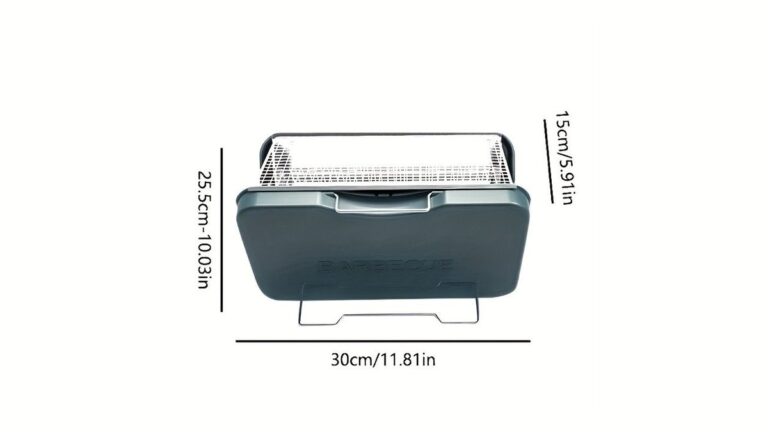
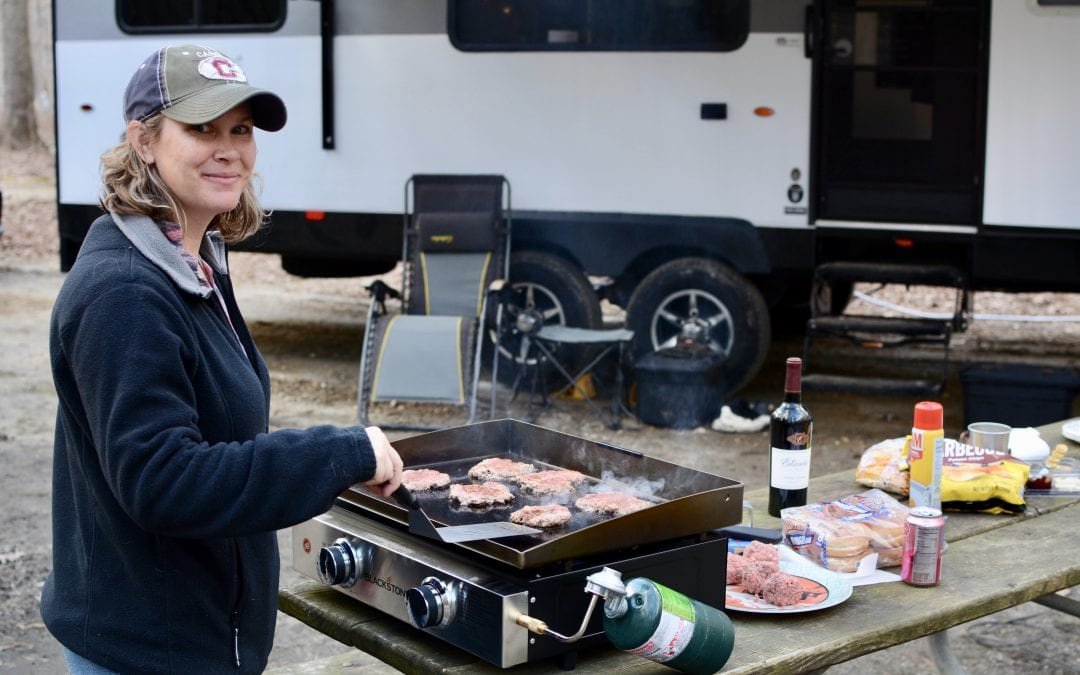
A flat-top griddle is better for cooking eggs, pancakes, and small vegetables, while a wire grill is the superior choice for searing steaks, burgers, and foods that benefit from direct flame contact. You’ll want to choose your camp cooking surface based on the specific menu you plan to prepare, as neither tool excels at every task.
Picking a griddle or grill for camping

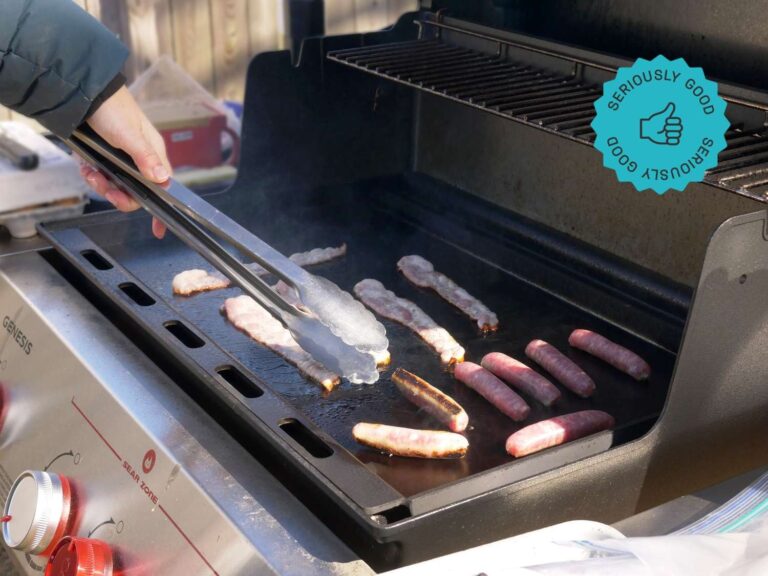
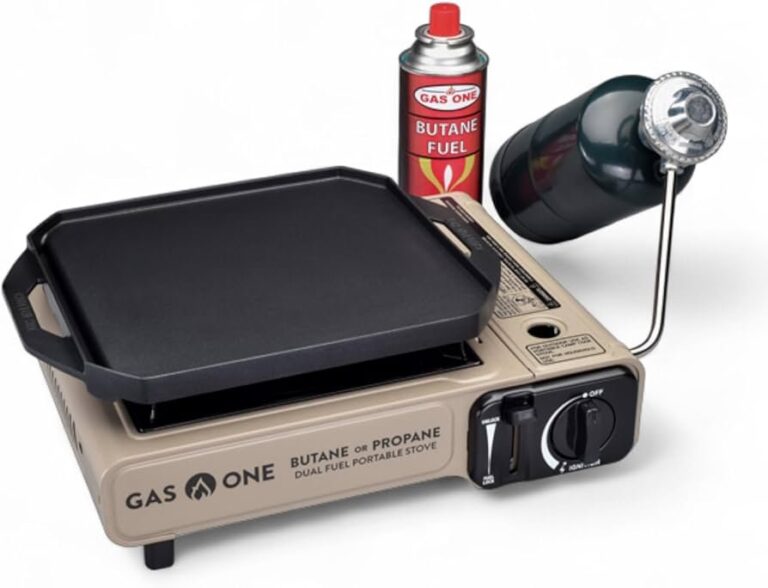
The decision between these two tools depends almost entirely on the texture you want for your food and how much cleanup time you’re willing to spend. A griddle provides a smooth, solid surface that prevents small items from falling into the fire, making it perfect for breakfast foods or delicate fish. A grill features open bars that allow fat to drip away, which creates those classic sear marks and a smoky flavor you can’t get on a flat surface.
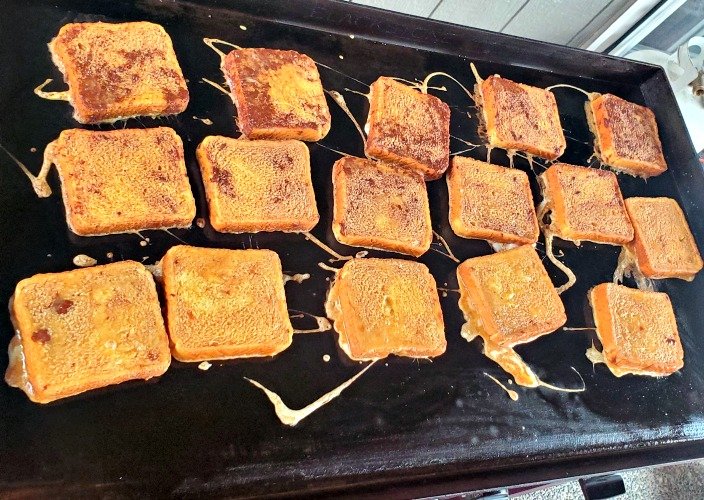
If you’re cooking for a large group, a griddle allows you to prepare large batches of food at once, acting much like the stove in your home kitchen. If you prefer the authentic taste of wood smoke or charcoal, a grill is the only way to achieve that result.
| Feature | Griddle | Grill |
|---|---|---|
| Best foods | Eggs, pancakes, stir-fry | Steaks, burgers, sausages |
| Flavor | Natural, clean taste | Smoky, charred profile |
| Heat control | Even, consistent heat | Variable, direct flame |
| Cleanup | Requires scraping/oiling | Needs wire brush cleaning |
How to Manage Your Cooking Surface Safely
When using either tool, you must follow basic safety rules to prevent burns and keep your food safe from contaminants. Always ensure your cooking surface is stable and level before you light any heat source, as a tipping unit can cause severe accidents.
- Clear the area of dry leaves, grass, or flammable debris to prevent accidental fires around your cooking station.
- Level the surface by adjusting the legs or placing the unit on a flat, non-combustible base like stone or packed dirt.
- Heat the metal slowly for 5 to 10 minutes to ensure an even temperature across the entire cooking area.
- Apply oil using a folded paper towel held with long tongs to create a non-stick layer before you add any food.
- Monitor the temperature closely, as metal plates can hold heat far longer than you might expect, even after the flames are out.
Tip: Always keep a fire extinguisher or a large bucket of water within reach whenever you’re cooking with an open flame or high-heat surfaces.
Is It Safe to Use These Tools on a Picnic Table?
Most public park picnic tables are made of wood or plastic and aren’t designed to withstand the high heat generated by camp stoves or portable grills. Placing your hot equipment directly on these surfaces can scorch the material, melt plastic, or create a significant fire hazard.
If your equipment instructions specifically state it’s safe for tabletop use, it usually means the base of the unit stays cool. However, you should still check the manufacturer’s manual to ensure the heat reflection won’t damage the table finish.
If the table surface feels warm to the touch after five minutes of operation, immediately move your stove to a non-combustible surface. A common mistake is assuming that a short boil time makes a stove safe; even a quick meal can char wood or warp resin.
If you notice discoloration or bubbling on the table finish, the heat is already causing structural damage. When in doubt, place your griddle or grill on a clear patch of dirt or gravel away from your eating area.
Common Mistakes That Ruin Your Meal

Many campers make the mistake of using too much heat, which leads to burnt food on the outside while the inside remains raw. Because griddles hold heat very well, they can reach temperatures that quickly turn delicate foods into charcoal. Start with a medium-low flame and increase it only if you notice your food isn’t browning after a few minutes. If you’re cooking thin proteins like bacon or sliced vegetables, stay on low to prevent the oil from smoking.
Another frequent error is failing to season or clean the surface properly before storage. If you leave food residue on a cast iron griddle, it will rust within days, especially in damp camping environments. Always wipe your surface clean while it’s still warm, then apply a thin layer of cooking oil to protect the metal until your next trip.
If the griddle develops a sticky or gummy texture, you have applied too much oil. Wipe the surface with a dry paper towel until it feels smooth to the touch. This thin barrier is the only thing preventing oxidation during storage.
Related guides
Frequently Asked Questions
Can I use a cast iron skillet instead of a griddle?
Yes, a heavy cast iron skillet works as a smaller version of a griddle for camping. It provides excellent heat retention and a non-stick surface, though it offers less cooking area than a dedicated flat-top griddle.
How do I stop food from sticking to a new griddle?
You must season the surface by rubbing it with a high-smoke-point oil and heating it until the oil smokes. Maintaining clean equipment is essential to preventing bacteria growth on surfaces used for food preparation.
Which is easier to pack for a backpacking trip?
A small, folding wire grill is almost always lighter and easier to pack than a solid metal griddle. Griddles are heavy and bulky, making them better suited for car camping where you have plenty of storage space in your vehicle.
Conclusion
Before your next camping trip, review your menu to see if your meals require a flat surface or direct flame. If you decide to bring a griddle, practice cleaning it at home so you know exactly which tools you need to maintain the surface while in the woods.
{“@context”:”https://schema.org”,”@type”:”FAQPage”,”mainEntity”:[{“@type”:”Question”,”name”:”Can I use a cast iron skillet instead of a griddle?”,”acceptedAnswer”:{“@type”:”Answer”,”text”:”Yes, a heavy cast iron skillet works as a smaller version of a griddle for camping. It provides excellent heat retention and a non-stick surface, though it offers less cooking area than a dedicated flat-top griddle.”}},{“@type”:”Question”,”name”:”How do I stop food from sticking to a new griddle?”,”acceptedAnswer”:{“@type”:”Answer”,”text”:”You must season the surface by rubbing it with a high-smoke-point oil and heating it until the oil smokes. Maintaining clean equipment is essential to preventing bacteria growth on surfaces used for food preparation.”}},{“@type”:”Question”,”name”:”Which is easier to pack for a backpacking trip?”,”acceptedAnswer”:{“@type”:”Answer”,”text”:”A small, folding wire grill is almost always lighter and easier to pack than a solid metal griddle. Griddles are heavy and bulky, making them better suited for car camping where you have plenty of storage space in your vehicle.”}}]}
I am an outdoor enthusiast and gear researcher passionate about camping, hiking, backpacking, and outdoor adventures. I enjoy testing gear, comparing products, and sharing practical advice to help readers make informed decisions. At BestOutsideGear, I create honest gear reviews, buying guides, and outdoor tips to help adventurers choose the right equipment with confidence.