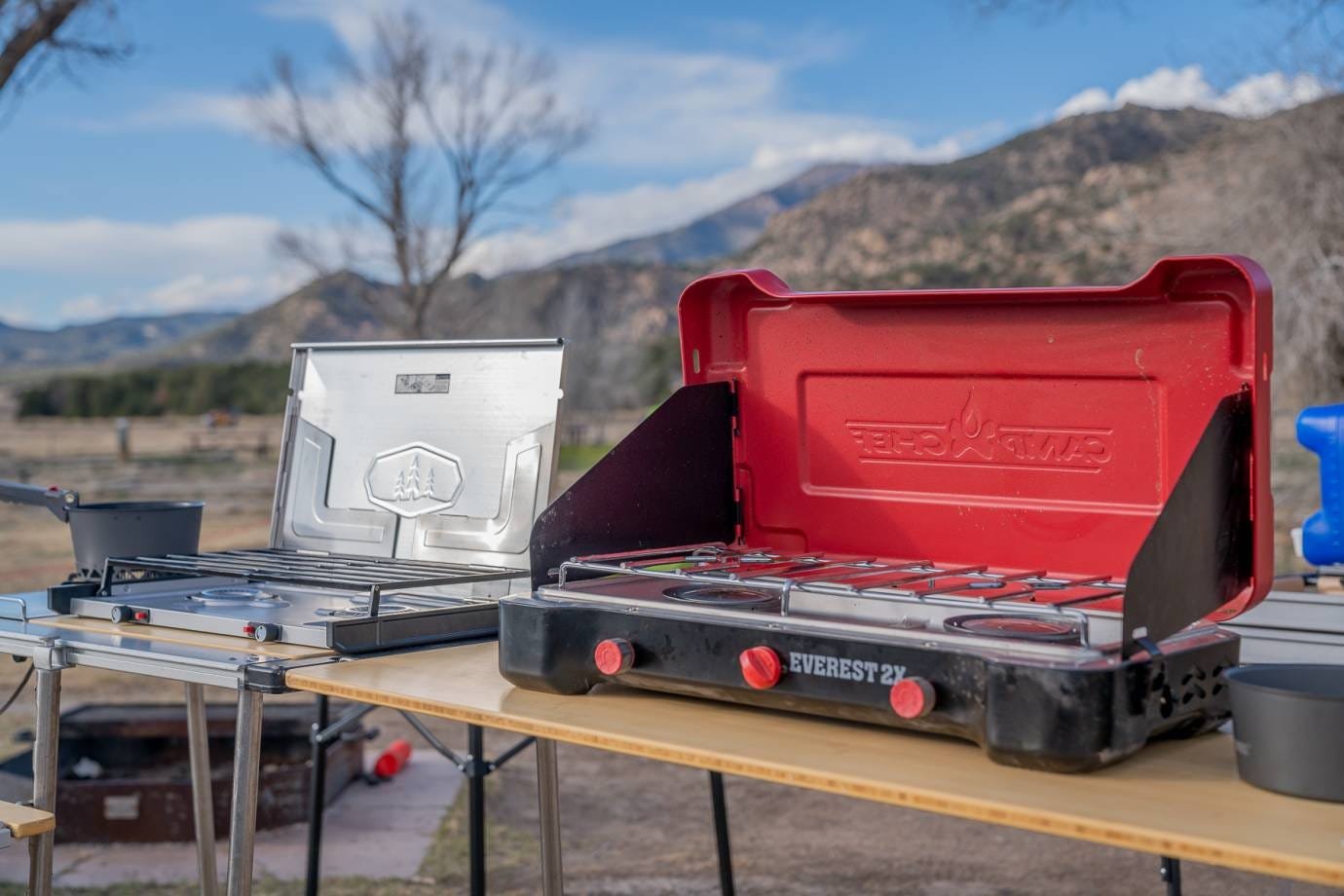
Camp Chef vs Coleman Griddle: Which Outdoor Grill Is Right
Choosing between a camp chef and a coleman griddle depends on whether you value modular cooking versatility or simple, portable reliability for outdoor meals. Camp Chef units typically feature a high-output burner system designed for heavy-duty pans and accessories, whereas Coleman models prioritize a lightweight, all-in-one design that’s easier to transport and set up for quick weekend trips.
Comparing Camp Chef and Coleman griddle performance

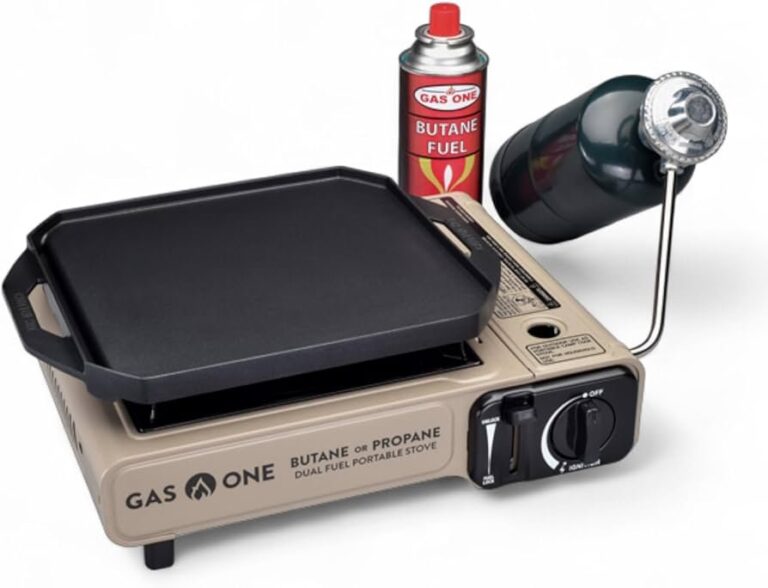
When you compare these brands, you’ll notice they serve two different types of outdoor cooks. A Camp Chef setup is often modular, meaning you can remove the griddle top to use the burners for boiling water or cooking in a Dutch oven. It’s a heavy-duty system that stays stable during long-term use at a campsite or in your backyard.
Coleman griddles are usually built as a single, integrated piece of equipment. They’re designed to be light and fast, often featuring a folding leg design that takes seconds to deploy. If you want a setup that fits easily into a car trunk for a day trip, the Coleman is often the better choice. If you want to build a full outdoor kitchen, the Camp Chef system offers more room for growth.
Choose the Coleman if you prioritize a setup time under two minutes and need to carry the unit solo. If you find yourself needing to transport the gear across uneven terrain, the lighter Coleman frame prevents the fatigue common with heavier modular systems.
Conversely, opt for Camp Chef if you plan to cook for groups larger than six people. The extra surface area allows you to manage temperature zones more effectively. A common mistake is buying the modular system for a solo weekend trip; the added weight of the heavy-gauge steel often makes it feel like an anchor in your trunk. If you value versatility over portability, the Camp Chef is the clear winner.
| Feature | Camp Chef | Coleman |
|---|---|---|
| Primary Use | Modular outdoor kitchen | Portable quick cooking |
| Weight | Heavy / Stationary | Light / Travel-friendly |
| Burner Versatility | High (removable tops) | Low (integrated griddle) |
| Setup Speed | Moderate | Fast |
How to Choose the Right Model for Your Needs
Picking the right unit comes down to how you plan to travel and what you intend to cook. You should evaluate your typical group size and the space you have for storage before you make a final decision.
- Calculate your storage space: Measure the trunk of your vehicle or your storage shed to see if a bulky modular system will actually fit.
- Define your menu: If you only plan to cook pancakes, eggs, and bacon, a dedicated griddle surface is sufficient. If you need to boil pasta or use a large stockpot, you need a system with open burners.
- Check the weight limit: If you plan to move the unit frequently, look for models under 30 pounds.
- Consider fuel efficiency: Check the BTU ratings on the box to ensure the burners provide enough heat for the type of cookware you use.
- Test the stability: Ensure the legs lock firmly into place on uneven ground, as loose legs can lead to uneven cooking surfaces.
Tip: Always check the cooking surface material before you buy, as seasoned cast iron requires more maintenance than non-stick coated steel but lasts much longer.
Is It Safe to Use These Griddles on Picnic Tables?
It’s generally safe to use these units on a picnic table if you follow proper safety guidelines, but you must ensure the surface is stable and heat-resistant. Most manufacturers warn against using portable gas appliances on plastic tables, as the heat can melt the surface or cause the unit to shift. Always place a heat-resistant barrier, such as a metal tray or a dedicated stand, between the unit and the table to prevent damage.
If your picnic table is made of composite or recycled plastic, avoid it entirely. These materials have a lower melting point than wood and can warp or release toxic fumes when exposed to the radiant heat of a griddle base. If the table feels warm to the touch after five minutes of preheating, move the unit to a stone or concrete surface immediately.
You must also maintain proper clearance from flammable materials. Keep all outdoor cooking appliances at least 3 feet away from buildings, deck railings, and low-hanging branches to prevent fire hazards. Never leave a lit griddle unattended, as grease buildup can ignite in seconds.
If you’re using a wooden table, ensure the feet of the griddle are non-slip to prevent the unit from sliding while you flip food. A simple way to test stability is to apply firm pressure to one corner; if the table wobbles, the surface is too uneven for safe operation.
Related guides
- Cot Vs Air Mattress Camping: Which Is Best for Outdoor Comfort?
- How to Choose Camping Cookware Set: Ultimate Guide for Outdoor Chefs
- How to Choose Camping Pans for Outdoor Cooking
Frequently Asked Questions
Do these griddles require a specific type of propane tank?
Most of these models use standard 1-pound propane cylinders for portability, but they can often connect to larger 20-pound tanks with an adapter hose. Check your specific manual to see if the regulator is compatible with bulk tanks.
How do I clean the griddle surface after cooking?
You should scrape off excess food while the surface is still warm, then use a damp cloth or paper towel to wipe it clean. Avoid using harsh soaps on seasoned surfaces, as they can strip the protective layer you’ve worked to build.
Can I leave the griddle outside in the rain?
You shouldn’t leave these units exposed to the elements, as moisture leads to rust on the burners and the cooking surface. Always use a fitted cover or store the unit inside a dry shed or garage when you aren’t using it.
Conclusion
Before you buy, visit a local store to physically lift the units you’re considering. Comparing the weight and the feel of the controls in person will tell you more than any online spec sheet. Once you select your model, prioritize buying a high-quality weather cover to keep it protected between trips.
{“@context”:”https://schema.org”,”@type”:”FAQPage”,”mainEntity”:[{“@type”:”Question”,”name”:”Do these griddles require a specific type of propane tank?”,”acceptedAnswer”:{“@type”:”Answer”,”text”:”Most of these models use standard 1-pound propane cylinders for portability, but they can often connect to larger 20-pound tanks with an adapter hose. Check your specific manual to see if the regulator is compatible with bulk tanks.”}},{“@type”:”Question”,”name”:”How do I clean the griddle surface after cooking?”,”acceptedAnswer”:{“@type”:”Answer”,”text”:”You should scrape off excess food while the surface is still warm, then use a damp cloth or paper towel to wipe it clean. Avoid using harsh soaps on seasoned surfaces, as they can strip the protective layer you’ve worked to build.”}},{“@type”:”Question”,”name”:”Can I leave the griddle outside in the rain?”,”acceptedAnswer”:{“@type”:”Answer”,”text”:”You shouldn’t leave these units exposed to the elements, as moisture leads to rust on the burners and the cooking surface. Always use a fitted cover or store the unit inside a dry shed or garage when you aren’t using it.”}}]}
I am an outdoor enthusiast and gear researcher passionate about camping, hiking, backpacking, and outdoor adventures. I enjoy testing gear, comparing products, and sharing practical advice to help readers make informed decisions. At BestOutsideGear, I create honest gear reviews, buying guides, and outdoor tips to help adventurers choose the right equipment with confidence.