Blackstone vs Coleman Griddle: Which One Suits Your Needs
Blackstone griddles are best for backyard cooking where you need a large, permanent setup with heavy-duty steel, while Coleman units are better suited for camping and travel because they’re portable and lightweight. Choosing between a blackstone vs coleman griddle depends on whether you value high-volume outdoor cooking space or the ability to pack your stove into a car trunk for trips.
Comparing Blackstone and Coleman griddle designs
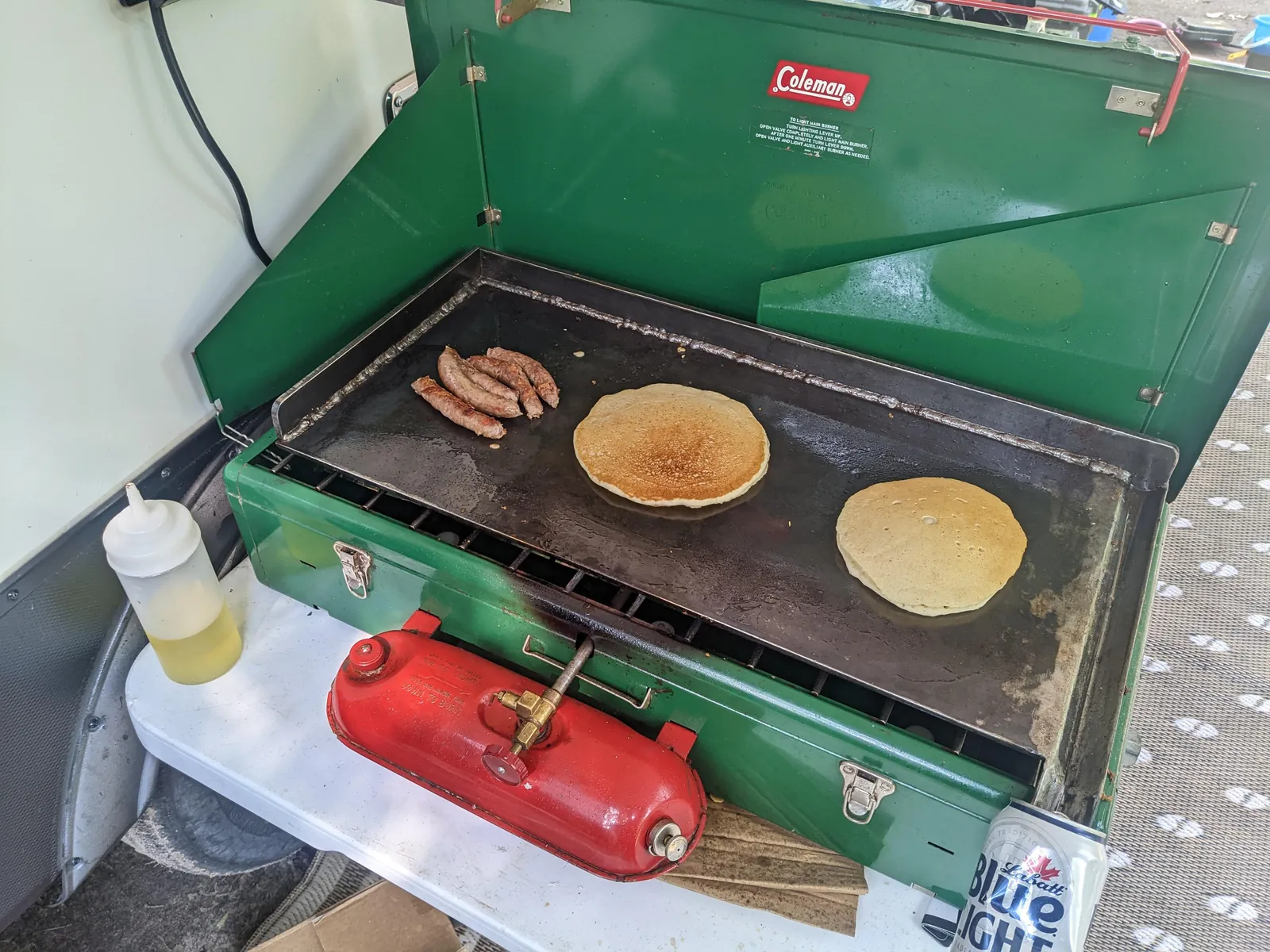
The primary difference between these two brands is the intended environment. Blackstone focuses on stationary, heavy-gauge steel griddles that stay on a patio or deck. These units often feature large cooking surfaces, integrated shelves, and substantial weight that makes them difficult to move regularly. Their design prioritizes heat retention and cooking capacity for large groups.
If you plan to cook for more than six people at once, choose the Blackstone. The thermal mass of the heavy-gauge steel prevents temperature drops when you add cold proteins to the surface.
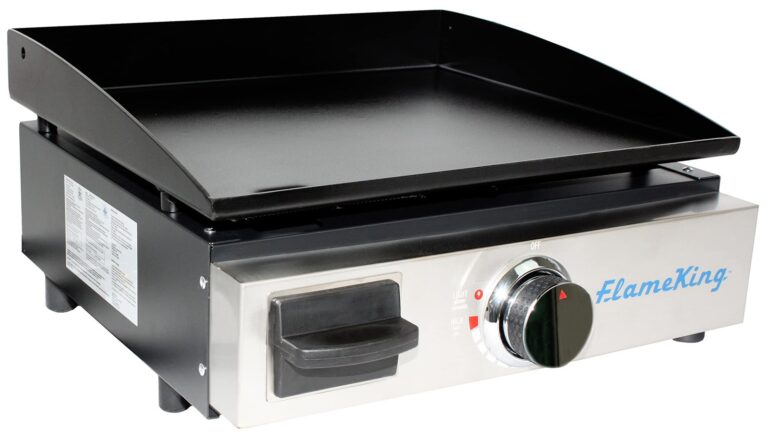
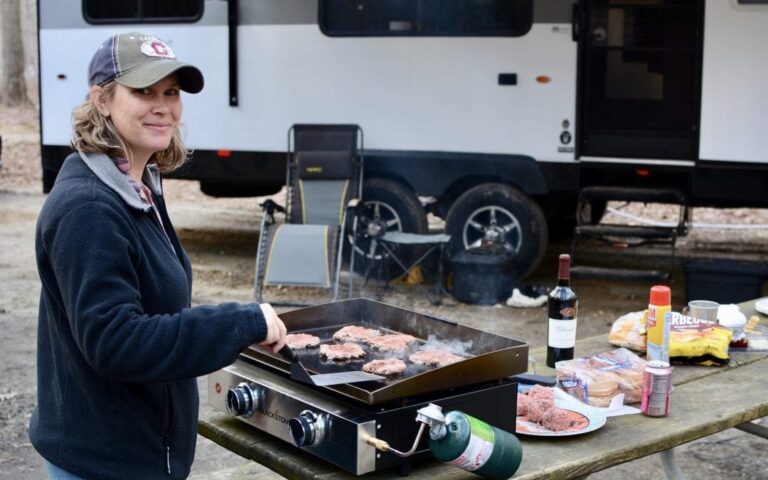
Coleman produces equipment designed for mobility. Their griddles are usually smaller, foldable, and light enough for one person to carry to a campsite or tailgate spot. While they still offer decent heat, they use lighter materials to save on weight.
Many users mistakenly attempt to transport Blackstone units by removing the legs, but the sheer weight of the chassis often leads to frame warping or bent grease trays.
| Feature | Blackstone | Coleman |
|---|---|---|
| Primary Use | Backyard / Patio | Camping / Tailgating |
| Weight | Heavy (100+ lbs) | Light (20-40 lbs) |
| Surface Type | Cold-rolled steel | Non-stick or steel |
| Power Source | Bulk propane tank | 1lb canisters or bulk |
Understanding Cooking Surface Performance
How you cook determines which surface works better for your needs. Blackstone griddles use thick, rolled steel that requires a seasoning process to create a non-stick layer. You must maintain this layer with oil after every use to prevent rust. This surface is extremely durable and can handle metal spatulas or scrapers without damage.
If you see orange flakes appearing, you have allowed moisture to compromise the metal. Simply scrub the area with a scouring pad, re-season with a high-smoke-point oil like grapeseed, and heat until the surface turns black again.
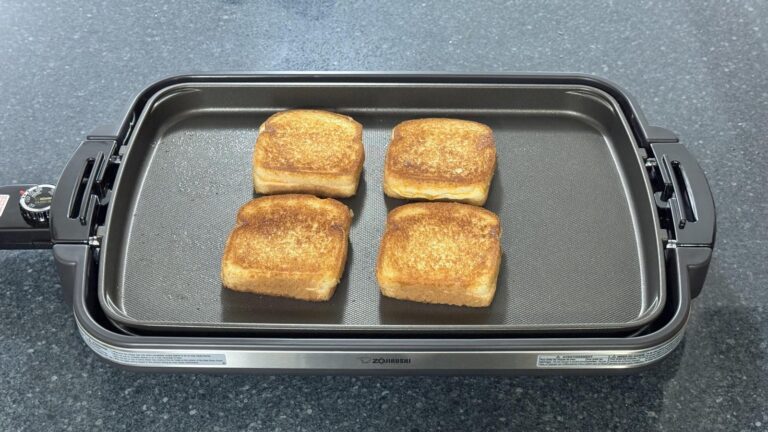
Coleman often uses a non-stick coating on their griddle plates. This makes cleanup fast, as food rarely sticks, but you must use silicone or plastic tools to avoid scratching the coating. A single metal utensil scratch can cause the coating to flake into your food over time.
If you prefer a “set it and forget it” experience, the non-stick surface is easier to manage. If you enjoy the art of seasoning and want a surface that lasts for decades, the heavy steel of a Blackstone is superior.
When to Choose One Over the Other
You should choose a Blackstone if you have a dedicated outdoor kitchen space and plan to cook for four or more people regularly. The extra surface area allows you to cook pancakes, eggs, and bacon simultaneously without crowding your food.
It’s a tool for people who view outdoor cooking as a regular hobby rather than a temporary convenience. If you lack a permanent patio spot, the sheer weight of these units—often exceeding 100 pounds—makes them a liability rather than an asset.
You should choose a Coleman if you live in an apartment with limited storage or if you go camping at least once a season. These units fold down to fit in small closets or the back of a sedan. They provide enough space for two to three people but won’t dominate your storage area when not in use.
If you find yourself cooking for a crowd, however, the smaller surface area forces you to cook in batches, which leaves the first round of food cold by the time the last item is finished.
If you choose a steel-surface griddle, always apply a thin layer of oil after cleaning to prevent surface oxidation while it sits in storage.
Safety and Maintenance Guidelines

Proper maintenance ensures your griddle remains safe and functional throughout the season. You must keep the cooking surface free of carbon buildup and old grease to prevent flare-ups.
Always check your propane hoses for cracks or leaks before connecting them to a fuel source. If you spot a hairline fracture or the rubber feels brittle, replace the entire hose assembly immediately. A damaged line can lead to dangerous gas leaks that ignite unexpectedly.
Inspect all connections for leaks using a soapy water solution before igniting the burners. If you see bubbles forming at the joint, tighten the connection or apply new thread seal tape. If bubbles persist, don’t use the griddle until you replace the faulty component or hose assembly.
Never store propane tanks inside a building, garage, or enclosed space, even if they’re disconnected. Keep them upright in a well-ventilated outdoor area. Storing them indoors risks a catastrophic pressure buildup if the ambient temperature rises.
Frequently Asked Questions
Can I use a camping griddle on my patio permanently?
Yes, you can use a camping griddle on a patio, but they aren’t designed to withstand constant exposure to rain or snow. You should store them inside or under a heavy-duty cover when not in use to prevent the burners and frame from rusting.
Do I need to season a non-stick camping griddle?
No, you should never season a non-stick surface. Seasoning is only meant for raw, cold-rolled steel or cast iron surfaces to build a protective, slick layer. Adding oil to a non-stick coating will just create a sticky, gummy residue that’s difficult to remove.
Which brand is easier to clean after a large meal?
Non-stick camping griddles are generally faster to clean because food residue wipes off easily with a paper towel. Blackstone griddles require more effort because you must scrape the steel surface, wipe it clean, and then apply a fresh layer of oil to maintain the seasoning.
Conclusion
Decide based on where the unit will spend most of its time. If you have a permanent spot in your backyard, invest in the heavy steel of a Blackstone. If you need something that stores away easily or travels with you, the portability of a Coleman is your best option.
{“@context”:”https://schema.org”,”@type”:”FAQPage”,”mainEntity”:[{“@type”:”Question”,”name”:”Can I use a camping griddle on my patio permanently?”,”acceptedAnswer”:{“@type”:”Answer”,”text”:”Yes, you can use a camping griddle on a patio, but they aren’t designed to withstand constant exposure to rain or snow. You should store them inside or under a heavy-duty cover when not in use to prevent the burners and frame from rusting.”}},{“@type”:”Question”,”name”:”Do I need to season a non-stick camping griddle?”,”acceptedAnswer”:{“@type”:”Answer”,”text”:”No, you should never season a non-stick surface. Seasoning is only meant for raw, cold-rolled steel or cast iron surfaces to build a protective, slick layer. Adding oil to a non-stick coating will just create a sticky, gummy residue that’s difficult to remove.”}},{“@type”:”Question”,”name”:”Which brand is easier to clean after a large meal?”,”acceptedAnswer”:{“@type”:”Answer”,”text”:”Non-stick camping griddles are generally faster to clean because food residue wipes off easily with a paper towel. Blackstone griddles require more effort because you must scrape the steel surface, wipe it clean, and then apply a fresh layer of oil to maintain the seasoning.”}}]}
I am an outdoor enthusiast and gear researcher passionate about camping, hiking, backpacking, and outdoor adventures. I enjoy testing gear, comparing products, and sharing practical advice to help readers make informed decisions. At BestOutsideGear, I create honest gear reviews, buying guides, and outdoor tips to help adventurers choose the right equipment with confidence.