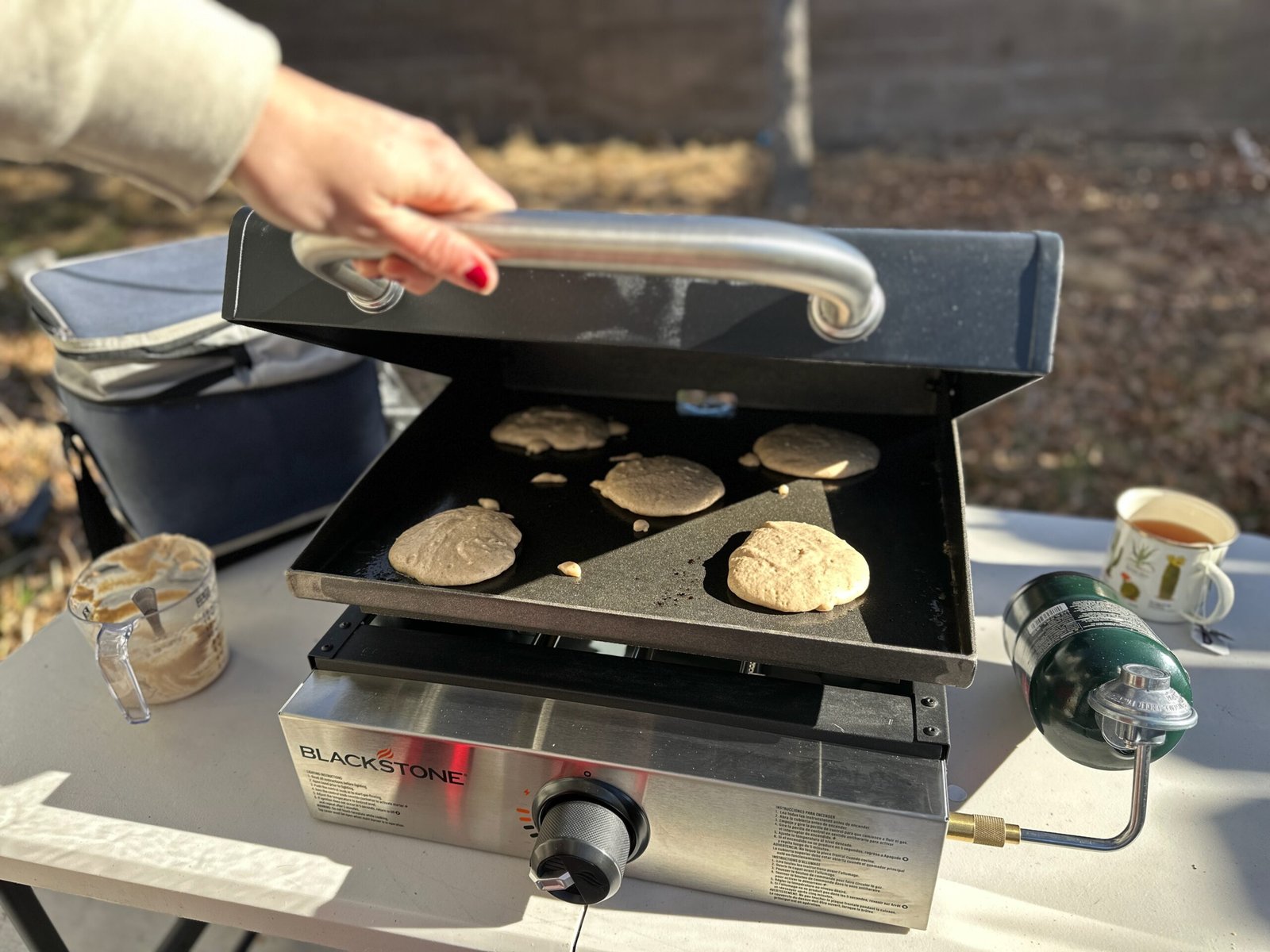
Blackstone Tabletop vs Camp Chef: Which Griddle Is Better
When deciding between a blackstone tabletop and camp chef griddle, choose the former for pure portability and quick setup, or the latter if you want modular versatility and a thicker cooking surface. Both brands offer reliable performance, but the decision usually comes down to how much weight you’re willing to carry and whether you plan to expand your cooking setup with extra accessories.
Blackstone tabletop versus Camp Chef performance

These two brands dominate the outdoor griddle market, but they prioritize different user needs. Blackstone is famous for its lightweight, steel-heavy construction that heats up in under 5 minutes, making it ideal for tailgating or camping. Camp Chef, on the other hand, often utilizes a heavier-gauge steel for its flat tops, which helps retain heat longer when you’re cooking thick cuts of meat or large batches of vegetables.
| Feature | Blackstone Tabletop | Camp Chef Tabletop |
|---|---|---|
| Construction | Cold-rolled steel | Heavy-gauge steel |
| Weight | 25–35 lbs | 35–50 lbs |
| Heat Management | Rapid, responsive | Steady, consistent |
| Modularity | Limited | High (system-based) |
| Grease System | Rear-exit | Side-exit or rear |
If you’re looking for a simple, no-fuss griddle that fits on a picnic table, the smaller Blackstone units are hard to beat. If you’re building a base camp and want the option to swap out your griddle plate for a grill box or a pizza oven, the Camp Chef system is built exactly for that purpose.
How to Choose the Right Model for Your Needs
Before you buy, look at where you’ll actually use the unit. If you’re constantly moving from a car trunk to a campsite, every extra pound matters. A lighter unit is easier to clean and store, but you might find yourself adjusting the flame more often to keep the temperature steady.
- Prioritize portability: Choose the 17-inch or 22-inch Blackstone if you move your gear weekly. These models are compact enough to fit in most trunks and don’t require heavy lifting.
- Prioritize cooking capacity: Opt for a Camp Chef model if you’re feeding a large group of 6 or more people. The larger surface area and better heat retention mean you won’t have to cook in as many shifts.
- Check your fuel supply: Most tabletop units run on 1 lb propane bottles, but check if your chosen model includes a hose adapter for larger 20 lb tanks. Using a larger tank is often cheaper over time and saves you from carrying extra canisters.
Tip: Always check the wind conditions before you start cooking, as tabletop units can lose significant heat if the flame is exposed to direct gusts.
Is It Safe to Use These Units on Plastic Tables?
You should never place a hot griddle directly on a plastic or folding table. High heat can melt the surface or release toxic fumes within seconds. Even units with rubber feet fail to protect the plastic because the steel frame radiates intense heat downward. If the metal underside reaches 200 degrees Fahrenheit, your table will likely warp or sag under the weight of the griddle.
Always use a heat-resistant silicone mat or a dedicated metal stand. If you lack these, a scrap piece of cement board or a thick ceramic tile provides a necessary thermal break. Test your surface by placing a hand near the table base after five minutes of preheating. If the plastic feels soft or tacky to the touch, move the unit immediately.
Ensure the table is level and stable. A wobbly surface is a major hazard when you’re flipping heavy food or scraping the griddle. If the table legs have plastic locking collars, check them twice before cooking. Heat can weaken these joints, causing a sudden collapse.
Common Mistakes That Ruin Your Griddle
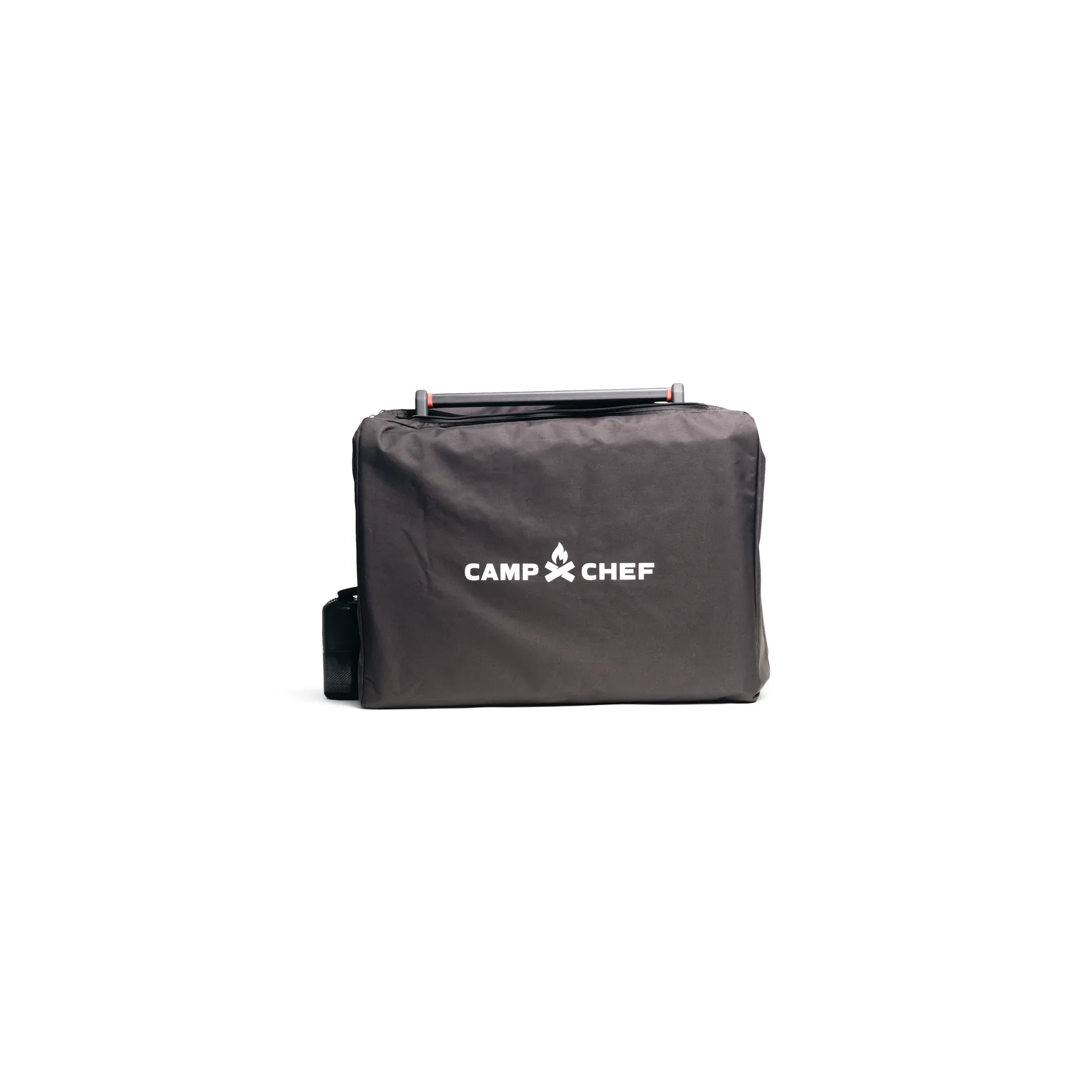
The most frequent mistake owners make is failing to season the steel surface properly before the first use. Both brands use cold-rolled steel, which requires a thin, baked-on layer of oil to prevent rust and create a non-stick surface. If you skip this step, food will stick, and the surface will likely develop spots of surface rust after just one trip.
Another common error is using metal tools too aggressively on a hot surface. While these griddles are made of steel, digging into the metal with a sharp scraper can create deep gouges that trap food and make cleaning harder. Use a light touch when scraping, and always apply a very thin layer of high-smoke-point oil, like canola or grapeseed, immediately after cleaning to protect the metal from moisture.
If you see orange flakes, you have rust. Scrub these spots with a nylon scouring pad and re-season immediately. If the steel turns a dark, uniform brown, you have succeeded. Never use soap after the initial cleaning, as it strips the protective seasoning you worked to build. A simple water rinse and a dry cloth are all you need.
Frequently Asked Questions
Can I leave these griddles outside all winter?
No, leaving them exposed to rain or snow will cause severe rust. Even with a cover, moisture can collect underneath and damage the steel plate, so it’s best to store the unit in a dry garage or shed during the off-season.
Are the griddle plates interchangeable between brands?
Generally, no. Each brand designs its grease management system and mounting hardware differently, so you can’t simply swap a plate from one onto the other without significant modifications that might void your warranty.
How often should I re-season the cooking surface?
You should lightly oil the surface after every single use while it’s still warm. A deep re-seasoning with multiple layers of oil is only necessary if you notice food sticking or if you see small patches of rust appearing on the surface.
Conclusion
Before making your final selection, measure the exact footprint of your folding table to ensure you have room for your ingredients and tools. Once you pick a model, spend your first hour performing a thorough initial seasoning process to ensure the steel is ready for years of cooking.
{“@context”:”https://schema.org”,”@type”:”FAQPage”,”mainEntity”:[{“@type”:”Question”,”name”:”Can I leave these griddles outside all winter?”,”acceptedAnswer”:{“@type”:”Answer”,”text”:”No, leaving them exposed to rain or snow will cause severe rust. Even with a cover, moisture can collect underneath and damage the steel plate, so it’s best to store the unit in a dry garage or shed during the off-season.”}},{“@type”:”Question”,”name”:”Are the griddle plates interchangeable between brands?”,”acceptedAnswer”:{“@type”:”Answer”,”text”:”Generally, no. Each brand designs its grease management system and mounting hardware differently, so you can’t simply swap a plate from one onto the other without significant modifications that might void your warranty.”}},{“@type”:”Question”,”name”:”How often should I re-season the cooking surface?”,”acceptedAnswer”:{“@type”:”Answer”,”text”:”You should lightly oil the surface after every single use while it’s still warm. A deep re-seasoning with multiple layers of oil is only necessary if you notice food sticking or if you see small patches of rust appearing on the surface.”}}]}
I am an outdoor enthusiast and gear researcher passionate about camping, hiking, backpacking, and outdoor adventures. I enjoy testing gear, comparing products, and sharing practical advice to help readers make informed decisions. At BestOutsideGear, I create honest gear reviews, buying guides, and outdoor tips to help adventurers choose the right equipment with confidence.