What Size Portable Griddle Do I Need for Your Cooking Needs
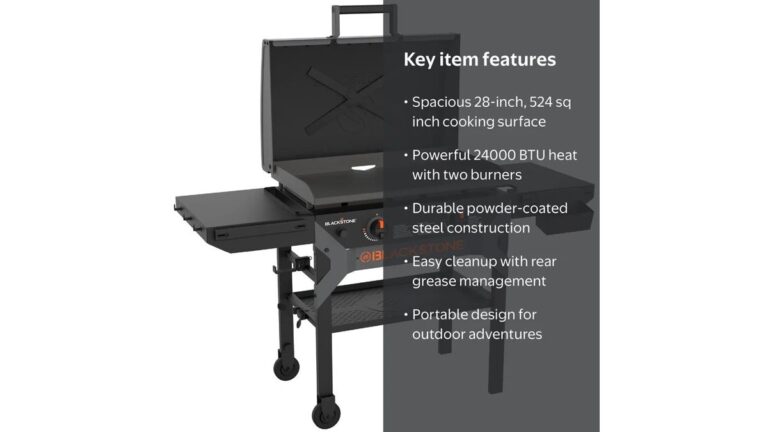
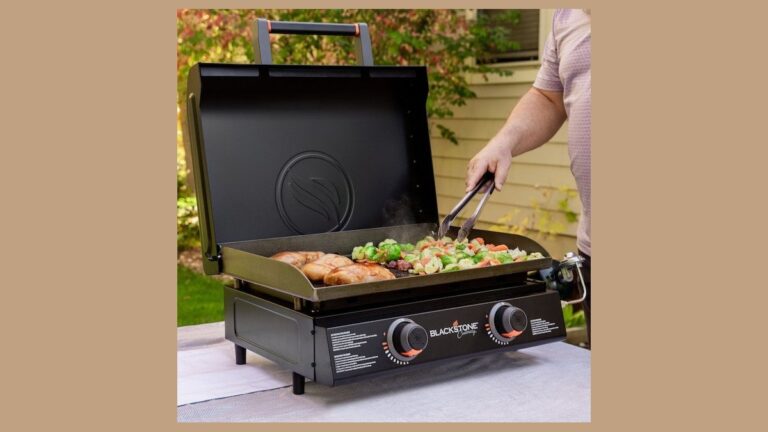
Choosing the right size for a portable griddle depends on how many people you’re feeding at once and how much space you have available on your table or counter. For most families of four, a cooking surface of 200 to 300 square inches is ideal, while solo travelers or couples can easily manage with a compact model under 150 square inches.
Choosing the Right Portable Griddle Size

To find the perfect size, match your typical cooking volume with the physical footprint of the unit. Allow 40 to 50 square inches of surface area per person. If you’re cooking pancakes, eggs, and bacon simultaneously, you need this extra room to avoid crowding the food. Crowding creates steam rather than a sear, which prevents proper browning and leaves your breakfast soggy.
| Group Size | Recommended Surface Area | Best Usage Case |
|---|---|---|
| 1–2 People | 100–150 sq. inches | Small apartments or solo camping |
| 3–4 People | 200–300 sq. inches | Standard family breakfast meals |
| 5+ People | 400+ sq. inches | Large gatherings or batch cooking |
When measuring your space, account for the width of handles and the grease tray. Many people measure only the cooking plate, but the actual unit often extends several inches wider. If your counter space is tight, this oversight can prevent the unit from sitting flush against a wall or backsplash.
Ensure the griddle sits on a heat-resistant surface and maintain the clearance distance specified in the manufacturer’s manual. This gap is vital for airflow; without it, heat can build up and damage your countertop finish or warp the unit’s internal components. If you plan to store the unit in a cabinet, check the height of your shelves against the unit’s total profile, including the feet and knobs. If the unit is too tall, you’ll likely stop using it entirely.
Is It Safe to Do This Yourself?
Yes, it’s safe to use a portable griddle at home or while camping as long as you follow the manufacturer’s instructions for power or fuel management. These appliances are designed for consumer use, but you must keep them on a flat, stable surface to prevent hot grease from spilling.
Always check that your electrical outlet can handle the wattage of your specific model. Many large electric griddles pull enough power to trip a standard 15-amp circuit breaker if other high-draw appliances are running on the same line. If your lights flicker or the outlet feels warm to the touch after ten minutes of use, move the device to a dedicated circuit.
Start with the heat set to medium rather than high. Most portable surfaces take 5 to 10 minutes to heat up and can easily scorch food if the temperature spikes too quickly. If you’re using a gas-powered model, ensure you’re only using it in well-ventilated outdoor areas to prevent carbon monoxide buildup.
You should never operate fuel-burning cooking equipment inside a home, garage, or enclosed tent. If you smell gas or notice the flame color shifting from blue to yellow, shut the valve immediately. A yellow flame indicates incomplete combustion, which often signals a clogged burner or a leak that requires professional repair before you attempt to cook again.
Mistakes That Ruin Your Cooking Results

One common mistake is buying a griddle that’s too large for your heat source. If you have a small electric burner, the edges may stay significantly cooler than the center, leading to uneven cooking. This happens because the heating element underneath is often smaller than the plate itself. If you’re cooking for a crowd, choose a model with dual heating zones or a high-wattage rating to ensure the entire surface maintains a consistent temperature.
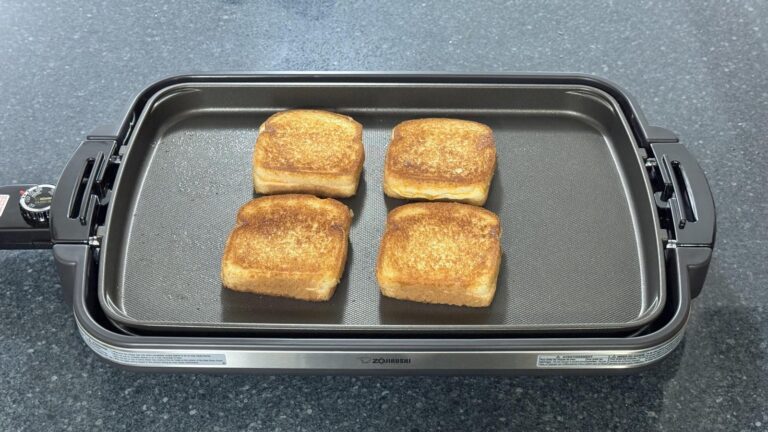
If your food browns in the center but remains raw at the perimeter, you’re likely overloading the surface. A griddle loses heat rapidly when you crowd it with cold ingredients. To fix this, leave at least one inch of space between items. If you can’t fit your meal without touching, cook in two smaller batches rather than one massive, tepid pile.
Another issue is forgetting about cleaning and storage. A massive griddle might sound great, but if it doesn’t fit in your sink, you’ll likely stop using it. If you have limited storage, look for a model with a detachable cord or one that can be stored vertically.
Related guides
- Size Guide for Portable Espresso Maker: Find Your Perfect Fit Fast
- Size Guide for Tent Footprint: Ultimate Tips for Perfect Fit
- Size Guide for Backpacking Tent, Ultimate Tips for Perfect Fit.
Frequently Asked Questions
Can I use a portable griddle on a glass stovetop?
You shouldn’t place a standalone portable electric griddle directly onto a glass or ceramic stovetop. The weight and heat distribution can damage the glass surface, and the rubber feet on the bottom of the griddle aren’t designed to handle the residual heat from the stovetop burners.
Does the material of the griddle plate matter for size?
The material affects how well the surface holds heat, which influences how much food you can cook at once. Cast iron or heavy-gauge aluminum plates distribute heat more evenly across the entire surface than thin, stamped steel, allowing you to use every inch of the griddle effectively without cold spots.
What is the most common size for travel use?
The most common portable size is roughly 18 inches by 10 inches, which provides about 180 square inches of space. This size is popular because it fits easily into most standard car trunks or RV cabinets while still offering enough room to cook a full breakfast for three people without needing to work in multiple batches.
Conclusion
Measure your kitchen counter or outdoor table before you buy to ensure you have enough room for the unit and your prep bowls. Once you know your available space, pick the largest model that fits comfortably, as having a little extra room makes flipping and cleaning much easier.
{“@context”:”https://schema.org”,”@type”:”FAQPage”,”mainEntity”:[{“@type”:”Question”,”name”:”Can I use a portable griddle on a glass stovetop?”,”acceptedAnswer”:{“@type”:”Answer”,”text”:”You shouldn’t place a standalone portable electric griddle directly onto a glass or ceramic stovetop. The weight and heat distribution can damage the glass surface, and the rubber feet on the bottom of the griddle aren’t designed to handle the residual heat from the stovetop burners.”}},{“@type”:”Question”,”name”:”Does the material of the griddle plate matter for size?”,”acceptedAnswer”:{“@type”:”Answer”,”text”:”The material affects how well the surface holds heat, which influences how much food you can cook at once. Cast iron or heavy-gauge aluminum plates distribute heat more evenly across the entire surface than thin, stamped steel, allowing you to use every inch of the griddle effectively without cold spots.”}},{“@type”:”Question”,”name”:”What is the most common size for travel use?”,”acceptedAnswer”:{“@type”:”Answer”,”text”:”The most common portable size is roughly 18 inches by 10 inches, which provides about 180 square inches of space. This size is popular because it fits easily into most standard car trunks or RV cabinets while still offering enough room to cook a full breakfast for three people without needing to work in multiple batches.”}}]}
I am an outdoor enthusiast and gear researcher passionate about camping, hiking, backpacking, and outdoor adventures. I enjoy testing gear, comparing products, and sharing practical advice to help readers make informed decisions. At BestOutsideGear, I create honest gear reviews, buying guides, and outdoor tips to help adventurers choose the right equipment with confidence.