Blackstone Alternatives: 3 Best Ways to Cook on a Flat Top
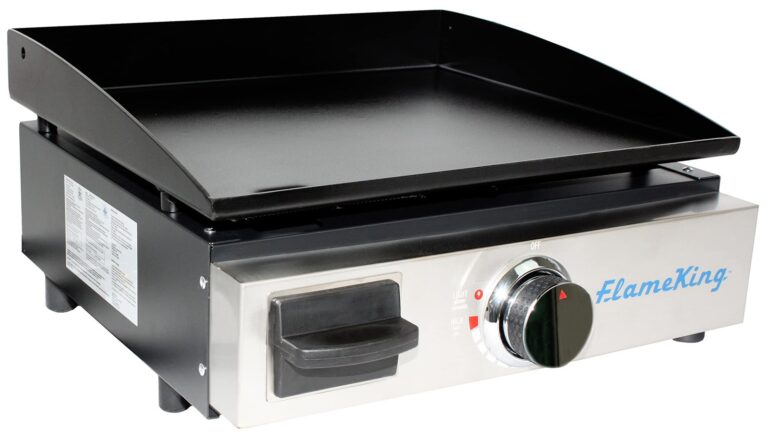
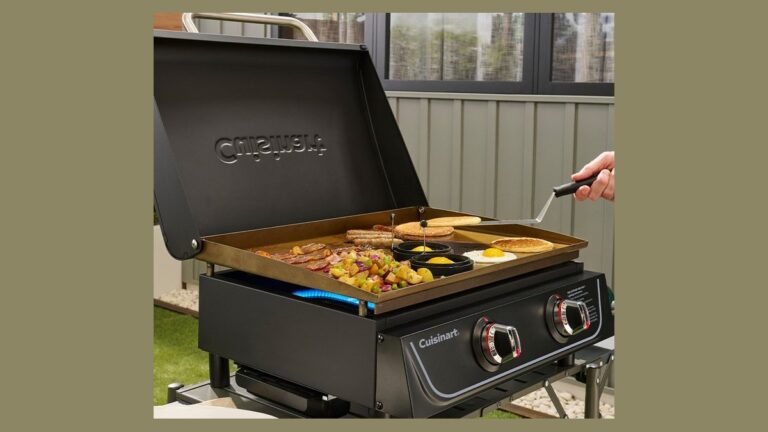
You can replace flat-top propane griddles with standard charcoal grills, heavy-duty cast iron skillets, or dedicated outdoor flat-top units from brands like Camp Chef or Weber. These options provide the high, even heat needed for outdoor cooking, though you’ll need to adjust your oil and temperature management based on the specific surface material and heat retention of the alternative you choose.
How Blackstone alternatives compare

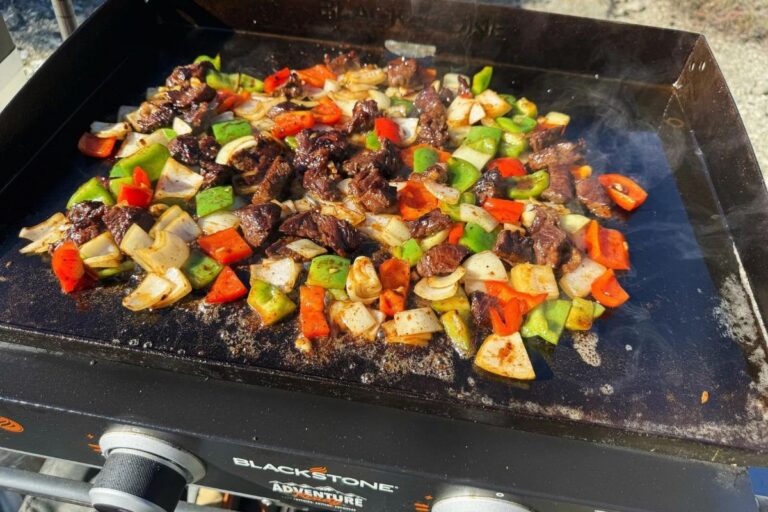
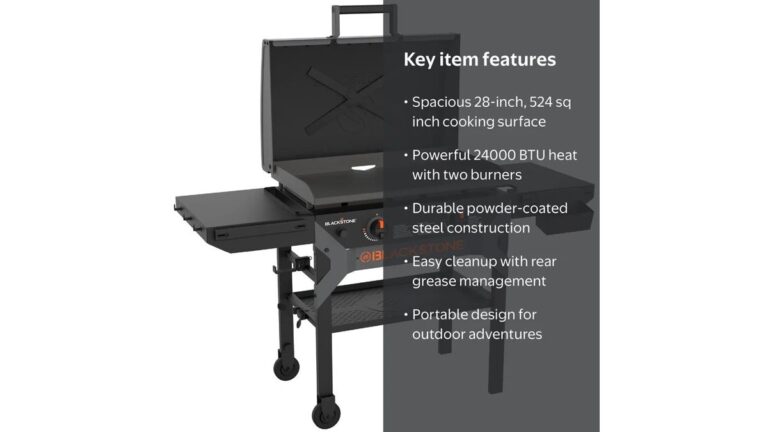
Choosing the right surface depends on whether you want the versatility of a griddle or the flavor profile of an open flame. While a flat-top griddle is excellent for smash burgers and stir-fry, a charcoal grill offers a smoky depth that a steel plate can’t replicate. If you need to cook for a large group, the surface area is your most important metric to track.
| Alternative | Best For | Primary Benefit |
|---|---|---|
| Cast Iron Skillet | Small batches | Superior heat retention |
| Charcoal Grill | Smoky flavor | High temperature range |
| Camping Griddle | Portability | Lightweight design |
| Gas Range | Indoor cooking | Consistent heat control |
When switching from a steel griddle to a cast iron pan, you’ll notice the pan takes longer to heat up but stays hot much longer once you add cold ingredients. This is a trade-off you must manage to prevent overcooking the center of your proteins while the edges remain cool.
Key Differences in Maintenance
Maintaining a flat-top surface requires a regular seasoning process to keep food from sticking. If you choose a charcoal grill as your alternative, you’ll trade seasoning for ash management and grate cleaning. You won’t use a scraper on a grill grate; instead, you’ll use a wire brush or a crumpled ball of aluminum foil to remove debris while the metal is warm.
Tip: Always keep a light coat of high-smoke-point oil on your cooking surface after cleaning to prevent oxidation, regardless of whether you’re using steel or cast iron.
Most steel griddles are prone to rust if left in humid environments. If you move to a cast iron alternative, it’s vital to store it in a dry location, as both iron and carbon steel are prone to oxidation when exposed to moisture. According to the United States Department of Agriculture, maintaining proper surface temperatures is essential to ensure food reaches a safe internal temperature before you serve it.
When to Use a Different Heat Source
You should switch to an alternative if you prioritize specific cooking styles over the convenience of a large flat surface. A standard gas grill with a cast iron insert is often the best choice if you want the ability to sear meat and then move it to a cooler zone for finishing. This two-zone cooking method is difficult to achieve on a single flat-top plate because the entire surface generally stays at a similar temperature.
If you’re cooking in a confined space like a small balcony, a portable electric griddle is a safer choice than propane-based alternatives. Propane units require adequate clearance from walls and overhead structures to prevent fire hazards; always consult your owner’s manual for the manufacturer’s specific distance requirements. Ignoring these safety gaps often leads to melted siding or scorched soffits, which cost hundreds in repairs.
Always check your local building codes or homeowner association rules before operating open-flame equipment on a deck. If your balcony lacks a sprinkler system or sits beneath a wooden overhang, local ordinances almost always mandate electric units. When in doubt, ensure the appliance is designed for residential use.
Common Mistakes to Avoid

The most common error users make when switching to an alternative is failing to adjust the cooking time for the new material. Thin aluminum pans, for instance, heat up very quickly but lose that heat the moment you place a cold steak on them, leading to steaming instead of searing. You must preheat your chosen surface for at least 10 minutes to ensure a consistent, even cook across the entire area.
If you’re working with cast iron, treat the preheat as a thermal battery charge. The metal needs to absorb heat deep into its core, not just on the surface. If the pan feels cold to the touch after five minutes, you haven’t waited long enough.
Another mistake is using the wrong cleaning tools. You can’t use sharp metal scrapers on non-stick or enameled surfaces, as these will ruin the coating in a single session. Stick to silicone or wooden tools when using non-stick alternatives to keep the surface intact for years of use.
If you’re unsure about a material’s durability, search for the manufacturer’s care guide before applying any heavy-duty cleaning pads. Using abrasive steel wool on enamel creates microscopic scratches that harbor bacteria and eventually cause the finish to flake.
Related guides
Frequently Asked Questions
Can I use a regular frying pan on a grill?
Yes, you can use a cast iron or stainless steel frying pan directly on your grill grates. Ensure the pan is rated for high heat and avoid using pans with plastic or wood handles that might melt or burn when exposed to direct flames.
Is it safe to cook on a rusted surface?
It isn’t recommended to cook on a heavily rusted surface, as loose flakes of rust can transfer to your food. You should thoroughly scrub the rust away with a steel brush and re-season the metal before you attempt to cook on it again.
What is the best way to get a sear without a griddle?
The best way to get a hard sear without a griddle is to use a heavy cast iron skillet heated over a high flame. The thickness of the iron acts as a thermal battery, providing the intense heat necessary to brown the exterior of the meat quickly.
Conclusion
Before you commit to a new cooking surface, evaluate your most frequent meal types and the space you have available. If you mostly cook burgers and breakfast items, a smaller cast iron setup is often more than enough. Start by testing your preferred recipes on a single pan to see if the results meet your expectations before buying new equipment.
{“@context”:”https://schema.org”,”@type”:”FAQPage”,”mainEntity”:[{“@type”:”Question”,”name”:”Can I use a regular frying pan on a grill?”,”acceptedAnswer”:{“@type”:”Answer”,”text”:”Yes, you can use a cast iron or stainless steel frying pan directly on your grill grates. Ensure the pan is rated for high heat and avoid using pans with plastic or wood handles that might melt or burn when exposed to direct flames.”}},{“@type”:”Question”,”name”:”Is it safe to cook on a rusted surface?”,”acceptedAnswer”:{“@type”:”Answer”,”text”:”It isn’t recommended to cook on a heavily rusted surface, as loose flakes of rust can transfer to your food. You should thoroughly scrub the rust away with a steel brush and re-season the metal before you attempt to cook on it again.”}},{“@type”:”Question”,”name”:”What is the best way to get a sear without a griddle?”,”acceptedAnswer”:{“@type”:”Answer”,”text”:”The best way to get a hard sear without a griddle is to use a heavy cast iron skillet heated over a high flame. The thickness of the iron acts as a thermal battery, providing the intense heat necessary to brown the exterior of the meat quickly.”}}]}
I am an outdoor enthusiast and gear researcher passionate about camping, hiking, backpacking, and outdoor adventures. I enjoy testing gear, comparing products, and sharing practical advice to help readers make informed decisions. At BestOutsideGear, I create honest gear reviews, buying guides, and outdoor tips to help adventurers choose the right equipment with confidence.