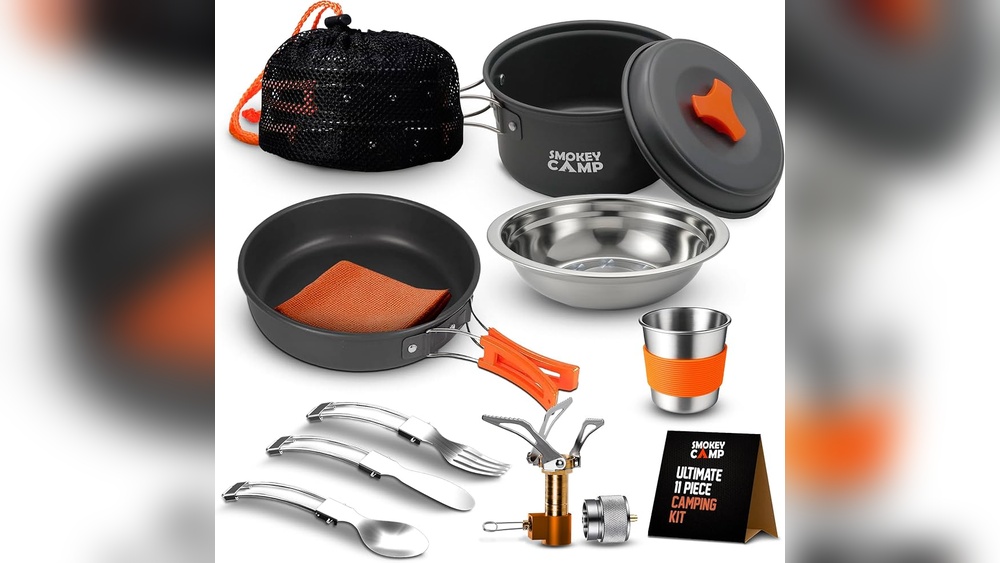
Benefits of Camping Pans | Essential Tips for Outdoor Cooking
When you’re out in the wild, every item you carry counts—especially your cookware. Imagine having a camping pan that’s lightweight, easy to clean, and cooks your meals evenly, making your outdoor experience more enjoyable.
Whether you’re a weekend warrior or a seasoned adventurer, choosing the right camping pan can transform your meals and save you time and effort. You’ll discover the key benefits of camping pans and why they should be an essential part of your gear.
Ready to cook smarter and enjoy your time outdoors more? Let’s dive in.
Camping Pan Materials
Choosing the right material for your camping pan affects your cooking experience outdoors. Each material offers unique benefits and some drawbacks. Understanding these helps you pick the best pan for your camping needs. Materials like aluminum, titanium, cast iron, and stainless steel are popular choices among campers. Each handles heat, weight, and durability differently. This section explores these materials to guide your choice.
Aluminum Benefits And Drawbacks
Aluminum pans are very lightweight and heat up fast. They are affordable and easy to carry on hikes. Aluminum conducts heat evenly, which helps avoid hot spots. These pans are great for quick cooking tasks. The main drawback is they can bend or scratch easily. Acidic foods may react with aluminum, changing taste and color. Aluminum pans may wear out faster than other types.
Titanium Advantages
Titanium pans are extremely light and strong. They resist corrosion and will not rust over time. Titanium pans heat quickly but may have uneven heat distribution. They are perfect for long trips where weight matters. These pans are durable and can handle rough outdoor use. The price is higher than aluminum, but they last longer. Titanium pans are easy to clean and maintain.
Cast Iron Durability
Cast iron pans are heavy but very tough. They hold heat well and cook food evenly. These pans add iron to your diet while cooking. Cast iron can last for generations with proper care. They require seasoning to prevent rust and create a non-stick surface. Heavy weight makes them less ideal for backpacking. Cast iron pans work best for campfires and car camping.
Stainless Steel Strength
Stainless steel pans are strong and resistant to rust. They do not react with acidic foods, keeping flavors pure. These pans handle high heat and are dishwasher safe. Stainless steel is heavier than aluminum but lighter than cast iron. They are easy to clean and maintain without special care. Stainless steel pans suit campers who want durability and versatility.

Credit: www.amazon.com
Cooking Performance
Cooking performance is a key factor when choosing camping pans. Good pans help you cook meals faster and more evenly. They save fuel and reduce food sticking. This section explains how camping pans improve cooking performance.
Heat Conductivity
Heat conductivity means how well the pan spreads heat. Pans with good conductivity cook food evenly. No hot spots or burnt areas appear. Aluminum and copper pans conduct heat quickly. This helps food cook faster and more uniformly. Even heat means better tasting meals and less chance of burning.
Fuel Efficiency
Fuel efficiency is important on camping trips. Pans that heat quickly use less fuel. You spend less time and energy cooking. This is especially useful on long trips or with limited fuel. Efficient pans help you cook with small flames. They keep the heat focused on the food, reducing waste.
Non-stick Capabilities
Non-stick pans prevent food from sticking during cooking. This makes cooking and cleaning easier. Less oil is needed, which helps make meals healthier. Non-stick surfaces reduce the chance of burning food. Many camping pans have coatings or naturally non-stick materials. This feature saves time and effort outdoors.
Weight And Portability
Weight and portability are key factors for camping pans. Carrying heavy cookware can slow you down. Lightweight pans make hiking and camping easier. Portable designs save space in your backpack. This section explores how camping pans excel in these areas.
Lightweight Options
Many camping pans use materials like titanium or aluminum. These materials keep the pan light but strong. A lighter pan means less weight to carry. It helps reduce fatigue during long hikes. Lightweight pans also heat quickly, saving fuel and time.
Compact Designs
Compact pans are designed to fit into small spaces. They often have foldable handles or stackable shapes. This makes packing more efficient and organized. Compact pans fit easily in backpacks or camping kits. They help keep your gear neat and accessible.
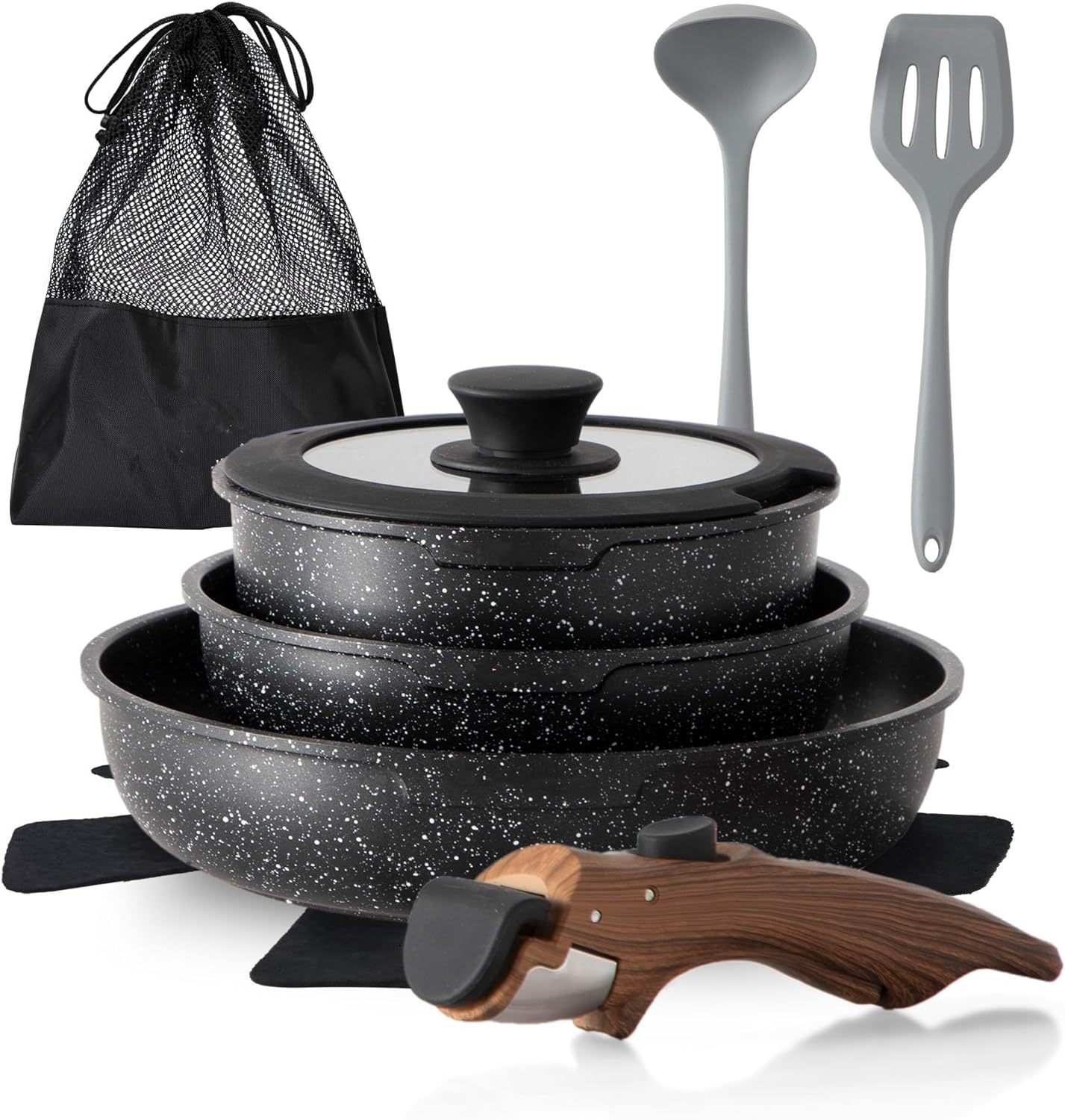
Detachable Sets
Detachable camping pans come apart for easy storage. You can separate the pan, lid, and handles. This feature reduces bulk and saves space. Detachable sets are versatile for different cooking needs. They make cleaning and packing simpler on the trail.
Credit: www.bay.com
Durability And Maintenance
Durability and maintenance are key factors when choosing camping pans. These pans must endure rough outdoor conditions. They should resist scratches, dents, and heat. Easy maintenance keeps them functional and ready for every trip.
Strong materials like stainless steel, cast iron, and titanium often make up camping pans. These materials handle tough use without losing quality. Proper care helps extend the pan’s life and cooking performance.
Resistance To Wear
Camping pans face rough surfaces and frequent use. Durable metals resist scratches and dents well. Cast iron pans can last decades with proper seasoning. Titanium pans resist corrosion and stay strong under heat. Choosing wear-resistant pans saves money and hassle.
Cleaning Tips
Clean pans soon after cooking to avoid stuck food. Use warm water and mild soap for most materials. Avoid harsh scrubbers that can damage non-stick layers. For cast iron, scrub with a brush and dry immediately. Reapply oil to keep its surface smooth and rust-free.
Handling Acidic Foods
Some pans react to acidic foods like tomatoes or citrus. Aluminum pans may discolor or corrode over time. Stainless steel and cast iron handle acids better but need care. Avoid leaving acidic foods in pans for long periods. Proper cleaning prevents damage and keeps flavors pure.
Health And Safety
Camping pans play a key role in keeping your food safe and healthy. Choosing the right pan reduces risks of harmful chemicals and contamination. It also ensures your meals cook evenly without any danger to your well-being. Understanding health and safety aspects of camping pans protects you on every trip.
Safe Cookware Materials
Look for pans made of stainless steel, cast iron, or titanium. These materials do not react with food or release toxins. They last long and handle heat well. Avoid cheap metals that may leach harmful substances during cooking. Safe materials keep your meals pure and your body protected.
Avoiding Harmful Coatings
Non-stick coatings can release chemicals when overheated. Some coatings may chip or wear off, mixing with your food. Choose pans without synthetic coatings or with natural seasoning like cast iron. This lowers risks of chemical exposure. Clean and maintain your pans properly to avoid damage to coatings.
Food Contamination Risks
Dirty pans cause bacteria and cross-contamination. Always clean your camping pans after use with hot water and soap. Avoid using harsh chemicals that damage the pan surface. Store pans in a dry place to prevent rust. Using safe pans reduces chances of foodborne illness outdoors.
Credit: www.rei.com
Cost Considerations
Considering the cost of camping pans is important for every camper. Prices vary widely based on material, size, and brand. Choosing the right pan can save money and improve your outdoor cooking experience.
Smart spending means balancing price with durability and functionality. Some pans cost less upfront but may wear out quickly. Others ask for a higher price but last for years.
Budget-friendly Picks
Affordable camping pans offer good value for beginners. Lightweight aluminum pans often come at a low price. They heat quickly and are easy to carry. These pans work well for short trips or casual campers. Keep in mind, cheaper pans may dent or warp over time.
Investment In Quality
High-quality pans cost more but provide better cooking results. Stainless steel and cast iron are durable options. They handle heat evenly and resist damage. Quality pans often include non-stick coatings or sturdy handles. Spending more upfront can reduce the need to replace gear often.
Long-term Value
Durable camping pans offer long-term savings. A well-made pan can last for many camping seasons. This reduces waste and repeated purchases. Choosing reliable brands ensures consistent performance. Think of quality pans as an investment in your camping gear.
Choosing The Right Pan
Choosing the right camping pan is key to a great outdoor cooking experience. A good pan saves space, cooks evenly, and suits your meal plans. Picking the pan that fits your trip and style makes cooking simple and fun. Consider how you cook, who you cook for, and what meals you want. These points help you find the best pan for your camping needs.
Matching Pan To Trip Type
Short trips need lightweight, small pans for easy carrying. Longer trips allow for bigger pans with more features. Backpacking calls for compact pans that fit tight spaces. Car camping lets you bring heavier pans with better cooking power. Think about your travel style to pick the right size and weight.
Family Vs Solo Camping Needs
Solo campers need small pans that cook one or two servings. Family trips require larger pans to cook more food at once. Bigger pans save time by cooking for everyone together. Choose pans that fit your group size and meal habits. This keeps cooking smooth and avoids wasting fuel.
Versatility In Cooking
Look for pans that do more than one job. A pan that can fry, boil, and simmer adds value. Multi-use pans cut down on gear and weight. Easy-to-clean surfaces save time after meals. Versatile pans help cook many dishes with less fuss.
Tips For Outdoor Cooking Success
Cooking outdoors adds joy to any camping trip. Success depends on good habits and smart use of your camping pans. Simple tips help you cook tasty meals with less effort. Follow these guidelines for better heat use, safer food, and longer pan life.
Efficient Heat Use
Choose pans that match your stove size. This saves fuel and cooks food evenly. Use lids to keep heat inside. Stir food often to prevent burning. Avoid high flames that waste energy and damage pans.
Safe Food Handling
Keep raw and cooked foods separate to stop germs. Wash hands and utensils before cooking. Use clean water for washing food and pans. Cook meat thoroughly to kill bacteria. Store leftovers in sealed containers to avoid spoilage.
Maximizing Pan Lifespan
Clean pans with warm water and soft sponges only. Avoid metal scrubbers that scratch surfaces. Dry pans well to prevent rust. Season cast iron pans regularly to keep their coating. Store pans in a dry place, away from dirt and moisture.
Frequently Asked Questions
What Are The Pros And Cons Of Camping Stoves?
Camping stoves offer fast boiling and good flame control. They use readily available fuel. Downsides include higher cost, noise, and complex maintenance.
Are Aluminum Pans Healthy For You?
Aluminum pans are generally safe for cooking but may react with acidic foods. Use anodized aluminum for better health and durability.
What Is Camp Cookware Made Of?
Camp cookware is made from aluminum, stainless steel, cast iron, carbon steel, and titanium. These materials offer durability and efficient heat conduction.
What Are The Most Healthy Pans To Use?
The healthiest pans are stainless steel, cast iron, carbon steel, and titanium. They avoid harmful coatings and provide even heat. Cast iron and carbon steel develop natural non-stick surfaces with oil. Avoid aluminum pans with non-stick coatings due to potential toxins.
Choose durable, non-toxic cookware for safe cooking.
Conclusion
Camping pans make outdoor cooking easy and enjoyable. They save space and weight in your backpack. Durable materials last through many trips and rough use. Good heat conduction cooks food evenly and quickly. Easy-to-clean surfaces reduce time spent on chores.
Choosing the right pan improves your camping meals. A simple tool can boost your outdoor experience. Enjoy tasty food no matter where you camp. Camping pans truly add value to every adventure.

I am an outdoor enthusiast and gear researcher passionate about camping, hiking, backpacking, and outdoor adventures. I enjoy testing gear, comparing products, and sharing practical advice to help readers make informed decisions. At BestOutsideGear, I create honest gear reviews, buying guides, and outdoor tips to help adventurers choose the right equipment with confidence.