Benefits of Tent Footprint: Essential Protection for Your Gear
When you set up your tent, the ground beneath plays a bigger role than you might think. Have you ever struggled with a damp, dirty tent floor or worried about sharp rocks poking through?
That’s where a tent footprint comes in. This simple, lightweight layer sits right under your tent, acting like a shield that keeps your gear clean, dry, and protected. Imagine camping without worrying about leaks, abrasions, or shortening your tent’s lifespan.
If you want to enjoy a more comfortable, hassle-free outdoor experience and get the most out of your tent, understanding the benefits of a tent footprint is a game-changer. Keep reading to discover why this small addition can make a huge difference on your next adventure.
What Is A Tent Footprint
A tent footprint is a protective layer placed beneath your tent. It acts as a shield between the tent floor and the ground. This simple accessory helps protect your tent from damage and dirt.
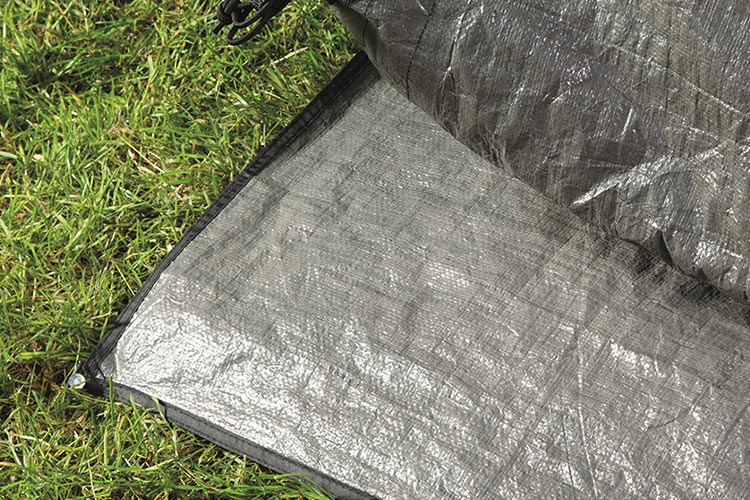
Made from durable, waterproof material, the footprint is lightweight and easy to carry. It matches the size and shape of your tent’s base. Using a footprint improves the tent’s performance and lifespan.
What Materials Are Tent Footprints Made From?
Tent footprints are usually made from tough fabrics like polyester or nylon. These materials resist tears and water. Some have a special coating to boost waterproofing. The fabric choice depends on your camping needs.
How Does A Tent Footprint Protect Your Tent?
The footprint prevents sharp rocks and sticks from poking the tent floor. It also blocks moisture from seeping up from wet ground. This keeps the tent dry and clean inside. The footprint reduces wear and tear on the tent floor.
Is A Tent Footprint Easy To Use?
Yes, footprints are simple to set up. Lay it down first, then pitch your tent on top. They fold up small and fit easily in your backpack. Using one adds little extra weight but big protection.
Protection Against Ground Damage
Using a tent footprint offers vital protection against ground damage. It acts as a barrier between the tent floor and the surface below. This extra layer helps keep your tent safe from common outdoor hazards. Protecting your tent from ground damage increases its durability and comfort during your camping trips.
Shielding From Sharp Objects
The ground often has sharp rocks, sticks, or debris. These objects can puncture your tent floor easily. A tent footprint shields the bottom of your tent from these sharp threats. It prevents holes and tears that could ruin your camping experience. This protection is especially useful on rocky or rough terrain.
Preventing Abrasion And Wear
Walking inside the tent causes friction on the floor. This constant rubbing can wear down the tent material over time. The footprint reduces abrasion by taking the brunt of the wear. It preserves the tent floor’s integrity and extends its lifespan. Using a footprint keeps your tent looking and feeling new longer.
Moisture Barrier Benefits
Using a tent footprint creates a strong moisture barrier under your tent. This layer protects against wet ground, keeping the inside dry and comfortable. It also helps prevent damage from damp soil, which can cause mold or weaken the tent fabric. A footprint adds an extra shield that improves your camping experience in wet conditions.
Reducing Ground Moisture Seepage
The footprint stops moisture from seeping through the tent floor. It acts as a buffer between the wet ground and your tent. This reduces the risk of water pooling under your tent. Your gear stays dry, and the tent floor stays intact longer. The barrier also helps keep condensation from the ground away.
Enhancing Waterproofing
A tent footprint enhances the tent’s waterproof ability. It adds an extra layer that water must pass through. This layer reduces the chance of leaks during rain or dew. The footprint also protects the tent’s original waterproof coating from wearing out fast. This helps maintain the tent’s long-term water resistance and durability.
Extending Tent Lifespan
Using a tent footprint plays a key role in extending your tent’s lifespan. It acts as a protective layer between the ground and your tent’s floor. This simple addition helps keep your tent strong and ready for many camping trips. The benefits go beyond just cleanliness and ease of setup.
Minimizing Floor Wear And Tear
A footprint shields the tent floor from sharp rocks and sticks. It absorbs the roughness of the ground, preventing holes and tears. This extra layer reduces damage caused by friction and pressure. Over time, this protection keeps the tent floor intact and durable. It means fewer repairs and less chance of leaks during wet weather.
Maintaining Tent Integrity
The footprint supports the tent’s overall structure by keeping the floor dry and clean. Moisture from the ground can weaken tent materials and cause mold. Dirt and grit can wear down the fabric fibers. A footprint stops these problems by creating a barrier. This helps the tent stay strong and reliable for many seasons.
Improved Comfort And Insulation
Using a tent footprint improves comfort and insulation during camping. It adds a protective layer between the tent floor and the ground. This layer helps keep the cold and dampness away, making your sleeping area warmer. Comfort increases as you avoid feeling the hard, cold ground beneath you. A footprint also keeps the tent floor clean and dry. These benefits make your camping experience more pleasant and cozy.
Adding Insulation From Cold Ground
The footprint acts as a barrier against cold ground. It prevents heat loss through the tent floor. This extra insulation helps keep your sleeping bag warmer. You feel less chill from the earth below. The layer reduces cold air seeping into the tent. This is especially useful in chilly or wet conditions. A warmer tent means better rest and more energy for your trip.
Creating A Cleaner Tent Interior
A footprint stops dirt and moisture from entering the tent. It collects mud, small stones, and debris outside the tent floor. This keeps your living space tidy and dry. With less dirt inside, your gear stays cleaner too. The tent floor stays in better condition longer. Cleaning your tent becomes easier after camping. A cleaner tent interior adds to your overall comfort.
Choosing The Right Footprint
Choosing the right footprint for your tent is important for protection and comfort. A footprint acts as a barrier between the ground and your tent floor. It prevents damage from sharp rocks, sticks, and dirt. Picking the right one can extend your tent’s life and improve your camping experience.
Matching Footprint To Tent Size
Always pick a footprint that fits your tent size exactly. A footprint too small leaves parts of your tent floor exposed. This can cause tears and wear. A footprint too large can collect water under the tent. This may lead to dampness inside. Check the tent’s floor dimensions before buying a footprint.
Selecting Suitable Materials
Footprints come in various materials such as nylon, polyester, and polyethylene. Nylon footprints are light and pack small. Polyester footprints resist UV damage well. Polyethylene footprints are heavy but very durable. Choose a material based on your camping style and weather conditions. Waterproof and tear-resistant materials offer the best protection for your tent floor.
Using Footprints In Different Conditions
A tent footprint adds a protective layer between the ground and your tent. It shields the tent floor from damage and dirt. Using a footprint changes how your tent performs in various outdoor conditions. It helps keep your tent dry and intact. Below, we explore how footprints work on rough and wet surfaces.
Rocky And Uneven Terrain
Rocky ground can tear a tent floor easily. A footprint acts as a barrier against sharp stones and sticks. It reduces wear and tear, extending the tent’s life. On uneven terrain, footprints add a bit of cushioning. This makes sleeping more comfortable and protects the tent fabric from stress.
Using a footprint also keeps the tent floor cleaner. Dirt and small rocks stay on the footprint, making cleanup easier. It helps maintain the tent’s waterproof ability by preventing holes and punctures. Campers can set up on rough ground without worrying about damage.
Wet And Muddy Ground
Wet soil can soak through a tent floor without protection. A footprint adds a waterproof layer beneath the tent. It keeps moisture from seeping inside and soaking your gear. Mud and dirt stay on the footprint, not the tent floor, making it cleaner.
Footprints also prevent the tent floor from direct contact with wet ground. This reduces dampness and helps keep the tent dry inside. Even after rain, the footprint helps protect your tent from water damage. It improves comfort and keeps your camping gear safe and dry.
Credit: www.winfieldsoutdoors.co.uk
Common Misconceptions About Footprints
Many campers misunderstand what a tent footprint really does. Some think it keeps tents dry in heavy rain alone. Others believe it is necessary for every camping trip. These ideas miss the broader benefits footprints offer. Knowing the facts can help you use your footprint better. It can protect your tent and improve your camping experience.
Footprints And Heavy Rain Protection
Some believe footprints stop all water in heavy rain. Footprints add a thin, waterproof layer under your tent. This layer helps reduce moisture from the ground. It also shields the tent floor from sharp rocks and sticks. But footprints cannot keep out water from flooding or puddles around the tent. The tent’s own rainfly and design handle rain protection best. Footprints mainly protect the tent floor and keep it cleaner.
Necessity For All Camping Trips
Not every camping trip needs a footprint. Some campers think footprints are a must every time. Footprints add a small weight and bulk to your gear. If ground is soft and clear, a footprint may not be needed. But footprints are very useful on rough, rocky, or wet terrain. They extend the life of your tent by preventing tears and wear. Using a footprint depends on where and how you camp.
Tips For Proper Footprint Use
Using a tent footprint properly can extend your tent’s life and improve your camping comfort. Small mistakes in placement can reduce its benefits. Follow simple tips to get the most out of your footprint. These tips help protect your tent floor from damage and moisture.
Correct Placement Under Tent
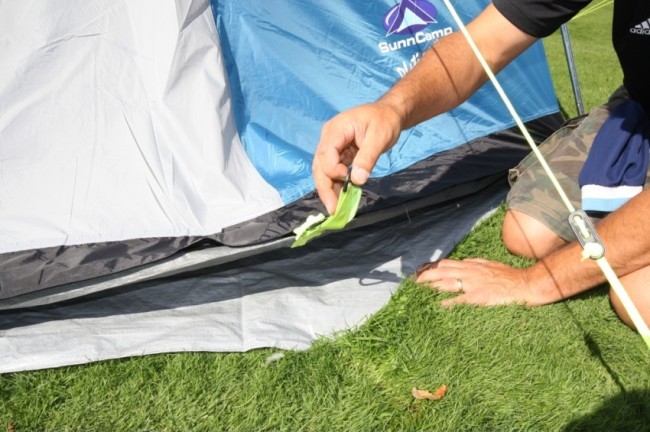
Place the footprint directly under your tent floor. It should match the tent’s shape and size. Avoid letting the footprint stick out beyond the tent edges. Extra material can collect rainwater and cause wetness. Align the footprint carefully before setting up the tent poles. This prevents folds and wrinkles that can wear the tent floor.
Avoiding Water Pooling
Ensure the footprint lies flat on the ground. Check for dips or holes where water can collect. Water pooling under the tent can soak through the floor. Use a slight slope to let water run away from the tent. Keep the footprint clean and free of debris that blocks drainage. Proper drainage protects your tent and keeps the inside dry.
Credit: theexpertcamper.co.uk
Credit: www.winfieldsoutdoors.co.uk
Frequently Asked Questions
Is It Worth Getting A Tent Footprint?
A tent footprint protects your tent floor from punctures, dirt, and moisture. It extends tent life and adds comfort on rough ground.
What Purpose Does A Tent Footprint Serve?
A tent footprint protects the tent floor from punctures, moisture, and dirt. It extends tent life and improves insulation.
Does A Tent Footprint Help With Rain?
A tent footprint protects the floor from punctures and dirt, reducing leaks and extending tent life. It offers slight rain protection but can’t prevent heavy puddles.
Do You Really Need Tent Stakes?
Yes, tent stakes secure your tent against wind and rain, providing stability and preventing movement during camping.
Conclusion
A tent footprint protects your tent from dirt and sharp objects. It keeps the floor clean and dry during camping trips. The footprint also helps prevent tears and leaks in your tent floor. Using one can extend your tent’s life significantly.
It adds a layer of insulation and comfort under your tent. Simple and lightweight, it fits easily in your backpack. Choosing a footprint is a smart step for any camper. It ensures a safer, more pleasant outdoor experience.

I am an outdoor enthusiast and gear researcher passionate about camping, hiking, backpacking, and outdoor adventures. I enjoy testing gear, comparing products, and sharing practical advice to help readers make informed decisions. At BestOutsideGear, I create honest gear reviews, buying guides, and outdoor tips to help adventurers choose the right equipment with confidence.