Benefits of Tent Stakes: Secure Your Camp with Confidence
Imagine setting up your tent after a long day outdoors, only to have it wobble, flap, or even collapse because it’s not properly secured. You don’t want that.
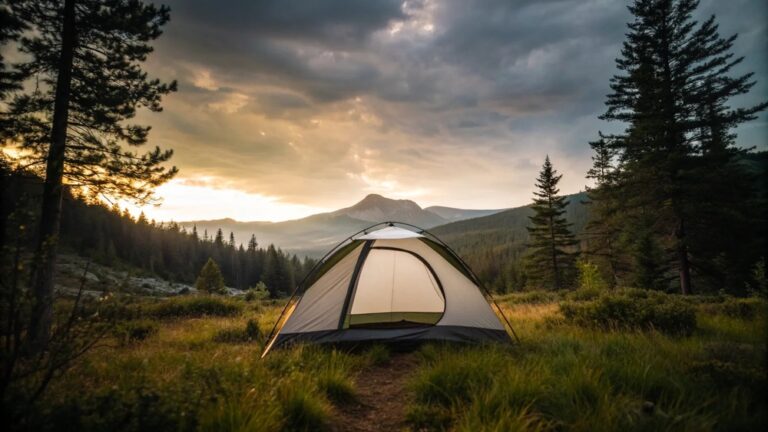
That’s where tent stakes come in—they’re small, simple, but incredibly powerful tools that make all the difference in your camping experience. When you use the right tent stakes, you’re not just anchoring fabric to the ground; you’re creating a stable, safe, and comfortable shelter that stands firm against wind, rain, and rough terrain.
Curious how such a tiny piece of gear can protect your whole campsite? Keep reading to discover the surprising benefits of tent stakes and why they should be a must-have in your outdoor kit. Your next adventure deserves nothing less.
Purpose Of Tent Stakes
Tent stakes play a crucial role in camping and outdoor shelter setups. Their main purpose is to anchor tents firmly to the ground. This anchoring helps keep the tent stable and safe. Stakes prevent tents from moving, collapsing, or blowing away. They work by being driven into the soil at key points of the tent.
Different types of stakes suit different ground conditions. Some are made for sandy soil, others for hard, rocky terrain. The right tent stakes ensure your shelter stays secure through changing weather. Understanding their purpose helps campers choose the best stakes for their needs.
Anchoring And Stability
Tent stakes anchor tents by digging into the ground. This secure hold keeps the tent from shifting or sliding. Stakes hold down the tent’s corners and edges. Without stakes, tents can easily move in the wind or uneven ground.
Good anchoring creates a stable base. It stops the tent from collapsing or lifting off. Stability is important for comfort and safety inside the tent. Properly placed stakes make the shelter solid and reliable.
Tension And Wind Resistance
Stakes help create tension in the tent fabric. This tension keeps the tent tight and smooth. Tight fabric reduces flapping sounds and wear from movement. It also helps shed rain and snow more effectively.
Stakes resist wind forces by holding the tent firmly. They prevent the tent from blowing away in gusts. Strong tension combined with anchoring improves wind resistance. This protection is vital during storms or windy weather.
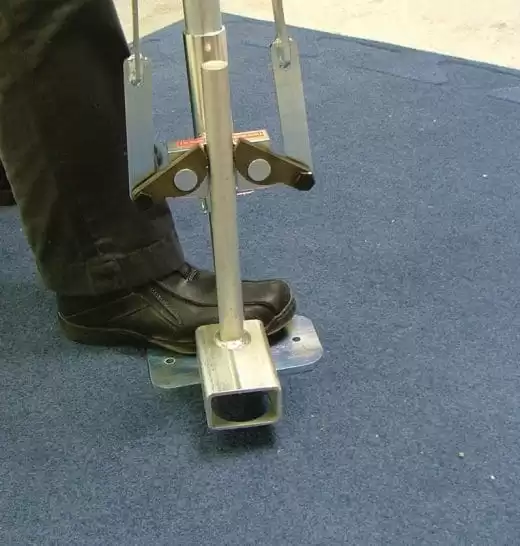
Credit: anchorinc.com
How Tent Stakes Work
Tent stakes play a crucial role in keeping your tent steady and secure. They work by anchoring the tent firmly to the ground. This prevents the tent from moving or blowing away during wind or rain. Understanding how tent stakes function helps you camp more safely and comfortably.
Direct Ground Anchoring
Tent stakes are driven directly into the soil at the tent’s corners. This creates a strong hold that stops the tent from shifting. The deeper and tighter the stake is in the ground, the better it holds. Different soils require different types of stakes to get the best grip.
Soft soil needs longer stakes to reach solid ground below. Hard or rocky soil calls for shorter, stronger stakes that resist bending. Proper anchoring ensures the tent stays upright and stable.
Securing Guylines
Guylines are ropes attached to the tent that pull the fabric tight. Tent stakes hold these guylines firmly to the ground. This tension keeps the tent fabric taut and reduces flapping in the wind.
Secured guylines add extra stability, especially in bad weather. They distribute wind forces evenly across the tent structure. This helps prevent damage and makes your shelter safer.
Types Of Tent Stakes
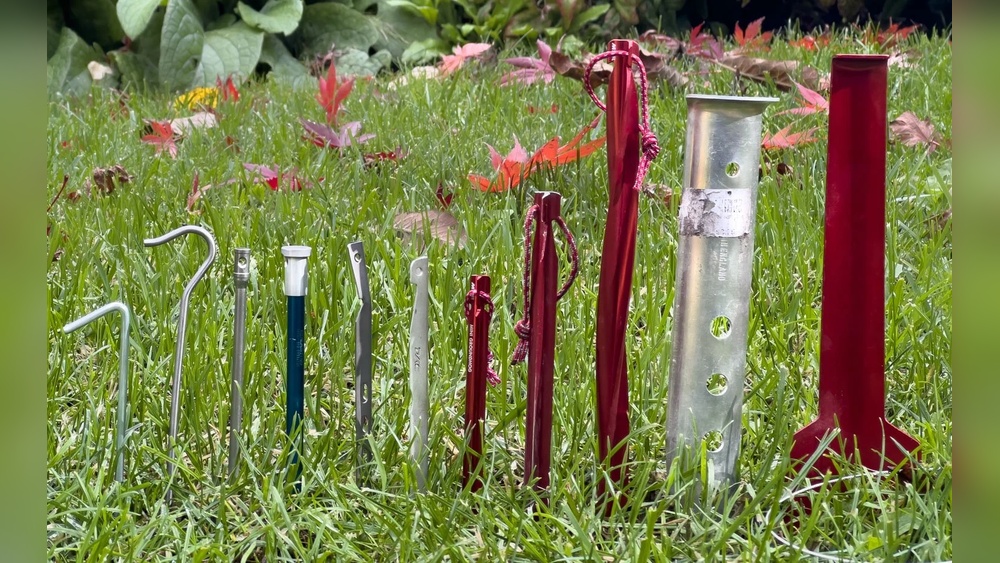
Choosing the right type of tent stakes ensures your tent stays secure in different terrains. Tent stakes vary by design and material to suit ground conditions. Each type offers unique benefits for stability and durability. Understanding these types helps you pick the best stakes for your camping needs.
Soft Ground Stakes
Soft ground stakes work well in sand, snow, or loose soil. They are longer and wider to increase surface area. This design prevents the stakes from pulling out easily. Plastic or lightweight aluminum stakes often serve this purpose. They are easy to drive into soft earth and provide firm anchoring.
Hard Ground Stakes
Hard ground stakes are shorter and more rigid. They are made from strong metals like steel or titanium. Their narrow shape helps penetrate rocky or compact soil. These stakes resist bending and hold the tent firmly. They are ideal for camping on rocky trails or dry, hard surfaces.
Heavy-duty Stakes
Heavy-duty stakes suit large tents or harsh weather conditions. They are thicker and heavier, often made from rebar or solid steel. These stakes provide maximum strength and stability. They resist strong winds and heavy rain effectively. Use them for extended camping or group events.
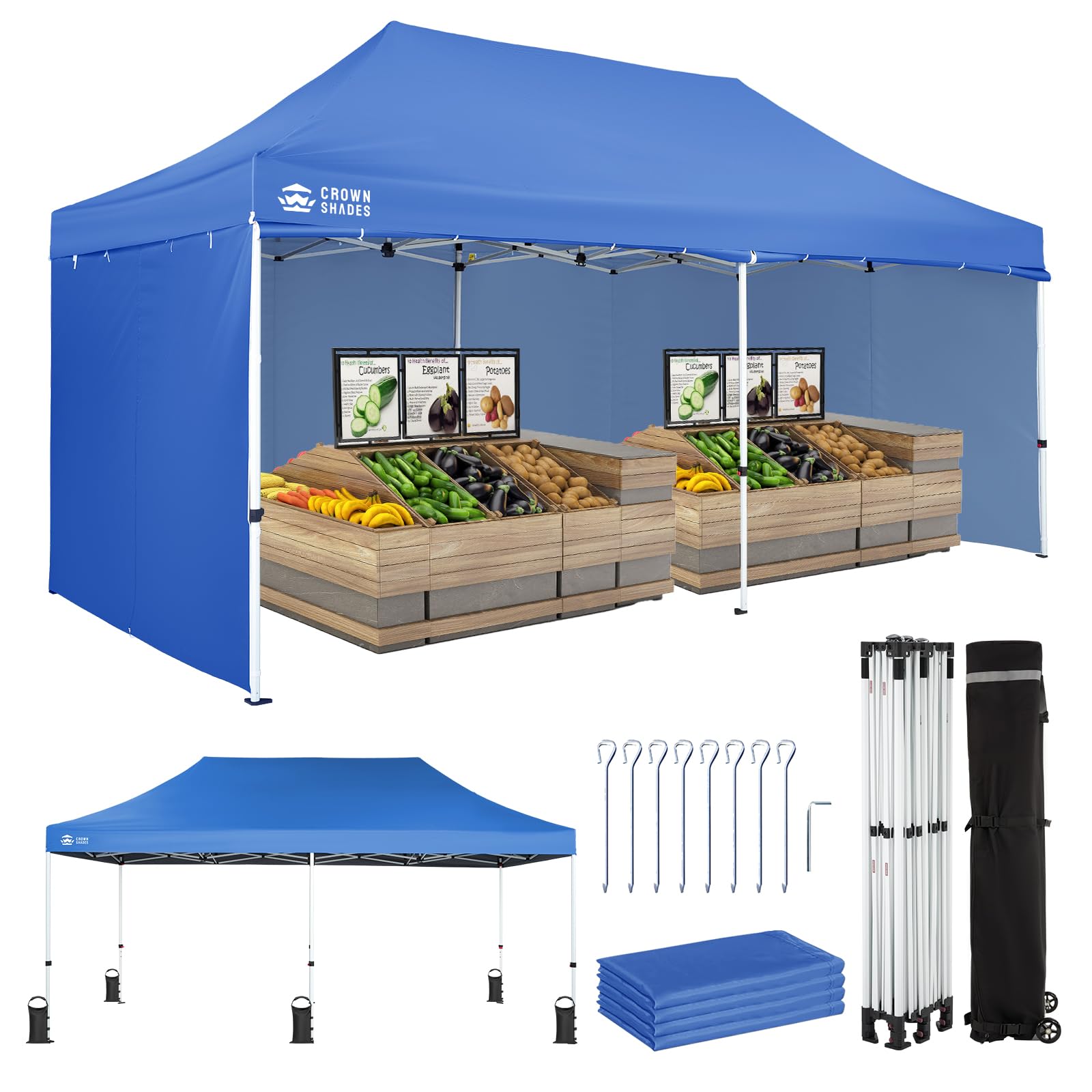
Credit: www.amazon.com
Choosing The Right Stakes
Choosing the right tent stakes is crucial for a safe and comfortable camping experience. Stakes hold your tent firmly in place. They stop your tent from moving or collapsing. Different camping spots and weather need different stakes. Knowing which stakes suit your needs helps you camp with confidence.
Material Considerations
Stakes come in various materials like aluminum, steel, and plastic. Steel stakes are strong and resist bending. Aluminum stakes are light and easy to carry. Plastic stakes work well in soft soil but may break in hard ground. Choose a material that fits your camping style and ground type.
Length And Shape
Long stakes provide better grip in soft soil or sand. Short stakes are easier to use in rocky or hard ground. The shape also matters. V-shaped stakes penetrate hard soil better. Spiral or corkscrew shapes work great in loose soil. Pick the length and shape that match the ground where you camp.
Suitability For Weather Conditions
Strong winds need strong, durable stakes. Heavy rain can soften the ground, requiring longer stakes. Snow camping calls for special snow stakes or anchors. Light stakes may not hold well in tough weather. Match your stakes to the weather for a steady tent.
Benefits Of Using Tent Stakes
Tent stakes play a crucial role in outdoor camping and shelter setup. They keep your tent firmly anchored to the ground. Using tent stakes brings many advantages that improve your camping experience. Below are key benefits of using tent stakes for your tent.
Enhanced Safety
Tent stakes secure your tent against strong winds. They stop the tent from shifting or collapsing. This protection prevents accidents and injuries. Properly staked tents offer peace of mind during storms or gusty weather.
Improved Tent Durability
Stakes reduce stress on tent fabric and poles. They hold the tent tightly, preventing flapping and tearing. This extends the life of your tent materials. A well-staked tent maintains its shape and strength for many trips.
Better Weather Resistance
Tent stakes help your tent resist rain and snow. By keeping the tent tight, they prevent water from pooling or leaking. Stakes also stop the tent from blowing away in rough weather. Your shelter stays dry and stable in changing conditions.
Techniques For Effective Staking
Effective staking is essential to keep your tent secure and stable. Proper techniques help your tent withstand wind and weather. Using the right methods also protects your tent fabric and poles from stress. Below are key techniques for staking your tent effectively.
Proper Angle And Depth
Drive stakes into the ground at a 45-degree angle. This angle offers the best hold and resists pulling. Insert stakes deep enough to leave only a small part visible. Avoid shallow stakes that can pull out easily. Firm soil requires less depth, while soft soil needs deeper stakes.
Using Guylines For Stability
Attach guylines to your tent and stake them out. Guylines add extra tension and support. They help spread the force of wind over more points. Keep guylines tight but not overly stretched. Proper use of guylines improves tent stability in strong winds.
Adjusting For Different Soil Types
Soft or sandy soil needs wide or specialized stakes. Use longer stakes or bury objects like logs for extra hold. Rocky or hard soil requires shorter, strong stakes. Choose stakes made from durable materials like steel or titanium. Match your stakes to the soil for best performance.
Alternatives To Traditional Stakes
Traditional tent stakes work well in many settings, but certain grounds pose challenges. Alternatives to standard stakes offer reliable options for securing tents in tough conditions. These alternatives help campers stay safe and tents stable without relying solely on metal spikes. Choosing the right method depends on the terrain and weather.
Sandbags And Deadman Anchors
Sandbags hold tents in loose or sandy soil where stakes fail. Fill bags with sand, gravel, or dirt, then tie them to tent loops. Deadman anchors involve burying objects like sticks, logs, or bags deep in snow or sand. Attach a rope from the tent to the buried item. These methods create strong holds by increasing surface area underground.
Natural Anchors
Natural anchors use items found on-site, such as rocks, trees, or bushes. Wrap tent guy lines around a sturdy tree trunk or secure them under a heavy rock. This method avoids damaging the environment and works well in rocky or forested areas. Natural anchors are quick and effective when stakes cannot be driven into the ground.
Maintenance And Care
Proper maintenance and care extend the life of your tent stakes. Taking time to clean and check them keeps them strong and reliable. Neglect can cause stakes to rust or weaken. This risks tent stability during use. Regular care ensures your stakes perform well on every trip.
Cleaning And Storage
After camping, remove dirt and mud from each stake. Use a brush or cloth to clean them thoroughly. Avoid harsh chemicals that may damage metal or plastic. Dry stakes completely before storing to stop rust and corrosion. Store stakes in a dry, cool place to protect them from moisture. Keep them in a dedicated bag or container to prevent loss and damage.
Checking For Wear And Damage
Inspect stakes for bends, cracks, or rust before each use. Bent stakes may not hold well in the ground. Cracks can cause stakes to break under pressure. Rust weakens metal and reduces stake strength. Replace any damaged or worn stakes to maintain tent safety. Regular checks help avoid problems during your outdoor adventures.
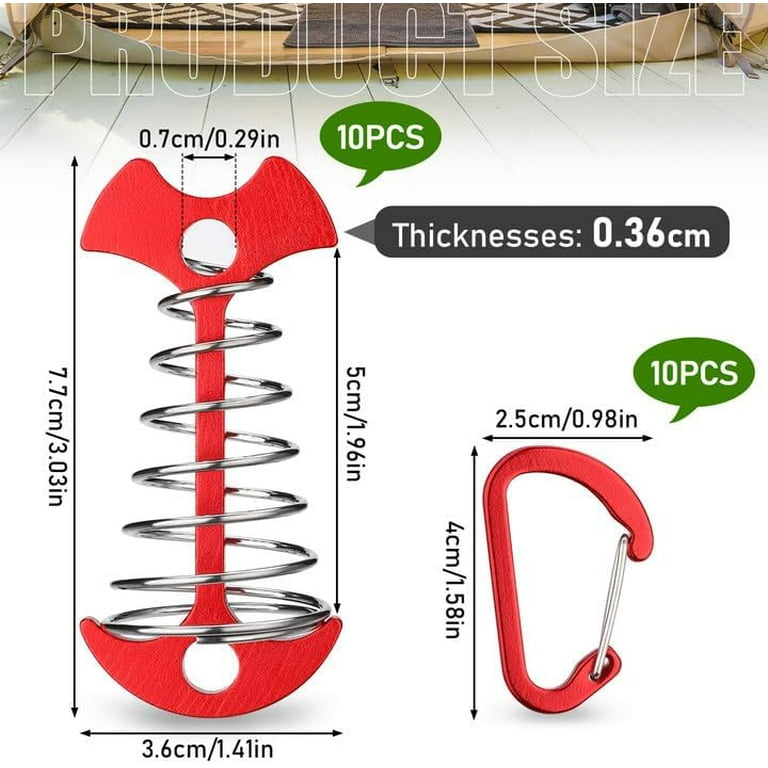
Credit: www.walmart.com
Frequently Asked Questions
Do You Really Need Tent Stakes?
Tent stakes secure your tent to the ground, providing stability and wind resistance. They prevent collapse and flapping, essential for safety in bad weather. Stakes vary by ground type, ensuring firm anchoring on soft or hard soil. Using stakes improves tent durability and comfort during camping.
What Is The Purpose Of Tent Stakes?
Tent stakes anchor tents to the ground, providing stability and preventing movement. They resist wind, maintain tension, and keep shelters secure in various soil conditions.
What Does The Bible Say About Tent Pegs?
The Bible mentions tent pegs as essential tools for securing tents, symbolizing stability and foundation. In Judges 3:23, Ehud uses a tent peg to kill Eglon, highlighting its practical and symbolic importance. Tent pegs represent strength and permanence in biblical contexts.
What Is The Purpose Of Tent Pegging?
Tent pegging secures tents by anchoring them to the ground, ensuring stability and resistance against wind and weather. It prevents tents from collapsing or blowing away, maintaining tension and safety during outdoor activities.
Conclusion
Tent stakes play a key role in keeping your tent safe and steady. They stop the tent from moving or falling in wind or rain. Using the right stakes for the ground type makes a big difference. Strong stakes hold the tent fabric tight and prevent flapping.
Good stakes give peace of mind during camping trips. Simple but effective, tent stakes make outdoor shelter reliable and comfortable. Always pack suitable stakes to enjoy a stable and secure camping experience.

I am an outdoor enthusiast and gear researcher passionate about camping, hiking, backpacking, and outdoor adventures. I enjoy testing gear, comparing products, and sharing practical advice to help readers make informed decisions. At BestOutsideGear, I create honest gear reviews, buying guides, and outdoor tips to help adventurers choose the right equipment with confidence.