How to Use Camping Stove: Essential Tips for Safe Outdoor Cooking
Ready to enjoy a hot meal wherever you camp? Knowing how to use your camping stove safely and efficiently is key to making your outdoor cooking experience easy and enjoyable.
Whether you’re a beginner or just need a quick refresher, this guide will walk you through simple steps to get your stove lit, adjust the flame, and cook like a pro—all while keeping safety top of mind. By the end, you’ll feel confident handling your camping stove anytime, anywhere.
Let’s dive in and make your next camping meal one to remember!
Credit: www.youtube.com
Choosing Your Stove
Choosing the right camping stove is key for a great outdoor cooking experience. Many options exist, each with unique features. Consider your cooking needs, travel style, and fuel availability. This guide helps you pick the perfect stove for your adventure.
Types Of Camping Stoves
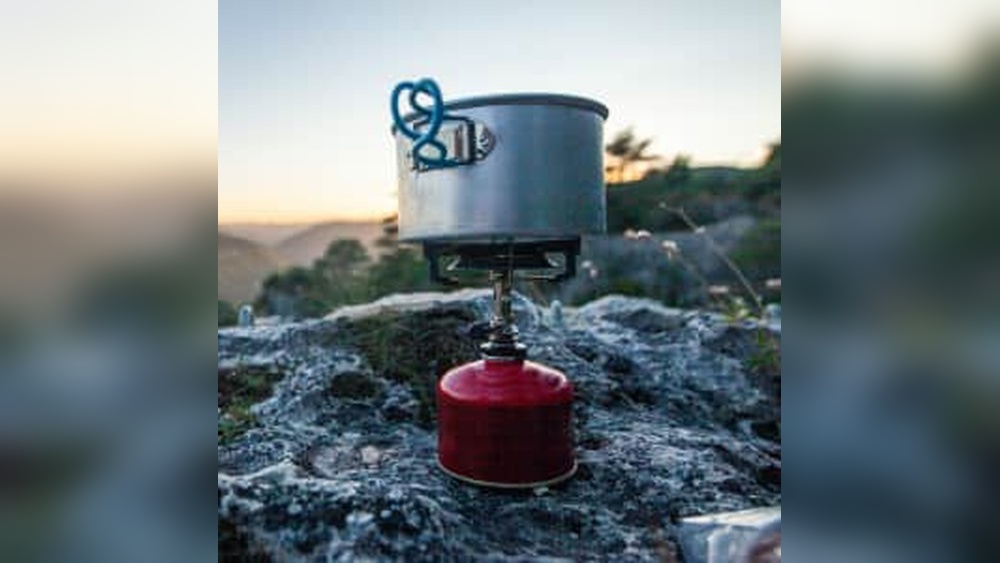
Camping stoves come in various types. Canister stoves use pre-filled gas canisters and are easy to light. Liquid fuel stoves burn white gas or kerosene and work well in cold weather. Multi-fuel stoves accept different fuels, offering flexibility. Alcohol stoves are simple and lightweight but have lower heat output.
Fuel Options
Fuel choice affects stove performance and convenience. Propane and butane are common for canister stoves. They burn cleanly and are easy to use. Liquid fuel like white gas burns hotter and is better for long trips. Alcohol is cheap and widely available but less efficient. Pick fuel based on availability and trip length.
Portability And Size
Portability matters on every trip. Backpackers need small, lightweight stoves that pack easily. Car campers can carry larger, heavier models with more power. Consider stove weight, packed size, and ease of setup. Compact stoves save space and reduce pack weight. Balance stove size with your cooking needs.
Setting Up The Stove
Setting up a camping stove correctly is essential for safe and effective cooking outdoors. This process ensures stability, proper fuel connection, and protection from wind. Taking time to set up the stove carefully improves cooking performance and safety.
Selecting A Stable Surface
Choose a flat, level surface to place your camping stove. Avoid uneven or soft ground that may cause the stove to tip over. Clear away rocks, sticks, or debris that could interfere with stability. A solid surface prevents accidents and keeps your stove steady during cooking.
Unfolding Wind Guards
Most camping stoves have built-in wind guards around the burner area. Fully unfold these guards before lighting the stove. Wind guards shield the flame from gusts and help maintain consistent heat. Properly set wind guards save fuel and improve cooking speed.
Attaching Fuel Canister
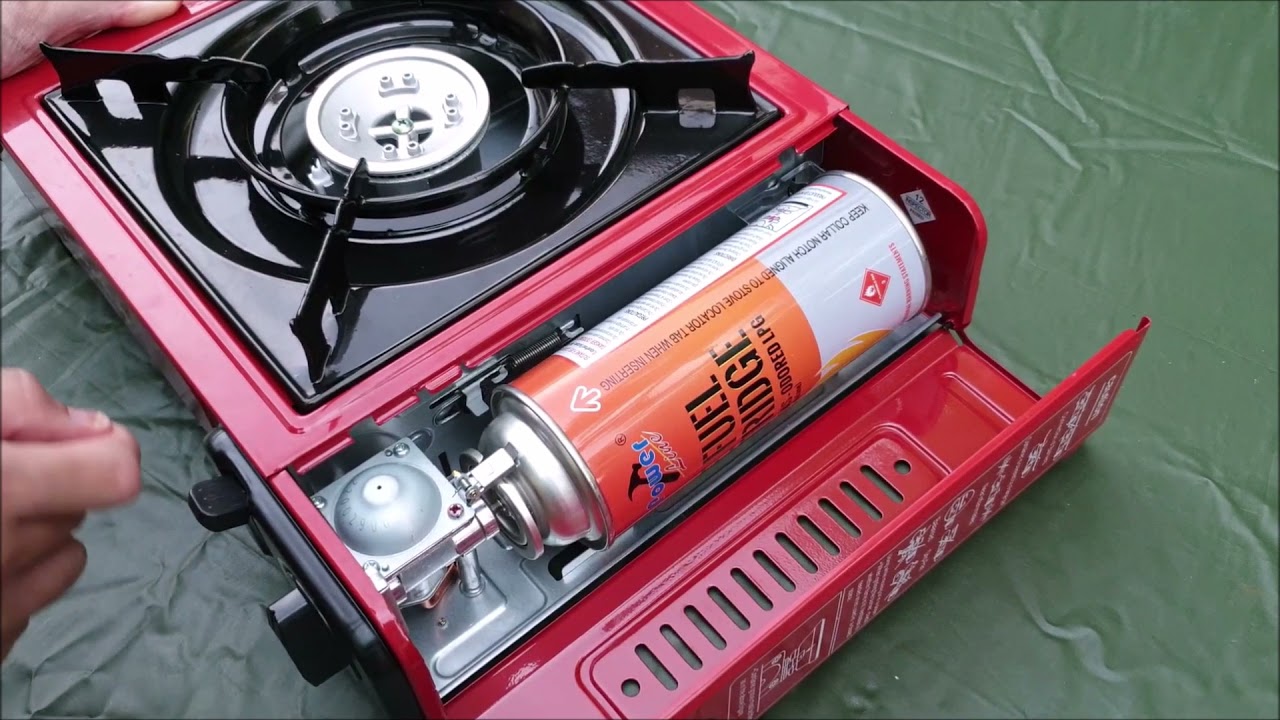
Attach the fuel canister securely to the stove. Check that the stove’s fuel valve is off before connecting. Screw or click the canister into place according to the stove’s instructions. Make sure the connection is tight to avoid leaks. Always use the right type of fuel for your stove model.
Lighting The Stove
Lighting the camping stove is the first step in cooking outdoors. It requires care and attention to safety. Follow simple steps to ignite the burner safely and quickly. Understanding different ignition methods helps you adapt to any situation. Always check that fuel connections are secure before lighting.
Using Matches Or Lighters
Hold a match or lighter close to the burner. Turn the stove’s fuel knob to the “on” position slowly. Light the flame carefully, keeping fingers away from the burner. Use a long match or windproof lighter for safety. If the flame does not ignite immediately, turn off the fuel and try again after a few seconds.
Built-in Igniters
Many camping stoves have built-in igniters for easy lighting. Turn the fuel knob to “on” and press the igniter button. A spark lights the fuel instantly. If the igniter fails, use a match or lighter as a backup. Keep the stove clean so the igniter works properly every time.
Preheating Techniques
Some stoves need preheating for a strong flame. Turn the fuel knob to low and let the burner warm for 10 to 15 seconds. This warms the fuel line and helps steady the flame. Preheating prevents sputtering and saves fuel. Always follow the stove’s instructions for preheating times.

Credit: www.youtube.com
Adjusting The Flame
Adjusting the flame on your camping stove is key for efficient cooking. A proper flame saves fuel and cooks food evenly. Too high or too low flames can cause problems. Learning how to control the flame helps you cook safely and well outdoors.
Achieving A Blue Flame
A blue flame means complete fuel burning and good heat. To get a blue flame, turn the control knob slowly after lighting. Avoid a yellow or orange flame. These colors show poor burning and can make soot. A steady blue flame is clean and hot. It also reduces harmful gas and keeps your stove working longer.
Controlling Heat Output
Adjust the flame size with the stove’s knob. Small flames work well for simmering or warming food. Bigger flames cook faster but use more fuel. Watch your food closely to avoid burning or undercooking. Control heat in steps, not all at once. This helps keep the flame stable and your cooking safe.
Flame Safety Tips
Keep your hands and face away from the flame. Always adjust the flame in a clear, open space. Never leave the stove burning unattended. Check for gas leaks before lighting. Turn off the stove immediately if you smell gas. Use wind guards to protect the flame from strong winds. This keeps the flame steady and prevents accidents.
Cooking Tips
Cooking on a camping stove can be simple and fun with the right tips. Good techniques help you prepare tasty meals safely and efficiently. Here are key tips to improve your cooking experience outdoors.
Using Suitable Cookware
Choose cookware that fits your stove size. Small to medium pots work best. Avoid using heavy or oversized pans. Cookware with flat bottoms heats evenly. Use lightweight materials like aluminum or stainless steel. These heat quickly and are easy to carry.
Managing Cooking Times
Plan your meals to cook quickly. Pre-cut vegetables and meats to reduce cooking time. Keep the flame medium to avoid burning food. Stir food often to cook evenly. Use a lid to trap heat and cook faster. Check food regularly to avoid overcooking.
Avoiding Spills And Flames
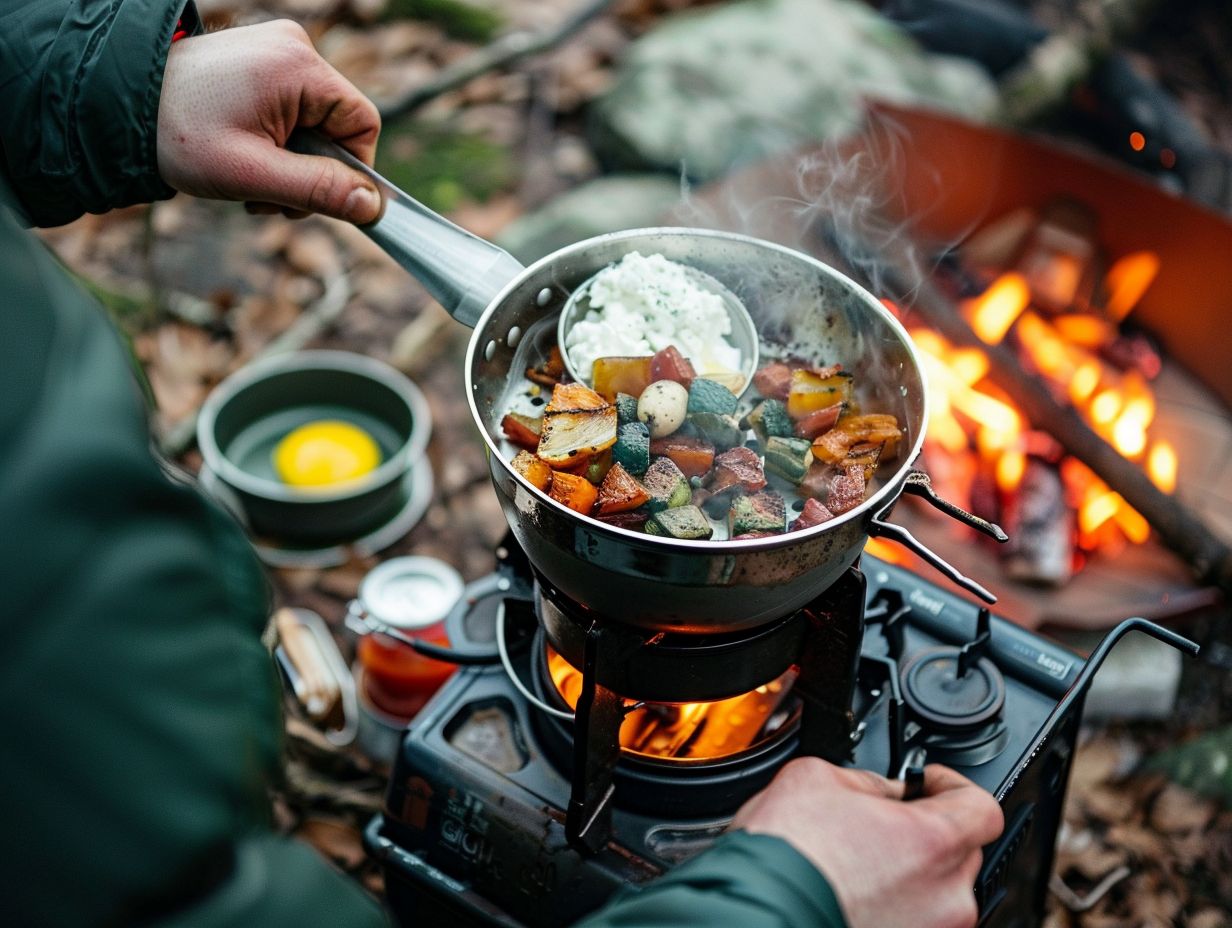
Place pots securely on the stove grate. Avoid filling pots too full to prevent spills. Turn stove knobs slowly to control the flame. Keep flammable items away from the stove. Use wind guards to protect flames from wind. Clean spills promptly to keep the stove safe.
Shutting Down
Shutting down your camping stove safely is as important as lighting it properly. Proper shutdown prevents accidents and keeps your stove in good condition. Follow simple steps to turn off the stove and handle fuel canisters carefully.
Turning Off Fuel Knobs
First, turn the fuel knobs to the “off” position. This stops the gas flow immediately. Ensure all knobs are fully closed. Check for any hissing sounds to confirm fuel is off. Turning off knobs prevents gas leaks and fire hazards.
Cooling Down Procedures
Let the stove cool down before touching or packing it. Cooling takes about 10 to 15 minutes. Keep the stove in a safe, ventilated area while it cools. Avoid moving the stove while hot to prevent burns or damage. Cooling protects the stove and your safety.
Removing Fuel Canisters Safely
After the stove cools, carefully remove fuel canisters. Unscrew or detach canisters slowly to avoid gas release. Store empty or used canisters in a cool, dry place away from heat. Never force canisters if stuck; check the manual for guidance. Proper removal stops leaks and keeps your camping gear safe.
Safety Precautions
Using a camping stove is convenient for outdoor cooking. Safety must be your top priority. Follow important precautions to avoid accidents and injuries. Proper care protects you and those around you.
Avoiding Enclosed Spaces
Never use a camping stove inside tents or small shelters. Stoves produce carbon monoxide, which can be deadly in enclosed areas. Always operate the stove in open air with good ventilation. Keep a safe distance from walls or flammable fabrics.
Detecting Gas Leaks
Check the fuel canister and connections before lighting. Smell for gas or listen for hissing sounds. Do not light the stove if you suspect a leak. Use soapy water on connections to find bubbles, indicating a leak. Fix leaks or replace faulty parts before use.
Keeping Flammables Away
Keep all flammable materials far from the stove. This includes paper, dry leaves, and clothing. Clear the area around the stove of any debris. Use the stove on a stable, non-flammable surface. Always have water or a fire extinguisher nearby for emergencies.
Following Manufacturer Guidelines
Read the user manual carefully before using the stove. Follow all instructions about fuel type and stove operation. Do not modify or use parts that are not approved. Regularly maintain and clean the stove to ensure safety. Proper use extends the stove’s life and prevents accidents.
Credit: theexpertcamper.co.uk
Maintenance And Storage
Proper maintenance and storage keep your camping stove safe and ready to use. Clean and inspect it regularly to avoid problems. Store the stove in a dry and secure place. This section guides you through simple steps to care for your camping stove.
Cleaning The Stove
Clean your stove after each use. Remove food particles and spills to prevent clogging. Use a soft cloth and mild soap with water. Avoid harsh chemicals that damage stove parts. Dry the stove completely before storing. Clean burner holes carefully with a small brush or pin.
Checking For Damage
Check your stove for cracks, dents, or rust. Look at fuel lines and connections for leaks. Replace damaged parts immediately to avoid accidents. Test the stove outdoors before each trip. Make sure the flame burns steady and blue. Do not use the stove if you detect a fuel smell or irregular flame.
Proper Storage Tips
Store your camping stove in a cool, dry place. Keep it away from direct sunlight and moisture. Detach fuel canisters before storage. Store canisters in a well-ventilated area, separate from the stove. Use a protective case or bag to prevent dust buildup. Check the stove again before your next adventure.
Frequently Asked Questions
How Do You Use A Camp Stove?
Place the camp stove on a flat surface. Attach the fuel canister securely with knobs off. Open windshields, turn on the burner knob, and ignite with a lighter or match. Adjust the flame to steady blue. Turn off knobs after cooking.
Always use outdoors in a ventilated area.
How Do You Light A Camping Stove?
Place the stove on a stable surface and attach the fuel canister securely. Turn the burner knob on, then light with a match, lighter, or igniter. Adjust the flame to a steady blue for safe cooking.
How To Start A Fire In A Camping Stove?
Place the camping stove on a flat surface. Attach the fuel canister securely. Open wind guards. Turn the burner knob on. Ignite with a match, lighter, or igniter. Adjust flame to steady blue. Always follow safety guidelines and manufacturer instructions.
How To Operate A Portable Gas Stove?
Place the stove on a flat surface and securely attach the fuel canister. Open windshields, turn the burner knob on, and ignite immediately. Adjust the flame to blue for efficient cooking. Turn off the stove after use and let it cool before storing.
Conclusion
Using a camping stove makes outdoor cooking easier and faster. Always set it on a flat, stable surface. Attach the fuel canister tightly before lighting. Light the burner carefully with a match or lighter. Adjust the flame to a steady blue for best cooking.
Remember to turn off the stove and let it cool after use. Keep safety in mind—use only outdoors and away from flammable items. With practice, cooking outdoors becomes safe and enjoyable. Enjoy your meals under the open sky!
I am an outdoor enthusiast and gear researcher passionate about camping, hiking, backpacking, and outdoor adventures. I enjoy testing gear, comparing products, and sharing practical advice to help readers make informed decisions. At BestOutsideGear, I create honest gear reviews, buying guides, and outdoor tips to help adventurers choose the right equipment with confidence.