Step by Step Guide to Using Multi-Fuel Stove: Easy & Efficient Tips
Are you ready to make the most of your multi-fuel stove but aren’t quite sure where to start? Whether you want to enjoy cozy warmth or efficient cooking, using your stove the right way is key.
In this step-by-step guide, you’ll discover simple, clear instructions that take the guesswork out of lighting, fueling, and maintaining your multi-fuel stove. By following these easy steps, you’ll not only keep your home warm but also ensure safety and fuel efficiency.
Stick with us, and you’ll soon feel confident mastering your stove like a pro. Let’s get started!
Choosing The Right Fuel
Choosing the right fuel is key to getting the best performance from your multi-fuel stove. Different fuels burn in different ways. The heat, smoke, and ash they produce all vary. Knowing which fuel suits your stove helps you save money and keep your home warm. It also protects the stove from damage and reduces pollution.
Types Of Fuel For Multi-fuel Stoves
Multi-fuel stoves can burn wood, coal, peat, and smokeless fuels. Wood is the most common fuel. Coal burns hotter and longer but needs more care. Peat is less common and mostly used in some regions. Smokeless fuels produce less smoke and are good for towns with strict rules. Always check your stove’s guide to see which fuels are safe to use.
Benefits Of Seasoned Wood
Seasoned wood is wood that has dried for at least six months. It burns hotter and cleaner than green wood. Less smoke means less creosote buildup in the chimney. Seasoned wood also produces more heat and less ash. Avoid using wet wood as it creates more smoke and can damage your stove. Store wood in a dry place with good airflow to keep it seasoned.
Using Smokeless Fuels
Smokeless fuels are made to burn cleanly and produce little smoke. They are ideal for areas with smoke control rules. These fuels burn hotter and longer than wood. They also create less ash, so your stove stays cleaner. Using smokeless fuels can improve air quality around your home. Always use fuels approved by your stove manufacturer for safety.

Credit: stahlkitchens.com
Preparing Your Stove
Preparing your multi-fuel stove is a key step before lighting a fire. Proper preparation ensures safe use and better heat output. It also helps extend your stove’s life and keeps your home safe. Focus on three main tasks: cleaning the firebox, checking seals and vents, and setting up the grate. Each step makes your stove ready for use.
Cleaning The Firebox
Start by removing ashes and old fuel from the firebox. Use a small shovel or brush to clear all debris. A clean firebox improves airflow and helps the fire burn well. Check for any leftover soot or creosote. Wipe down the inside with a dry cloth to remove dust. Clean fireboxes prevent blockages and reduce smoke inside your home.
Checking Seals And Vents
Inspect the door seals for cracks or damage. Good seals keep air from leaking, controlling the fire’s burn rate. Look at the vents to ensure they open and close smoothly. Blocked vents limit airflow and cause poor burning. Clear any dirt or ash from vent openings. Replace worn seals to keep your stove efficient and safe.
Setting Up The Grate
Place the grate correctly inside the firebox. The grate holds the fuel and allows air to flow from below. Make sure it fits well and is stable. Remove any old ashes stuck to the grate bars. Proper setup helps fuel burn evenly and keeps the fire strong. Adjust the grate if needed for different fuel types.
Starting The Fire
Starting the fire in a multi-fuel stove is the key to a warm and efficient burn. It needs careful preparation and attention to detail. The right method ensures the fire catches quickly and burns steadily. Follow these steps for a safe and effective start.
Arranging Kindling And Firelighters
Place dry kindling in a small pile at the center of the stove. Use thin sticks that catch fire easily. Put firelighters under the kindling to help start the flame. Avoid overloading with too much kindling. Leave space for air to flow around the wood.
Lighting Techniques
Light the firelighters with a match or lighter. Light from the bottom to help flames rise. Allow the kindling to catch fire naturally. Do not close the door immediately; leave it slightly open to provide air. Watch the fire grow before adding larger fuel.
Adjusting Primary Air Vents
Open the primary air vents fully at the start to feed oxygen to the fire. This helps the flames grow strong and steady. Once the fire is burning well, adjust the vents to control airflow. Closing vents too soon may smother the fire. Keep vents open enough to maintain a clean burn.

Credit: www.youtube.com
Maintaining The Fire
Maintaining the fire in your multi-fuel stove is essential for efficient heating and safety. A well-maintained fire burns cleaner and lasts longer. It also reduces smoke and soot buildup inside the stove. Understanding how to add fuel, control airflow, and avoid common mistakes will improve your stove’s performance.
Adding Fuel Correctly
Add fuel carefully to keep the fire steady. Place small pieces of fuel first to create a strong base. Add larger logs or coal gradually, allowing the fire to adjust. Avoid overloading the stove, which can smother the flames. Open the door slowly to prevent smoke from escaping. Wait for the fire to burn down a little before adding more fuel.
Managing Airflow And Vents
Control airflow to maintain the right temperature. Open the vents fully when lighting the fire to supply plenty of air. After the fire is strong, adjust vents to reduce airflow and slow burning. Use the primary air vent mainly for coal or solid fuels. For wood, rely more on the secondary vents. Proper airflow helps fuel burn efficiently and reduces smoke.
Avoiding Mixing Wood And Coal
Never burn wood and coal together in the same fire. Each fuel type burns differently and needs unique airflow settings. Mixing fuels can cause poor burning and damage the stove. Burn wood only when you want a quick, hot fire. Use coal for a longer, steady heat. Keep fuels separate for better control and safety.
Optimizing Heat Efficiency
Optimizing heat efficiency is crucial for getting the most from your multi-fuel stove. Efficient heat means better warmth and less fuel waste. Understanding how to control the stove’s features can improve performance.
Simple adjustments and careful fuel use help save energy. Follow these key steps to maximize heat output while using your stove.
Controlling Fan Speed
The fan helps spread heat evenly throughout the room. Adjusting the fan speed controls airflow inside the stove. Higher speeds increase air, making the fire burn hotter and faster. Lower speeds reduce airflow, keeping the fire steady for longer.
Start with a medium fan setting and watch the fire’s reaction. Change speed slowly to avoid wasting fuel or causing smoke. Proper fan control balances heat and fuel use efficiently.
Monitoring Moisture Content
Dry fuel burns better and produces more heat. Wet or damp fuel lowers stove efficiency. Check wood or coal before use. Fuel with high moisture creates smoke and reduces warmth.
Use seasoned wood that has dried for at least six months. Avoid fuel that feels wet or heavy. Keeping fuel dry helps the fire burn clean and hot, saving money and time.
Using Proper Fuel Quantities
Adding too much fuel blocks airflow and lowers heat. Too little fuel causes the fire to die quickly. Add fuel in small, regular amounts to maintain a steady fire. Follow the stove manufacturer’s guidelines for fuel quantity.
Keep the firebox balanced. Use enough fuel to keep the fire burning bright without overloading. Correct fuel amounts improve heat output and reduce smoke.
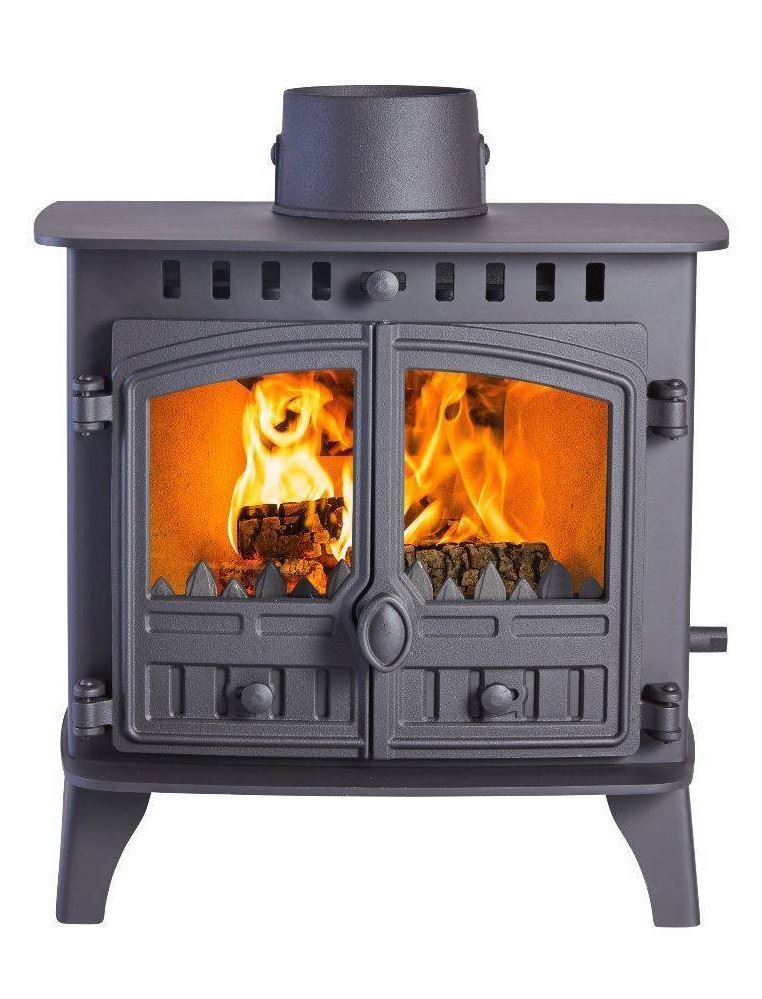
Credit: www.bowlandstoves.co.uk
Safety Tips
Using a multi-fuel stove requires attention to safety at all times. This guide covers key safety tips to keep your home and family secure. Following these steps helps avoid accidents and improves stove performance.
Handling Fuel Safely
Store fuel in a dry place away from children and pets. Use only approved fuels for your stove. Avoid overfilling the stove to prevent spills and fire hazards. Keep fuel containers sealed tightly to stop leaks and contamination. Always handle fuel with care to reduce fire risks.
Preventing Smoke Backdraft
Ensure the chimney or flue is clean before lighting the stove. Open air vents fully during startup to allow smoke to escape. Avoid closing the stove door too quickly as it may cause smoke to backdraft. Check for blockages in the chimney regularly. Proper ventilation protects your indoor air quality.
Using Protective Equipment
Wear heat-resistant gloves when adding fuel or adjusting the stove. Use tools designed for stove operation, such as pokers and shovels. Keep a fire extinguisher nearby in case of emergencies. Avoid loose clothing that can catch fire. Protective gear reduces the chance of burns and injuries.
Routine Maintenance
Routine maintenance keeps your multi-fuel stove safe and efficient. Regular care prevents damage and improves stove life.
Follow simple steps to maintain your stove properly. Clean and inspect it often to avoid problems.
Chimney Cleaning
Clean the chimney at least once a year. Remove soot and creosote buildup to prevent fires. Use a chimney brush or hire a professional. Check for blockages like bird nests or debris. A clean chimney improves airflow and stove performance.
Inspecting And Replacing Seals
Check door and glass seals regularly for cracks or wear. Damaged seals let smoke escape and reduce heat. Replace seals if they look brittle or broken. Use the correct gasket material for your stove model. Proper sealing keeps your stove airtight and efficient.
Servicing Your Stove Annually
Have your stove serviced by a certified technician every year. They will inspect internal parts and clean hard-to-reach areas. Annual servicing ensures safe operation and detects hidden issues early. Keep your stove running smoothly with professional care.
Frequently Asked Questions
What Is The Best Way To Use A Multi-fuel Stove?
Light firelighters directly, keep air vents fully open initially for airflow. Add fuel gradually to maintain fire. Adjust vents to control burn rate. Use seasoned wood or approved fuels separately. Clean regularly and follow your stove’s manual for best performance.
Should The Grate Be Open Or Closed On A Multi-fuel Stove?
Keep the grate open when lighting the fire or burning solid fuels like coal. Close it when burning wood only.
Should You Burn Wood And Coal Together In A Multi-fuel Stove?
Do not burn wood and coal together in a multi-fuel stove. Use each fuel separately to ensure safe, efficient burning and avoid damage.
What Is The Best Thing To Burn In A Multifuel Stove?
The best fuel for a multifuel stove is well-seasoned hardwood logs. Avoid burning coal and wood together. Use dry, solid fuels separately for optimal performance.
What Is The Best Way To Start A Multi-fuel Stove Fire?
Begin with dry kindling and firelighters placed under the grate. Light them and leave air vents fully open for good airflow. Once the fire is steady, add larger fuel pieces carefully.
Conclusion
Using a multi-fuel stove can be simple and rewarding. Follow each step carefully for safe, efficient heating. Choose the right fuel and keep the stove clean. Adjust vents to control the fire and maintain good airflow. Regular checks help avoid problems and improve performance.
Enjoy warmth and comfort with your stove all year round. Practice makes perfect—soon, operating your stove will feel natural and easy.

I am an outdoor enthusiast and gear researcher passionate about camping, hiking, backpacking, and outdoor adventures. I enjoy testing gear, comparing products, and sharing practical advice to help readers make informed decisions. At BestOutsideGear, I create honest gear reviews, buying guides, and outdoor tips to help adventurers choose the right equipment with confidence.