Size Guide for Camping Stove: Choose the Perfect Fit Easily
Choosing the right size camping stove can make all the difference on your outdoor adventures. You want a stove that fits your needs—big enough to cook your meals efficiently but not so large that it weighs you down.
If you’ve ever struggled with a stove that’s too small to keep up or one that’s bulky and hard to carry, this guide is for you. By understanding how to pick the perfect stove size, you’ll save time, energy, and frustration.
Keep reading, and you’ll discover simple tips to match your stove to your camping style, making every meal outside a breeze.
Credit: www.rei.com
Types Of Camping Stoves
Camping stoves come in different types to fit various outdoor needs. Choosing the right type helps make cooking easier and more efficient. Each type serves a specific purpose depending on your camping style and space.
Understanding these types guides you to pick a stove that suits your trip. This size guide covers the main kinds of camping stoves you will find.
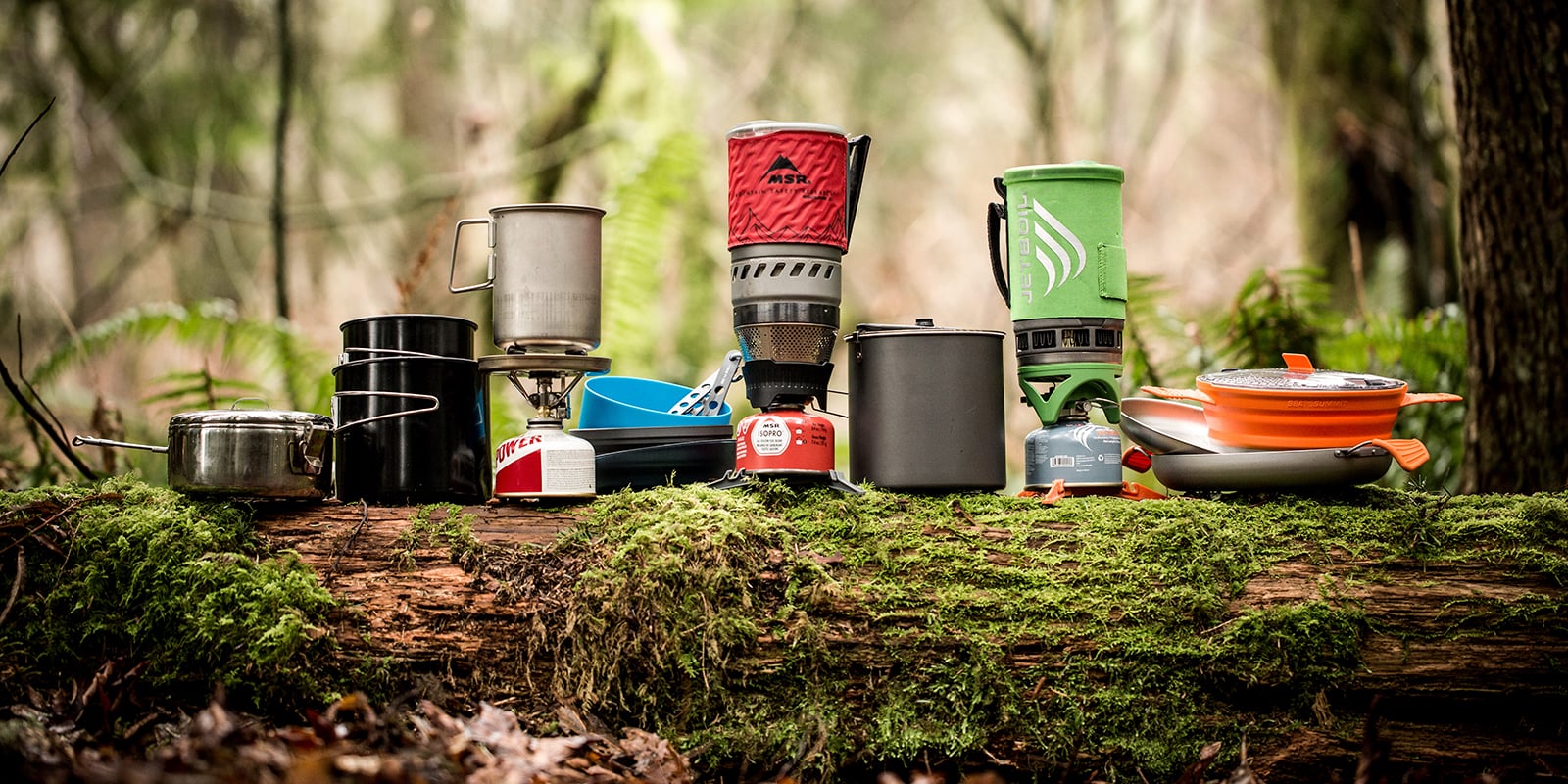
Backpacking Stoves
Backpacking stoves are small and lightweight. They fit easily in a backpack for long hikes. These stoves use fuel efficiently to save weight. They are simple to set up and quick to heat food. Ideal for solo trips or short camping stays.
Car Camping Stoves
Car camping stoves are larger and heavier. They offer more cooking power and space. These stoves run on propane or liquid fuel. Perfect for family trips or longer camping. They need to be transported by car due to size.
Tent Stoves
Tent stoves are designed to warm tents and cook meals. They burn wood or solid fuel inside the tent safely. These stoves help keep you warm in cold weather. Choose size based on tent volume for best heat output. Requires careful setup to avoid smoke inside.
Portable Tabletop Stoves
Portable tabletop stoves are compact and easy to place on tables. They use small fuel canisters and light easily. These stoves are great for quick meals and social camping. Their small size makes them easy to carry and store.
Key Size Factors
Choosing the right size camping stove depends on several key factors. These influence how well the stove fits your needs and camping style. The size affects heating efficiency, fuel use, and how easy it is to carry. Understanding these factors helps pick a stove that works best for your trip.
Tent Size And Stove Compatibility
Match the stove size to your tent size. A large tent needs a bigger stove to heat it properly. Small stoves may not warm large tents efficiently. They require more attention and fuel to keep the tent warm. A good fit means less work and better comfort inside.
Burn Time And Fuel Efficiency
Stove size impacts burn time and fuel use. Bigger stoves burn longer and use fuel more steadily. Smaller stoves burn fuel quickly but may need refilling often. Choose a stove that balances burn time with fuel efficiency. This saves weight and fuel on your trip.
Weight And Portability
Consider how much weight you can carry. Lightweight stoves are easier to pack and carry on hikes. Larger stoves weigh more but offer more power. Decide based on your travel style. For backpacking, smaller and lighter is best. For car camping, weight is less of a concern.
Measuring Stove Size
Measuring the size of your camping stove is key for a comfortable outdoor cooking experience. The right size affects how easy it is to carry and how well it cooks your meals. Focus on three main factors to find the perfect stove size for your needs.
Dimensions To Consider
Check the stove’s height, width, and depth. These dimensions tell you how much space the stove will take in your backpack or camping gear. A compact stove saves room and weight. Also, consider the stove’s weight. A heavy stove can slow you down on long hikes. Choose one that balances size and portability.
Fuel Canister Size
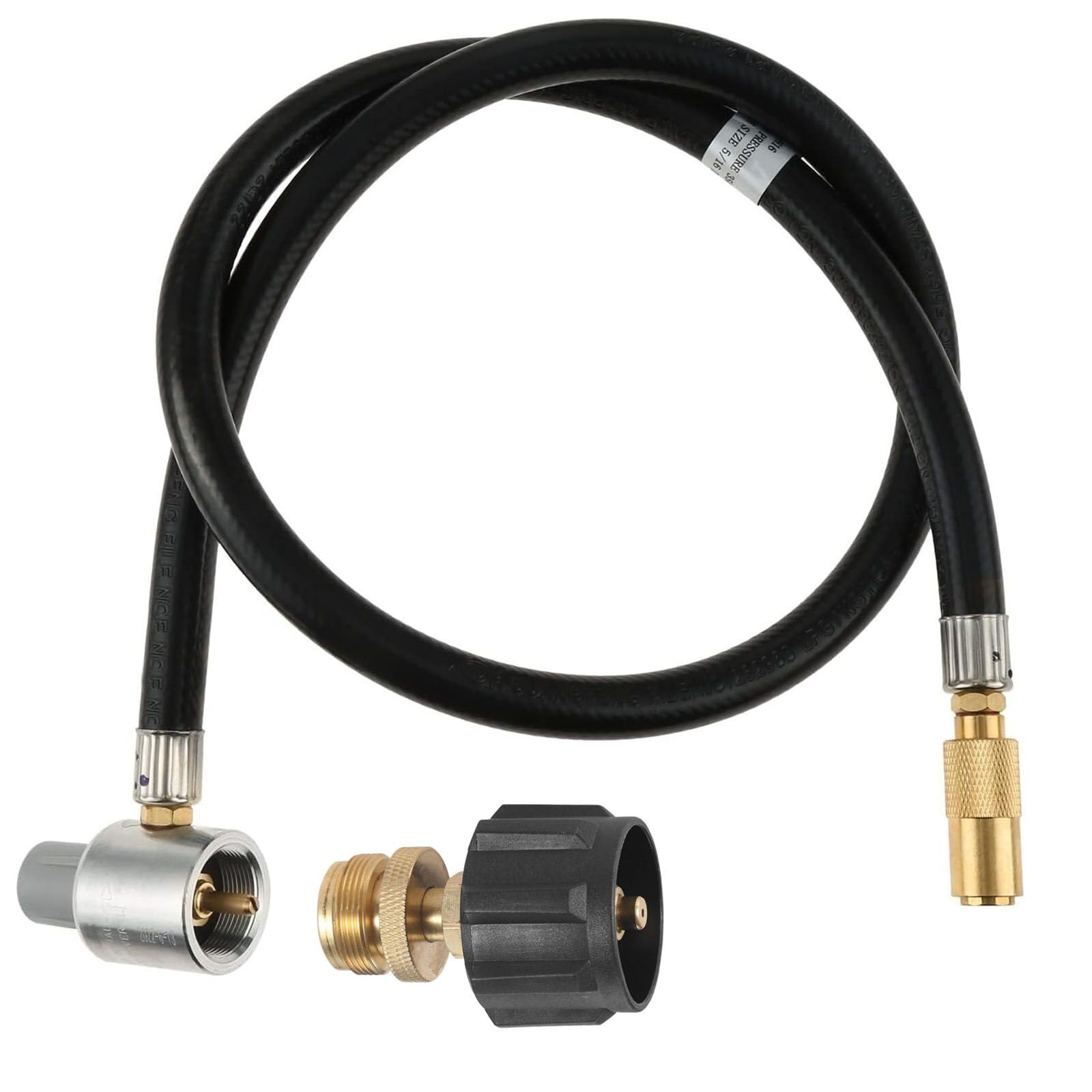
Fuel canisters vary in size and affect stove weight and cooking time. Small canisters are light and easy to carry but hold less fuel. Larger canisters last longer but add weight. Match the canister size to your trip length and cooking needs. Check the canister type too, as some stoves only fit specific fuels.
Burner Output
Burner output shows the stove’s power, usually measured in BTUs or watts. Higher output stoves boil water faster and cook large meals quicker. Lower output stoves save fuel and work well for simple meals. Pick a stove with output suited for your cooking style and group size. This keeps your food ready on time without wasting fuel.
Credit: www.amazon.com
Matching Stove To Camping Style
Choosing the right camping stove size depends on your camping style. Different styles need different stove sizes and features. Matching your stove to your camping style helps you cook efficiently and enjoy your trip. Think about how many people you cook for and the conditions you face. This guide breaks down stove choices by camping style.
Solo Backpacking
Solo backpackers need lightweight and compact stoves. Small canister stoves work well. They are easy to carry and quick to set up. These stoves boil water fast with minimal fuel. Choose a stove that fits your backpack space and weight limits. Efficiency and simplicity are key for solo trips.
Group Camping
Group camping requires larger stoves with more power. Multi-burner stoves can cook several dishes at once. Look for stoves with bigger fuel tanks or those that use wood. Cooking for multiple people needs a steady and strong flame. Bigger stoves save time and effort during meal prep.
Winter And Cold Weather Use
Cold weather demands stoves that perform well in freezing temperatures. Liquid fuel stoves are reliable in winter. They burn clean and stay lit in harsh conditions. Choose stoves with wind protection and stable bases. These features ensure safety and warmth when temperatures drop.
Fuel Types And Impact On Size
Choosing the right camping stove size depends greatly on the fuel type it uses. Different fuels affect the stove’s overall size and weight. Understanding fuel types helps you pick a stove that fits your camping style and space needs.
Propane And Butane Canisters
Propane and butane stoves use small, lightweight canisters. These canisters add little bulk to your gear. The stove itself is compact, easy to pack, and quick to set up. Canisters come in various sizes, from small to medium. Larger canisters offer longer burn times but increase weight and size. These stoves work well for short trips and simple meals.
Liquid Fuel Stoves
Liquid fuel stoves use fuels like white gas or kerosene. These stoves are often bigger and heavier than canister models. They need a separate fuel bottle, which adds to the packed size. Liquid fuel stoves are strong and work well in cold weather. They suit longer trips where fuel efficiency and power matter. Expect a bulkier setup compared to canister stoves.
Wood-burning Stoves
Wood-burning stoves do not require fuel canisters or bottles. They burn twigs, leaves, and small wood pieces found in nature. These stoves tend to be heavier due to metal construction. Their size varies from small backpack models to larger camp stoves. Wood stoves need space for wood storage, which adds to packing size. They are great for campers who want to reduce fuel weight.
Maintenance And Ease Of Use
Choosing the right camping stove involves more than size and power. Maintenance and ease of use play big roles in your outdoor cooking experience. A stove that is simple to set up and clean saves time and effort. Durable materials make your stove last through many trips. Understanding these factors helps you pick a stove that fits your needs and lifestyle.
Setup And Breakdown
Easy setup means less hassle at the campsite. Look for stoves with clear instructions and few parts. Quick connections and foldable designs speed up the process. A stove that breaks down simply fits better in your pack. Practice setting it up at home for smooth use outdoors.
Cleaning Requirements
Cleaning a camping stove should be quick and simple. Stoves with removable parts make washing easier. Avoid stoves with many small crevices where food can get stuck. Wipe spills immediately to prevent buildup. Regular cleaning keeps your stove safe and working well.
Durability Considerations
Durability matters for long-lasting use. Choose stoves made from strong metals like stainless steel or aluminum. Check for sturdy construction and solid joints. A durable stove withstands rough handling and outdoor conditions. Investing in quality parts reduces the need for repairs on the trail.
Popular Stove Models By Size
Choosing the right camping stove size depends on your cooking needs and trip style. Different stove sizes suit various camping scenarios. Understanding popular stove models by size helps pick the best option. This section breaks down popular models by their size categories and features.
Compact Lightweight Options
Compact lightweight stoves are perfect for backpackers and solo campers. They weigh very little and fit easily in small packs. These stoves use minimal fuel and heat quickly. Ideal for boiling water or simple meals fast. Examples include canister stoves and small alcohol burners. Their small size limits cooking space but boosts portability.
Mid-size Versatile Stoves
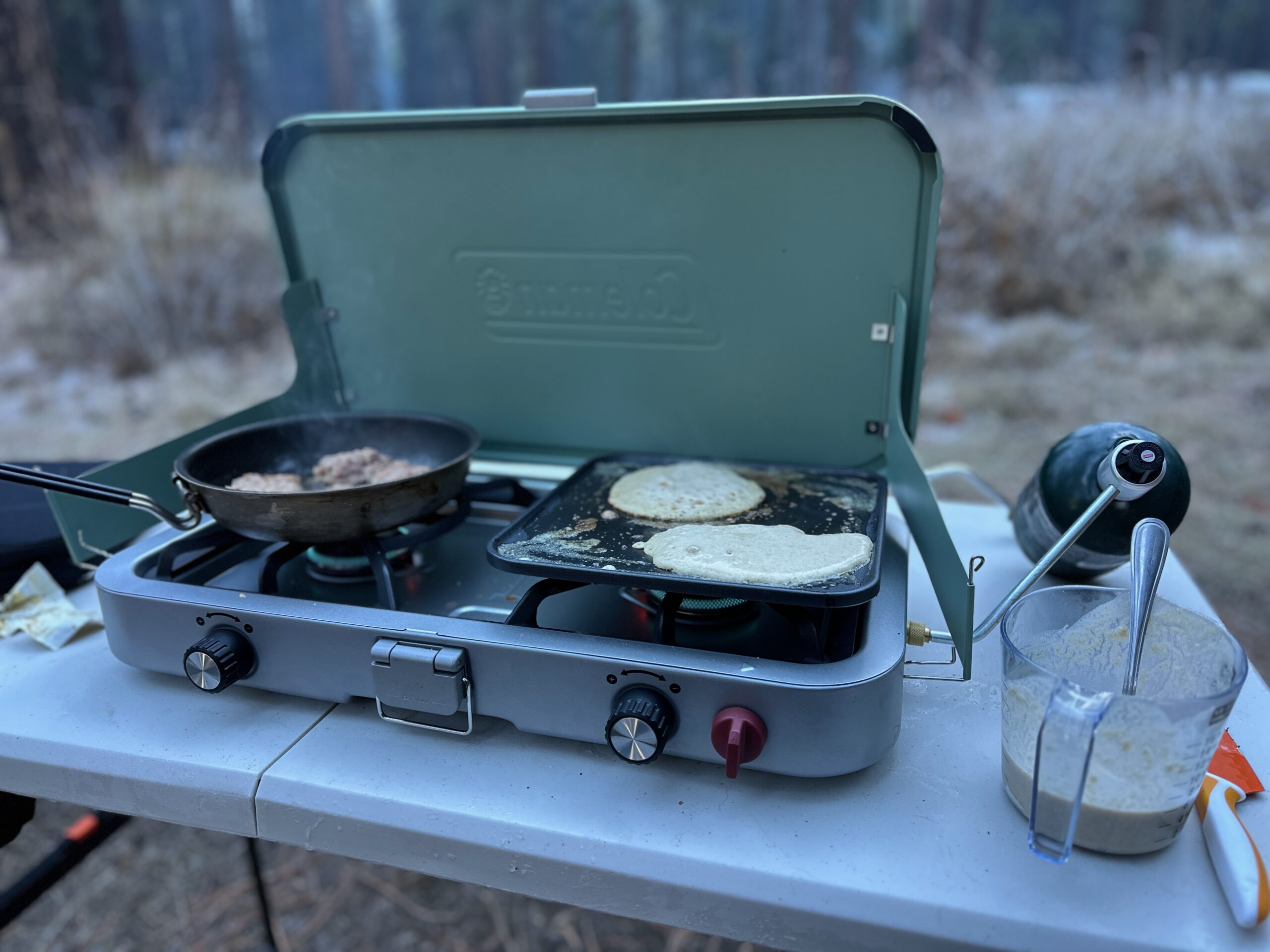
Mid-size stoves balance weight, power, and cooking area. These models work well for small groups or longer trips. They offer multiple burners and better temperature control. Many run on propane or liquid fuel for longer burn time. They handle diverse meals from boiling to simmering. Mid-size stoves fit car campers and hikers needing more flexibility.
Large High-output Stoves
Large stoves deliver strong heat for cooking many meals quickly. Perfect for base camps or group camping. They have multiple burners and large cooking surfaces. These stoves burn fuel efficiently for long periods. Bulkier and heavier, they suit campers with vehicle access. Large stoves handle pots and pans of all sizes easily.
Tips For Choosing The Right Fit
Choosing the right size camping stove makes a big difference on your trip. The right fit means easy cooking, less hassle, and a better outdoor experience. Focus on your needs, weight, power, and budget to find the best stove.
Assessing Cooking Needs
Think about the meals you plan to cook. Simple meals need less stove power. Cooking for more people requires a larger stove. Consider the types of food you will prepare. Some stoves suit boiling water better. Others work well for frying or simmering. Match your stove size to your cooking style.
Balancing Weight And Power
Weight matters, especially for backpackers. Lighter stoves are easier to carry but may have less power. Heavier stoves offer stronger heat and better cooking speed. Find a balance between weight and power. Choose a stove that fits your trip length and terrain.
Considering Budget Constraints
Stoves come in many price ranges. A higher price may mean better quality and durability. Budget-friendly stoves can still perform well for casual use. Decide how much you want to spend. Look for stoves with good reviews in your price range. Avoid overspending on features you do not need.
Credit: www.cleverhiker.com
Frequently Asked Questions
How Do I Know What Size Stove To Get?
Choose a stove size based on your cooking needs and available space. Larger stoves heat bigger areas efficiently. Smaller stoves suit lightweight travel and quick meals. Measure your tent or cooking area to match stove capacity for optimal warmth and performance.
What Size Tent Stove Do I Need?
Choose a tent stove based on tent size. Larger tents need bigger stoves for efficient, longer heating and less maintenance.
How To Pick A Camping Stove?
Choose a camping stove based on fuel type, weight, cooking needs, and group size. Prioritize portability and ease of use for your trip.
Is 10,000 Btu Enough For A Camp Stove?
A 10,000 BTU camp stove suits small groups and basic cooking. It heats efficiently but may struggle with larger meals or cold conditions.
Conclusion
Choosing the right camping stove size makes your outdoor cooking easy. Small stoves work well for quick meals and light trips. Larger stoves heat bigger spaces and last longer. Consider how many people you cook for and your camping style.
Remember, a stove too small means more work to keep warm. A stove too big might be heavy to carry. Balance size, weight, and fuel needs for best results. This guide helps you pick a stove that fits your adventure perfectly.
Enjoy cooking outdoors with the right stove size every time.

I am an outdoor enthusiast and gear researcher passionate about camping, hiking, backpacking, and outdoor adventures. I enjoy testing gear, comparing products, and sharing practical advice to help readers make informed decisions. At BestOutsideGear, I create honest gear reviews, buying guides, and outdoor tips to help adventurers choose the right equipment with confidence.