Size Guide for Multi-Fuel Stove: Find Your Perfect Fit Today
Choosing the right size for your multi-fuel stove can feel confusing, but it doesn’t have to be. Getting the perfect fit means your home stays warm, cozy, and energy-efficient without wasting fuel or space.
Whether you’re heating a small room or a large living area, understanding how to pick the right stove size is key. In this guide, you’ll discover simple tips and clear steps to find the ideal multi-fuel stove that matches your space and heating needs.
Keep reading to make sure your stove works perfectly for you and your home.
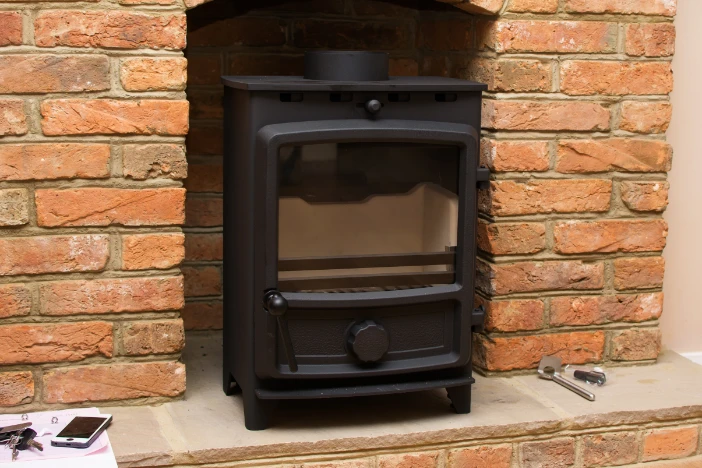
Credit: decoroutdoor.com
Choosing Stove Size
Choosing the right size for your multi-fuel stove is key to efficient heating and comfort. A stove too small will struggle to warm the space. A stove too large wastes fuel and can overheat the room. Understanding what size fits your needs helps you get the best results. Below are important points to consider when selecting stove size.
Factors Affecting Stove Size
Several factors influence the size of the stove you need. The type of fuel used affects heat output. Insulation quality of your home changes heating needs. The stove’s design and efficiency also play roles. Consider all these elements before deciding on size.
Room Size And Stove Capacity
The size of the room is the main guide for stove capacity. Larger rooms require stoves with higher heat output. Smaller spaces need less powerful stoves to avoid overheating. Measure the room’s volume in cubic feet or meters for accuracy. This helps match stove capacity to the room size.
Heat Output Considerations
Heat output is measured in kilowatts (kW). Choose a stove with a heat output that fits your room size. Too low output means the room stays cold. Too high output causes wasted energy and discomfort. Aim for a stove that provides steady warmth without excess heat.

Credit: www.amazon.com
Measuring For Your Stove
Measuring for your multi-fuel stove is a critical step before purchasing. Accurate measurements ensure the stove fits perfectly in your space. It also guarantees safety and efficiency during use. Taking the right measurements helps avoid installation problems and costly adjustments.
Understanding the stove’s size and space needs makes the buying process smoother. It also helps you prepare your room for a safe setup. Follow these simple steps to measure your stove and its space correctly.
How To Measure Stove Dimensions
Start by measuring the height, width, and depth of the stove. Use a tape measure for precise results. Measure from the base to the highest point. Note any handles or protrusions that affect the total size. Write down each measurement to compare with stove models.
Measure the stove’s width at its widest part. Check the depth from front to back. These numbers help you find a stove that fits your room perfectly.
Space Requirements Around Stove
Leave enough space around the stove for safety and ease of use. Most manufacturers suggest at least 12 inches of clearance on all sides. This space prevents heat damage to walls and furniture. It also allows easy access for cleaning and maintenance.
Check your room layout and mark the stove’s placement. Ensure no furniture or objects block the stove’s sides or back. Keep the area clear to avoid fire hazards and improve airflow.
Ventilation And Clearance Needs
Good ventilation is vital for safe stove operation. Measure the distance from the stove to vents or flues. Follow local building codes for minimum clearance from combustible materials. This clearance prevents heat buildup and reduces fire risks.
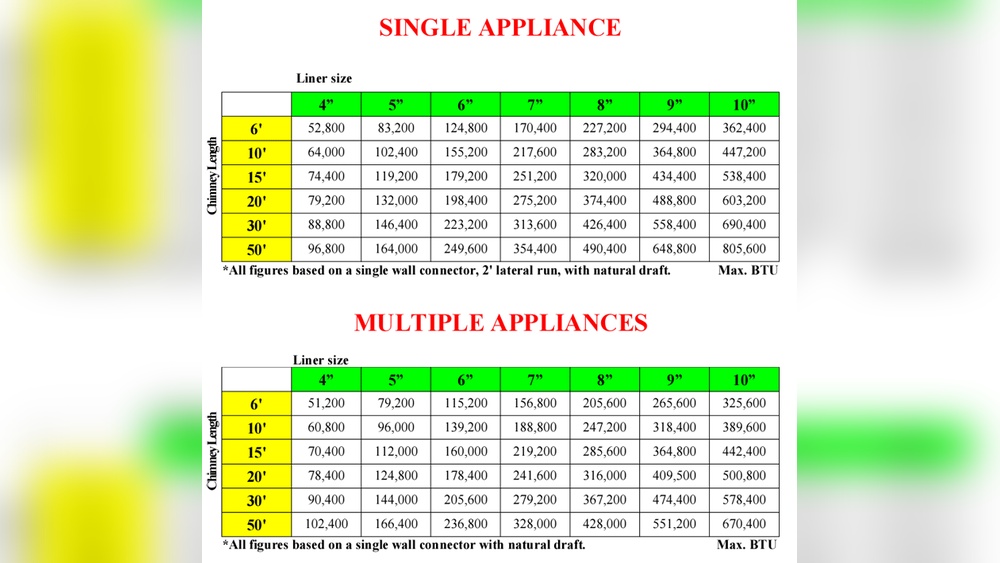
Confirm the stove’s vent pipe size matches your existing chimney or flue. Proper clearance around the vent pipe is essential. Measure space above and around the pipe to meet safety rules.
Types Of Multi-fuel Stoves
Multi-fuel stoves come in various types to suit different heating needs and fuel options. Choosing the right type depends on what fuel you want to use and how you plan to heat your space. Understanding these types helps you pick the best stove size and style for your home.
Each stove type has its own features and fuel compatibility. Some burn wood only, while others handle coal or a mix of fuels. Knowing these differences ensures efficient heating and longer stove life.
Wood-burning Stoves
Wood-burning stoves use logs as their main fuel. They produce a warm, natural flame and a pleasant aroma. These stoves need dry, seasoned wood for best performance. They work well for homes with easy access to firewood. Wood stoves are simple to operate and maintain.
Coal And Solid Fuel Stoves
Coal and solid fuel stoves burn coal, anthracite, or other solid fuels. They generate intense heat and can last longer than wood stoves. These stoves require a good ash removal system. They are ideal for people who prefer coal or have limited wood supply. Coal stoves need a steady fuel feed for consistent heat.
Combination Stoves
Combination stoves burn both wood and coal, offering flexibility. They allow users to switch fuels depending on availability and cost. These stoves have special grates and ash pans to handle different fuels. Combination stoves provide efficient heating with less hassle. They suit homes needing versatile fuel options.
Standard Stove Sizes
Choosing the right size for a multi-fuel stove is important for efficiency and safety. Standard stove sizes help you match the stove to your room size. Knowing these sizes makes installation easier and ensures proper heating. Below is a guide on common measurements and how different models compare.
Common Height And Width Ranges
Most multi-fuel stoves have a height between 400mm and 700mm. Width usually ranges from 400mm up to 600mm. These sizes fit well in standard fireplace openings. Smaller stoves suit compact spaces. Larger ones work better in big rooms. Height and width affect the stove’s heat output and fuel capacity.
Depth And Weight Guidelines
Depth of stoves typically falls between 300mm and 500mm. Weight varies from 50kg to over 150kg depending on materials. Cast iron stoves tend to be heavier than steel ones. Depth affects how far the stove sticks out into the room. Weight influences the type of hearth needed for support.
Comparing Stove Models By Size
Stove models differ in size even within the same brand. Compact models focus on saving space and fuel. Mid-sized models balance heat output and footprint. Large stoves provide more warmth but need more room. Check the exact dimensions before buying to fit your space perfectly.
Calculating Stove Capacity
Calculating the capacity of a multi-fuel stove is essential for efficient heating. Choosing the right size ensures your room stays warm without wasting fuel. Several factors influence stove capacity. These include room size, insulation quality, and stove design.
Using Stove Size Calculators
Stove size calculators help estimate the correct stove capacity. Enter your room dimensions and insulation details. The calculator provides a recommended stove size in kilowatts (kW). This tool simplifies the selection process for homeowners. It avoids guesswork and ensures proper heating power.
Estimating Heat Output
Heat output measures how much warmth a stove produces. It is usually shown in kW. Larger rooms need stoves with higher heat output. Consider the stove’s efficiency rating too. A more efficient stove produces more heat from less fuel. Always match the heat output to the room’s heating needs.
Matching Stove To Room Insulation
Room insulation affects stove capacity requirements. Well-insulated rooms retain heat better. They need stoves with lower heat output. Poorly insulated rooms lose heat quickly. Choose a stove with higher capacity to compensate. Checking insulation helps avoid over or under-sizing your stove.
Installation Tips
Installing a multi-fuel stove requires careful planning to ensure safety and efficiency. Proper installation helps your stove work well and last longer. Follow these installation tips to position your stove safely and meet all requirements.
Positioning Your Stove Safely
Choose a clear space away from flammable materials. Keep furniture, curtains, and papers at a safe distance. Ensure the stove has enough room for air to flow freely. Avoid placing the stove near doorways or high traffic areas. This reduces the risk of accidents and allows easy stove access.
Floor Protection And Hearth Size
Protect your floor with a non-combustible hearth. The hearth should extend beyond the stove edges. This stops sparks and ash from damaging your floor. Check local rules for minimum hearth size requirements. A proper hearth also supports the stove’s weight safely.
Chimney And Flue Requirements
Install a suitable chimney and flue for your stove type. The flue must be the correct diameter for good airflow. Use heat-resistant materials to prevent fire hazards. Clean and inspect the chimney regularly to avoid blockages. Proper chimney height ensures smoke escapes safely.
Maintenance And Longevity
Maintaining your multi-fuel stove properly helps it last longer and work better. Routine care prevents damage and ensures safety. Understanding how size affects maintenance also keeps your stove in top shape. The right size stove fits your space and fuel needs, reducing wear and tear. Follow these tips on cleaning, spotting size-related issues, and extending your stove’s life.
Cleaning And Upkeep
Regular cleaning removes ash and soot buildup inside the stove. Clean the glass door to keep the view clear and check seals for cracks. Empty the ashpan often to prevent blockage. Inspect the chimney yearly to avoid creosote buildup, which can cause fires. Use soft brushes and recommended cleaning products. Avoid harsh chemicals that damage stove parts.
Signs Of Size-related Issues
An oversized stove may heat your room too fast and cause damage. Signs include cracked glass or warped metal. A stove too small struggles to heat the space, leading to overuse and faster wear. Check if your stove is too hot or cool after use. Uneven heating can signal a poor size fit. Notice any unusual noises or smoke patterns.
Extending Stove Lifespan
Use dry, well-seasoned fuel to reduce buildup and improve burning. Follow manufacturer instructions for loading and operation. Avoid overfiring, which damages components quickly. Schedule professional inspections every few years to catch problems early. Replace worn parts promptly to maintain safety and efficiency. Proper stove size combined with good care ensures many years of warmth and comfort.

Credit: www.amazon.com
Common Mistakes To Avoid
Choosing the right size multi-fuel stove is vital for safety and efficiency. Many buyers make simple errors that affect stove performance and home comfort. Avoiding these common mistakes helps you enjoy your stove fully and safely.
Choosing Oversized Stoves
An oversized stove wastes fuel and overheats rooms. It can cause discomfort and increase cleaning needs. Large stoves also cost more to install and operate. Select a stove size that matches your room’s square footage for balanced heat.
Ignoring Ventilation Needs
Proper ventilation keeps your stove safe and efficient. Poor airflow causes smoke and gas buildup inside. Check that your stove has enough air supply and a clear chimney. Ventilation prevents dangerous fumes and improves burning quality.
Neglecting Clearance Spaces
Clearance means space around the stove for safety and maintenance. Crowding the stove can cause fires or damage walls. Follow the manufacturer’s guidelines on minimum clearance distances. Leave space for air circulation and easy cleaning access.
Buying Guide
Choosing the right multi-fuel stove requires careful thought. This buying guide helps you pick the best stove for your needs. Consider size, fuel type, and heating power first. Also, check the stove’s build quality and safety features. A well-chosen stove lasts longer and heats efficiently.
Where To Find Quality Stoves
Start at specialty stove retailers. They offer a range of trusted brands and models. Local stores let you see stoves in person. Online shops provide customer reviews and detailed info. Check for certified stoves that meet safety standards. Quality stoves often come from established manufacturers.
Comparing Prices And Features
Compare stoves by price and what they offer. Look at heating capacity to match your room size. Check fuel options—some stoves burn wood and coal. Examine design and material quality for durability. Remember, a cheaper stove may cost more in repairs.
Warranty And Support Options
Choose stoves with clear warranty terms. Warranties protect against manufacturing defects. Also, check if the seller offers good customer support. Easy access to spare parts is important. Good support helps keep your stove working well.
Frequently Asked Questions
What Size Multifuel Stove Do I Need?
Choose a multifuel stove size based on room size, insulation, and heat output needed. Small rooms need 3-5 kW; medium 5-8 kW; large 8-12 kW. Always match stove capacity to your space for efficient heating.
What Is The 3:2-10 Rule For Wood Stoves?
The 3:2-10 rule for wood stoves means maintaining 3 feet clearance from combustibles, 2 feet from walls, and 10 inches from the stove pipe.
What Size Room Is Needed For A 5kw Multi-fuel Stove?
A 5kW multi-fuel stove suits rooms around 40 to 60 square meters. Ensure proper ventilation and insulation for efficiency.
Will A 30-inch Stove Fit In A 30-inch Opening?
A 30-inch stove may not fit a 30-inch opening exactly. Allow extra space for ventilation and ease of installation. Check manufacturer guidelines for precise measurements before purchase.
What Size Multi-fuel Stove Fits A Small Room?
A stove with 3-5 kW heat output suits small rooms up to 50 sqm. It provides enough warmth without overheating the space.
Conclusion
Choosing the right size multi-fuel stove matters a lot. It affects heating efficiency and fuel use. Smaller stoves suit small rooms and save space. Larger stoves heat bigger areas quickly and well. Measure your room before deciding stove size. Think about how much heat you need daily.
A good fit keeps your home warm and cozy. Use this size guide to pick wisely. Enjoy warmth that matches your living space perfectly.

I am an outdoor enthusiast and gear researcher passionate about camping, hiking, backpacking, and outdoor adventures. I enjoy testing gear, comparing products, and sharing practical advice to help readers make informed decisions. At BestOutsideGear, I create honest gear reviews, buying guides, and outdoor tips to help adventurers choose the right equipment with confidence.