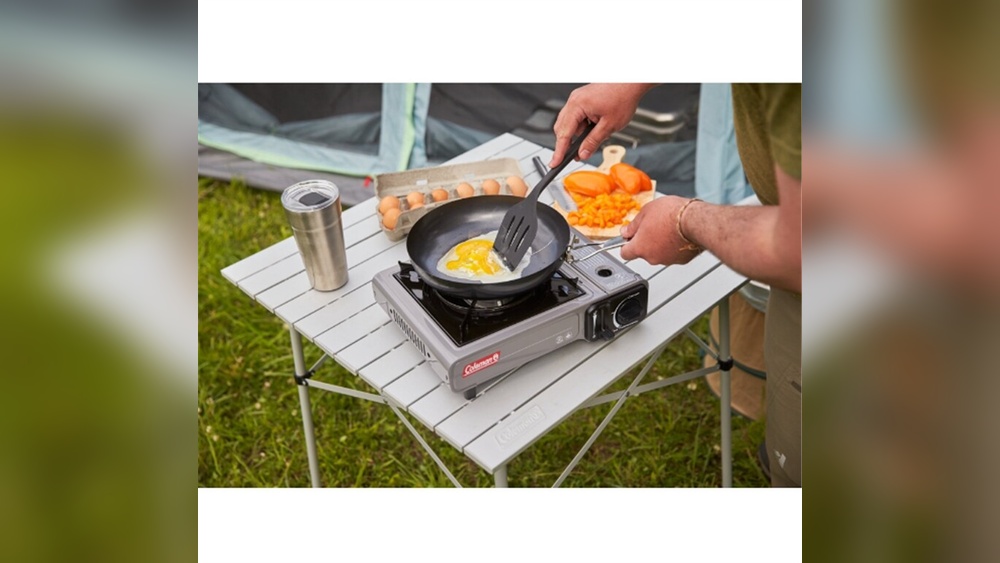
Maintenance Tips for Camping Stove: Expert Tricks for Longevity
If you love camping, you know how important your camping stove is for a hot meal after a long day outdoors. But have you ever faced a stove that won’t light, burns unevenly, or just doesn’t work like it used to?
These common problems can turn your camping trip from fun to frustrating in no time. The good news is, with the right maintenance tips, you can keep your camping stove in top shape and ready to use whenever you need it.
You’ll discover simple, practical steps to clean, care for, and troubleshoot your camping stove—so you can enjoy hassle-free cooking on every adventure. Keep reading, and make your stove last longer while cooking up perfect meals in the wild!

Credit: www.winnerwell.com
Cleaning Burner Ports
Cleaning burner ports is essential for your camping stove’s performance. Blocked ports reduce flame strength and cause uneven heating. Regular cleaning keeps your stove reliable and safe during outdoor trips. It also extends the life of your stove by preventing corrosion and damage.
Focus on removing food residue, soot, and debris from the tiny holes where gas escapes. This helps maintain a consistent flame and prevents ignition problems. Use the right tools and gentle methods to avoid harming the burner ports.
Removing Food Residue
After cooking, food particles can stick to burner ports. Use a soft brush or toothpick to remove these bits carefully. Avoid using sharp objects that may enlarge or damage the holes. Wipe the area with a damp cloth to clear any leftover grease or grime. Clean residue quickly to prevent buildup that clogs the ports.
Clearing Soot And Debris
Soot often forms from incomplete combustion or dirty fuel. It blocks burner ports and weakens the flame. Use a soft brush or compressed air to clear soot gently. Avoid harsh chemicals that might damage the burner’s finish. Regular soot removal keeps the flame blue and steady.
Tools For Cleaning
Use simple tools like a soft-bristle brush, toothpicks, or a small wire brush. Compressed air cans help blow out stubborn debris safely. A damp cloth or sponge removes grease and food stains. Avoid metal tools that can damage burner ports. Choose tools that fit well and clean without scratching.
Credit: uk.jackery.com
Maintaining Fuel Quality
Maintaining fuel quality is crucial for a camping stove’s performance. Good fuel burns cleaner and lasts longer. Poor fuel can clog the stove or cause weak flames. Keep your fuel fresh and stored properly to avoid problems.
Storing White Gas Properly
White gas can go bad if not stored well. Keep it in a cool, dry place away from sunlight. Use a sealed container to prevent air and moisture from entering. Always close the cap tightly after use. Store it upright to avoid leaks and spills.
Using Butane Canisters
Butane canisters are easy to use and store. Keep them in a cool spot, away from heat and flames. Avoid puncturing or dropping the canisters. Use them before the expiration date for best results. Store unused canisters in their original packaging.
Handling Old Fuel
Old fuel loses its effectiveness and can harm your stove. Check fuel before use for cloudiness or sediment. Avoid using fuel that smells off or looks dirty. Dispose of old fuel safely at a local hazardous waste center. Replace old fuel with fresh fuel for better stove operation.
Surface Cleaning Tips
Keeping the surface of your camping stove clean helps it last longer and work better. Dirt, grease, and food spills can build up quickly. Regular cleaning stops damage and keeps your stove looking good. Use gentle methods to protect the stove’s finish and parts. Below are simple surface cleaning tips to follow after every use.
Using Mild Detergents
Choose mild detergents for cleaning your camping stove surface. Harsh chemicals can harm the finish or paint. Mix a small amount of mild dish soap with warm water. Use a soft cloth or sponge dipped in the solution to wipe the stove. Rinse with clean water and dry with a soft towel. This method removes dirt without causing damage.
Avoiding Abrasive Materials
Do not use steel wool, scrubbing pads, or rough brushes on the stove. These materials scratch and wear down the surface. Stick to soft cloths or non-abrasive sponges. Gentle cleaning protects the stove’s coating and metal parts. Avoid hard scrubbing to keep your stove in top shape.
Removing Grease And Stains
Grease and stains can be stubborn on camping stoves. Use warm, soapy water to loosen grease first. For tough spots, apply a paste of baking soda and water. Let it sit for a few minutes before wiping. You can also use a small amount of vinegar to break down stains. Always rinse and dry well after cleaning to prevent residue buildup.
Regular Inspection
Regular inspection keeps your camping stove safe and efficient. Small problems can cause big issues during your trip. Checking the stove often helps catch damage early. It also ensures the stove lights properly every time. Watching the flame quality shows if the stove works well. A quick check before camping saves time and trouble later.
Checking For Damage
Look closely at the stove for cracks or dents. Check hoses and connectors for leaks or wear. Broken parts can cause gas leaks or poor performance. Replace any damaged pieces before your trip. Clean dirt and debris from all parts. A clean stove lasts longer and works better.
Ensuring Proper Ignition
Test the ignition system before you go camping. Press the ignition button and listen for a click. No click means the igniter may need cleaning or replacing. Use a lighter as a backup if the igniter fails. Keep the ignition area free from grease or dirt. This helps the stove start quickly and safely.
Monitoring Flame Quality
Watch the flame when the stove is on. A strong blue flame shows good fuel flow and clean burners. Yellow or uneven flames mean clogged burner ports or low fuel. Clean burner holes with a soft brush or pin. Adjust the fuel valve to control the flame size. Good flame quality saves fuel and cooks food evenly.
Preventing Corrosion
Camping stoves face many challenges outdoors. One common problem is corrosion. Corrosion damages metal parts and shortens stove life. Preventing corrosion keeps your stove safe and working well. Simple habits can protect your stove from rust and wear. Follow these tips to prevent corrosion and enjoy many camping trips.
Drying After Use
Always dry your stove completely after use. Water causes rust and weakens metal parts. Use a clean cloth to wipe all surfaces. Leave the stove open in a dry place to air out. Never store your stove wet or damp. Proper drying stops moisture buildup and rust formation.
Protecting Metal Surfaces
Apply a thin layer of oil on metal surfaces to block moisture. Use cooking oil or special stove protectants. Avoid thick layers that attract dirt or dust. Clean the stove before applying oil to remove food or dirt. This barrier helps keep metal shiny and rust-free.
Avoiding Salt Damage
Salt speeds up corrosion on metal parts. After cooking near saltwater or using salty foods, rinse your stove with fresh water. Wipe it dry immediately to remove salt traces. Avoid storing your stove where salt spray or salty air can reach it. These steps reduce salt damage and keep your stove strong.
Storage Best Practices
Proper storage of your camping stove ensures it stays in good condition. It helps prevent damage and keeps the stove ready for your next adventure. Follow these best practices to store your stove safely and extend its life.
Cleaning Before Storage
Remove all food residues and grease from the stove. Use warm water and mild soap to clean the surfaces gently. Dry the stove completely to avoid rust and corrosion. Clean burner ports carefully to keep them clear and working well. This simple step prevents blockages and maintains flame quality.
Keeping Components Separate
Disassemble removable parts like fuel canisters, hoses, and burners. Store each component in its own container or bag. This avoids damage and loss of small parts. It also makes setup easier next time. Keeping parts separate prevents accidental leaks or breakage during storage.
Choosing Storage Location
Store your camping stove in a cool, dry place away from direct sunlight. Avoid damp areas to prevent rust and mold buildup. A sealed container or a sturdy box works well for protection. Keep the stove away from chemicals or sharp objects that may cause damage. Proper location preserves your stove’s condition for a long time.
Troubleshooting Common Issues
Troubleshooting common issues with your camping stove ensures safe and smooth cooking outdoors. Simple problems can stop your stove from working well. Identifying and fixing these issues keeps your stove ready for the next adventure.
Weak Or Uneven Flame
A weak or uneven flame means the burner ports may be clogged. Food spills, dirt, or soot block the small holes where gas escapes. Clean the burner with a soft brush or needle to clear debris. Check that the fuel valve is fully open. Use fresh fuel for a stronger flame.
Ignition Problems
If your stove does not light, the igniter might be dirty or broken. Clean the igniter tip gently with a cloth. Make sure the igniter sparks when pressed. Sometimes, using a match or lighter can help start the stove. Check the fuel line for leaks or damage that blocks ignition.
Fuel Flow Blockages
Fuel flow blockages reduce stove performance. Dirt or old fuel can clog the fuel line or jets. Drain old fuel and refill with fresh fuel. Use a thin wire to clean fuel jets carefully. Inspect the fuel canister connection for tightness and damage. Avoid letting dust enter the fuel system.
Expert Maintenance Tricks
Keeping your camping stove in top shape extends its life and improves performance. Simple expert tricks help avoid common problems like clogged burners or weak flames. These maintenance tips require little time but give great results. Regular care ensures safety and efficiency every time you cook outdoors.
Using Homemade Cleaners
Homemade cleaners work well to remove grease and dirt. Mix warm water with mild dish soap for a gentle solution. Use a soft cloth or sponge to wipe the stove parts. Avoid harsh chemicals that can damage metal or seals. Vinegar diluted with water also helps cut through tough grime. Rinse well and dry completely to prevent rust.
Burning Off Residue
Burning off residue clears leftover food and soot from burners. Light the stove on high for 5 to 10 minutes after each use. This process burns away grease and debris inside burner ports. It helps keep flames even and strong. Make sure to do this in a well-ventilated area. Let the stove cool before cleaning or packing it away.
Regular Deep Cleaning
Deep cleaning removes buildup that simple wipes miss. Disassemble stove parts like burners and grates carefully. Soak them in soapy water to loosen stuck-on residue. Use a soft brush or toothbrush to scrub small holes and crevices. Rinse all parts thoroughly and dry before reassembling. Check seals and fuel lines for cracks or leaks during cleaning. Schedule deep cleaning after several camping trips or if performance drops.

Credit: silverantoutdoors.com
Frequently Asked Questions
What Are Some Common Camping Stove Problems?
Common camping stove problems include clogged burner ports, uneven or weak flames, ignition failure, fuel leaks, and damaged fuel lines. Dirt, soot, or food spills often cause blockages. Regular cleaning and maintenance help prevent these issues and ensure efficient stove performance during camping trips.
Can I Use Wd-40 To Clean My Log Burner?
Avoid using WD-40 to clean your log burner. It can leave flammable residue and damage surfaces. Use a soft brush and stove-specific cleaner instead.
Does White Gas Go Bad In A Camp Stove?
White gas can go bad after opening. Use it within a few months for best performance in camp stoves. Store tightly sealed.
Can I Use Dawn Dish Soap To Clean My Stovetop?
Yes, Dawn dish soap effectively cleans stovetops. Its grease-cutting formula works well on glass, ceramic, enamel, and stainless steel. Use a soft cloth to avoid scratches.
Conclusion
Regular care keeps your camping stove working well and safe. Clean spills and debris after each use to avoid clogs. Check fuel canisters and parts before every trip. Store your stove in a dry place to prevent rust. Simple maintenance saves money and frustration on the trail.
Enjoy cooking outdoors without worry by following these tips. Camping becomes more fun when your gear stays reliable. Keep your stove ready for every adventure ahead.

I am an outdoor enthusiast and gear researcher passionate about camping, hiking, backpacking, and outdoor adventures. I enjoy testing gear, comparing products, and sharing practical advice to help readers make informed decisions. At BestOutsideGear, I create honest gear reviews, buying guides, and outdoor tips to help adventurers choose the right equipment with confidence.