Step by Step Guide to Using Water Filter Effectively
Are you ready to enjoy cleaner, fresher water right from your tap? Using a water filter might seem tricky at first, but with the right steps, it’s easier than you think.
This step-by-step guide will walk you through everything you need to know to get started quickly and confidently. By the time you finish reading, you’ll have the knowledge to set up your water filter perfectly—giving you peace of mind and better-tasting water every day.
Let’s dive in and make sure your water is as pure as it can be!
Types Of Water Filters
Water filters come in various types. Each type serves a unique purpose. Choosing the right filter depends on your needs and water quality.
Understanding different water filter types helps you make a smart choice. Here are some common types of water filters used at home.
Pitcher Filters
Pitcher filters are simple and easy to use. They fit in your fridge and filter water as you pour it. These filters improve taste and remove chlorine and some sediments. They are affordable and require no installation.
Under-sink Filters
Under-sink filters install directly below your kitchen sink. They connect to the cold water line and provide filtered water through a special faucet. These filters remove contaminants like lead, chlorine, and bacteria. They save space and offer better filtration than pitchers.
Whole House Systems
Whole house systems filter all water entering your home. They protect plumbing and appliances from sediment and chlorine. These systems improve water quality for showers, sinks, and laundry. Installation requires a professional and more space but offers complete home coverage.
Reverse Osmosis Units
Reverse osmosis units use a special membrane to remove impurities. They remove dissolved solids, heavy metals, and some bacteria. These units provide very pure water but waste some water during filtration. Often installed under the sink, they may need regular maintenance.
Uv Purifiers
UV purifiers use ultraviolet light to kill bacteria and viruses. They do not remove chemicals or sediments but disinfect water effectively. UV systems are often combined with other filters for full protection. They need electricity to operate and low maintenance.
Selecting The Right Filter
Selecting the right water filter is essential for clean and safe drinking water. The choice depends on your water quality, specific contaminants, and personal needs. Choosing well ensures you get the best performance from your filter. This guide will help you find the perfect filter step by step.
Assessing Water Quality
Start by checking your water’s current quality. Testing kits or local water reports give a clear picture. Knowing the water’s taste, smell, and appearance helps too. Clear water does not always mean it is safe. This step sets the base for all filter decisions.
Identifying Contaminants
Identify what contaminants are in your water. Common ones include chlorine, lead, bacteria, and sediments. Different filters remove different contaminants. A clear list of pollutants helps narrow down filter choices. This focus makes the filtration effective and targeted.
Matching Filter To Needs
Choose a filter that matches your water issues. Carbon filters remove bad tastes and odors. Reverse osmosis filters handle heavy metals and chemicals. UV filters kill bacteria and viruses. Match the filter type to your water’s specific problems. This ensures cleaner and safer water.
Budget Considerations
Consider how much you can spend on a water filter. Some filters cost more but last longer. Others are cheaper but need frequent replacement. Think about installation and maintenance costs too. A balanced budget helps maintain clean water without overspending.
Preparing For Installation
Preparing for installation is a key step in setting up your water filter. It ensures a smooth and safe process. Taking time to get ready saves effort and prevents mistakes. Follow these simple steps to prepare effectively.
Gathering Tools And Materials
Collect all tools before starting the installation. Common tools include a wrench, screwdriver, and pliers. Have the water filter kit and any extra parts handy. Keep a towel or bucket nearby to catch water spills. Being organized makes the job easier and quicker.
Reading Manufacturer Instructions
Read the instructions that come with your water filter carefully. Each model may have specific steps or requirements. Understanding these details helps avoid damage or leaks. Keep the manual close during installation for quick reference. Clear instructions guide you to install the filter correctly.
Shutting Off Water Supply
Turn off the water supply before starting the installation. This step prevents water flow and leaks while you work. Locate the main shut-off valve or the valve near the filter site. Open a faucet to drain any remaining water in the pipes. Properly shutting off water makes the installation safe and clean.
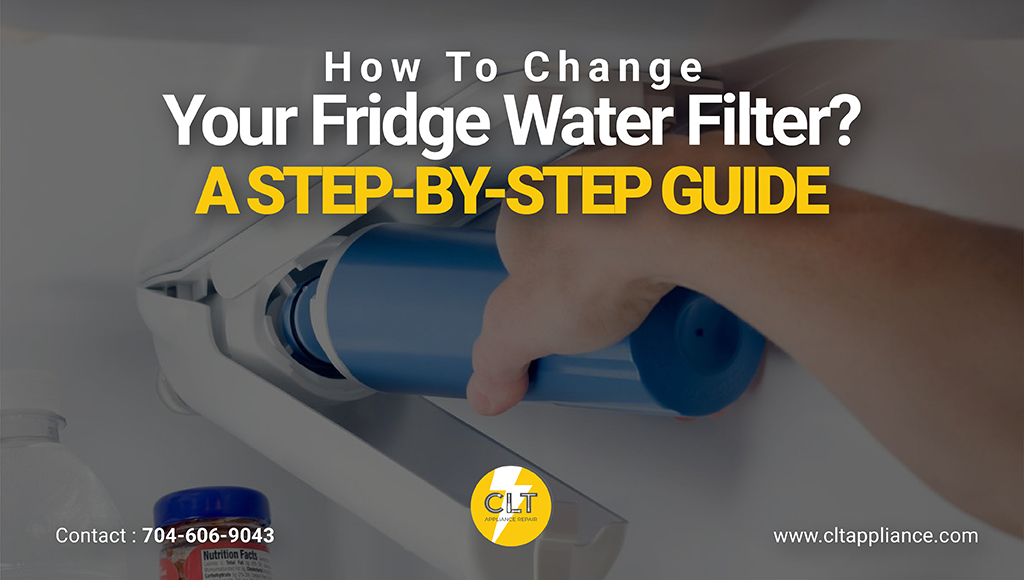
Credit: cltappliance.com
Step-by-step Installation
Installing a water filter is simple when you follow clear steps. Proper installation ensures clean, safe water for your home. This guide breaks down the process into easy tasks anyone can do.
Mounting The Filter
Choose a strong, flat surface near your water source. Use screws or brackets to fix the filter securely. Make sure it is easy to reach for future maintenance.
Connecting Water Lines
Turn off the main water supply before starting. Attach the inlet hose to the water source tightly. Connect the outlet hose from the filter to your faucet or pipe. Use clamps or fittings to avoid leaks.
Securing Filter Cartridge
Open the filter housing carefully. Insert the cartridge in the correct position. Close the housing tightly to prevent water from escaping. Check the manufacturer’s instructions for cartridge placement.
Checking For Leaks
Turn on the water supply slowly. Watch all connections and joints closely. Tighten any loose fittings if water drips. Run water through the filter for a few minutes to clear air and test flow.
Filter Maintenance Tips
Maintaining your water filter is key to clean, fresh water every day. Proper care keeps the filter working well and extends its life. Simple steps can prevent common problems and save money.
Regular attention helps avoid blockages and ensures safe water. Follow these tips to keep your water filter in top shape.
Regular Cartridge Replacement
Change the filter cartridge as the manufacturer suggests. Old cartridges lose their ability to clean water effectively. Use the right type of cartridge for your filter model. Set reminders to replace cartridges on time. This keeps water pure and tastes better.
Cleaning Filter Components
Clean parts like the housing and seals every few months. Use mild soap and warm water to remove dirt. Avoid harsh chemicals that can damage the filter. Dry parts completely before reassembly. Clean components reduce the chance of leaks and mold growth.
Monitoring Water Flow
Watch how fast water flows through your filter. Slow flow can mean clogging or buildup inside. Check for any changes in water pressure regularly. Clear blockages or replace cartridges if flow drops. Proper water flow keeps filtration working well.
Troubleshooting Common Issues
Leaks, bad taste, or strange smells signal problems. Inspect seals and connections for tightness. Replace damaged parts quickly to avoid damage. If water tastes odd, try flushing the filter. Contact support if problems persist after basic fixes.
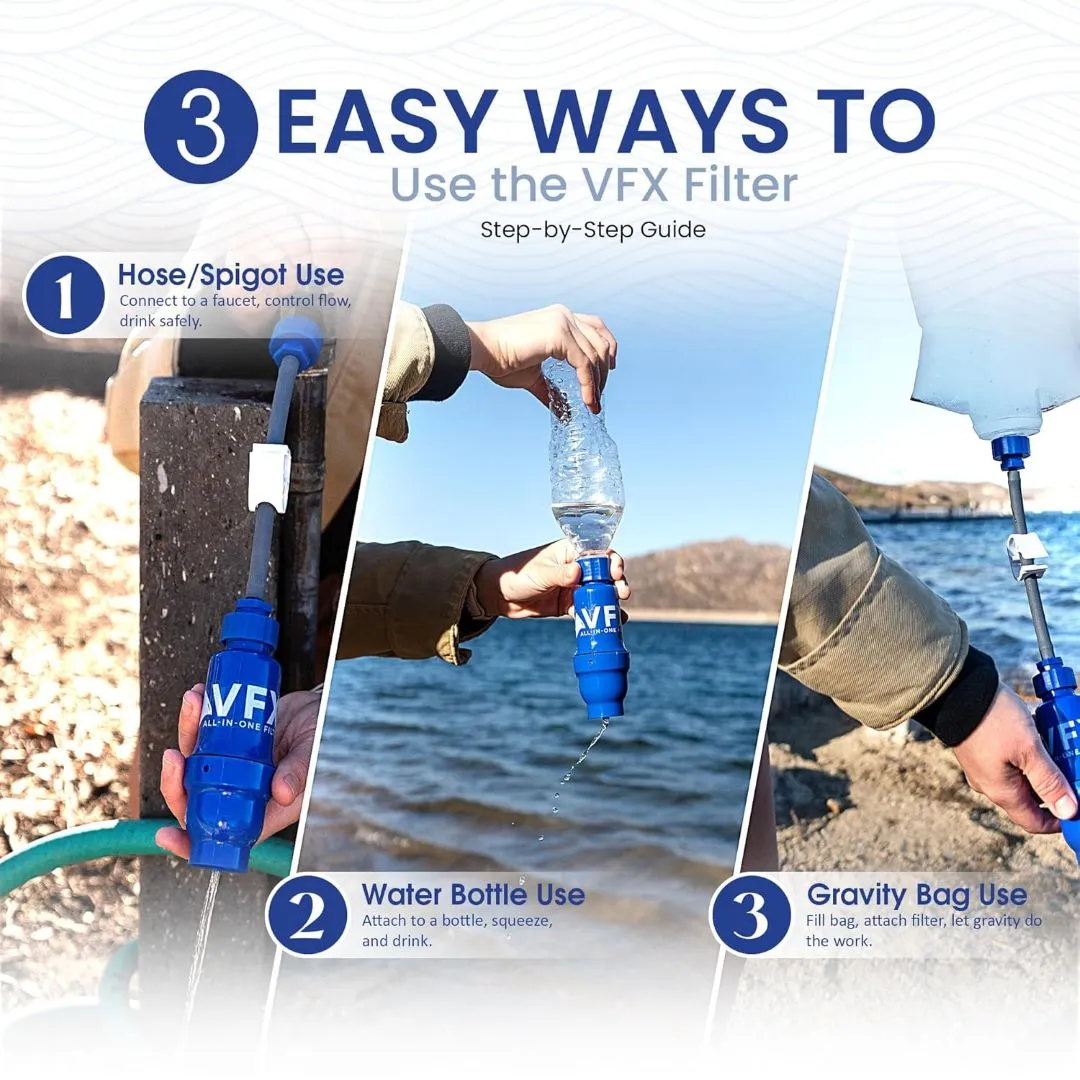
Credit: businessconnectworld.com
Maximizing Filter Efficiency
Maximizing the efficiency of your water filter ensures clean and safe water. Proper use and maintenance extend the filter’s lifespan. Follow simple steps to get the best results from your filter every day.
Flushing New Filters
Always flush new filters before first use. Run water through the filter for several minutes. This removes any loose particles and activates the filter media. Flushing helps prevent cloudy water and improves taste.
Using Pre-filtration
Install a pre-filter to catch large particles. This protects the main filter from clogging quickly. Pre-filtration reduces sediment, rust, and dirt in your water. It keeps your water filter working longer and more efficiently.
Avoiding Contaminant Buildup
Replace filters on time to avoid buildup. Dirty filters lower water flow and quality. Clean or replace filter housings regularly. Avoid letting contaminants accumulate to maintain fresh, clean water every day.
Safety And Health Benefits
Using a water filter offers many safety and health benefits. Clean water helps protect your body from harmful substances. It supports overall wellness by reducing exposure to contaminants. Filtering water ensures better quality for drinking and cooking. It also helps keep your home’s plumbing and appliances safe.
Removing Harmful Chemicals
Water filters remove dangerous chemicals like chlorine and lead. These substances can cause health problems over time. Filtering water helps reduce risks of illness and allergies. It makes water safer for daily use and consumption.
Improving Taste And Odor
Filtered water tastes fresher and smells better. Chemicals and impurities often cause bad taste and smell. Removing these improves your water’s quality instantly. Enjoying clean water encourages you to drink more and stay hydrated.
Protecting Household Appliances
Filtered water prevents buildup of minerals in appliances. Hard water can damage coffee makers, dishwashers, and washing machines. Using a water filter extends the life of your devices. It saves money on repairs and replacements over time.
Advanced Filtration Options
Advanced filtration options improve water quality beyond basic filtering. These systems remove more impurities and offer tailored solutions for different needs. They suit homes requiring cleaner, safer water or specific contaminant removal.
Explore smart filters, combination systems, and portable solutions. Each type enhances your water experience with unique features and benefits.
Smart Water Filters
Smart water filters use technology to monitor water quality in real time. They alert users about filter status and water purity through mobile apps. These filters adjust performance automatically to maintain optimal water conditions. Easy to use and maintain, smart filters add convenience and safety.
Combination Systems
Combination systems mix several filtration methods in one unit. They often include carbon filters, reverse osmosis, and UV light. This mix targets a wide range of contaminants, from chlorine to bacteria. Combination systems provide thorough purification for better taste and health protection.
Portable Filter Solutions
Portable filters are compact and easy to carry. Ideal for travel, camping, or emergencies, they ensure access to clean water anywhere. These filters use simple technology like ceramic or carbon cartridges. Portable options offer quick, effective filtration on the go.

Credit: pureplusfilter.com
Frequently Asked Questions
What Is The First Step In Using A Water Filter?
The first step is to choose the right water filter for your needs. Consider water quality, filter type, and installation method before buying.
How Do I Install A Water Filter Step By Step?
Begin by turning off the water supply. Then, follow the manufacturer’s instructions to connect the filter securely to your plumbing system.
How Often Should I Replace My Water Filter?
Replace your water filter every 3 to 6 months or as recommended by the manufacturer to maintain clean and safe water.
Can A Water Filter Remove All Contaminants?
Most water filters remove common contaminants like chlorine, sediments, and some bacteria. However, not all filters remove heavy metals or viruses.
Conclusion
Using a water filter is simple with clear steps. Clean water improves health and taste. Follow each step carefully for best results. Regular filter changes keep water fresh and safe. Enjoy the benefits of filtered water daily. Staying consistent ensures long-lasting water quality.
Now, you can feel confident using your filter.

I am an outdoor enthusiast and gear researcher passionate about camping, hiking, backpacking, and outdoor adventures. I enjoy testing gear, comparing products, and sharing practical advice to help readers make informed decisions. At BestOutsideGear, I create honest gear reviews, buying guides, and outdoor tips to help adventurers choose the right equipment with confidence.