Travel Tips for Multi-Fuel Stove: Essential Hacks for Adventure
If you’re gearing up for your next adventure and planning to rely on a multi-fuel stove, you probably want to make sure you’re using it the smartest way possible. These stoves are incredibly versatile, letting you cook meals no matter where you are or what fuel you can find.
But without the right tips, you might face frustrating challenges like hard-to-start fires or running out of fuel at the worst moments. In this guide, you’ll discover practical travel tips that help you get the most out of your multi-fuel stove—whether you’re backpacking through remote trails or exploring new countries.
Keep reading to unlock simple tricks that save you time, keep your stove running smoothly, and make your trip more enjoyable. Your next meal on the trail is about to become easier and more reliable than ever before.

Credit: www.vecteezy.com
Choosing The Right Multi-fuel Stove
Choosing the right multi-fuel stove is essential for a smooth travel experience. The stove must fit your trip needs and the fuels you can find. Focus on key features before buying. A good stove saves time, fuel, and effort in the wild.
Types Of Multi-fuel Stoves
Multi-fuel stoves come in various styles. Some use liquid fuels like gasoline or kerosene. Others burn solid fuels such as wood or coal. Some models combine both types for more flexibility. Consider where you will travel and what fuels are available. Choose a stove type that suits your journey and cooking style.
Fuel Compatibility
Check which fuels your stove supports. Some stoves burn only one or two fuel types. Others accept many fuels, including alcohol, gasoline, kerosene, and solid fuels. Think about fuel availability at your destination. A stove that uses common fuels is easier to refuel. This reduces the risk of running out of fuel.
Portability And Weight
Weight matters for backpackers and hikers. A heavy stove adds burden to your pack. Look for a compact, lightweight design. Some stoves fold or break down into small parts. This makes packing easier and saves space. Balance stove weight with durability and fuel options for best results.
Packing And Transport Tips
Packing and transporting a multi-fuel stove requires care and planning. Proper packing keeps the stove safe and ready to use. Organizing your gear helps avoid damage and loss. Follow these tips to protect your stove and fuel during travel.
Safe Fuel Storage
Store fuel in approved containers only. Avoid leaking by sealing caps tightly. Keep fuel away from heat and direct sunlight. Separate fuel from cooking gear to prevent contamination. Label fuel containers clearly for easy identification. Transport fuel in sturdy, leak-proof bags or boxes.
Protecting The Stove During Travel
Wrap the stove in bubble wrap or soft cloth. Use a hard case or padded bag for extra protection. Avoid placing heavy items on top of the stove. Check the stove for loose parts before packing. Secure small pieces inside the stove or in a separate pouch. Handle the stove gently to prevent dents or scratches.
Organizing Accessories
Keep stove accessories together in a small bag or pouch. Include tools like matches, lighter, and cleaning brush. Pack spare parts like seals and fuel jets for emergencies. Arrange accessories to avoid losing or mixing them. Use clear bags to find items quickly. Label each bag to save time during setup.
Fuel Selection And Management
Choosing the right fuel and managing it properly are crucial for using a multi-fuel stove on the road. Different fuels burn differently and affect stove performance. Smart fuel selection helps you cook efficiently and stay safe. Proper fuel management keeps your stove running smoothly and reduces the risk of running out of fuel during your trip.
Best Fuels For Multi-fuel Stoves
Multi-fuel stoves work with various fuel types. White gas is popular for its clean burn and high heat. Kerosene is easy to find and burns longer but needs more stove care. Some stoves can use unleaded gasoline, but it may cause more maintenance. Always check your stove’s manual for the best fuel choices. Use dry wood or solid fuel tablets if your stove supports them. Choosing the right fuel depends on your trip location and stove model.
Storing Various Fuels
Store fuels in strong, sealed containers to avoid leaks and spills. Keep fuel containers away from heat and direct sunlight. Label each container clearly to prevent confusion. Carry only the amount you need to save space and weight. Make sure containers meet local travel safety rules. Proper storage protects you and the environment. Avoid storing fuel near food or sleeping areas for safety.
Fuel Availability On The Road
Fuel availability varies by region and season. White gas and kerosene are common in outdoor stores and some gas stations. Gasoline is widely available but may differ in quality. Some remote areas have limited fuel options. Plan your route and fuel stops ahead. Carry extra fuel for long trips or when fuel is hard to find. Knowing where to get fuel helps avoid travel delays and stress.
Lighting And Operating Techniques
Lighting and operating a multi-fuel stove properly ensures safe and efficient cooking. Understanding the right techniques can save fuel and reduce smoke. This section covers key steps to start and control your stove’s flame for the best performance.
Starting The Fire
Begin with dry kindling and firelighters to get a quick flame. Light the firelighters directly for a steady start. Add small pieces of fuel gradually as the fire grows. Keep the air vents wide open to allow oxygen flow. This helps the fire catch quickly and burn strong.
Adjusting Air Vents For Efficiency
Air vents control the oxygen reaching the fire. Open vents fully at the start to boost combustion. Once the fire burns well, reduce vent openings to slow fuel use. Adjust vents slowly to find the right airflow balance. Proper vent control keeps the fire hot and fuel-efficient.
Maintaining A Consistent Flame
Feed fuel regularly in small amounts to avoid flame drops. Avoid overloading the stove, as it can smother the fire. Check vents often and adjust to maintain steady heat. A consistent flame cooks food evenly and saves fuel. Watch your stove closely to keep the fire stable.
Maintenance On The Trail
Maintaining your multi-fuel stove on the trail ensures it stays reliable. Regular care prevents breakdowns and keeps cooking smooth. Simple steps help you avoid common problems while outdoors. Follow these tips to keep your stove working well during your trip.
Cleaning The Stove
After each use, let the stove cool down completely. Remove any leftover fuel or ash from the burner area. Use a soft brush or cloth to wipe dirt and soot away. Clean the fuel jets carefully to keep flames steady. Avoid water on metal parts to stop rust. This simple cleaning keeps your stove ready for the next meal.
Preventing Clogs And Blockages
Check fuel lines and jets before lighting the stove. Use clean fuel to reduce dirt buildup. Avoid mixing fuels that can cause sticky residues. Blow gently into fuel tubes to clear small blockages. Carry a small pin to poke out stubborn clogs. Keeping passages clear helps your stove burn efficiently.
Handling Repairs Outdoors
Carry a basic repair kit with extra parts like O-rings and tools. Tighten loose screws and fittings as needed. If a fuel line leaks, use tape as a temporary fix. Replace damaged parts as soon as possible. Know how to disassemble and reassemble your stove. Quick repairs prevent bigger problems on the trail.

Credit: tomsbiketrip.com
Safety Tips And Best Practices
Using a multi-fuel stove on your travels requires careful attention to safety. Following best practices helps prevent accidents and ensures smooth operation. This section covers essential safety tips and how to handle your stove safely in different conditions.
Safe Handling Of Fuel
Store fuel containers in a cool, dry place away from direct sunlight. Always keep fuel away from open flames and sparks. Use only approved containers for carrying fuel. Never overfill the stove’s fuel tank. Avoid spilling fuel on your hands or clothes. Clean any spills immediately with a cloth. Transport fuel separately from the stove to reduce fire risk. Dispose of empty fuel cans properly to avoid leaks.
Operating In Different Weather
Wind can make lighting and maintaining your stove difficult. Use a windscreen to protect the flame and save fuel. In cold weather, keep fuel warm to improve flow and ignition. Avoid lighting the stove inside a tent or enclosed space. Rain can dampen fuel and tools, so keep them dry and covered. Adjust the stove’s air vents to control the flame in windy or cold conditions. Always check the stove’s stability on wet or uneven ground.
Preventing Accidents
Set up your stove on a flat, stable surface away from flammable materials. Never leave the stove unattended while it is burning. Keep children and pets away from the stove during use. Use long-handled utensils to avoid burns. Allow the stove to cool completely before handling or packing it away. Always have water or a fire extinguisher nearby in case of emergency. Follow the manufacturer’s instructions for lighting and shutting down the stove. Regularly inspect your stove for damage or leaks before each trip.
Maximizing Stove Performance
Maximizing the performance of your multi-fuel stove ensures reliable heat and efficient fuel use. Small adjustments make a big difference. Understanding how to manage fuels and air flow boosts your stove’s power. Follow these tips to get the best from your stove on every trip.
Combining Fuels For Heat
Using different fuels together can increase heat output. For example, burning wood with smokeless coal creates a hotter, longer-lasting fire. The coal helps burn off moisture in the wood. This reduces tar buildup and keeps the stove cleaner. Try layering fuels carefully to maintain a steady flame and strong heat.
Optimizing Burn Time
Control air vents to adjust how fast your fuel burns. Open vents fully at the start to get a strong flame. Once the fire is steady, partly close the vents to slow the burn. This saves fuel and keeps heat steady. Adding small amounts of fuel regularly helps avoid flame drops and smoke.
Tips For Cold Weather Use
Cold weather affects stove performance. Keep the stove dry before lighting to prevent fuel from dampening. Use dry, well-seasoned fuels to ensure easy ignition. Shield the stove from wind with natural barriers or a windscreen. Preheat the stove slightly to improve ignition and steady burning in freezing temperatures.
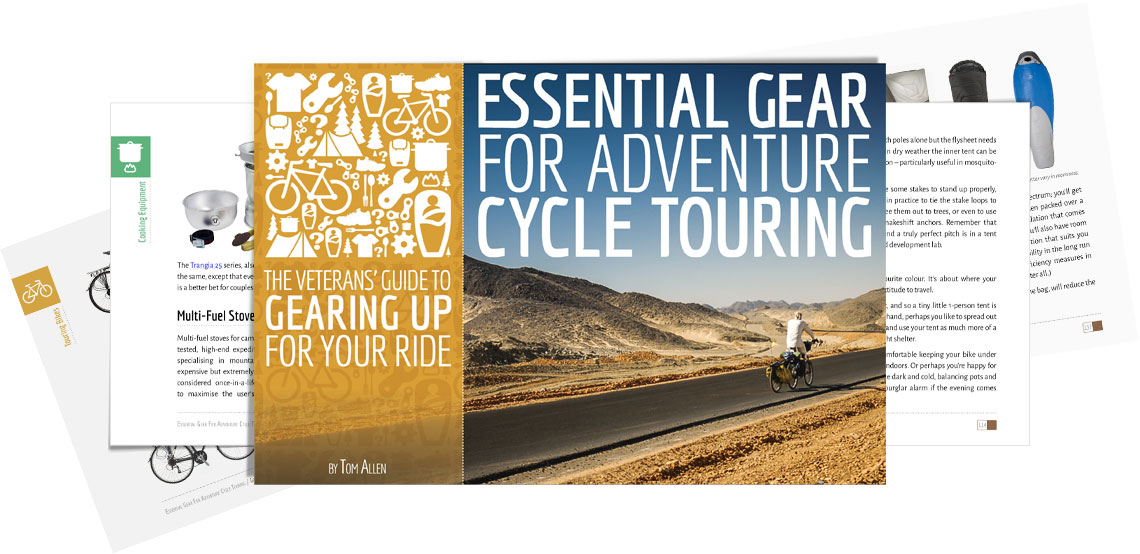
Credit: tomsbiketrip.com
Frequently Asked Questions
What Is The Most Efficient Way To Use A Multi-fuel Stove?
Light firelighters directly and keep air vents open for airflow. Add fuel gradually to maintain a consistent burn. Adjust vents to control oxygen and fuel efficiency. Use smokeless coal with firewood for longer, hotter flames. Regularly clean the stove for optimal performance.
What Are The Disadvantages Of A Multi-fuel Stove?
Multi-fuel stoves cost more and need careful air control for different fuels. They require storing various fuels, which takes space. Operating them can be complex, especially for beginners. Maintenance demands regular cleaning to prevent damage from different fuel types.
How Do You Keep A Multi-fuel Stove Burning All Night?
Light the stove fully with vents open, then reduce air vents halfway to slow oxygen flow. Add fuel as needed to maintain a steady, slow burn all night.
What Is The Best Thing To Burn In A Multifuel Stove?
The best fuels for a multifuel stove are smokeless coal and seasoned firewood. They burn hotter, longer, and reduce tar buildup.
What Fuels Work Best With A Multi-fuel Stove?
Multi-fuel stoves run well on white gas, kerosene, and unleaded petrol. Some models also burn diesel or jet fuel. Using the correct fuel ensures safe and efficient cooking.
Conclusion
Using a multi-fuel stove makes outdoor cooking flexible and efficient. Carry the right fuels and keep your stove clean. Practice adjusting air vents for better flame control. Always pack stove parts safely to avoid damage. These simple tips help you enjoy warm meals anywhere.
Stay prepared and confident on every adventure.

I am an outdoor enthusiast and gear researcher passionate about camping, hiking, backpacking, and outdoor adventures. I enjoy testing gear, comparing products, and sharing practical advice to help readers make informed decisions. At BestOutsideGear, I create honest gear reviews, buying guides, and outdoor tips to help adventurers choose the right equipment with confidence.