How to Choose Portable Grill: Ultimate Guide for Perfect BBQs
Choosing the right portable grill can transform your outdoor cooking experience, whether you’re camping, tailgating, or just enjoying a backyard barbecue. But with so many options out there, how do you find the perfect one that fits your needs?
You want something easy to carry, simple to use, and powerful enough to cook your favorite meals just the way you like them. In this guide, you’ll discover the key factors to consider before making your choice, helping you pick a portable grill that matches your lifestyle and tastes.
Keep reading, and you’ll be ready to fire up the perfect grill wherever you go.
Credit: www.bbqgrills.com
Types Of Portable Grills
Choosing the right portable grill starts with knowing the types available. Each type offers unique benefits and suits different cooking styles. Understanding these will help you pick a grill that fits your needs and outdoor plans.
Charcoal Grills
Charcoal grills use charcoal briquettes or lump charcoal as fuel. They provide a smoky flavor that many grill lovers enjoy. These grills are often lightweight and affordable. They take longer to heat up but give you great control over cooking temperature. Ideal for traditional grilling and camping trips.
Gas Grills
Gas grills run on propane or natural gas. They heat up quickly and offer easy temperature control. These grills are perfect for fast cooking and convenience. They usually come with multiple burners and a stable heat source. A good option for backyard grilling and tailgating.
Pellet Grills
Pellet grills use wood pellets for fuel. They combine smoking, grilling, and roasting functions. Temperature control is precise thanks to digital controllers. These grills create rich, smoky flavors with less effort. Great for slow cooking and flavor enthusiasts.
Electric Grills
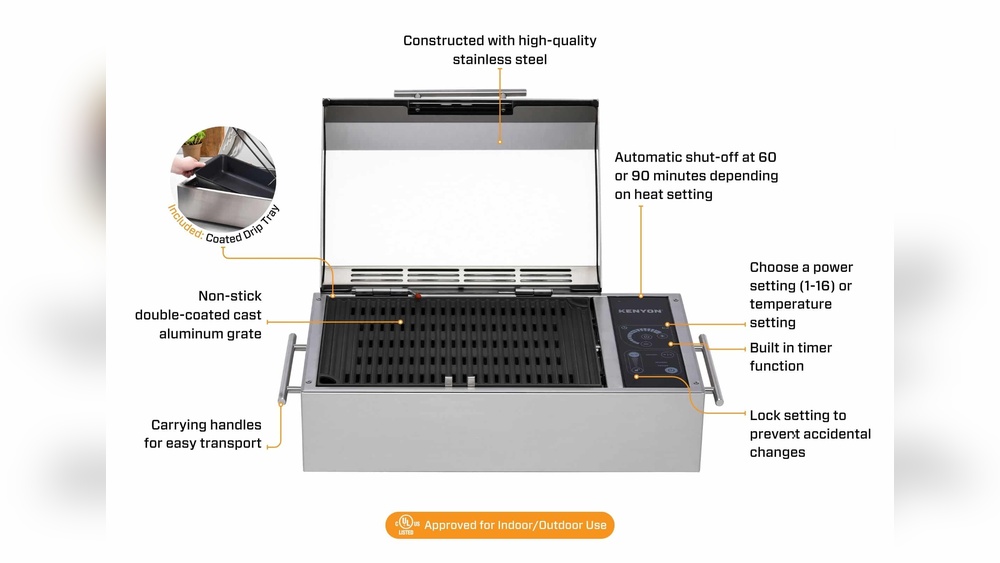
Electric grills work with electricity, making them easy to use indoors or outdoors. They heat up quickly and offer consistent temperature control. Electric grills produce no smoke, which is good for apartments. Ideal for small spaces and quick meals.
Size And Cooking Area
Choosing the right size and cooking area is key for a portable grill. It impacts how many foods you can cook at once. It also affects how easy the grill is to carry and store. Find a balance between space and portability for best results.
Primary Cooking Surface
The primary cooking surface is the main area where food cooks. This size is usually measured in square inches. A larger surface means you can grill more food at the same time. It is helpful for groups or family meals. Smaller surfaces work well for solo trips or couples. Think about how many people you will feed most often.
Portability Vs Capacity
Portability means how easy it is to carry and move the grill. A compact grill is lighter and fits in tight spaces. It is great for hiking or camping trips. Capacity means how much food you can cook at once. Bigger grills hold more food but can be heavy and bulky. Choose a grill that fits your travel style and cooking needs. If you carry your gear often, pick a lighter model. For backyard use, a larger capacity works well.
Fuel Options And Efficiency
Choosing the right fuel for your portable grill impacts cooking style and convenience. Fuel type affects heat control, cooking time, and cleanup. Some fuels light quickly and burn clean. Others offer a smoky flavor but take longer to start. Understanding fuel options and efficiency helps pick a grill that fits your needs.
Propane And Butane
Propane and butane are popular for quick grilling. They heat up fast and provide steady heat. These fuels are easy to control with adjustable knobs. Portable tanks are lightweight and refillable. They produce little smoke, making them good for parks and urban areas. Propane works well in cold weather, but butane is better for warm climates.
Charcoal Choices
Charcoal grills give food a rich, smoky flavor. They need more time to light and reach cooking temperature. Charcoal burns hotter but less evenly than gas. Briquettes last longer and burn steadily. Lump charcoal heats faster and creates more smoke. Cleanup can be messy due to ash. Charcoal is ideal for those who enjoy traditional grilling.
Pellet Fuel
Pellet grills use compressed wood pellets for fuel. They offer consistent heat and add a smoky flavor. Pellets burn efficiently and produce less ash. These grills often have digital controls for easy temperature settings. Pellet fuel is eco-friendly and easy to store. They require electricity to run the auger and fan, which limits use off the grid.
Electric Power
Electric grills are simple to use and clean. They heat quickly and maintain steady temperatures. No open flame means safer cooking indoors or in restricted areas. Electric grills do not produce smoke or ash. They require a power source, limiting portability. These grills suit small spaces and quick meals without fuel hassles.
Temperature Control Features
Temperature control is a key feature in any portable grill. It allows you to cook food evenly and avoid burning. A grill with good temperature control helps you prepare different types of meals with ease. Understanding these features ensures better grilling results outdoors.
Adjustable Vents And Dampers
Adjustable vents and dampers regulate airflow inside the grill. More air increases the heat by feeding oxygen to the fire. Closing vents lowers the temperature by reducing oxygen flow. Controlling these vents lets you manage the grill’s heat level easily. This feature is especially useful for charcoal grills.
Built-in Thermometers
Built-in thermometers show the grill’s internal temperature. This helps you monitor heat without opening the lid. Keeping the lid closed retains heat and smoke for better flavor. A clear and accurate thermometer makes grilling simpler and more precise. It is a must-have for consistent cooking.
Heat Distribution
Even heat distribution prevents hot and cold spots on the grill. A grill with good heat spread cooks food uniformly. Look for models with quality materials and design to ensure even heat. Some grills have heat diffusers or plates to balance the temperature. This feature improves cooking performance and food quality.
Build Quality And Materials
Choosing the right portable grill means paying close attention to build quality and materials. These factors affect how well the grill performs and how long it lasts. Good materials ensure even cooking, easy cleaning, and resistance to weather. A sturdy build keeps the grill stable and safe during use. Understanding the differences in materials helps you pick a grill that suits your outdoor needs.
Stainless Steel Vs Cast Iron
Stainless steel grills heat up quickly and resist rust. They are lighter and easy to carry. Cleaning stainless steel is simple due to its smooth surface. Cast iron grills hold heat longer and provide a better sear on food. They are heavier and need seasoning to prevent rust. Cast iron requires more care but offers excellent heat retention.
Durability For Outdoor Use
Durability is key for portable grills used outdoors. Look for thick metal parts and solid hinges. Welded joints last longer than rivets or screws. A grill with a sturdy frame resists bending or breaking. Durable grills withstand bumps, drops, and rough handling during travel. Check for quality wheels and locks if the grill is mobile.
Rust Resistance
Rust can ruin a grill quickly. Choose materials with natural rust resistance like stainless steel. Powder-coated or enamel finishes add extra protection. Avoid grills with thin paint or bare metal parts. Regular cleaning and drying help prevent rust. Store the grill covered or indoors when not in use to extend its life.
Credit: live2grill.com
Portability Factors
Portability is a key factor when selecting a portable grill. It affects how easily you can carry, store, and use the grill during outdoor activities. Consider the size and weight to ensure it fits your needs. Also, think about how the grill folds and handles for convenience. Storage options and transport methods matter for travel and quick setup. Paying attention to these factors will help you find a grill that suits your lifestyle.
Weight And Dimensions
The grill’s weight influences how easy it is to carry. Lighter grills are better for hiking or long trips. Check the dimensions to see if it fits your car or storage space. Compact grills save room but may limit cooking area. Balance size and weight based on your typical use.
Foldability And Handles
Grills that fold become smaller and easier to pack. Look for models with secure folding mechanisms. Handles make carrying simpler and safer. Some handles stay cool to the touch. Portable grills with foldable legs add to convenience.
Storage And Transport
Consider how you will store the grill at home and on the go. Some grills come with carrying cases or bags. These protect the grill and keep parts together. Check if the grill fits easily in your vehicle. Think about extra space needed for fuel or accessories.
Additional Features
Choosing a portable grill involves more than size and fuel type. Additional features can improve your cooking experience. These extras make grilling easier and more enjoyable. Consider what features fit your needs and style.
Side Shelves And Workspaces
Side shelves provide extra space for utensils and ingredients. They keep everything within reach while grilling. Some grills have foldable shelves for easy transport. A small workspace helps prep food and hold plates. Look for sturdy shelves that support weight well.
Ignition Systems
A reliable ignition system speeds up grill startup. Push-button ignition is common and simple to use. Some grills use piezo ignition, which is durable and spark-based. Avoid grills that require matches or lighters every time. Quick ignition saves time and avoids frustration outdoors.
Cleaning And Maintenance
Easy cleaning keeps your grill ready for the next use. Removable drip trays catch grease and prevent flare-ups. Non-stick grill grates reduce food sticking and make scrubbing easier. Stainless steel parts resist rust and last longer. Check how simple it is to dismantle parts for cleaning.

Credit: www.amazon.com
Best Grills For Different Activities
Choosing the right portable grill depends on the activity you plan. Each activity has unique needs for size, fuel type, and portability. Understanding these differences helps you pick the best grill to enjoy your outdoor cooking.
Camping
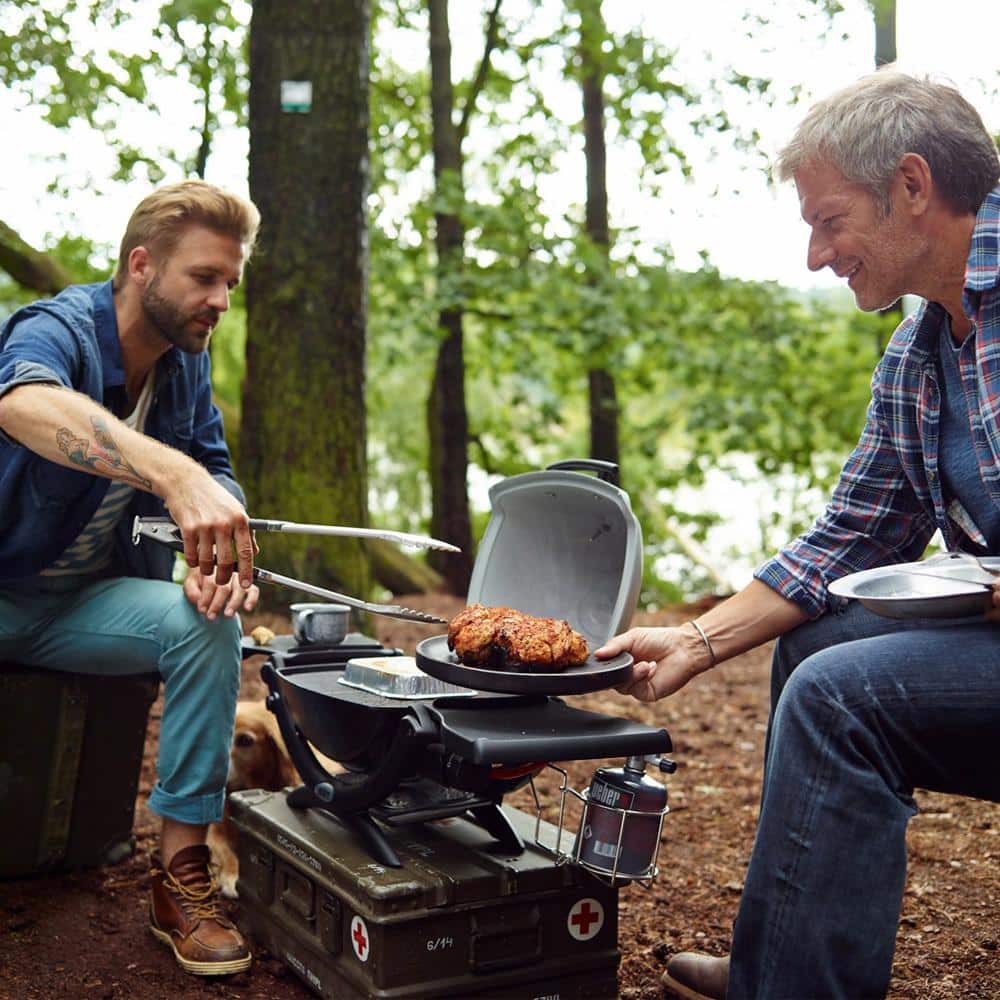
For camping, a lightweight and compact grill works best. Charcoal grills offer a smoky flavor and are easy to pack. Look for grills with foldable legs and a secure lid. Portability and durability are key for rough outdoor conditions.
Tailgating
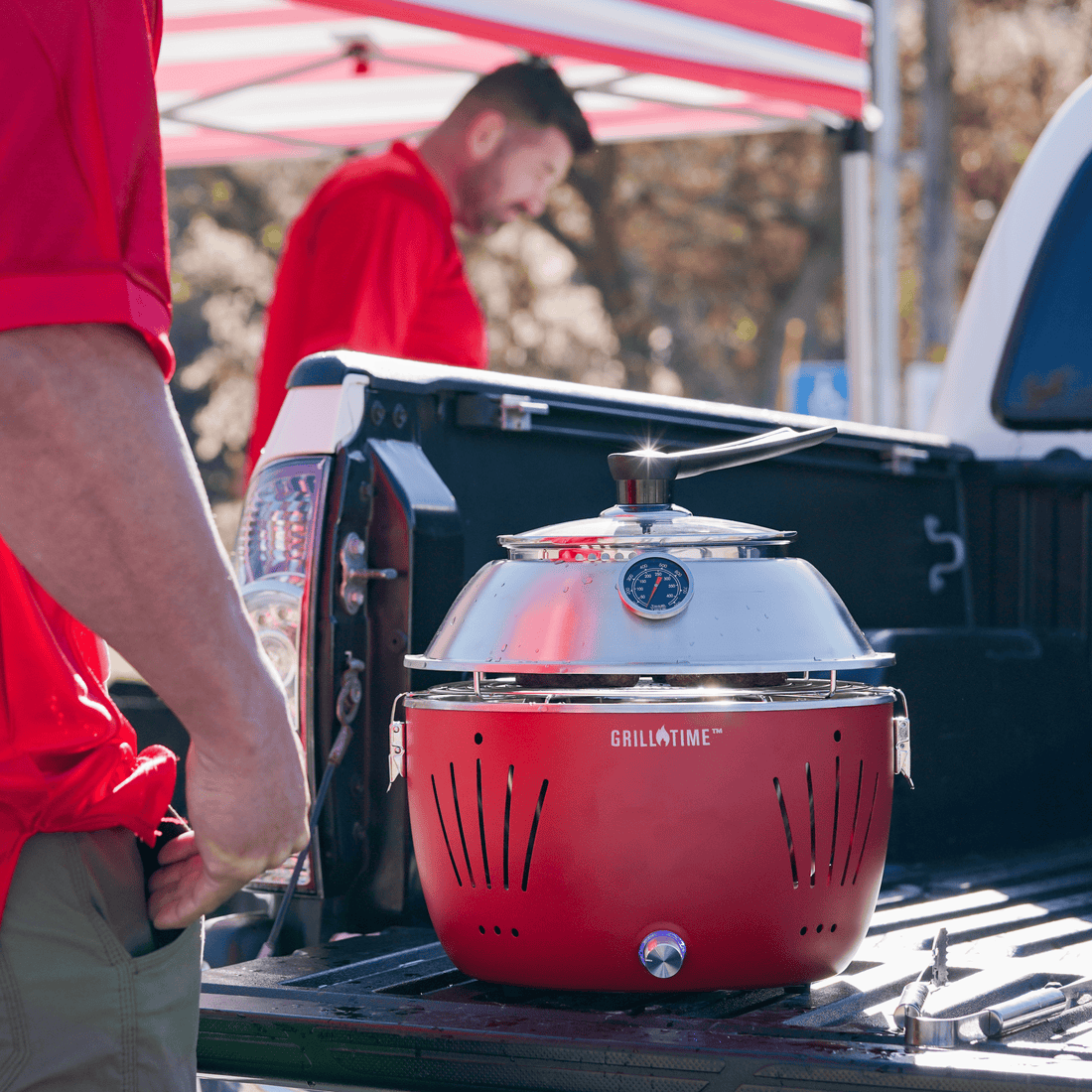
Tailgating needs a grill that heats up quickly and cooks evenly. Portable gas grills are popular here due to fast startup and easy temperature control. Choose a model with wheels or a carrying handle. It helps move the grill from car to spot easily.
Backyard Bbqs
Backyard BBQs call for a larger cooking surface and steady heat. Portable charcoal or propane grills both work well in this setting. Look for grills with adjustable vents and multiple burners. This lets you cook various foods at once.
Rv And Overlanding
RV and overlanding require grills that fit small spaces and run on available fuel. Compact propane grills are common because they connect easily to RV tanks. Choose grills with a sturdy base to keep steady on uneven ground. Easy cleanup is also important for long trips.
Budget Considerations
Setting a budget is a key step in choosing a portable grill. It helps narrow down options and focus on what fits your needs. Portable grills come in a wide price range. This section breaks down options by budget levels to guide your choice.
Entry-level Options
Entry-level portable grills offer basic features at a low cost. They are perfect for casual use or beginners. These grills usually have smaller cooking areas. Materials may be less durable but still functional. Ideal for picnics or short trips. Expect limited temperature control and fewer accessories.
Mid-range Choices
Mid-range portable grills balance price and performance well. They provide better build quality and more cooking space. Temperature control options improve for diverse cooking styles. Often made with sturdier materials like stainless steel. Suitable for regular use by outdoor enthusiasts. These models often include extras like carry cases or side tables.
High-end Models
High-end portable grills deliver premium features and durability. They have larger cooking surfaces and precise heat control. Built with top-grade materials for long-lasting use. Designed for serious grillers who want versatility and power. These models may include advanced tech like digital controls. They come at a higher price but offer excellent performance.
Frequently Asked Questions
What Size Portable Grill Should I Choose?
Choose a grill size based on how many people you cook for. A 200-300 square inch cooking area suits small groups. Larger grills are better for families or gatherings. Consider your storage and transport space when deciding size.
Which Fuel Type Is Best For Portable Grills?
Common fuel types include propane, charcoal, and electric. Propane grills offer quick heat and temperature control. Charcoal grills give smoky flavor but take longer to heat. Electric grills are convenient but need power sources.
How Important Is Temperature Control In Portable Grills?
Temperature control is crucial for cooking different foods properly. Look for adjustable vents or knobs for precise heat management. Good control helps prevent burning and ensures even cooking. It adds versatility to your grilling experience.
What Features Enhance Portability Of A Grill?
Lightweight materials, compact design, and foldable legs improve portability. Wheels or handles make carrying easier. A grill that fits in your vehicle or storage space adds convenience. Choose models designed specifically for travel and outdoor use.
Conclusion
Choosing the right portable grill makes outdoor cooking easier and more fun. Focus on size, fuel type, and ease of use. Think about where you will grill and how many people you’ll cook for. A grill that heats well and is easy to carry suits most needs.
Take time to compare features before making a choice. This way, you enjoy tasty meals wherever you go. Portable grilling brings great food and good times together.

I am an outdoor enthusiast and gear researcher passionate about camping, hiking, backpacking, and outdoor adventures. I enjoy testing gear, comparing products, and sharing practical advice to help readers make informed decisions. At BestOutsideGear, I create honest gear reviews, buying guides, and outdoor tips to help adventurers choose the right equipment with confidence.