Benefits of Multi-Fuel Stove: Ultimate Energy Savings and Versatility
Imagine having a heating solution that adapts to your needs, saves you money, and keeps your home cozy no matter the fuel available. That’s exactly what a multi-fuel stove offers you.
Whether you want to burn wood, coal, or other fuels, this versatile stove gives you the freedom to choose what works best for your situation. But the benefits don’t stop there. If you’re looking to cut down on heating costs, reduce your carbon footprint, and enjoy a warm, inviting atmosphere, you’ll want to keep reading.
Discover how a multi-fuel stove can transform your home heating experience and why it might be the perfect fit for your lifestyle.
Credit: www.stovax.com
Fuel Flexibility
Fuel flexibility is one of the key benefits of a multi-fuel stove. It allows you to use different types of fuel depending on availability and preference. This versatility helps you stay warm and save money throughout the year.
You can choose the best fuel for your needs, whether it is wood, coal, or pellets. This flexibility also ensures you have a reliable heat source no matter the season or supply.
Burn Wood, Coal, And Pellets
Multi-fuel stoves can burn wood logs, coal, and pellets easily. Wood is a natural and renewable fuel that burns with a pleasant aroma. Coal burns hotter and longer, offering consistent heat. Pellets are made from compressed wood or biomass, providing clean and efficient burning.
This range of fuels means you can select what suits your budget and heating needs. It also allows you to switch fuels to reduce emissions or improve stove efficiency.
Switching Fuels With Ease
You can switch between fuels without hassle. Multi-fuel stoves have adjustable air controls to optimize burning for each fuel type. Changing fuel does not require special skills or tools.
This ease of use makes multi-fuel stoves convenient and practical. You can adapt quickly to fuel availability or price changes without losing warmth or comfort.
Energy Efficiency
Energy efficiency is a key advantage of multi-fuel stoves. These stoves convert fuel into heat with minimal waste. Efficient energy use means your home stays warm longer without using extra fuel. This saves money and reduces environmental impact. Multi-fuel stoves adapt well to different fuels, improving overall heating performance.
Maximizing Heat Output
Multi-fuel stoves are designed to produce more heat from the same amount of fuel. Their airtight design controls airflow precisely. This helps burn fuel completely and evenly. The result is stronger, steady heat that warms rooms faster. Heat distribution is also better, keeping your space cozy without cold spots.
Reducing Fuel Consumption
These stoves require less fuel to maintain warmth. Their efficient burning process means less fuel is wasted as smoke or ash. You can use wood, coal, or other fuels based on availability and cost. Using the right fuel mix lowers your overall fuel needs. This reduces your heating bills and lessens fuel storage demands.
Cost Savings
Choosing a multi-fuel stove can lead to significant cost savings. These stoves offer flexibility in fuel options, which helps reduce overall heating expenses. By using different fuels, homeowners can pick the most affordable choice available. This makes managing heating costs easier throughout the year.
Multi-fuel stoves also use fuel efficiently, producing more heat with less material. This efficiency means less money spent on fuel while keeping your home warm. Over time, these savings add up and make a noticeable difference in your household budget.
Lower Heating Bills
Multi-fuel stoves allow burning wood, coal, or smokeless fuel. This variety lets you buy the cheapest fuel at any time. You can switch fuels based on price or availability, saving money every season.
These stoves are designed to burn fuel cleanly and efficiently. This reduces waste and uses less fuel for the same amount of heat. Lower fuel use directly cuts down your heating bills.
Long-term Investment Benefits
Though multi-fuel stoves cost more upfront, they save money over years of use. Their durable build means fewer repairs and replacements. This long lifespan makes them a smart financial choice.
Using one stove for multiple fuel types reduces the need for other heating devices. This lowers maintenance and energy costs. The stove’s efficiency also helps maintain steady warmth without extra spending.
Credit: nationalflues.com
Environmental Impact
Multi-fuel stoves offer a sustainable way to heat your home. They reduce harm to the environment by using different fuels efficiently. This flexibility helps lower pollution and conserve resources. Choosing the right fuel impacts the air quality and carbon emissions around you.
Lower Carbon Footprint
Multi-fuel stoves produce less carbon dioxide compared to traditional heating. They burn fuel more completely, reducing waste. Efficient burning means less fuel is needed to generate heat. This decreases the overall carbon released into the atmosphere. Using less fossil fuel helps slow climate change. It supports cleaner air and a healthier planet.
Using Eco-friendly Fuels
These stoves allow burning wood, pellets, or smokeless coal, which are cleaner fuels. Wood and pellets come from renewable sources, making them eco-friendly. Smokeless coal emits fewer harmful gases than regular coal. Switching to these fuels cuts down smoke and toxic particles. It protects your home and neighborhood air quality. Choosing eco-friendly fuel supports sustainable energy practices.
Convenience And Versatility
Multi-fuel stoves offer great convenience and versatility for heating your home. They can burn different types of fuel, giving you more choices. This flexibility makes them practical for many households. Their design allows easy control and efficient heating.
Adjustable Air Controls
Multi-fuel stoves come with adjustable air controls. These controls let you manage the airflow inside the stove. You can increase or decrease the air to control the burn rate. This feature helps you use different fuels safely and efficiently. It also helps maintain a steady temperature in your home.
Suitable For Various Home Sizes
These stoves fit well in homes of different sizes. Whether you have a small room or a large living area, a multi-fuel stove can meet your heating needs. They come in various sizes and heat outputs. This makes them adaptable to your space and energy requirements.
Durability And Safety
Durability and safety are key factors when choosing a multi-fuel stove. These stoves are built to last and designed to protect your home and family. Their strong construction and safe operation methods make them a reliable heating option. Understanding these aspects helps you enjoy warmth without worry.
Robust Construction
Multi-fuel stoves are made from heavy-duty materials like cast iron or steel. These metals can handle high temperatures for long periods. The solid build resists warping and damage from heat. Many models have thick walls that keep heat inside. This means better fuel efficiency and longer stove life. The sturdy design also supports different fuel types safely. This durability saves money on repairs and replacements.
Safe Operation Practices
Using a multi-fuel stove safely requires some simple steps. Always follow the manufacturer’s instructions. Use the correct fuel and avoid wet or treated wood. Keep the stove’s air controls adjusted for proper burning. Regular cleaning of the stove and chimney prevents blockages and fire risks. Install a fireguard to protect children and pets. Proper ventilation avoids harmful smoke inside your home. These practices reduce hazards and keep your stove working well.
Fuel Storage And Handling
Fuel storage and handling are important aspects of owning a multi-fuel stove. These stoves use various types of fuel, such as wood, coal, or smokeless fuel. Proper storage keeps fuels dry and ready to burn efficiently. Good handling ensures safety and ease of use. Understanding how to manage and store different fuels helps maintain stove performance and extends its life.
Managing Different Fuels
Multi-fuel stoves burn wood, coal, and smokeless fuels. Each fuel type has unique storage needs. Wood should be kept dry and off the ground to avoid moisture. Coal requires a cool, dry place to prevent crumbling and dust. Smokeless fuel also needs protection from dampness. Keep fuels separated to avoid contamination. Use airtight containers or covered bins to preserve quality. Handling fuels carefully reduces mess and improves stove efficiency.
Storage Space Considerations
Storing multiple fuels needs more space than single-fuel options. Plan for separate areas for wood, coal, and smokeless fuel. Choose a dry, ventilated spot near the stove for easy access. Use pallets or racks to keep wood off the floor. Store coal in sealed containers to stop dust spreading. Organize fuels for quick identification. Proper storage helps maintain fuel quality and keeps your home clean and safe.
Comparing Multi-fuel And Wood-only Stoves
Comparing multi-fuel stoves and wood-only stoves helps you understand their differences. Both stoves heat your home but use different fuel types. Multi-fuel stoves burn wood, coal, and other solid fuels. Wood-only stoves use just wood logs. This comparison highlights which stove fits your needs best.
Advantages And Disadvantages
Multi-fuel stoves offer more fuel choices. You can burn wood, coal, or smokeless fuel. This flexibility can save money and provide heat even when wood is scarce. They also burn fuel efficiently, producing more heat per load.
Wood-only stoves are simpler to use. They need less maintenance and usually cost less. Wood gives a natural, pleasant smell and bright flames.
Multi-fuel stoves cost more upfront. They require learning how to control airflow for different fuels. You also need space to store various fuels.
Wood-only stoves limit fuel options. Wet or green wood can cause smoke and creosote buildup. They may not burn as hot or long as multi-fuel stoves.
Choosing The Right Stove For You
Think about your fuel availability. If wood is easy to get, a wood-only stove works well. It keeps things simple and cozy.
If you want more fuel flexibility, choose a multi-fuel stove. It heats your home in different ways and adapts to fuel supply changes.
Consider your budget and stove use. Multi-fuel stoves have higher costs but offer long-term fuel savings. Wood-only stoves suit those who want a straightforward heating option.
Space for storing fuel matters. Multi-fuel stove owners need room for coal and wood. Wood-only stove users need less storage space.
Common Fuel Restrictions
Multi-fuel stoves offer flexibility by burning different types of fuel. This versatility helps save money and heat homes efficiently. Yet, not all fuels are safe or suitable for these stoves. Knowing common fuel restrictions is essential to keep your stove working well and protect your home environment.
What Not To Burn
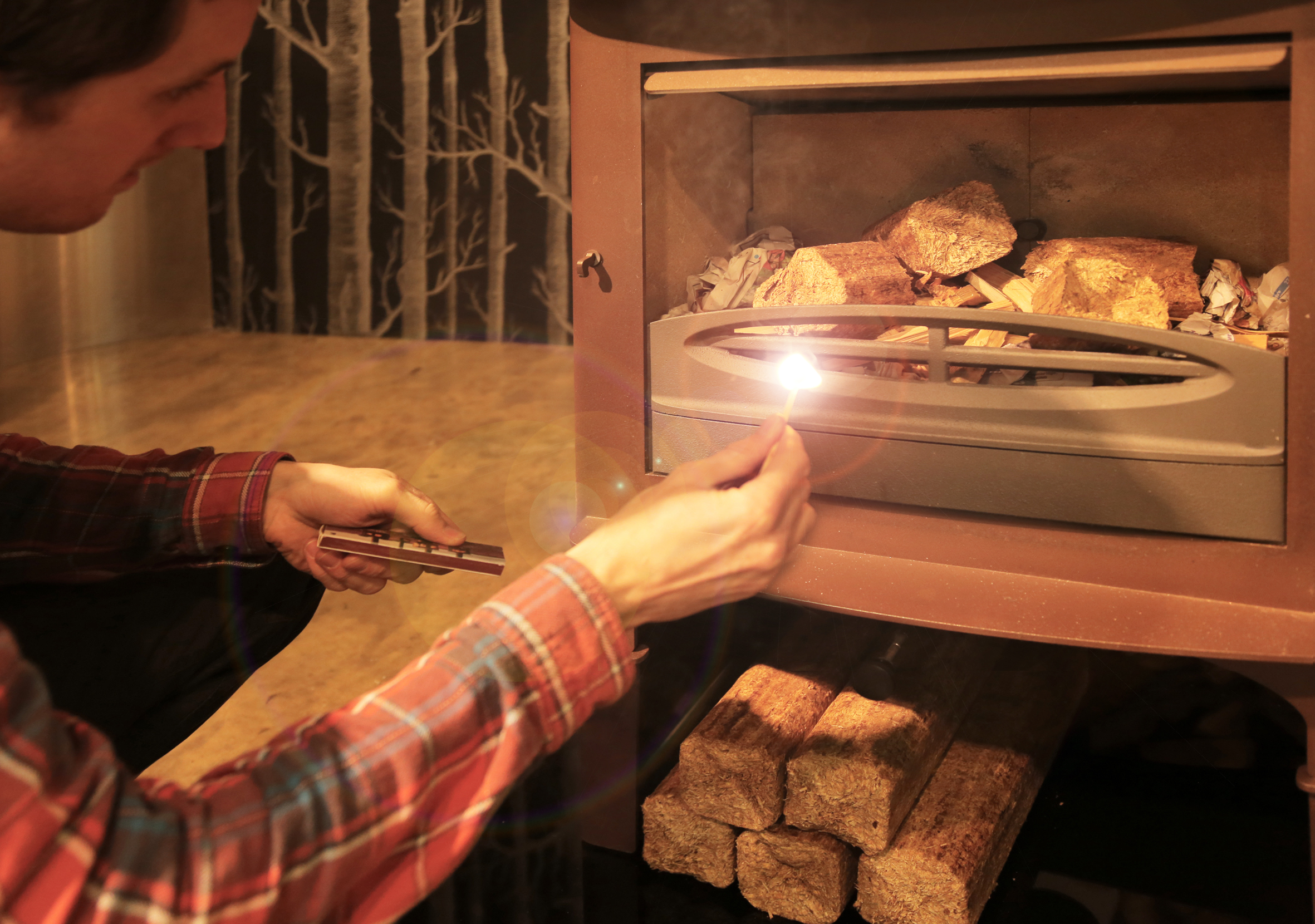
Never burn wet or green wood in a multi-fuel stove. Moisture causes smoke and creosote build-up. Avoid treated or painted wood, which releases harmful chemicals. Stay away from colored paper, plastics, and cardboard. These materials create toxic fumes and damage the stove’s interior. Also, do not use liquid fire starters inside the stove. They can cause dangerous flare-ups and harm the stove’s components.
Avoiding Damage And Pollution
Burning unsuitable fuels damages the stove’s lining and metal parts. It shortens the stove’s lifespan and reduces efficiency. Toxic smoke from forbidden fuels harms air quality and your health. Using correct fuels reduces pollution and protects the environment. Proper fuel choice keeps your home safe and warm. Follow fuel guidelines for a clean, safe, and efficient fire.
Credit: www.charnwood.com
Frequently Asked Questions
Is It Worth Getting A Multi-fuel Stove?
A multi-fuel stove offers versatile fuel options, high efficiency, and strong heat output. It saves money and reduces carbon footprint. However, it costs more upfront and requires managing different fuels and air controls. Overall, it suits those wanting flexible, eco-friendly home heating.
What Are The Disadvantages Of A Multi-fuel Stove?
Multi-fuel stoves cost more upfront and require skill to adjust controls for different fuels. Storing various fuels needs extra space.
What Is The Best Thing To Burn In A Multifuel Stove?
The best fuel for a multifuel stove is a mix of dry, seasoned firewood and smokeless coal. This combination burns hotter and longer. It also reduces moisture, tar, and rust buildup, improving stove efficiency and lifespan. Avoid wet wood or treated materials for safe, clean burning.
What Can You Not Burn In A Multi-fuel Stove?
Do not burn wet or green wood, treated or painted wood, plywood, chipboard, particleboard, colored paper, Christmas trees, or liquid fire starters. These materials damage the stove and release harmful fumes. Always use dry, untreated wood or approved fuels for safe, efficient burning.
What Is A Multi-fuel Stove?
A multi-fuel stove is a heating appliance that burns different types of fuels. It can use wood, coal, or smokeless fuels, offering flexibility.
Conclusion
A multi-fuel stove offers great fuel flexibility for any home. It burns wood, coal, and other solid fuels easily. This helps save money and cuts down fuel waste. The stove heats your space well, even using small amounts of fuel.
It also reduces smoke, keeping your air cleaner. Easy to use and maintain, it fits many heating needs. Choosing a multi-fuel stove means smart, efficient warmth all year. Consider one for comfort and practical heating options.

I am an outdoor enthusiast and gear researcher passionate about camping, hiking, backpacking, and outdoor adventures. I enjoy testing gear, comparing products, and sharing practical advice to help readers make informed decisions. At BestOutsideGear, I create honest gear reviews, buying guides, and outdoor tips to help adventurers choose the right equipment with confidence.