Safety Tips for Multi-Fuel Stove: Essential Guide for Safe Use
If you own a multi-fuel stove, you already know how cozy and efficient it can make your home. But are you sure you’re using it safely?
Your stove handles different types of fuel, which means safety isn’t just important—it’s essential. One small mistake can lead to dangerous situations like fires or harmful fumes. You’ll discover simple yet powerful safety tips that will protect you, your family, and your home.
Keep reading to learn how to enjoy your multi-fuel stove worry-free and keep it burning strong for years to come.
Choosing The Right Fuel
Choosing the right fuel for your multi-fuel stove is key to safe and efficient heating. Different fuels burn in various ways and produce different amounts of heat and smoke. Using the proper fuel keeps your stove working well and prevents damage or dangerous situations. Understanding which fuels work best helps you enjoy a warm, safe fire every time.
Best Fuels For Multi-fuel Stoves
Hardwood logs are excellent for multi-fuel stoves. Woods like oak, ash, beech, and maple burn hot and clean. They produce less smoke and leave minimal ash. Smokeless coal is another good choice. It burns longer and gives consistent heat. These fuels help keep your stove clean and efficient.
Fuels To Avoid
Avoid burning softwoods such as pine or fir. They create more creosote, which can clog your chimney. Do not use painted, treated, or wet wood. These release harmful chemicals and cause smoke buildup. Never burn rubbish, plastics, or cardboard. These fuels can damage your stove and pollute the air.
Mixing Coal And Wood
Mixing coal and wood can be safe if done right. Start the fire with dry wood to get a good flame. Once the wood is burning well, add a small amount of coal. This method helps the fire burn hotter and longer. Keep an eye on the fire and adjust air vents to control the burn. Avoid overloading the stove with coal or wood at once.
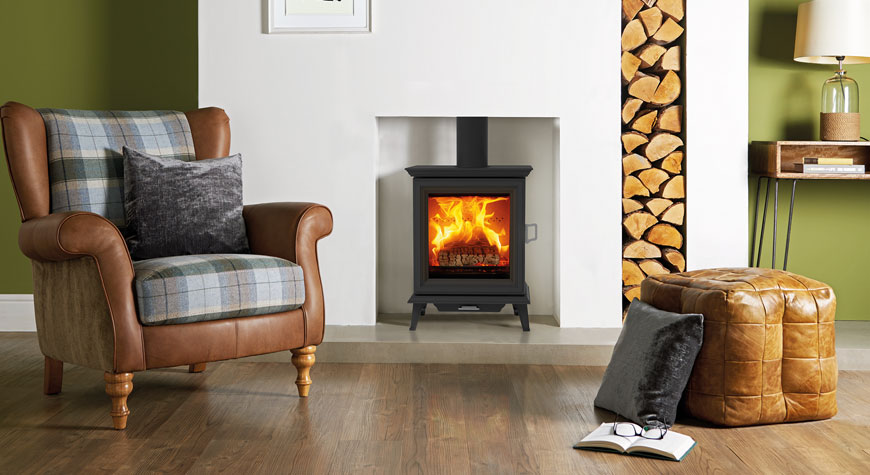
Credit: www.bowlandstoves.co.uk
Safe Lighting Techniques
Lighting a multi-fuel stove safely is key to preventing accidents. Proper techniques help control the fire and keep your home secure. Follow these steps to ensure you start your stove the right way.
Proper Air Vent Adjustment
Air vents control the oxygen flow to your fire. Open vents fully at the start to help the fire catch quickly. Once the fire is burning well, adjust vents to half-open. This slows the burn and keeps the fire steady.
Too much air makes the fire burn too fast. Too little air can cause smoke and poor combustion. Watch your stove and adjust vents as needed for a safe burn.
Starting The Fire Safely
Use dry, seasoned fuel to start your fire. Place small kindling and paper in the stove first. Light the paper carefully and let the kindling catch fire.
Add larger pieces of fuel slowly once the fire is strong. Never use liquid starters or flammable sprays. Keep a fire extinguisher or water source nearby in case of emergencies.
Maintaining Efficient Burn
Maintaining an efficient burn in a multi-fuel stove is essential for safety and fuel savings. Proper burn efficiency helps reduce smoke and harmful emissions. It also extends the life of your stove and chimney.
Achieving the right burn means controlling air flow and choosing the best burning techniques. These steps help keep your fire hot and steady. They also prevent dangerous creosote buildup inside the chimney.
Controlling Oxygen Supply
Oxygen is key for combustion. Too much air cools the fire and wastes fuel. Too little air causes smoke and incomplete burning.
Start your fire with vents fully open. This helps the fuel ignite quickly. After the fire is strong, reduce the air supply by closing vents halfway. This slows the burn, making it last longer.
Adjust vents carefully. Small changes can affect the fire’s strength. Watch your fire and tweak the vents to keep it steady without smoke.
Keeping Stove Burning Overnight
Burning your stove safely overnight requires a slow, controlled fire. Use dry, seasoned fuel to avoid excess smoke. Avoid overloading the stove with fuel before bed.
After the fire is hot, close the vents to reduce oxygen. This lets the fuel burn slowly and evenly. Check the fire before sleeping to ensure it is stable.
Never leave the stove unattended for long periods without proper vent control. A well-maintained fire overnight saves fuel and keeps your home warm safely.

Credit: ikoffy.com
Routine Cleaning And Maintenance
Routine cleaning and maintenance keep your multi-fuel stove safe and efficient. Regular care helps prevent dangerous blockages and buildup. It also extends the stove’s lifespan and improves its performance.
Pay attention to dirt, ash, and soot that collect inside the stove. Removing these regularly stops fire hazards and keeps air flowing well. A clean stove burns fuel better and produces less smoke.
Weekly Cleaning Tips
Clear out ash and debris from the firebox every week. Use a metal container to store the ash safely. Avoid letting ash build up more than an inch deep.
Clean the glass door with a soft cloth and stove cleaner. This keeps the view clear and helps you spot issues early. Check seals and gaskets for damage and replace them if needed.
Chimney Inspection And Cleaning
Inspect the chimney every few months for soot and creosote buildup. These substances can cause chimney fires if not removed. Use a chimney brush or hire a professional to clean it.
Make sure the chimney cap is free from debris and animals. Blockages reduce airflow and cause smoke to enter your home. A clean chimney improves draft and stove efficiency.
Installation And Placement
Proper installation and placement of a multi-fuel stove are crucial for safe and efficient operation. A correctly installed stove reduces fire risks and ensures optimal heat distribution. Careful placement prevents damage to surrounding materials and keeps your home safe.
Professional Installation Benefits
Hiring a professional ensures the stove meets all safety codes. Experts know how to install chimneys and vents correctly. They check for proper clearance from walls and furniture. Professionals also test the stove for leaks and draft issues. This reduces hazards and improves stove performance. Avoid DIY installations to prevent costly mistakes.
Safe Stove Placement
Place the stove on a non-combustible surface like stone or tile. Keep at least 18 inches of space around the stove clear of flammable items. Avoid placing the stove near curtains, furniture, or paper. Position the stove where smoke can vent easily outdoors. Ensure good airflow around the stove to prevent overheating. Proper placement helps maintain safety and efficiency.
Fire Safety Precautions
Fire safety is vital when using a multi-fuel stove. The stove produces heat and flames that can cause accidents if not handled properly. Taking simple precautions can prevent fires and protect your home and family. Safe use and careful attention reduce risks significantly.
Keeping Flammable Materials Away
Always keep flammable items far from the stove. Paper, cloth, and curtains can catch fire easily. Maintain a clear space of at least three feet around the stove. Never store firewood or kindling too close. This simple habit stops accidental fires.
Safe Storage Of Fuels
Store fuels like coal, wood, and pellets in a dry, safe place. Avoid keeping fuel inside the house near the stove. Use metal or sealed containers to prevent spills and leaks. Proper storage reduces fire hazards and keeps your fuel dry and ready to use.
Child Safety Around Stove
Keep children away from the stove at all times. The stove surface becomes very hot and can burn skin. Use safety gates or barriers to block access. Teach children the dangers of fire and the importance of staying clear. Supervision is key to prevent accidents.
Ventilation And Airflow
Proper ventilation and airflow are vital for safe use of a multi-fuel stove. These factors help control the fire and prevent dangerous gases from building up inside your home. Good ventilation also improves stove efficiency and keeps the air fresh.
Ensuring Proper Ventilation
Place your stove in a well-ventilated room. Open windows or vents slightly to allow fresh air in. This helps oxygen reach the fire, keeping it burning cleanly. Avoid sealing the room completely, as this blocks airflow and causes poor combustion.
Check that your chimney or flue is clear and unobstructed. Clean it regularly to remove soot or debris. This ensures smoke and gases escape safely outside.
Avoiding Smoke Build-up
Smoke build-up inside the home signals poor ventilation. It can cause health problems and damage walls or furniture. Watch for any smoke smells or visible smoke in the room.
Adjust air vents on the stove to control airflow. Open vents increase oxygen and reduce smoke. Keep vents clean and free from blockage. Use dry, seasoned fuel to minimize smoke production.
Handling Emergencies
Handling emergencies with a multi-fuel stove is crucial for home safety. Quick and calm action can prevent serious damage and injury. Knowing what to do helps you stay in control. Prepare your home and family for any stove-related emergencies.
Fire Extinguisher Use
Keep a fire extinguisher near your stove at all times. Choose one rated for wood and fuel fires, such as a Class A or multipurpose extinguisher. Learn how to operate it before an emergency occurs.
In case of fire, aim the extinguisher at the base of the flames. Use a sweeping motion to cover the fire completely. Do not turn your back to the fire until it is fully out. Call emergency services if the fire grows beyond your control.
Dealing With Smoke Alarms
Smoke alarms provide early warning of stove smoke or fire. Test your smoke alarms monthly to ensure they work well. Replace batteries at least once a year or when low battery signals sound.
If your smoke alarm sounds, check for signs of fire or heavy smoke immediately. Ventilate the area by opening windows and doors if safe to do so. Evacuate your home if the smoke is thick or fire is present. Never ignore a smoke alarm signal.

Credit: gaslandchef.com
Frequently Asked Questions
How Do I Keep My Multi-fuel Stove Burning All Night?
Light the stove with vents fully open for a strong fire. Once burning well, close vents halfway to reduce oxygen. Use dry hardwood for steady fuel. Add larger logs to maintain heat. Avoid overloading to prevent smothering. Regularly check and adjust vents overnight for consistent burn.
What Is The 3:2-10 Rule For Wood Stoves?
The 3:2-10 rule for wood stoves means maintaining 3 feet clearance from combustibles, 2 feet from the stove pipe, and 10 feet from flammable materials. This ensures safe operation and reduces fire risk.
What Can You Not Burn In A Multi-fuel Stove?
Do not burn wet or green wood, treated or painted wood, Christmas trees, colored paper, plywood, chipboard, particleboard, or liquid fire starters in a multi-fuel stove. These materials release harmful fumes and damage the stove. Use only seasoned hardwood and approved fuels for safe, efficient burning.
What Is The Best Thing To Burn In A Multifuel Stove?
The best fuel for a multifuel stove is a mix of smokeless coal and seasoned hardwood like oak or ash. This combo burns hotter, longer, and reduces tar and rust buildup. Always use dry, well-seasoned wood and approved smokeless fuels for optimal stove performance and safety.
What Fuels Are Safest For Multi-fuel Stoves?
Use dry hardwoods like oak, maple, or ash for safe burning. Avoid wet, treated, or painted wood as they release harmful fumes. Smokeless coal is also a good option.
Conclusion
Using a multi-fuel stove safely protects your home and family. Always choose dry, approved fuels for clean burning. Keep vents adjusted to control airflow and heat. Regularly clean your stove and chimney to avoid blockages. Never burn treated wood or trash, as they cause harmful fumes.
Stay alert while the stove is in use. Following these simple tips helps you enjoy warmth safely and comfortably. Safety and care go hand in hand with multi-fuel stoves.

I am an outdoor enthusiast and gear researcher passionate about camping, hiking, backpacking, and outdoor adventures. I enjoy testing gear, comparing products, and sharing practical advice to help readers make informed decisions. At BestOutsideGear, I create honest gear reviews, buying guides, and outdoor tips to help adventurers choose the right equipment with confidence.