Maintenance Tips for Camping Pots, Keep Your Gear in Top Shape
You’ve packed your camping gear, planned your meals, and hit the trail. But what about your camping pots?
Keeping them clean and well-maintained can make your outdoor cooking experience smoother and more enjoyable. If you want your pots to last trip after trip, you need simple, effective maintenance tips that work in the wild. You’ll discover easy tricks to clean, protect, and store your camping pots so they stay in great shape no matter where your adventures take you.
Ready to keep your cookware camping-ready and stress-free? Let’s dive in!
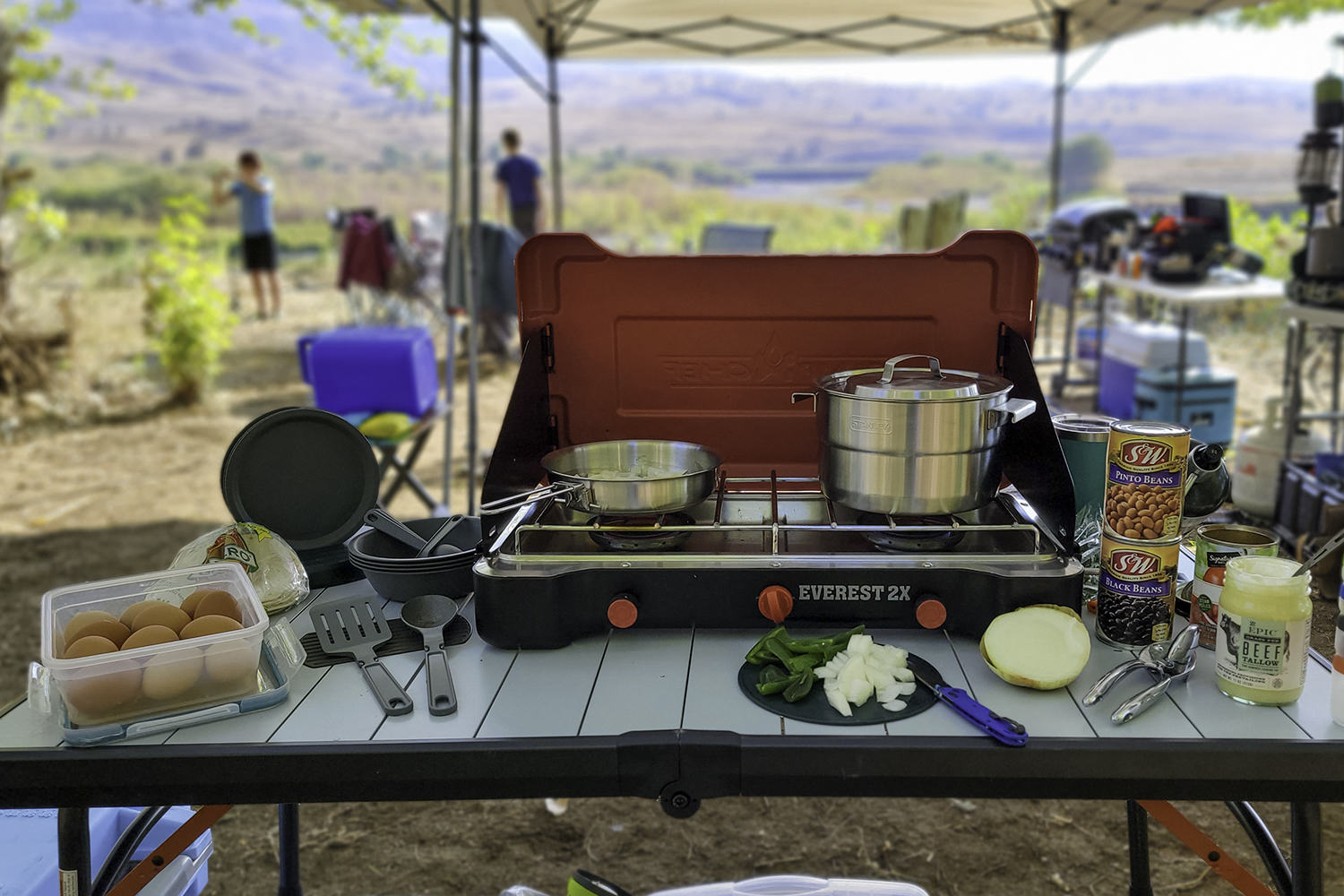
Credit: www.cleverhiker.com
Choosing Durable Camping Pots
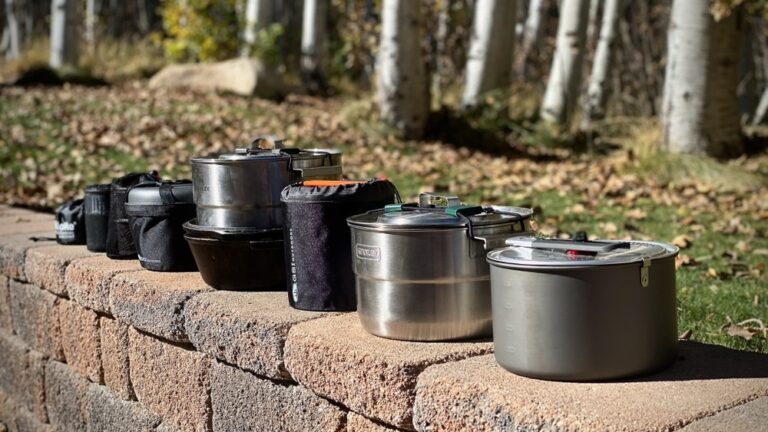
Choosing durable camping pots is key for a successful outdoor cooking experience. Pots need to withstand rough use and different weather conditions. Durable pots save money and reduce the hassle of frequent replacements. Picking the right pot means focusing on strong materials and practical size and weight.
Materials That Last
Stainless steel is popular for its strength and rust resistance. It handles heat well and cleans easily. Aluminum pots heat quickly and are lightweight. Look for anodized aluminum for added durability and scratch resistance. Titanium is very strong and light. It lasts long but costs more. Avoid cheap coated pots. Their coatings can peel or wear fast.
Size And Weight Considerations
Choose pot sizes based on your group size and cooking needs. Small pots fit solo trips or quick meals. Larger pots work for groups or stews. Lightweight pots ease your pack load. Heavy pots add strain on long hikes. Balance size and weight for convenience and durability. A well-sized, sturdy pot makes cooking outdoors easier and more fun.

Credit: silverantoutdoors.com
Cleaning After Each Use
Cleaning camping pots after each use keeps them in great shape. It prevents food build-up and rust. Fresh cleaning makes your next cooking easier. Quick care extends the life of your pots. Follow simple steps to keep your camping gear ready.
Removing Food Residue
Start by scraping off leftover food with a soft spatula. Use warm water to rinse loose bits. Avoid harsh tools that can scratch the pot’s surface. Soak the pot in warm, soapy water for a few minutes. This softens stuck-on food and makes cleaning easier.
Using Baking Soda And Vinegar
Sprinkle baking soda inside the pot. Add a small amount of vinegar for fizzing action. Let the mixture sit for 15 to 30 minutes. This helps break down tough stains and grease. Rinse the pot with warm water to remove all residue.
Scrubbing Techniques
Use a soft sponge or nylon scrubber to clean the pot. Scrub gently to avoid damaging the finish. For stubborn spots, apply baking soda directly and scrub lightly. Avoid steel wool or metal brushes. Dry the pot completely before storing to prevent rust.
Dealing With Burnt And Stubborn Stains
Burnt and stubborn stains on camping pots often spoil the cooking experience. These marks form from high heat and leftover food. Removing them keeps pots clean and extends their life. Simple techniques work best for cleaning without damage. Use gentle but effective methods to restore your pot’s shine.
Soaking Methods
Fill the pot with warm water and a bit of dish soap. Let it soak for several hours or overnight. The water softens burnt food and loosens stains. After soaking, scrub gently with a soft sponge. Avoid harsh scrubbing to protect the pot’s surface.
Heat And Simmer Cleaning
Add water and a small amount of baking soda to the pot. Heat the mixture on the stove until it simmers. The heat helps lift burnt residue from the metal. Let it cool, then scrub the pot with a non-abrasive sponge. This method works well for tough, baked-on stains.
Safe Abrasives To Use
Use nylon scrubbers or soft sponges for cleaning. These do not scratch most camping pots. Avoid steel wool or harsh scouring pads. Baking soda can serve as a mild abrasive when sprinkled on a damp sponge. It removes stains without damaging the pot’s surface.
Drying And Storage Tips
Proper drying and storage of camping pots keep them in good shape for many trips. Moisture can cause damage like rust or mold. Storing pots correctly saves space and protects them from dirt and scratches. Follow these simple tips to extend your cookware’s life and keep it ready for your next adventure.
Preventing Rust And Corrosion
Always dry your pots completely after washing. Use a clean towel or air dry in a well-ventilated area. Avoid packing pots while still wet. Moisture trapped inside can lead to rust. For metal pots, apply a light coat of cooking oil to prevent corrosion. Store pots in a dry place away from humidity. Check them regularly for any signs of rust and clean immediately.
Organizing Cookware In Your Pack
Keep pots nested to save space during transport. Place smaller pots inside larger ones. Use a soft cloth or paper towel between pots to avoid scratches. Store lids separately or place them upside down on pots. Use a dedicated cooking bag or container to keep all cookware together. This method protects your pots and makes unpacking easier at the campsite.
Maintaining Non-stick And Specialty Surfaces
Maintaining non-stick and specialty surfaces on camping pots is essential for long-lasting use. These surfaces need gentle care to keep their performance and appearance. Proper maintenance prevents damage and ensures your pots cook evenly every trip.
Non-stick coatings can wear out quickly without careful handling. Specialty surfaces, like cast iron or ceramic, require specific care steps. Following simple tips helps protect these surfaces from scratches and rust.
Avoiding Scratches
Use soft utensils such as silicone, wood, or plastic. Metal tools can scratch and damage non-stick coatings. Avoid abrasive scrubbers like steel wool or harsh scouring pads.
Clean pots gently with a soft sponge or cloth. Wash with mild soap and warm water after each use. Store pots carefully to prevent rubbing against other cookware.
Seasoning Cast Iron Pots
Seasoning cast iron keeps the surface smooth and rust-free. Start by washing with warm water and drying completely. Apply a thin layer of vegetable oil inside and outside the pot.
Heat the pot over low flame or in an oven for one hour. Let it cool naturally. Repeat seasoning after heavy use or when food sticks more than usual.
This process builds a natural non-stick layer. It protects the pot and improves cooking results on every camping trip.
Essential Tools For Camp Pot Care
Proper care of camping pots extends their life and keeps them ready for your next trip. Essential tools help clean and maintain your pots efficiently. These tools make the cleaning process easier and prevent damage. Having the right items also saves time and effort while camping.
Portable Cleaning Kits
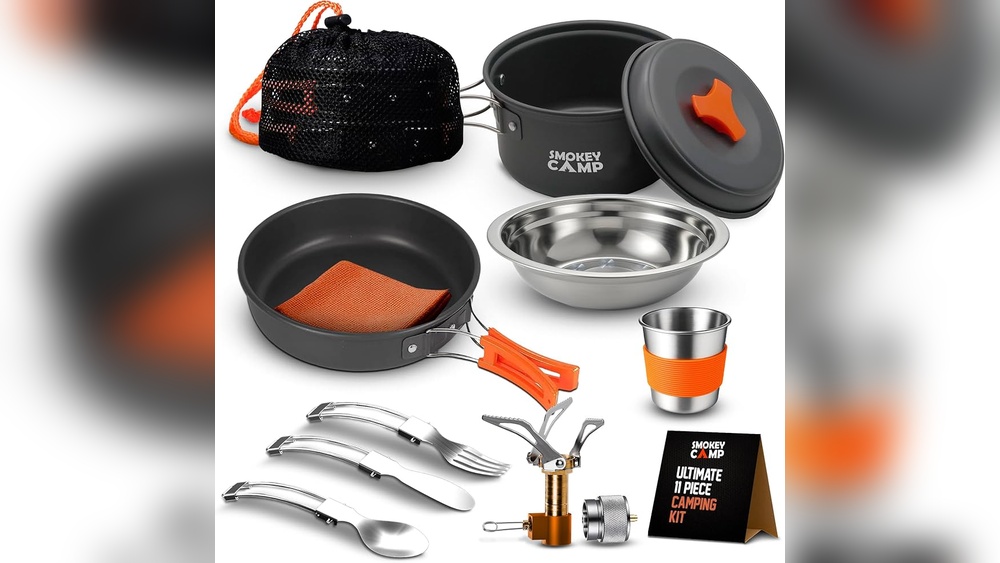
Portable cleaning kits are compact and lightweight for easy carrying. They usually include small sponges, soap, and a scrubber. Some kits come with a collapsible basin for washing pots. These kits fit well in your camping bag without adding bulk. Choose kits with biodegradable soap to protect nature.
Useful Scrapers And Brushes
Scrapers remove burnt food without scratching the pot surface. Plastic or silicone scrapers work well on non-stick pots. Metal scrapers suit stainless steel pots but use gently to avoid damage. Brushes with stiff bristles clean hard-to-reach corners. Look for brushes with a comfortable handle for better grip.
Preventive Measures For Longevity
Taking care of camping pots extends their life and keeps them ready for every adventure. Simple preventive steps protect pots from damage and wear. This care saves money and effort over time.
Focus on how you use and clean your pots. Small actions make a big difference. Avoiding damage and harsh treatment keeps pots strong. Follow these tips to keep your camping pots working well for many trips.
Proper Heat Management
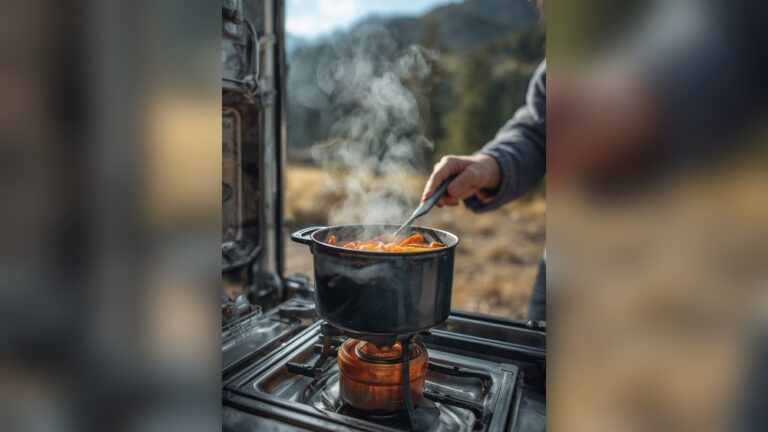
Use moderate heat to protect your pots. High heat can warp or weaken metal. Start with low heat and increase slowly. Avoid sudden temperature changes, like putting a hot pot in cold water. This prevents cracking and warping.
Keep flames under the pot, not licking the sides. This controls heat evenly and avoids hot spots. Hot spots cause food to burn and damage the pot’s surface. Manage heat carefully to keep cooking pots in good shape.
Avoiding Harsh Chemicals
Use mild soap and warm water to clean pots. Strong chemicals can strip coatings and cause rust. Avoid bleach or abrasive cleaners that scratch surfaces. These scratches trap food and germs.
Rinse pots well after washing. Residue from soap or cleaners can affect taste and damage pots over time. Dry pots completely before storing to stop rust and stains. Gentle cleaning keeps pots safe and long-lasting.
Credit: shop.myhydaway.com
Frequently Asked Questions
What Are The 7 C’s Of Camping?
The 7 C’s of camping are: Choose, Check, Carry, Care, Cook, Clean, and Camp safely. These guide preparation and responsible camping.
What Is The Most Forgotten Item When Camping?
The most forgotten camping item is extra batteries and chargers. Campers often overlook insect repellent, first aid kits, and reusable water bottles.
How Long Do You Leave Baking Soda And Vinegar On A Pan?
Leave baking soda and vinegar on the pan for 1 to 2 hours. For tough stains, let it sit overnight. Then scrub and rinse.
How To Make Your Pots Look New Again?
Scrub pots with baking soda and vinegar, then simmer on medium heat. Rinse and dry thoroughly. Repeat for stubborn stains.
Conclusion
Proper care keeps camping pots ready for every adventure. Clean pots soon after use to avoid tough stains. Use gentle scrubbing tools to protect pot surfaces. Store pots dry to prevent rust and odors. Regular maintenance extends the life of your cookware.
Simple habits save time and effort on the trail. Enjoy cooking outdoors with pots that stay clean and safe. Small steps make a big difference for camping gear. Keep your pots in top shape for many trips ahead.

I am an outdoor enthusiast and gear researcher passionate about camping, hiking, backpacking, and outdoor adventures. I enjoy testing gear, comparing products, and sharing practical advice to help readers make informed decisions. At BestOutsideGear, I create honest gear reviews, buying guides, and outdoor tips to help adventurers choose the right equipment with confidence.