How to Choose Camping Pans for Outdoor Cooking
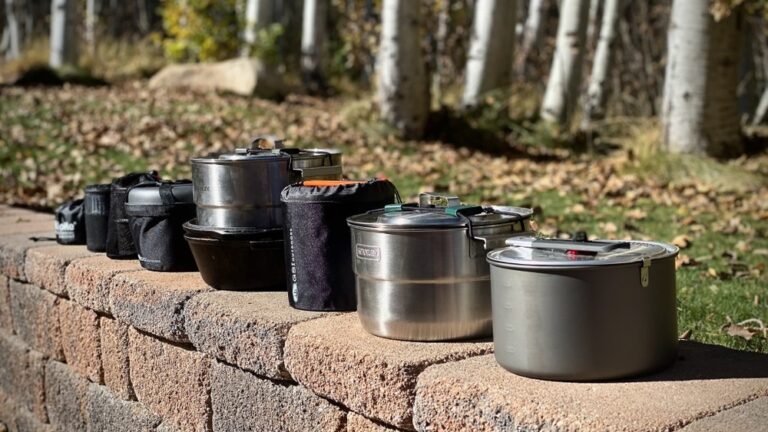
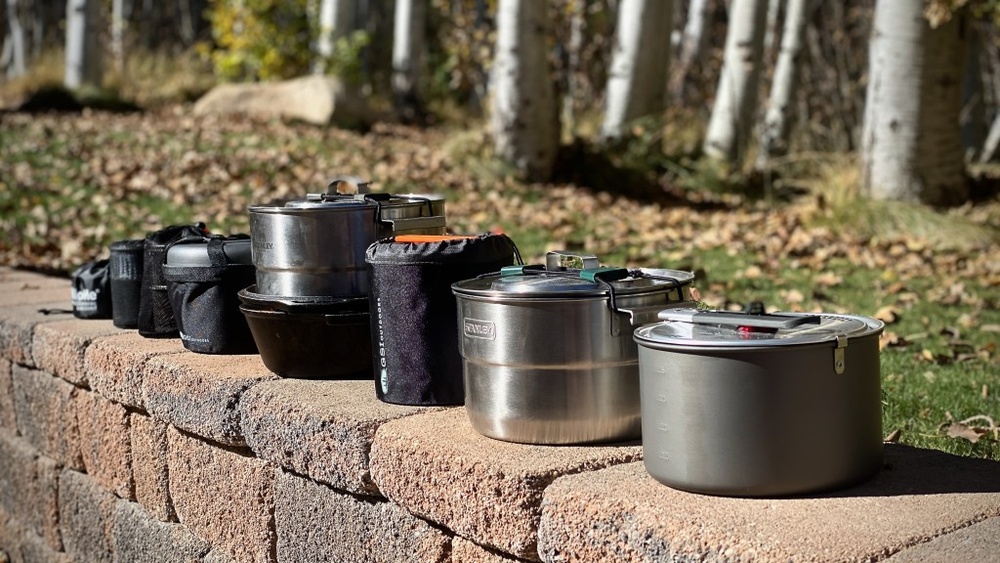
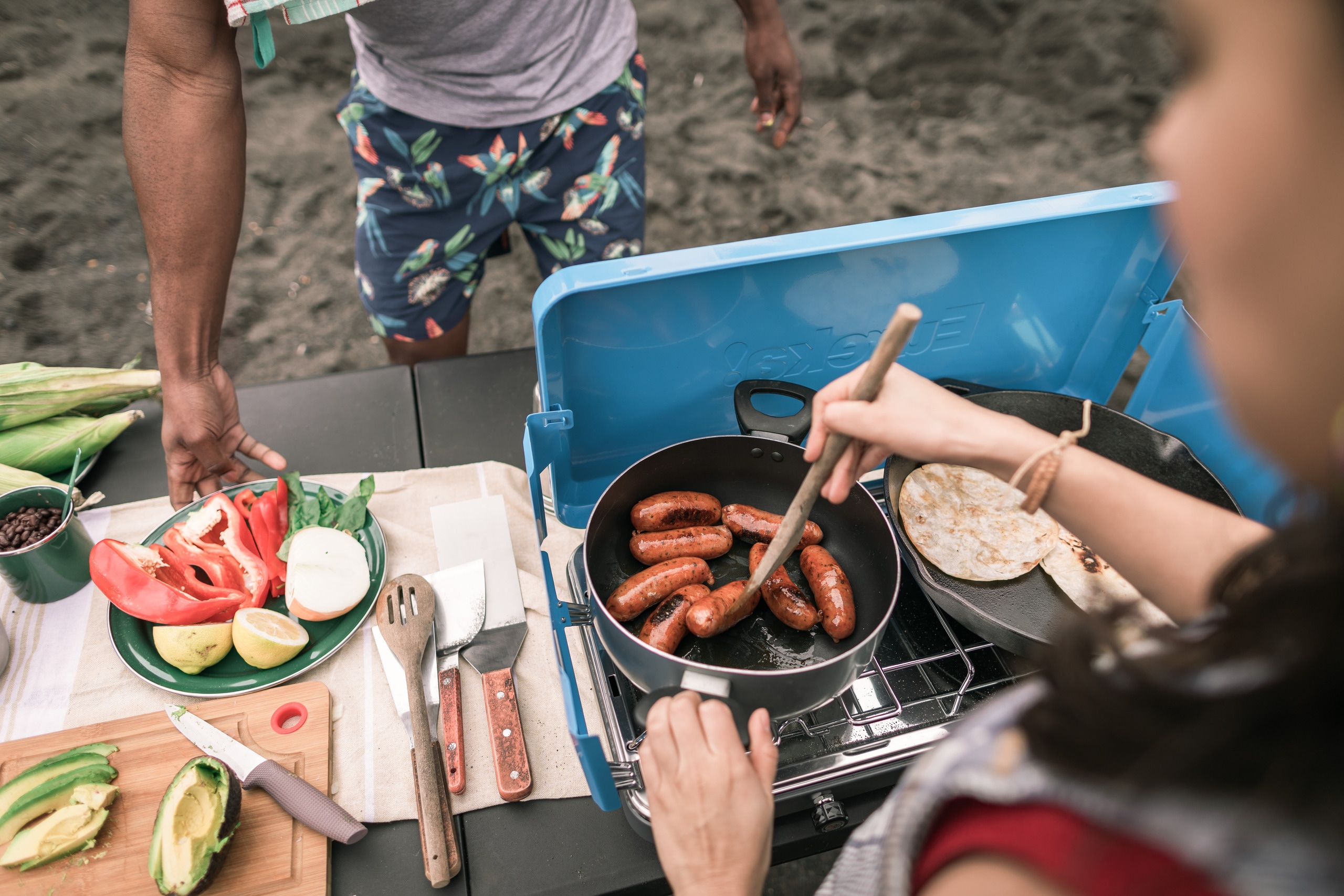
Choosing the right camping pans can make or break your outdoor cooking experience. Whether you’re frying breakfast eggs or simmering a hearty stew, having the perfect pan matters.
But with so many options out there, how do you find one that fits your needs, your style of camping, and your budget? In this guide, you’ll discover simple tips to help you pick the best camping pans—ones that are lightweight, durable, and easy to clean.
Keep reading to make sure your next campfire meal is nothing short of delicious.
Credit: www.rei.com
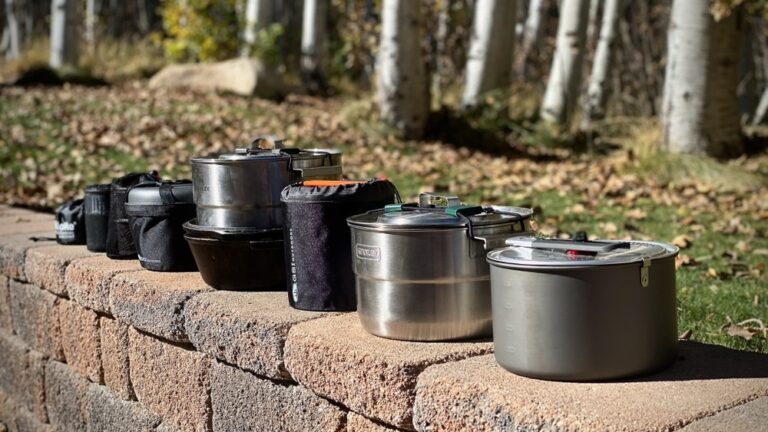
Types Of Camping Pans
Choosing the right camping pan depends on the type you select. Each material offers unique benefits for outdoor cooking. Understanding these options helps you pick the best pan for your trip. Here are the main types of camping pans to consider.
Cast Iron Pans
Cast iron pans are heavy but very durable. They hold heat evenly and cook food well. These pans can last for many years if cared for properly. They are best for car camping due to their weight. Cast iron pans can also be used directly over a campfire.
Aluminum Pans
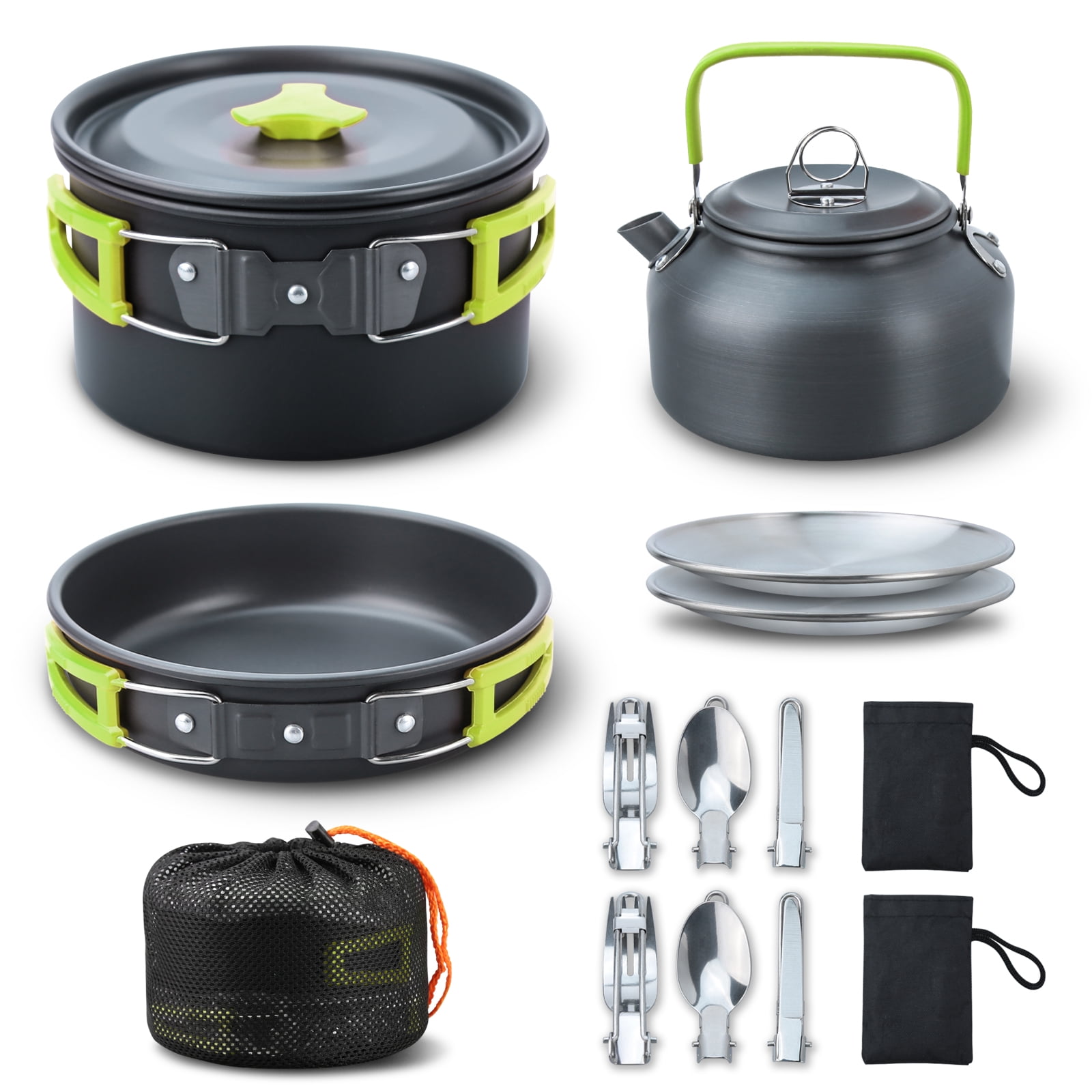
Aluminum pans are lightweight and heat up quickly. They are easy to carry on backpacking trips. These pans distribute heat evenly but may dent easily. Aluminum pans often come with a hard-anodized coating for more durability. They are a popular choice for many campers.
Titanium Pans
Titanium pans are the lightest and strongest option. They resist rust and corrosion very well. These pans heat less evenly than aluminum but save weight. Titanium pans are ideal for long hikes and minimalists. They tend to be more expensive than other types.
Nonstick Pans
Nonstick pans make cooking and cleaning simple. Food slides off easily, reducing the need for oil. These pans are usually lightweight and easy to pack. They require careful use to avoid scratching the coating. Nonstick pans are good for quick meals on the trail.
Material Pros And Cons
Choosing the right material for camping pans affects your cooking experience. Each material offers unique benefits and drawbacks. Understanding these helps you pick pans that fit your camping style and needs.
Weight Considerations
Weight is crucial for backpackers who carry all gear. Aluminum pans are light and easy to carry. Titanium pans weigh even less but cost more. Cast iron pans are heavy, best for car camping. Balance weight with how far you will hike.
Durability Factors
Durability means how well pans hold up over time. Cast iron is very strong and lasts for years. Aluminum pans are less durable and can dent easily. Titanium pans resist dents and scratches well. Consider how rough your camping trips are.
Heat Conductivity
Heat conductivity affects cooking speed and evenness. Aluminum heats up quickly and cooks food evenly. Cast iron heats slowly but holds heat well for steady cooking. Titanium heats unevenly and may cause hot spots. Choose based on your cooking style.
Maintenance Needs
Maintenance affects how easy pans are to clean and care for. Cast iron needs seasoning and careful cleaning to avoid rust. Aluminum pans are easy to clean but can discolor. Titanium pans require little maintenance and clean easily. Think about your cleaning routine.
Size And Capacity
Choosing the right camping pan means knowing how it works with your heat source. Each pan handles heat differently. Some pans suit open fires, while others fit camping stoves better. Understanding this helps you cook safely and easily outdoors.
Consider the type of heat source before buying a pan. It ensures your meals cook evenly. It also protects your pan and prevents damage.
Open Fire Use
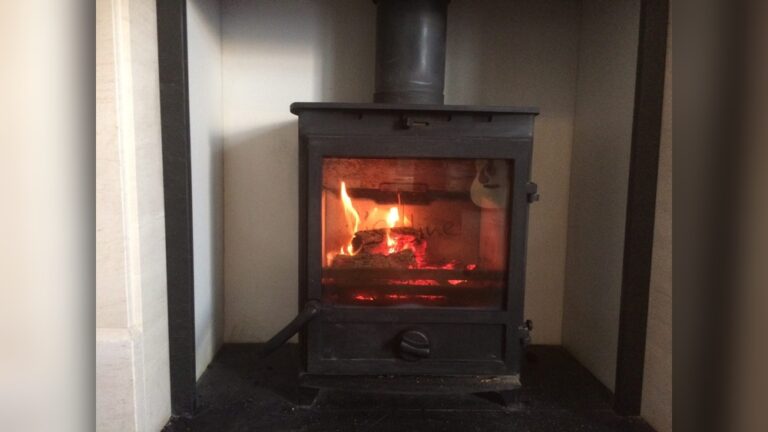
Open fires have uneven heat and hot spots. Choose pans made of durable materials like cast iron or stainless steel. These can handle high heat and rough use. Avoid pans with thin bottoms; they may warp or burn food. Look for pans with long handles to keep your hands safe from flames.
Camping Stoves
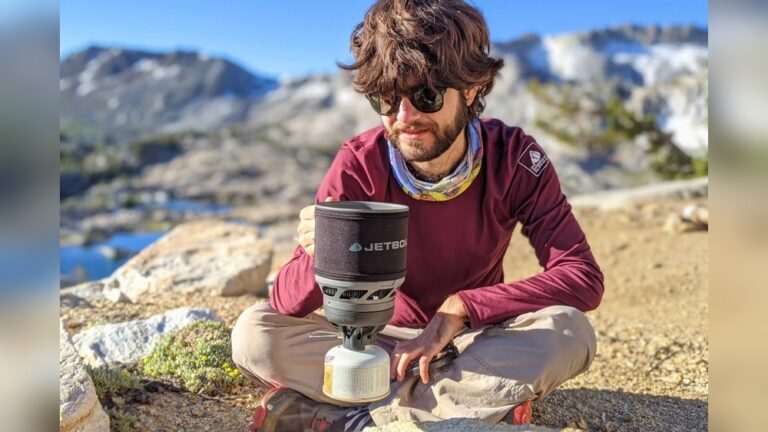
Camping stoves offer controlled and even heat. Lightweight aluminum or titanium pans work well here. These pans heat quickly and cool fast, saving fuel. Flat-bottom pans fit stove burners better. Make sure the pan size matches the burner for stability.
Heat Sources
Heat sources vary from gas, propane, to wood fires. Each type needs specific pans. Gas and propane stoves work best with thin, conductive pans. Wood fires need thick, tough pans that resist direct flame. Avoid non-stick pans on open flames; they can get damaged or release toxins.
Credit: business.walmart.com
Portability Features
Keeping your camping pans clean and well-maintained extends their life and improves cooking. Dirt, grease, and leftover food can damage pans over time. Proper cleaning and care keep pans safe and ready for your next trip.
Nonstick Coatings
Nonstick pans make cooking and cleaning easier. Avoid using metal utensils to keep the coating safe. Clean with a soft sponge and mild soap. Do not use abrasive scrubbers or harsh chemicals. Dry the pan completely before storing to stop rust and damage.
Seasoning Cast Iron
Cast iron pans need seasoning to stay nonstick and rust-free. Apply a thin layer of cooking oil to the pan’s surface. Heat the pan over a fire or stove until the oil soaks in. Repeat this process regularly to build a strong protective layer. Seasoning helps food cook evenly and keeps the pan in good shape.
Cleaning Tips Outdoors
Use biodegradable soap to protect the environment. Scrape off food bits with a spatula or cloth before washing. Carry a small scrub brush for tougher stains. Rinse pans with clean water and dry them fully. Store pans in a dry place to avoid rust and dirt. Clean pans after every use to avoid buildup and bad smells.

Credit: www.amazon.com
Frequently Asked Questions
What Materials Are Best For Camping Pans?
Camping pans made of aluminum or titanium are best. Aluminum is lightweight and affordable. Titanium is ultra-light and durable but costly. Both materials conduct heat well for efficient cooking outdoors.
How Important Is Pan Size For Camping?
Pan size matters based on group size and meal type. Small pans suit solo trips. Larger pans work for groups. Choose pans that nest easily to save space.
Should I Choose Non-stick Or Stainless Steel Pans?
Non-stick pans are easier to clean and cook with less oil. Stainless steel pans are more durable and versatile. Consider your cooking style and cleaning preferences when choosing.
Can Camping Pans Handle Open Flame Cooking?
Yes, camping pans should withstand direct flame and high heat. Look for pans labeled as flame-resistant or suitable for campfires to ensure safety and longevity.
Conclusion
Choosing the right camping pan makes outdoor cooking easier and more fun. Focus on weight, size, and material that fit your trip needs. Durable pans save space and cook food evenly. Remember, simple designs work best for camping. With the right pan, you enjoy meals and nature together.
Happy camping and cooking!

I am an outdoor enthusiast and gear researcher passionate about camping, hiking, backpacking, and outdoor adventures. I enjoy testing gear, comparing products, and sharing practical advice to help readers make informed decisions. At BestOutsideGear, I create honest gear reviews, buying guides, and outdoor tips to help adventurers choose the right equipment with confidence.