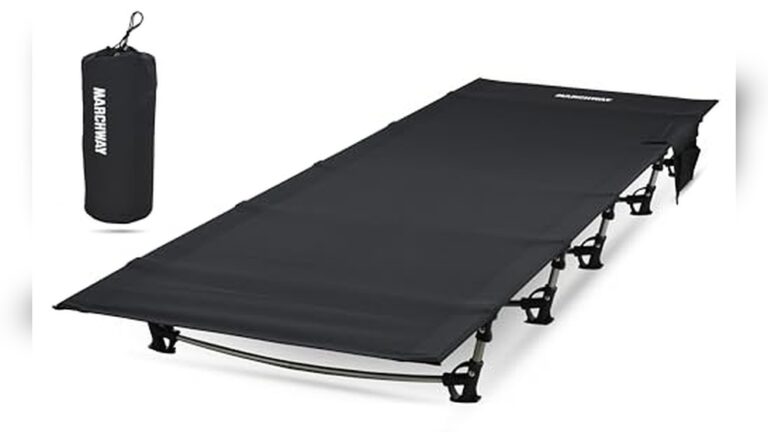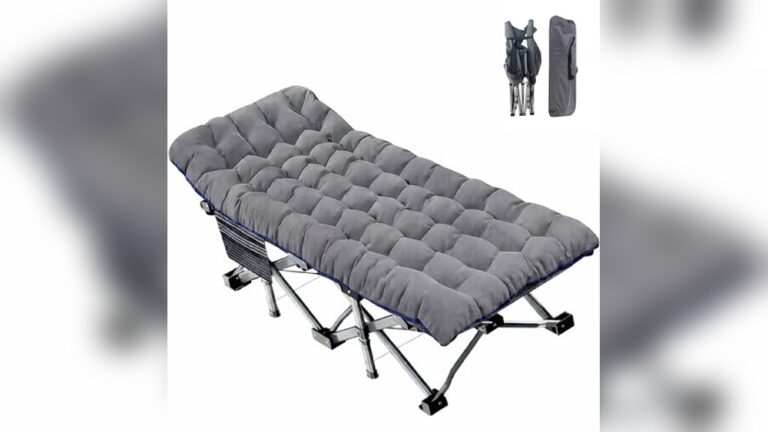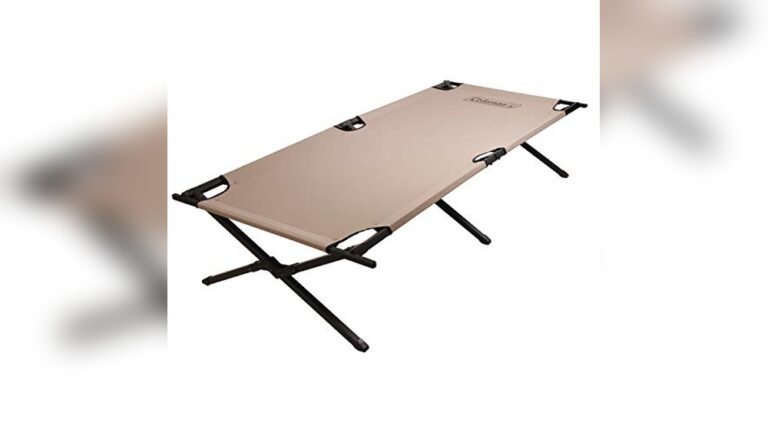
Camping Cot Dimensions: Find the Perfect Fit for Your Adventure
Choosing the right camping cot dimensions can make the difference between a restful night under the stars and an uncomfortable experience you’ll want to forget. Whether you’re a weekend camper, a backpacker, or someone planning a family trip, the size of your camping cot matters more than most beginners realize. This guide explains everything you need to know about cot sizes, including standard dimensions, how to pick the right fit, common mistakes, and how cot size affects comfort and portability.
Why Cot Dimensions Matter
Many people think a camping cot is just a basic piece of gear—something to keep you off the ground. In reality, the length, width, and height of your cot impact sleep quality, tent space, and transport. Even an inch or two can mean the difference between fitting inside your tent or struggling for space. Some campers end up cold because their sleeping bag hangs off the cot, or they wake up sore from rolling off a narrow bed. Size is not just about comfort—it also affects your overall camping setup.
Standard Camping Cot Dimensions
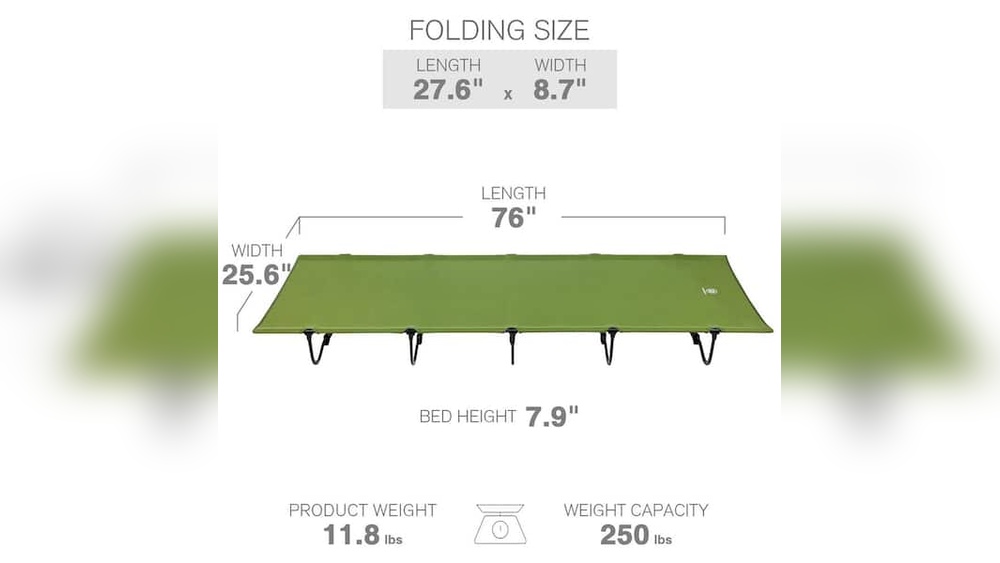
Camping cots come in a range of sizes, but most fall into standard categories. These sizes are usually listed in inches (length x width x height). Here’s a look at the typical dimensions you’ll find:
| Type | Length (in) | Width (in) | Height (in) |
|---|---|---|---|
| Standard Single | 72–75 | 24–28 | 15–18 |
| Large/XL Single | 78–85 | 30–40 | 18–22 |
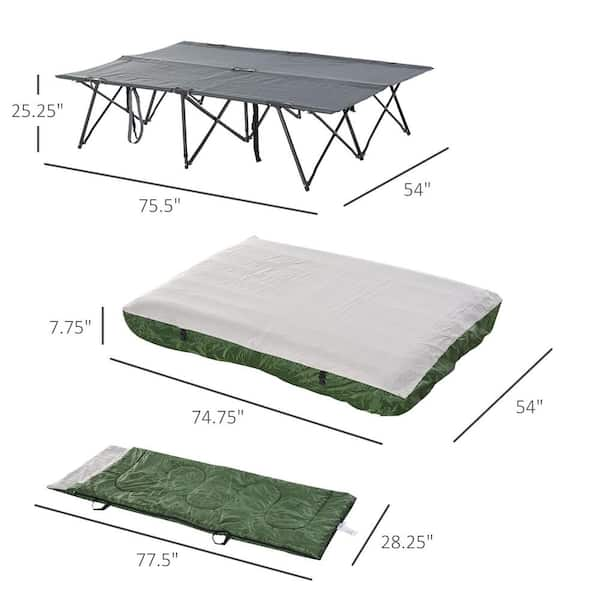
| Double (2-person) | 75–80 | 48–55 | 15–20 |
| Kids | 48–65 | 22–26 | 9–12 |
Single cots are the most common. Larger cots offer more room but weigh more and take up more tent space. Double cots are designed for two people but may not fit in smaller tents. Kids’ cots are shorter and lower to the ground.

Credit: www.amazon.com
Key Factors In Choosing Cot Size
Selecting the right cot dimensions is not just about picking the biggest or smallest option. Consider these key points:
Your Height And Sleeping Style
- Taller campers should look for cots at least 6 inches longer than their height.
- Side sleepers may want wider cots to avoid feeling cramped.
- If you toss and turn, an XL or wide version prevents falls during the night.
Tent Size And Layout
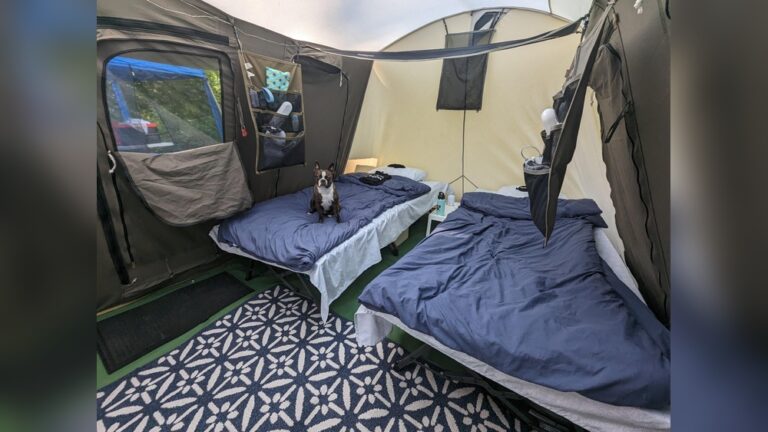
Measure your tent floor before buying. For example, a 2-person tent may struggle to fit a double cot. Remember to leave space for gear and movement. Placing two large cots side by side in a small tent often leads to frustration.
Portability
Larger cots are heavier and bulkier when packed. If you’re car camping, this may not matter. But for backpacking, every inch and pound counts. Ultralight cots can be as short as 60 inches long and 20 inches wide, perfect for minimalist trips.
Weight Capacity
While not directly about dimensions, shorter and narrower cots usually have lower weight limits. Check the manufacturer’s specs. Some “XL” cots support up to 600 lbs, while small or lightweight versions may be limited to 250 lbs.
Common Cot Sizes Compared
To help you quickly compare the most popular cot sizes, see the chart below.
| Cot Size | Example User Height | Typical Weight Capacity (lbs) | Packed Size (in) |
|---|---|---|---|
| Standard Single | Up to 6’0″ | 250–300 | 38 x 8 x 5 |
| XL Single | 6’1″ and above | 300–600 | 45 x 10 x 7 |
| Double | Up to 2 people | 400–600 | 43 x 11 x 8 |
| Kids | Up to 5’0″ | 150–200 | 27 x 7 x 4 |
Notice how packed size increases with cot dimensions. If you drive to your campsite, a larger packed size is usually fine. If you need to walk far or have limited trunk space, standard or compact cots are better.
How Cot Height Changes The Experience
Height is an often-overlooked detail. Most cots are 15–20 inches high, which is similar to a regular bed. But some ultralight cots are just 5–7 inches off the ground.
Advantages Of Higher Cots
- Easier to get in and out, especially for older campers or those with knee problems.
- Can store gear underneath (useful in small tents).
- Feels more like a home bed.
Advantages Of Low Cots
- Lighter and pack smaller.
- Fit in tents with low ceilings.
- Less likely to tip over on uneven ground.
A non-obvious tip: If you’re camping in a cold area, higher cots help you avoid ground chill, but you’ll need a good sleeping pad for insulation.
Special Cot Types And Their Dimensions
Some cots are built for special uses. Here’s what makes them unique:
Ultralight Backpacking Cots
- Size: 60–72 inches long, 20–24 inches wide, 4–8 inches high
- Weight: Under 3 lbs
- Designed for hikers who count every ounce. These cots are low and narrow but can transform a rough sleep into a better night.
Military-style Cots
- Size: 75–80 inches long, 25–32 inches wide, 17–20 inches high
- Weight: 15–25 lbs
- Known for being sturdy and reliable. They’re heavier and best for car camping or base camps.
Double And Queen-sized Cots
- Size: 75–85 inches long, 48–60 inches wide, 15–22 inches high
- Can be paired with inflatable mattresses for comfort. Make sure your tent is large enough for these cots.
Cot-bunk Systems
- Size (each bunk): 70–80 inches long, 28–32 inches wide, 18–22 inches high (from ground)
- Stackable to save tent floor space. Popular with families or groups.
Real-world Examples And Brand Differences
While many cots fit standard sizes, some brands have their own measurements. For instance, the Coleman Trailhead II is 75 x 30 x 17 inches, while the Helinox Cot One is a compact 75 x 27 x 6 inches. The Disc-O-Bed Large Bunk is 79 x 28 x 18 inches per bunk. Always check the actual specs before buying, not just the “standard” label.
Some cots use the term “XL” or “King” but only add a few inches. Read the fine print. Also, pay attention to the shape—some cots are tapered (narrower at the feet), while others are rectangular.
Matching Cot Dimensions To Sleeping Pads And Bags
A mistake many beginners make is choosing a cot and sleeping pad that don’t match. If your pad is wider or longer than your cot, it will hang off the sides, making sleep uncomfortable and reducing insulation.
- Most regular sleeping pads are about 72 x 20 inches.
- Wide or long pads can be 78 x 25 inches or larger.
Choose a cot and pad that fit well together. If you use a double cot, look for double-sized pads or two singles that fit side by side.
Credit: www.homedepot.com
Cot Dimensions And Tent Compatibility
Before you buy a cot, measure your tent’s inner floor dimensions. Remember, tent sizes are often measured at the base, but the walls may slope inward, making the usable space smaller.
- For a 2-person tent, a standard single cot will usually fit, but two cots side by side may not.
- For family tents, you can use larger cots or double cots, but check door size—some big cots can’t fit through small tent doors.
- If your tent has a low ceiling (under 36 inches), choose a low-profile cot to avoid hitting your head.
Here’s a quick reference for cot and tent compatibility:
| Tent Size | Max Cot Size (in) | Recommended Cot Type |
|---|---|---|
| 1-Person | 72 x 25 | Ultralight/Low Profile |
| 2-Person | 75 x 28 | Standard Single |
| 4-Person | 80 x 32 | Large Single or Double |
| 6-Person + | 85 x 55 | Any type |
A non-obvious tip: Some cots have rounded or angled legs that may take up more floor space than the sleeping surface. Always check both the sleeping surface size and the actual floor footprint.
Cot Size And Comfort: What Really Matters
Many campers focus on length, but width is just as important. A cot that’s too narrow can leave you feeling restricted or cause you to fall off in your sleep. If you sleep on your side or move a lot, pick a cot at least 30 inches wide.
The height off the ground changes how “bed-like” your cot feels. People with knee or joint pain should choose a cot 17 inches or higher for easier entry and exit.
If you plan to use your cot for more than sleeping—like sitting, reading, or as a day bed—go for extra width and height. For just a place to sleep, a basic single may be enough.
Mistakes To Avoid When Choosing Cot Dimensions
- Ignoring your tent size: Many people buy a large cot only to find it won’t fit in their tent.
- Not considering packed size: If you have a small car or backpack, a bulky cot will be a problem.
- Focusing only on length: Width and height matter as much as length.
- Overlooking weight limits: Check if the cot is strong enough, especially for heavier campers or couples.
- Choosing without testing: If possible, try lying on the cot before buying. What feels big in the store might feel small at camp.
Practical Tips For Finding The Right Fit
- Lay out tape or string at home in your tent’s dimensions to “test” cot fit.
- Consider who will use the cot—kids, adults, couples, or older campers.
- If you use a thick sleeping pad, you may need a wider cot for comfort.
- Look for cots with adjustable legs if camping on uneven ground.
- Read reviews to see if others mention size surprises or fitting problems.

Credit: camping.onetigris.com
Where To Learn More
If you want the latest data and reviews on camping cot sizes, check out the gear comparison pages on REI’s Expert Advice. They regularly update their recommendations and explain the latest trends in outdoor gear.
Final Thoughts
Choosing the right camping cot dimensions is about more than just picking a bed. The right size affects your comfort, sleep quality, and even your trip’s success. Think about your needs, your tent, and how you travel. Don’t just buy the biggest or cheapest cot, consider the details and measure carefully. With the right cot, you’ll sleep well and wake up ready for adventure.

I am an outdoor enthusiast and gear researcher passionate about camping, hiking, backpacking, and outdoor adventures. I enjoy testing gear, comparing products, and sharing practical advice to help readers make informed decisions. At BestOutsideGear, I create honest gear reviews, buying guides, and outdoor tips to help adventurers choose the right equipment with confidence.