Best Material for a Portable Griddle: Carbon Steel vs Cast Iron
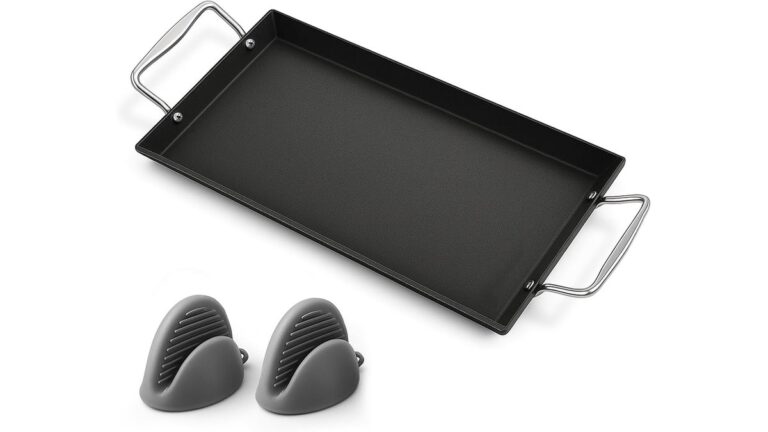
Carbon steel is generally the best material for a portable griddle because it heats up quickly, reacts fast to temperature changes, and is much lighter than cast iron. While seasoned cast iron offers excellent heat retention, its heavy weight often makes it difficult to move during camping or outdoor events where portability is the priority.
Comparing Griddle Materials

Choosing the right surface depends on your specific cooking needs and how much weight you’re willing to carry. Carbon steel remains the industry favorite for portable units due to its durability and lighter mass, while aluminum is often used in lighter pans that don’t hold heat as well.
| Material | Weight | Heat Response | Maintenance |
|---|---|---|---|
| Carbon Steel | Low | Very Fast | Seasoning Required |
| Cast Iron | High | Slow | Seasoning Required |
| Aluminum | Very Low | Fast | Non-stick coating |
| Stainless Steel | Medium | Moderate | None (Stick-prone) |
If you prioritize searing steaks or smash burgers, choose carbon steel. Its ability to handle high heat without warping makes it superior to aluminum, which can deform if exposed to concentrated propane flames for extended periods.
Stainless steel is a popular alternative for those who don’t want to deal with the seasoning process. However, it lacks natural non-stick properties. You must use significantly more oil and maintain precise temperature control to prevent food from bonding to the surface. If your food begins to stick, you have likely not preheated the surface sufficiently or the seasoning layer is inadequate.
Beginners often mistake stainless steel for a low-maintenance version of cast iron. This error leads to frustrating cleanup sessions that require abrasive scouring, which eventually ruins the finish. If you prefer a “set it and forget it” experience, stick to aluminum with a high-quality ceramic coating.
If you want a surface that lasts a lifetime, commit to the seasoning routine required for carbon steel. Always check the manufacturer’s care instructions to ensure your chosen material is safe for the heat source you plan to use.
How to Maintain Your Griddle Surface
To keep your cooking surface in good condition, you must manage its seasoning layer. This layer prevents rust and creates a natural non-stick barrier that improves with every use.
Clean immediately after use by scraping off any leftover food particles while the surface is still warm. If you wait until the metal cools, grease hardens into a stubborn film that requires aggressive scrubbing, which risks damaging your seasoning.
Wash with warm water and a soft brush, avoiding harsh detergents that can strip the protective seasoning layer. If you use a mild soap, rinse and dry the griddle thoroughly; re-seasoning is only necessary if the protective layer has been compromised.
Dry the surface thoroughly using a clean cloth or by placing it over low heat for two minutes to evaporate all moisture. Even a small amount of trapped water will cause surface rust.
Apply a thin layer of oil across the entire cooking area using a paper towel to seal the metal from air. Use high-smoke-point oils like grapeseed or flaxseed for the most durable finish.
Store in a dry place to prevent oxidation. If you live in a humid climate, place a sheet of parchment paper over the surface before covering it to wick away condensation.
If you notice small spots of rust, scrub them away with a scouring pad, then re-season the area by heating a thin layer of oil until it smokes.
Is It Safe to Use These Materials on High Heat?

Most metal griddles are safe for high heat, but you must consider the coating or the base material. While bare carbon steel and cast iron can handle extreme temperatures, any griddle with a non-stick coating, typically found on aluminum pans, can release harmful fumes if overheated.
If your pan begins to smoke before you have added oil, you have already exceeded the thermal threshold of the coating. Non-stick coatings can begin to degrade if heated above 500 degrees Fahrenheit, a temperature easily reached on high-BTU burners. If you see the surface discoloration or bubbling, throw the pan away immediately.
Always verify that the bottom of your griddle is flat and stable for your specific burner. A warped base can lead to uneven cooking and unstable pans, especially when using portable butane or propane stoves.
If you notice the metal changing color or warping significantly, you should discontinue use to prevent accidental spills or burner damage. Test for flatness by placing a straightedge across the center; if you see a gap larger than a nickel, the pan is unsafe for glass cooktops.
Related guides
- Benefits of Portable Espresso Maker
- Step by Step Guide to Using Portable Grill Easily
- How to Use Portable Grill for Perfect BBQ Anywhere
Frequently Asked Questions
Can I use a metal spatula on a seasoned griddle?
Yes, you can use metal utensils on carbon steel or cast iron surfaces without damaging them. Unlike non-stick coated pans, these materials are durable enough to withstand scraping, which often helps maintain a smooth cooking surface over time.
Why does my food stick to the surface?
Food sticks when the seasoning layer is too thin or the surface isn’t hot enough before adding ingredients. Ensure you preheat the griddle until a drop of water sizzles and evaporates immediately before adding your oil and food.
Does the thickness of the metal matter?
Thicker metal provides more consistent heat distribution and prevents hot spots, but it also adds significant weight to your kit. For a portable setup, a medium-thickness carbon steel plate offers the best balance between heat control and easy transport.
Conclusion
Before buying, weigh your griddle to ensure it fits your travel plans, as even the best material becomes difficult to manage if it’s too heavy for your gear. Focus on finding a size that matches your primary burner’s heating zone to guarantee even cooking results every time you head outdoors.
{“@context”:”https://schema.org”,”@type”:”FAQPage”,”mainEntity”:[{“@type”:”Question”,”name”:”Can I use a metal spatula on a seasoned griddle?”,”acceptedAnswer”:{“@type”:”Answer”,”text”:”Yes, you can use metal utensils on carbon steel or cast iron surfaces without damaging them. Unlike non-stick coated pans, these materials are durable enough to withstand scraping, which often helps maintain a smooth cooking surface over time.”}},{“@type”:”Question”,”name”:”Why does my food stick to the surface?”,”acceptedAnswer”:{“@type”:”Answer”,”text”:”Food sticks when the seasoning layer is too thin or the surface isn’t hot enough before adding ingredients. Ensure you preheat the griddle until a drop of water sizzles and evaporates immediately before adding your oil and food.”}},{“@type”:”Question”,”name”:”Does the thickness of the metal matter?”,”acceptedAnswer”:{“@type”:”Answer”,”text”:”Thicker metal provides more consistent heat distribution and prevents hot spots, but it also adds significant weight to your kit. For a portable setup, a medium-thickness carbon steel plate offers the best balance between heat control and easy transport.”}}]}
I am an outdoor enthusiast and gear researcher passionate about camping, hiking, backpacking, and outdoor adventures. I enjoy testing gear, comparing products, and sharing practical advice to help readers make informed decisions. At BestOutsideGear, I create honest gear reviews, buying guides, and outdoor tips to help adventurers choose the right equipment with confidence.