Pro Tips for How to Choose the Perfect Headlamp
Choosing the right headlamp can make all the difference between a frustrating experience and a smooth, enjoyable adventure. Whether you’re hiking through the woods, setting up camp after dark, or working on a project where both hands are busy, having the perfect headlamp means safety, convenience, and comfort.
But with so many options out there, how do you know which one fits your needs best? This guide will help you understand what really matters, from brightness and beam type to battery life and comfort—so you can pick a headlamp that works exactly the way you want it to.
Keep reading, and you’ll be shining bright on every adventure ahead.
Lumens And Brightness
Lumens measure how bright a headlamp shines. More lumens mean brighter light but use more battery power. A headlamp with about 100 to 300 lumens is good for most outdoor activities.
For tasks close by, a lower brightness saves battery and is easier on the eyes. For seeing far away, a higher brightness is best. Some headlamps let you change brightness levels.
Battery life gets shorter with very bright light. Choosing a headlamp means finding a good balance between brightness and battery life. Think about how long you need the light to last and what you will use it for.
Beam Types
Spot beams send a narrow, focused light far ahead. They work best for seeing things at a distance, like trails or signs. These beams help when you need to see far but not wide.
Flood beams spread light broadly and softly. They are perfect for close tasks, such as setting up a tent or reading a map. The wide light covers a large area near you.
Hybrid beams combine both spot and flood lights. This type lets you switch modes for distance or close-up work. It offers flexibility for many different activities without changing the headlamp.
Power Sources
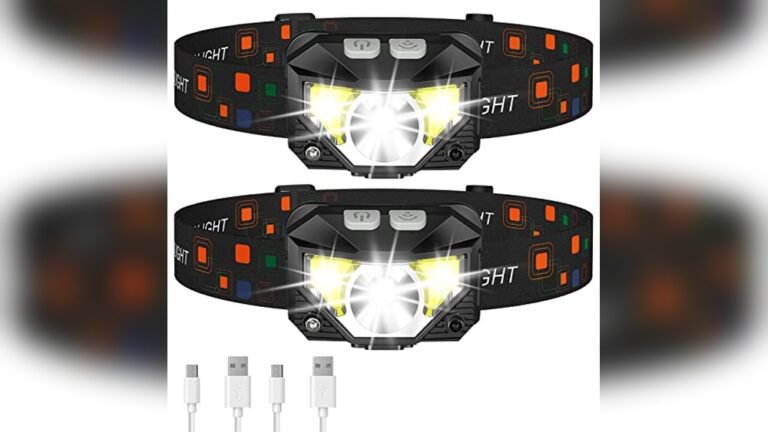
Rechargeable batteries are easy to use and save money over time. They can be charged many times, making them good for frequent use. Most rechargeable headlamps have a USB port for quick charging.
Disposable batteries like AAA or AA are useful when you cannot recharge. They are light and easy to replace in remote places. Carry extra batteries to avoid running out of power.
Dual-fuel options let you use either rechargeable or disposable batteries. This adds flexibility for different situations. You can switch power sources based on what you have available.
Comfort And Weight
Lightweight designs reduce strain on your head and neck. They make wearing a headlamp more comfortable, especially for long trips. Choose materials like plastic or aluminum that keep the weight low. A heavy headlamp can cause discomfort and headaches.
An ergonomic fit ensures the headlamp sits well on your head. Look for adjustable straps that hold the lamp firmly without squeezing. The balance of weight also matters. A well-balanced headlamp does not tilt forward or slide down.
Some headlamps have extra padding to increase comfort. Good balance and fit let you move freely without adjusting the lamp often. This is important for hiking, running, or work in the dark.
Battery Life And Runtime
Max power setting gives the brightest light but drains battery fast. Low power setting uses less energy, so the light lasts longer. Switching between these settings helps save battery during long use.
For extended use, plan to use low power most of the time. Carry extra batteries or a portable charger if you need max brightness for a short time. This way, your headlamp won’t die when you need it most.

Credit: www.youtube.com
Durability And Weather Resistance
IPX ratings show how well a headlamp resists water and dust. An IPX4 rating means it can handle splashes from any side. An IPX7 rating means it can survive being in water up to 1 meter deep for 30 minutes. For hiking in rainy weather, choose a headlamp with at least IPX4 or higher.
Materials also affect durability. Look for headlamps with impact-resistant plastic or aluminum bodies. These materials help protect the light from drops and bumps. Rubber seals around buttons and battery compartments keep water out.
Essential Features
Red light mode helps keep your night vision sharp. It also attracts fewer bugs than white light. This makes it perfect for camping or hiking in the dark.
Strobe and emergency modes are vital for safety. The strobe can signal for help if you get lost. Emergency modes often use flashing lights to draw attention quickly.
An adjustable beam angle lets you point the light where you need it most. You can shine it down to see your feet or forward to spot far away. This feature adds comfort and convenience during use.

Credit: www.youtube.com
Activity-based Choices
Headlamps for camping and hiking should offer a wide, soft beam. This helps with tasks like cooking, reading, or setting up a tent. A floodlight beam works best for close-up work. Look for models with a good battery life and weather resistance. Lightweight and comfortable designs reduce neck strain on long hikes.
Running and trail use demand a focused, narrow beam to see far ahead. Spot beams help spot obstacles or trail markers. A headlamp with adjustable brightness and a secure fit is ideal. It should also be sweat resistant and stable during movement.
Emergency and survival kits need simple controls and high durability. Long battery life is important for unexpected situations. Red light mode helps keep night vision. A strobe or flashing light can signal for help. Choose a headlamp that works well in all weather conditions.
Led Technology
LED headlamps offer many benefits over traditional bulbs. They use less energy, making them very efficient and extending battery life. This is great for long trips or outdoor activities where charging options are limited.
LEDs produce bright, clear light while using minimal power. They are also more durable and last longer because they don’t have fragile filaments. This makes LED headlamps more reliable in rough conditions.
Energy efficiency means you can carry fewer spare batteries. This reduces weight and makes your pack lighter. Plus, LED headlamps often have multiple light modes to save power, like dim or flashing settings. These help you use energy only when needed.

Credit: www.naturehike.com
Frequently Asked Questions
How Do I Choose The Right Headlamp?
Choose a headlamp by considering brightness (lumens), beam type (spot, flood, or hybrid), power source, weight, and durability. Select features like red light mode and adjustable angle based on your activity needs.
Is 6000 Lumens Too Bright For Headlights?
6000 lumens is very bright for headlights and may cause glare for other drivers. Use lower brightness for safe driving.
How Many Lumens Should A Good Headlamp Have?
A good headlamp should have between 150 and 300 lumens for most outdoor activities. Higher lumens offer better visibility in dark, open areas. Choose lumens based on your activity, like 100-200 for camping and 300+ for trail running or search tasks.
Is 10,000 Lumens Too Bright For Headlights?
Yes, 10,000 lumens is too bright for standard headlights. It can cause glare and impair other drivers’ vision.
Conclusion
Choosing the right headlamp depends on your needs and activities. Think about brightness, beam type, and battery life. Comfort matters, especially for long use. Weather resistance keeps your light working in tough conditions. Features like red light and adjustable angles add value.
A good headlamp makes outdoor tasks safer and easier. Take time to compare options before buying. This helps you find the best fit for your adventures.

I am an outdoor enthusiast and gear researcher passionate about camping, hiking, backpacking, and outdoor adventures. I enjoy testing gear, comparing products, and sharing practical advice to help readers make informed decisions. At BestOutsideGear, I create honest gear reviews, buying guides, and outdoor tips to help adventurers choose the right equipment with confidence.