How to Cook Griddle Shrimp: A Simple Step-by-Step Guide
To cook shrimp on a griddle, heat the surface to 400°F and sear the seafood for 2 to 3 minutes per side until it turns opaque and firm. You don’t need to overcomplicate the process, as the high, direct heat of a flat-top grill or cast-iron griddle is perfect for creating a flavorful, golden-brown crust while keeping the meat juicy.
How to Prepare and Cook Shrimp on a Griddle
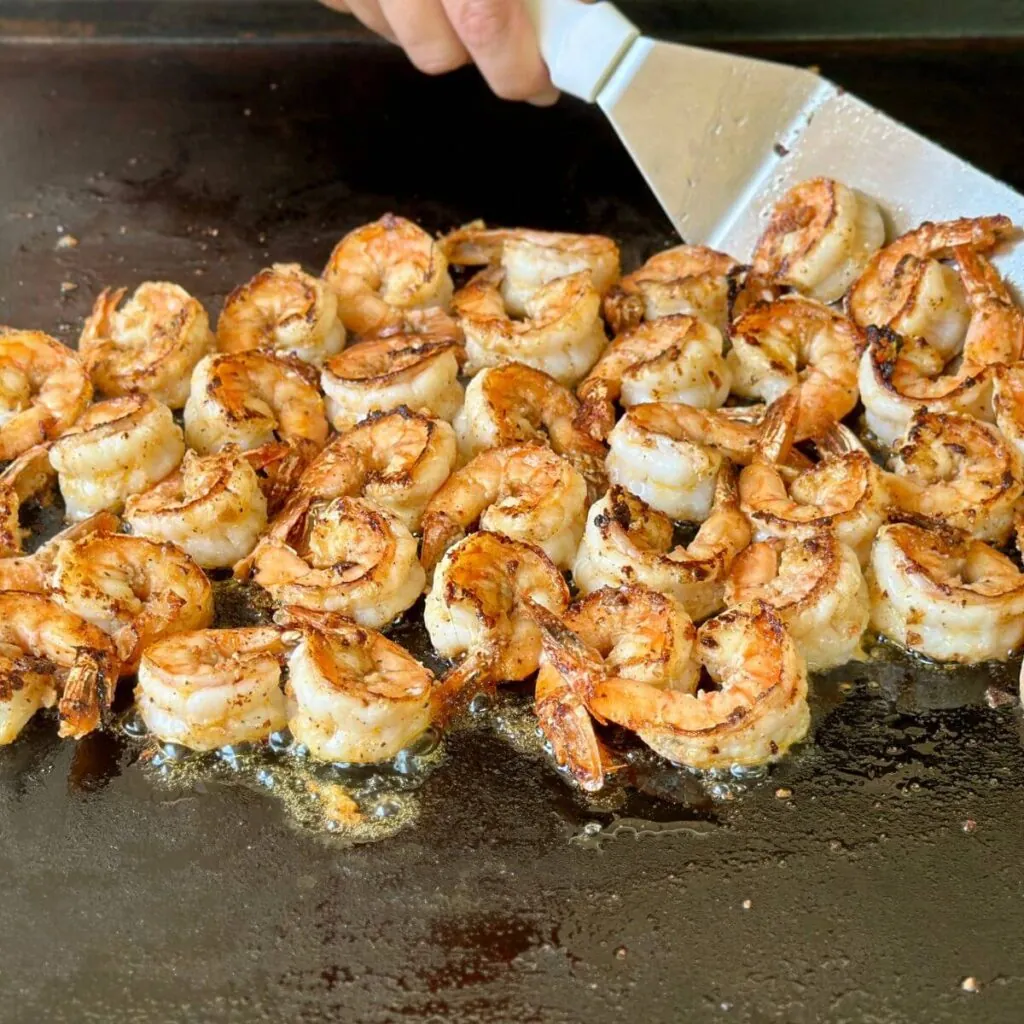
Cooking on a flat surface requires preparation because the process happens quickly. You must have every ingredient prepped before the heat is turned on.
Pat the shrimp dry using paper towels to remove all surface moisture. This prevents the shrimp from steaming in their own juices, which is the most common mistake home cooks make. Excess moisture leaves the meat rubbery and gray rather than succulent and seared.
Toss the seafood in a bowl with a small amount of high-smoke-point oil, salt, pepper, and your preferred dried spices. If you use butter here, it will burn before the shrimp finish cooking. Save the butter for a finishing glaze once the heat is off.
Set your unit to 400°F and allow it to heat fully for 10 minutes. If the surface isn’t hot enough, the shrimp will stick to the metal. You can test the temperature by flicking a drop of water onto the surface; it should dance and evaporate instantly.
Arrange the pieces in a single layer without crowding them. If the shrimp touch, they will release moisture and drop the surface temperature, resulting in a boiled texture. Leave them undisturbed for 2 minutes until the bottom develops a deep golden crust.
Flip them once. Cook for another 90 seconds on the second side until the flesh is entirely opaque and firm to the touch. If the shrimp curl into a tight “O” shape, you have overcooked them; pull them off the moment they form a loose “C.”
Soak wooden skewers in water for 30 minutes before use to prevent them from burning. If you’re cooking shell-on shrimp, add 60 seconds to each side.
Timing and Temperature Guide
The thickness of the shrimp and the surface temperature are the primary factors that dictate your cooking time. Because shellfish is delicate, small variations in heat can lead to a rubbery texture.
| Shrimp Size | Cook Time (per side) | Internal Visual Check |
|---|---|---|
| Small (70-90 count) | 1 minute | Opaque, pinkish-white |
| Medium (41-50 count) | 2 minutes | Opaque, firm curl |
| Large (26-30 count) | 3 minutes | Opaque, firm, bright |
If you’re searing, keep the pan at medium-high heat. A cold pan causes the shrimp to steam in their own juices, which ruins the texture.
Many beginners make the mistake of leaving the shrimp in the pan until they’re fully white.
The rule is simple: if the shrimp form a loose “C” shape, they’re perfectly cooked. If they tighten into a rigid “O” shape, you have overshot the mark and the meat will be tough. Always remove them from the heat source immediately to halt the cooking process.
Common Mistakes to Avoid
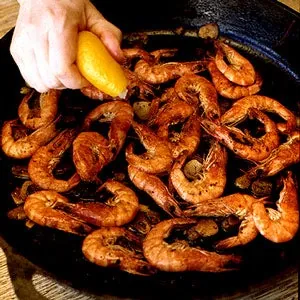
The most frequent error is overcrowding the cooking surface. When you place too many pieces down at once, the temperature of the metal drops rapidly, and the moisture released by the seafood stays trapped. This results in gray, boiled-looking shrimp rather than the seared, flavorful crust you’re aiming for.
If you can’t see at least an inch of clear metal between each piece, you have added too much. Work in batches if your griddle space is limited to maintain that high heat.
Another mistake is leaving the shells on during the cooking process. While some people prefer the flavor of shell-on shrimp, it’s difficult to get an even sear on the meat itself. Peel and devein your seafood before you start to make the most of the direct contact with the hot surface.
Don’t use extra virgin olive oil if you plan to push your griddle to its maximum temperature. Its low smoke point causes it to break down, leaving a bitter, acrid film on your food.
If your oil begins to smoke before the shrimp hits the surface, wipe the griddle clean and start over with avocado or grapeseed oil. These fats remain stable at high heat, ensuring the flavor of the seafood stays clean and crisp. Always prioritize the surface temperature over the speed of the cook.
Related guides
Frequently Asked Questions
Can I cook frozen shrimp directly on the griddle?
It’s not recommended because the excess water released during the thawing process will prevent a proper sear. Always thaw your seafood completely in the refrigerator and pat it dry before placing it on the hot surface to ensure it cooks evenly.
How do I know if the shrimp is overcooked?
Overcooked shrimp will have a rubbery, tough texture and often curl into a tight, hard circle. Once the pieces become opaque and start to lose their translucent sheen, they’re ready to be removed from the heat.
Is it safe to use a non-stick griddle at high heat?
Check your manufacturer’s guidelines, as many non-stick coatings begin to degrade or release fumes at temperatures above 400°F or 450°F. Cast iron or stainless steel surfaces are generally safer for the high-heat searing required for this dish.
Conclusion
Focus on achieving a dry, seasoned surface before the shrimp hits the hot metal. Keep the pieces spaced apart to maintain the cooking temperature of your griddle. Once you’ve mastered the timing for your specific appliance, you’ll find this method is the fastest way to prepare a high-protein meal.
{“@context”:”https://schema.org”,”@type”:”FAQPage”,”mainEntity”:[{“@type”:”Question”,”name”:”Can I cook frozen shrimp directly on the griddle?”,”acceptedAnswer”:{“@type”:”Answer”,”text”:”It’s not recommended because the excess water released during the thawing process will prevent a proper sear. Always thaw your seafood completely in the refrigerator and pat it dry before placing it on the hot surface to ensure it cooks evenly.”}},{“@type”:”Question”,”name”:”How do I know if the shrimp is overcooked?”,”acceptedAnswer”:{“@type”:”Answer”,”text”:”Overcooked shrimp will have a rubbery, tough texture and often curl into a tight, hard circle. Once the pieces become opaque and start to lose their translucent sheen, they’re ready to be removed from the heat.”}},{“@type”:”Question”,”name”:”Is it safe to use a non-stick griddle at high heat?”,”acceptedAnswer”:{“@type”:”Answer”,”text”:”Check your manufacturer’s guidelines , as many non-stick coatings begin to degrade or release fumes at temperatures above 400°F or 450°F. Cast iron or stainless steel surfaces are generally safer for the high-heat searing required for this dish.”}}]}
I am an outdoor enthusiast and gear researcher passionate about camping, hiking, backpacking, and outdoor adventures. I enjoy testing gear, comparing products, and sharing practical advice to help readers make informed decisions. At BestOutsideGear, I create honest gear reviews, buying guides, and outdoor tips to help adventurers choose the right equipment with confidence.