How to Pack With Portable Battery Pack | Tips + Guide
You rely on your devices every day, so keeping them charged while on the go is a must. A portable battery pack is your best friend for uninterrupted power wherever you are.
But packing it right is just as important as having it with you. If you don’t pack your portable battery pack properly, you risk damage, safety issues, or even trouble during travel. In this guide, you’ll discover simple, practical tips to pack your portable battery pack safely and efficiently.
Whether you’re flying, driving, or just heading out for the day, these steps will make sure your power stays ready when you need it most. Keep reading to learn how to protect your battery pack and stay powered up without hassle.

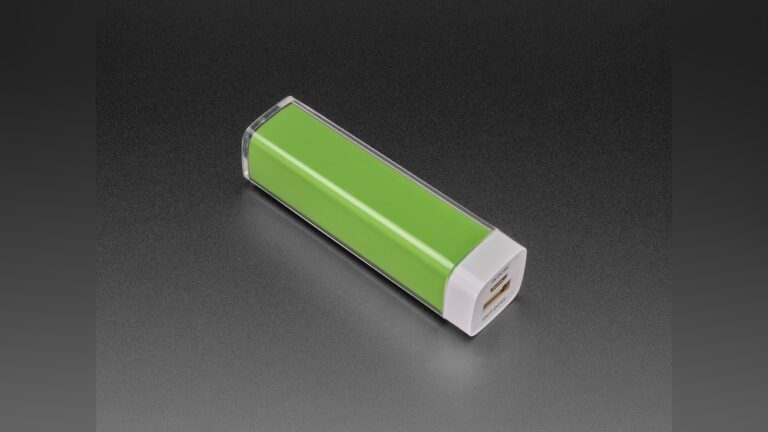
Credit: www.amazon.com
Choosing The Right Battery Pack
Capacity and Size matter a lot when choosing a battery pack. A higher capacity means more charges for your devices. But bigger capacity often means a larger, heavier pack. Pick a size that fits your travel needs and bag space.
Safety Certifications ensure the battery pack meets strict rules. Look for labels like UL, CE, or FCC. These show the product passed safety tests. They help protect your devices and prevent accidents.
Compatibility with Devices is key. Check if the battery pack supports your phone, tablet, or laptop. Some packs have multiple ports or fast charging options. This helps charge different devices quickly and easily.
Packing Rules For Air Travel
Portable battery packs must always go in your carry-on luggage. Airlines do not allow them in checked bags due to safety risks. Carrying them in carry-ons helps security staff check them easily.
Terminal protection is essential. Cover battery pack terminals with tape or keep them in a case to avoid short circuits. This prevents sparks or fires during the flight.
| Rule | Details |
|---|---|
| Carry-On Bags | Battery packs allowed here. Must be under airline watt-hour limits. |
| Checked Bags | Battery packs are not allowed due to fire risk. |
| Spare Batteries | Must also be in carry-on bags. Protect terminals carefully. |
Follow these simple rules for safe and smooth air travel with your battery pack.
Organizing Your Battery Pack
Protective cases keep your portable battery pack safe from drops and scratches. Choose a case that fits your battery snugly. Soft cases prevent damage while hard cases offer more protection.
Use cable ties or twist ties for cable management. This stops cables from tangling and makes them easy to find. Wrap cables neatly and secure them with ties.
Keep all accessories like charging cables, adapters, and plugs together in one pouch. This helps avoid losing small items and keeps your bag organized. A small pouch or bag works well for this.

Credit: www.phonesuit.com
Maximizing Battery Life On The Go
Charge your portable battery pack fully before you leave. A full battery means more power for your devices while traveling. Avoid starting trips with a low charge. This keeps your devices ready for use.
Save battery by turning off unused apps and features. Lower screen brightness and use airplane mode when possible. Close apps running in the background to reduce power use. These small steps help your battery last longer.
Recharge your battery pack when it falls below 20%. Keep a charger and cable handy for easy access. Charging during stops prevents complete power loss. Use wall outlets or car chargers to refill energy quickly.
Using Battery Packs Safely
Avoid overheating by keeping the battery pack in a cool, dry place. Do not leave it inside hot cars or direct sunlight. Heat can damage the battery and reduce its life.
Prevent short circuits by covering the terminals with tape or keeping the pack in its case. Avoid putting it with metal objects like keys or coins. Short circuits can cause sparks or fires.
Handle damaged batteries carefully. Do not use a battery pack if it is swollen, leaking, or cracked. Dispose of damaged batteries at a proper recycling center. Using damaged batteries can be dangerous and cause injury.
Troubleshooting Common Issues
Battery not charging often happens due to a faulty cable or dirty ports. Try using a different cable and clean the charging port gently. Charging from a computer USB port might be too weak; use a wall adapter instead.
Device not recognizing power may mean the power pack is off or has a low charge. Turn it on fully before connecting. Make sure the cable fits securely into both the power pack and your device.
Power pack not holding charge can be caused by old batteries or frequent full discharges. Avoid letting the battery drain completely. Store the power pack in a cool, dry place to extend battery life.
Travel Scenarios And Battery Use
Long flights and layovers need careful battery use. Always keep the portable battery pack in your carry-on bag. Airports do not allow batteries in checked luggage. Protect the terminals to avoid short circuits. Use the battery pack to charge phones, tablets, or headphones during waiting times. This keeps devices ready for use on arrival.
Outdoor adventures often mean no power outlets. A portable battery pack can keep your devices charged all day. Choose a battery with enough capacity for multiple charges. Carry it in a waterproof case to protect from rain or dust. This helps you stay connected and capture moments on camera.
Emergency situations require reliable power sources. A charged battery pack can power phones for calls or GPS. Store the battery pack in an easy-to-reach spot. Keep it fully charged before trips to avoid running out of power. This small device can make a big difference in emergencies.

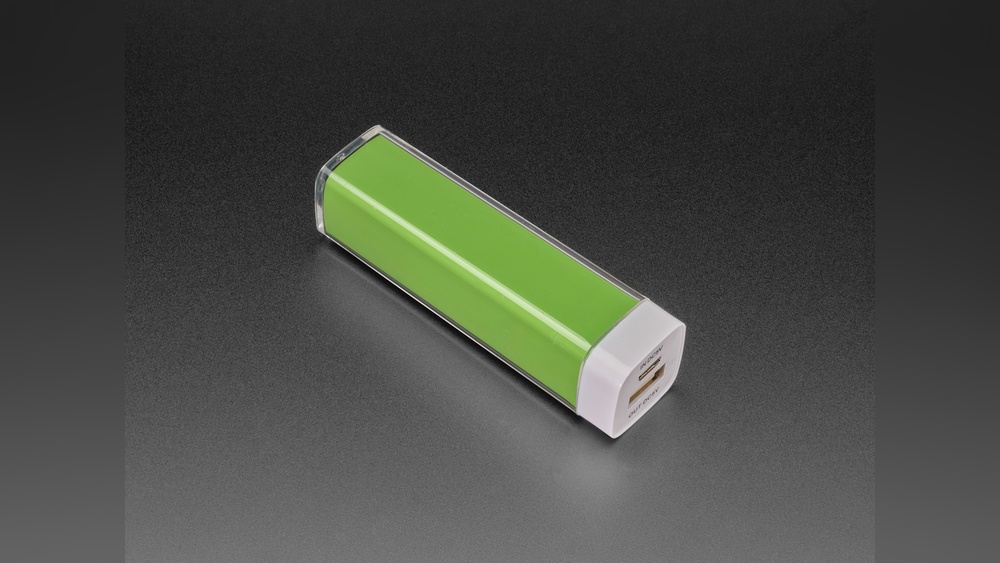
Credit: www.amazon.com
Frequently Asked Questions
How To Travel With A Portable Battery Pack?
Carry portable battery packs only in carry-on bags or on your person. Protect terminals to avoid short circuits. Follow airline rules for lithium batteries during travel.
How To Use A Portable Battery Pack?
Charge the portable battery pack fully before use. Connect your device to the pack using a USB cable. Press the power button to start charging. Keep the pack in a dry, cool place. Recharge the pack after use to maintain battery life.
Can I Bring My 20000mah Power Bank On A Plane?
You can bring your 20000mAh power bank on a plane in carry-on luggage only. Keep terminals protected to prevent short circuits. Do not pack it in checked baggage. Airlines and TSA allow power banks under 100Wh without approval. Always check airline rules before flying.
How To Use A Powerbank For The First Time?
Charge the power bank fully before first use. Connect it to a charger using the provided cable. Use the power bank to charge devices via USB ports. Store it in a cool, dry place. Avoid overcharging or deep discharging to prolong battery life.
Conclusion
Packing with a portable battery pack keeps your devices charged on the go. Always carry it in your carry-on bag for safety. Protect the terminals to avoid short circuits. Keep the battery within easy reach during travel. Follow airline rules about battery capacity and packing.
A well-packed battery pack means worry-free power anytime. Simple steps make your trip smoother and more connected. Stay prepared and enjoy your journey with confidence.

I am an outdoor enthusiast and gear researcher passionate about camping, hiking, backpacking, and outdoor adventures. I enjoy testing gear, comparing products, and sharing practical advice to help readers make informed decisions. At BestOutsideGear, I create honest gear reviews, buying guides, and outdoor tips to help adventurers choose the right equipment with confidence.