How to Pack With Water Filter: Ultimate Guide for Safe Travel
Packing smartly with a water filter can change the way you experience the outdoors. Imagine having clean, safe water wherever you go—without carrying heavy bottles or worrying about harmful contaminants.
But how do you pack your water filter so it’s ready when you need it, stays protected, and doesn’t weigh you down? In this guide, you’ll discover simple, practical tips to pack your water filter efficiently. Whether you’re hiking, camping, or traveling, these easy steps will help you stay hydrated and healthy on every adventure.
Keep reading to learn how to make your water filter your best travel companion.
Choosing A Water Filter
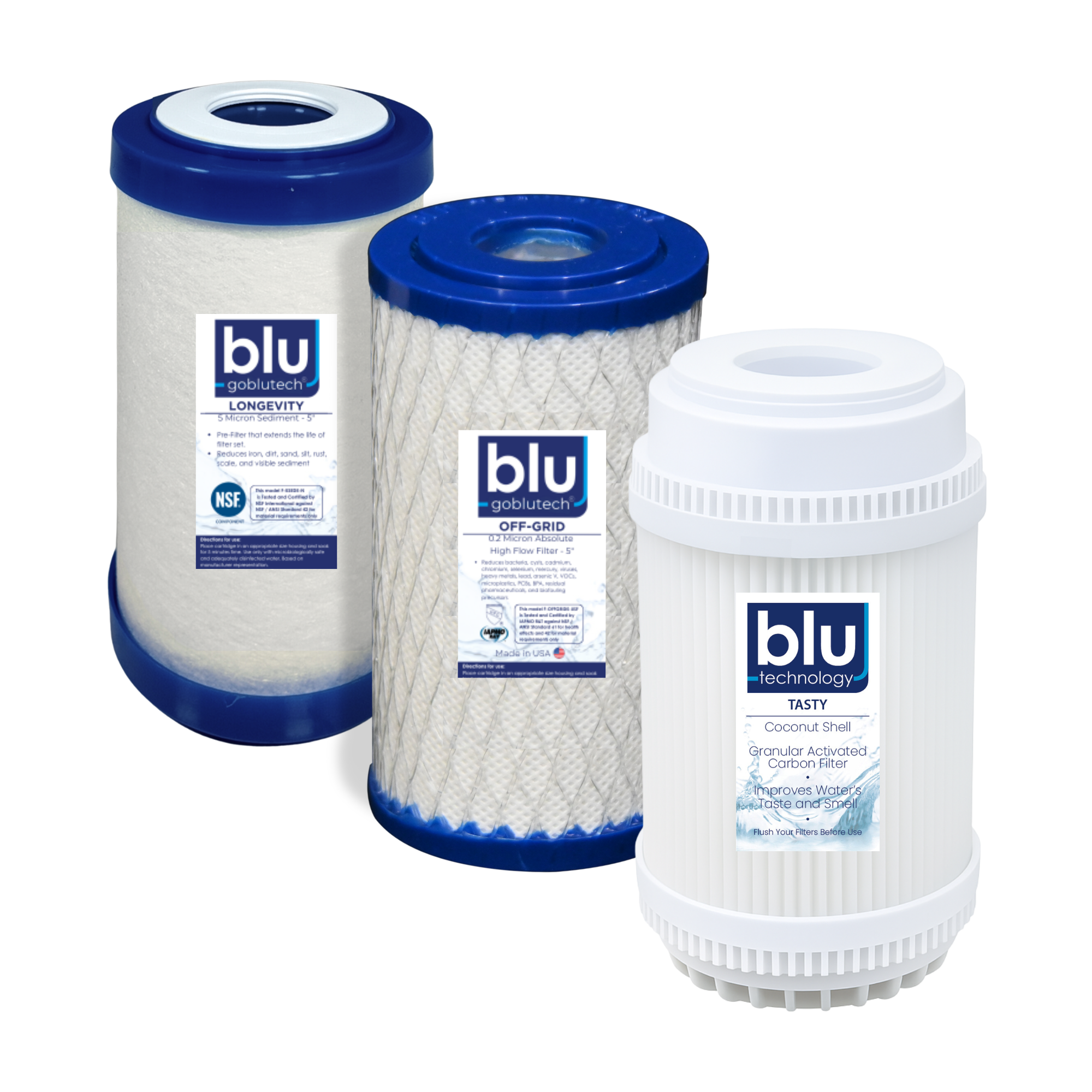
There are several types of water filters to choose from. Some common ones include straw filters, pump filters, and gravity filters. Straw filters are small and easy to use. Pump filters require manual effort but clean water fast. Gravity filters use bags and work well for groups.
Important features to consider are the filter’s weight, size, and filter speed. Look for filters that remove bacteria, protozoa, and sediment. Some filters also remove viruses, which is important in some areas.
| Filter Type | Best For | Pros | Cons |
|---|---|---|---|
| Straw Filter | Solo hikers | Lightweight, easy to carry | Only for drinking directly |
| Pump Filter | Backpackers | Fast filtering, durable | Requires effort to pump |
| Gravity Filter | Groups or camps | Filters large amounts | Bulky, slower process |
Credit: goblutech.com
Preparing Your Water Filter
Cleaning and maintenance keep your water filter working well. Rinse the filter after each use to remove dirt. Use clean water to flush it gently. Avoid using soap or harsh chemicals. Let the filter dry completely before packing. This stops mold and bacteria growth.
For assembling the filter, follow the instructions carefully. Attach all parts tightly to avoid leaks. Check the seals and connections. Carry spare parts like O-rings and caps. This helps fix small problems on the road.
Testing before travel ensures your filter is ready. Run water through it at home to check flow and taste. Fix any clogs or leaks before you leave. A working filter means safer water and peace of mind on your trip.
Packing Strategies
Wrap the water filter in soft cloth or bubble wrap. This protects it from bumps and drops. Place the filter in the middle of your backpack, surrounded by clothes. Keep it away from sharp objects to avoid damage.
Use a small bag or case to keep the filter parts together. This prevents losing any pieces. Carry the filter in a place where you can reach it easily.
Compact packing means using space smartly. Remove extra parts you don’t need. Put hoses or tubes inside the filter body if possible. This saves space and keeps things tidy.
| Tip | Why It Helps |
|---|---|
| Keep filter above freezing point | Freezing can crack or break the filter. |
| Store filter in insulated pouch | Protects from cold weather during travel. |
| Drain all water before packing | Prevents ice formation inside the filter. |

Credit: www.amazon.com
Using The Filter On The Go
Collect water from clear, flowing sources whenever possible. Avoid stagnant ponds or water near animal activity. Use a clean container to scoop water carefully to prevent dirt and debris from entering your filter. Always keep your filter and containers free from direct contact with the ground.
Use a pump or squeeze filter to remove bacteria and protozoa. Gravity filters work well for larger groups. Some filters include activated carbon to reduce bad tastes and chemicals. Follow the filter’s instructions for best results. Replace filter parts as needed to maintain clean water flow.
Difficult water sources like murky streams need pre-filtering. Use a cloth or bandana to strain out large particles before filtering. For cold water, keep the filter at room temperature to avoid damage. Avoid freezing the filter or letting it dry out completely between uses.
Troubleshooting And Care
Common problems with water filters include clogging and slow flow. Clean the filter by backflushing with clean water. Avoid using dirty or muddy water as it can clog the filter faster. If the filter leaks, check for cracks or loose parts and tighten them carefully.
To extend filter life, use it only for clear water sources. Avoid freezing the filter as ice can damage it. Regularly clean the filter parts according to the instructions. Replace filter cartridges on time to keep water safe.
For storage, dry the filter completely before packing. Store it in a cool, dry place to prevent mold growth. Keep the filter parts separated if possible. Do not store the filter in direct sunlight or extreme heat.
Supplemental Water Safety
Water purification tablets are small, lightweight, and easy to carry. They kill most germs in water quickly. Just drop a tablet in water and wait the recommended time. Tablets are helpful when your filter cannot remove viruses.
Boiling water is a very safe way to kill germs. Boil water for at least one minute to make it safe to drink. This method works well if you have a stove or fire. It also helps clear cloudy water.
Using a combination of methods increases safety. For example, filter water first, then use tablets or boil it. This removes dirt and kills germs better. Always carry extra tablets and a way to boil water if possible.
Packing Additional Gear
Water containers and bags are essential for carrying filtered water safely. Use durable, leak-proof containers that fit your pack well. Collapsible water bags save space and are lightweight.
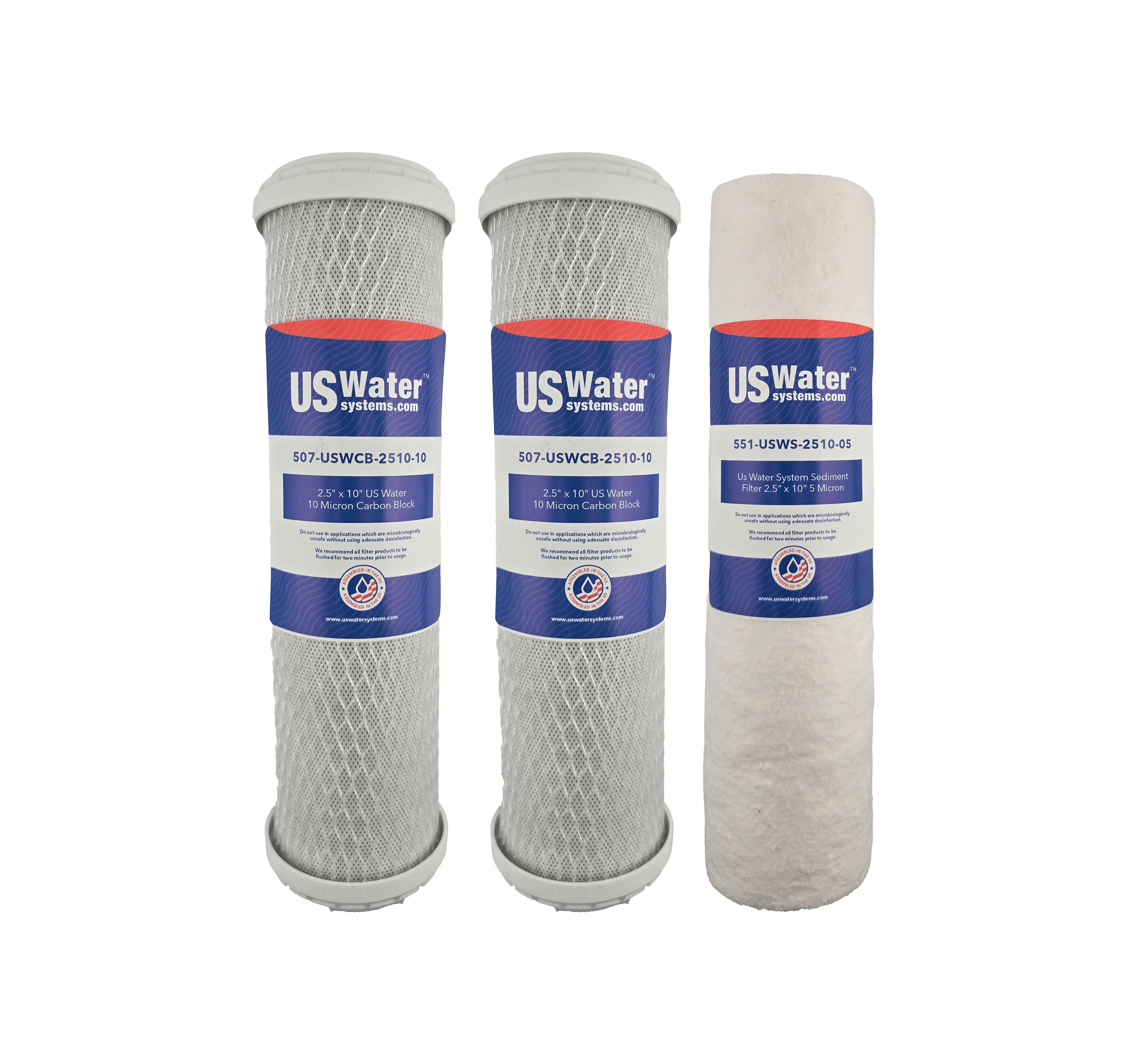
Carry replacement parts such as extra filters, O-rings, and tubing. These parts help keep the filter working if something breaks. Pack them in a small, sealed bag to stay organized.
Bring cleaning supplies like brushes or cleaning tablets. Regular cleaning keeps your water filter working well and stops bacteria build-up. A small cloth can also help wipe down parts after use.
Credit: uswatersystems.com
Frequently Asked Questions
Do Water Filters Remove Giardia?
Water filters with pores 1 micron or smaller effectively remove Giardia cysts. Always choose filters certified for protozoa removal.
What Is The Best Water Filter For Arsenic?
The best water filter for arsenic uses reverse osmosis or activated alumina technology. These systems effectively remove arsenic from water. Choose certified filters for reliable arsenic reduction.
Do Water Filters Remove Cryptosporidium?
Yes, many water filters effectively remove Cryptosporidium by trapping its cysts. Choose filters with pore sizes of 1 micron or smaller.
Does Ro Water Help With Kidney Stones?
RO water reduces excess calcium and magnesium, lowering kidney stone risk. It also removes harmful toxins, supporting kidney health effectively.
Conclusion
Packing a water filter is simple and smart for any trip. Keep it accessible but protected from damage. Clean and dry your filter before packing to avoid mold. Bring extra parts if possible, just in case. Choose a lightweight, compact filter to save space.
Remember, safe drinking water is key to enjoying your adventure. With the right preparation, your water filter will serve you well. Stay hydrated, stay healthy, and enjoy your journey confidently.

I am an outdoor enthusiast and gear researcher passionate about camping, hiking, backpacking, and outdoor adventures. I enjoy testing gear, comparing products, and sharing practical advice to help readers make informed decisions. At BestOutsideGear, I create honest gear reviews, buying guides, and outdoor tips to help adventurers choose the right equipment with confidence.