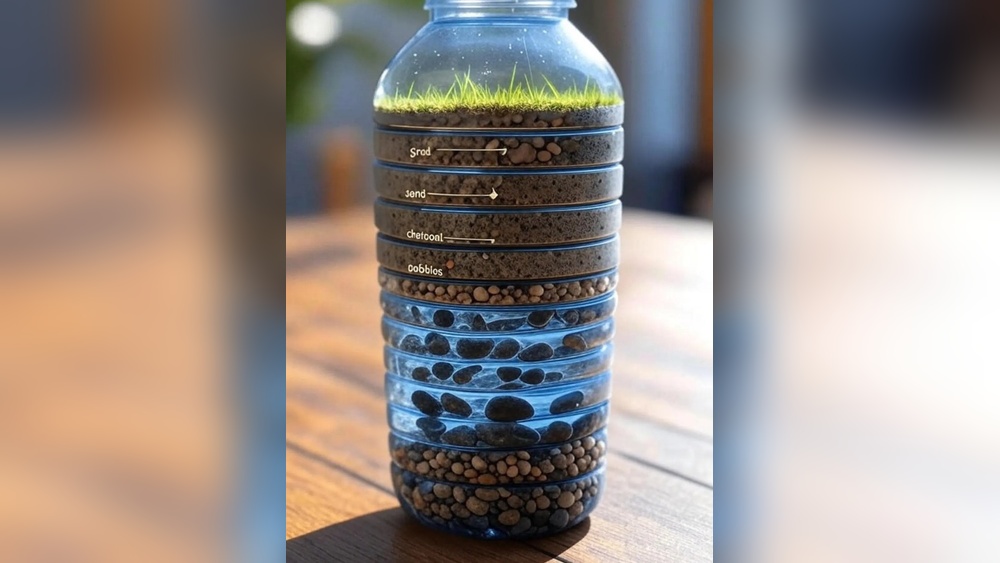
Step by Step Guide to Using Water Filter Effectively
Are you ready to enjoy cleaner, safer water right from your tap? Using a water filter might seem tricky at first, but with the right steps, you can easily improve your water quality at home.
This step-by-step guide will walk you through everything you need to know to set up and use your water filter correctly. By following these simple instructions, you’ll protect your health and taste the difference every time you take a sip.
Keep reading to discover how easy it is to make your water fresher and better for you and your family!

Credit: pureplusfilter.com
Choosing The Right Water Filter
There are several types of water filters to choose from. Common ones include activated carbon filters, reverse osmosis systems, and UV filters. Each type removes different impurities. Activated carbon is good for taste and odor. Reverse osmosis removes many contaminants but wastes some water. UV filters kill bacteria and viruses but do not remove chemicals.
Filter capacity shows how much water a filter can clean before replacement. Lifespan varies from 3 months to 1 year depending on use. Check the manufacturer’s instructions to know when to replace the filter. Using a filter past its lifespan can reduce water quality.
| Certification | What It Means |
|---|---|
| NSF/ANSI Standard 42 | Removes chlorine and improves taste |
| NSF/ANSI Standard 53 | Reduces health-related contaminants |
| WQA Gold Seal | Meets strict safety and performance standards |
Choosing a filter with proper certification ensures safety and quality. Always check for these certifications and safety standards before buying.
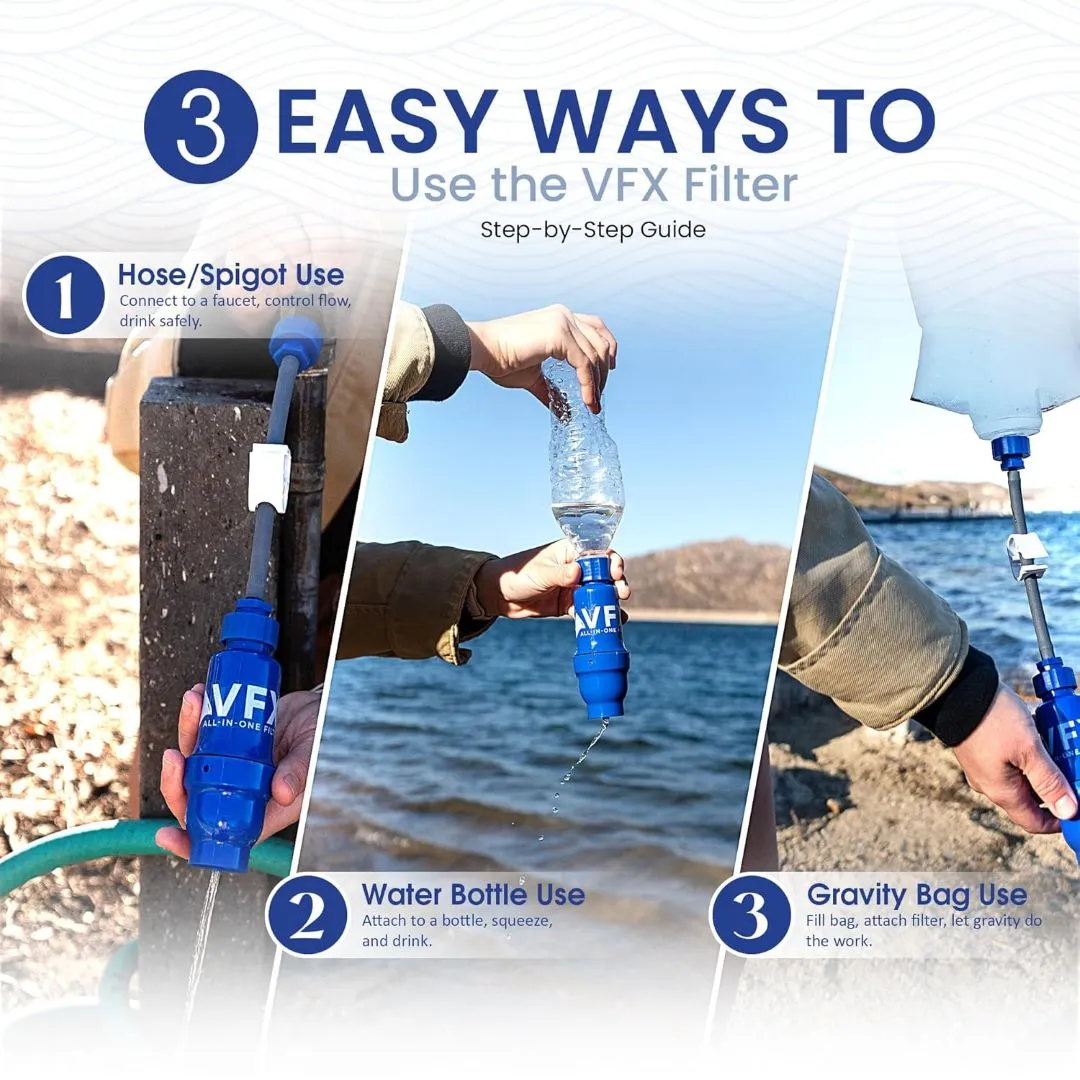
Credit: businessconnectworld.com
Preparing For Installation
Gather all tools and materials before starting. You will need a wrench, screwdriver, Teflon tape, and the water filter kit. Check the kit for pipes, fittings, and mounting brackets.
Find the main water source in your home. Usually, it is near the water meter or where water enters your house. This spot is important for installing the filter.
Turn off the water supply to avoid leaks during installation. Use the main shut-off valve to stop water flow. Open a faucet to drain any remaining water from pipes.
Installing The Water Filter
Start by choosing a strong wall to mount the filter housing. Use screws and anchors for firm support. Keep the filter upright and easy to reach for future changes.
Next, connect the filter to the pipes. Turn off the main water supply first. Cut the pipe where the filter will go. Use pipe connectors to join the filter inlet and outlet. Make sure water flows in the right direction through the filter.
Finally, secure and seal all connections. Use plumber’s tape on threaded parts to stop leaks. Tighten connectors by hand, then a little with a wrench. Check for leaks by slowly turning the water back on.
Flushing And Testing The Filter
Begin by running water through the new filter for 5 minutes. This flushes out any loose particles inside. Use a bucket to catch water during flushing to avoid mess.
Check all connections for leaks by looking closely around fittings. Tighten any loose parts gently. Leaks can cause damage and reduce filter efficiency.
| Test Type | What to Check | How to Do It |
|---|---|---|
| Visual Check | Clear water flow, no cloudiness | Look at water in a clear glass |
| Smell Test | No strange or chemical smell | Smell water from the tap |
| Taste Test | Water tastes fresh and clean | Take a small sip |
Testing water quality ensures the filter works properly. Repeat tests after a few days to confirm consistent quality.
Maintaining Your Water Filter
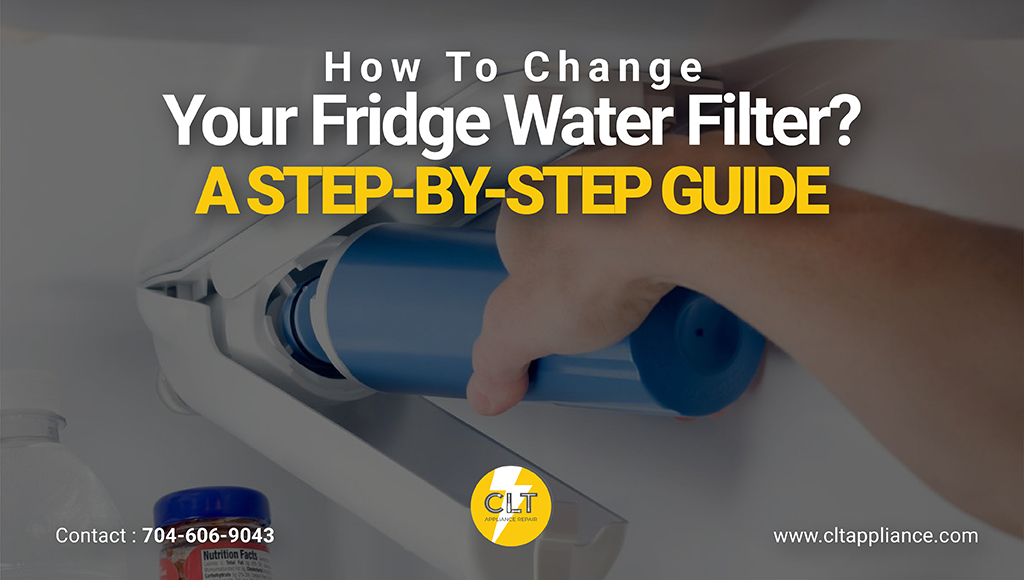
Replacing filter cartridges keeps your water clean and safe. Change cartridges as the manual says. Old filters can clog and reduce water flow. Always use the right cartridge for your model. Store new cartridges in a cool, dry place.
Regular cleaning helps the filter work well. Clean the outside and any removable parts. Use mild soap and water. Avoid harsh chemicals that can damage the filter. Rinse all parts well before putting them back.
Monitoring filter performance is key. Check water taste and smell often. Watch for slower water flow or leaks. Keep track of how long the filter has been used. Replace parts promptly to keep water quality high.
Credit: cltappliance.com
Troubleshooting Common Issues
Low water pressure often means the filter is clogged. Check and replace the filter cartridge regularly. Also, inspect pipes for any blockages or bends that reduce flow.
Unpleasant taste or odor usually comes from an old filter. Replace it immediately. Sometimes, water source changes cause taste issues. Flushing the system can help remove bad smells.
Leaks and drips happen when connections are loose or seals are worn out. Tighten fittings carefully. Check O-rings and seals for damage and replace if needed. Avoid overtightening to prevent cracks.
Tips For Cleaner Water Daily
Store filtered water in clean, closed containers to keep it fresh. Use glass or BPA-free plastic bottles. Avoid open containers as they allow dust and germs inside. Keep water in a cool, dark place away from sunlight. Sunlight can cause bacteria to grow quickly.
Use complementary purification methods like boiling or UV treatment for extra safety. Boiling kills most bacteria and viruses. UV light can destroy germs without changing the water’s taste. These steps add an extra layer of protection.
Practice safe handling by washing hands before touching water containers. Use clean cups or glasses to avoid contamination. Do not dip dirty hands or objects into stored water. Pour water out instead of scooping it to keep it clean.
Frequently Asked Questions
How Do I Install A Water Filter Step By Step?
To install a water filter, first turn off the main water supply. Next, choose the installation location and mount the filter. Connect the inlet and outlet pipes securely. Finally, turn on the water and check for leaks before use.
What Are The Basic Maintenance Tips For Water Filters?
Regularly replace filter cartridges as per manufacturer instructions. Clean the filter housing to prevent clogging. Check for leaks and ensure all connections are tight. Proper maintenance ensures clean water and extends filter life.
How Can I Tell When To Replace My Water Filter?
Replace your water filter when water flow slows or taste changes. Most filters have a recommended usage period, usually 3-6 months. Always follow the manufacturer’s guidelines for timely replacement to ensure water quality.
What Types Of Water Filters Are Best For Home Use?
Common home water filters include activated carbon, reverse osmosis, and ceramic filters. Activated carbon removes chlorine and odors, while reverse osmosis filters out contaminants. Choose based on your water source and filtration needs.
Conclusion
Using a water filter is simple when you follow the right steps. Clean water improves health and taste in your home. Regular filter changes keep your water fresh and safe. Take time to maintain your filter well. Enjoy the benefits of clear, purified water every day.
This guide helps you use your water filter confidently. Keep your family’s water clean with these easy steps.

I am an outdoor enthusiast and gear researcher passionate about camping, hiking, backpacking, and outdoor adventures. I enjoy testing gear, comparing products, and sharing practical advice to help readers make informed decisions. At BestOutsideGear, I create honest gear reviews, buying guides, and outdoor tips to help adventurers choose the right equipment with confidence.