Best Ways to Clean Camping Coffee Maker for Sparkling Brew
You love that fresh, rich taste of coffee brewed right at your campsite. But if your camping coffee maker is dirty or clogged, it can ruin every cup you pour.
Imagine waking up to a bitter brew or worse—no coffee at all. Keeping your coffee maker clean is easier than you think, and it makes a huge difference in flavor and performance. You’ll discover the best ways to clean your camping coffee maker quickly and effectively.
Ready to enjoy perfect coffee every time you head outdoors? Let’s dive in!

Credit: coletticoffee.com
Choosing The Right Cleaning Supplies
Vinegar and baking soda are great for cleaning camping coffee makers. Vinegar removes mineral buildup and kills germs. Baking soda helps scrub away stains and odors. Mix one cup of vinegar with water, run it through the coffee maker, then rinse well. Use baking soda with a damp cloth to clean the outside.
Dishwasher tablets can also clean coffee makers effectively. Crush one tablet in warm water and let it soak in the coffee pot or parts. This breaks down coffee oils and residue. Always rinse thoroughly after to avoid any taste left behind.
Natural cleaning agents like lemon juice work well too. Lemon cuts grease and leaves a fresh smell. Mix lemon juice with water and run through the coffee maker. Rinse with plain water afterward to remove all lemon taste.
Daily Maintenance Tips
After each use, wipe spills and drips with a clean cloth. This stops sticky residue from building up. Always empty leftover coffee and grounds. Rinse the coffee maker parts with warm water to remove oils and bits. This keeps the maker fresh and ready for next time.
Allow all parts to dry completely before storing. Moisture can cause mold or bad smells. Store the coffee maker in a dry place, away from dirt and dust. Keeping it clean daily helps the coffee taste better and the machine last longer.
Deep Cleaning Methods
Descaling with vinegar solution removes mineral buildup inside the coffee maker. Mix equal parts of white vinegar and water. Pour the solution into the machine and run a brew cycle. After that, run two cycles with clean water to rinse out vinegar taste.
Soaking with dishwasher tablets helps clean stubborn stains and grease. Dissolve one tablet in warm water. Soak all removable parts for 30 minutes. Rinse thoroughly with clean water before reassembling.
Using baking soda and lemon juice offers a natural cleaning alternative. Make a paste with baking soda and lemon juice. Apply the paste to stained areas and scrub gently. Rinse well to remove all residue.
Cleaning Different Coffee Maker Types
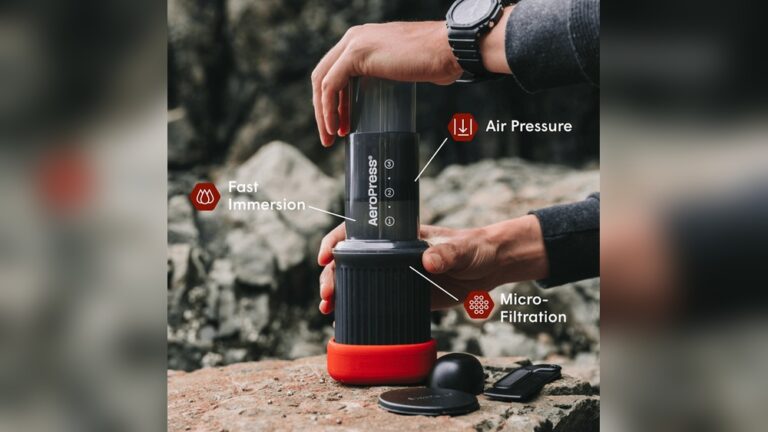
Portable and single-serve coffee makers need gentle cleaning. Wipe the outside with a damp cloth. Run a cycle with equal parts water and vinegar to remove buildup. Then, run plain water through to rinse well. Avoid harsh scrubbing to protect the parts.
For percolators and campfire coffee pots, disassemble all parts. Scrub the pot with warm soapy water using a soft brush. Rinse thoroughly to remove soap. For stubborn stains, soak in a vinegar and water solution for 15 minutes. Dry all parts before storing.
French press and other manual brewers require careful cleaning too. Remove the plunger and wash all pieces in warm, soapy water. Use a sponge or brush to clean the mesh filter. Rinse well to avoid soap taste. Let all parts dry fully before reassembling.
Removing Stubborn Stains And Odors
Abrasive techniques help remove tough stains inside the coffee maker. Use a soft brush or sponge with baking soda. Scrub gently to avoid scratching the surface. Avoid steel wool or hard scrubbers as they can cause damage.
Deodorizing with natural ingredients is a safe way to get rid of bad smells. Mix equal parts water and white vinegar. Pour it into the coffee maker and let it sit for 15 minutes. Rinse well with clean water to remove vinegar scent.
Avoiding damage during cleaning is very important. Always unplug the coffee maker before cleaning. Do not soak electrical parts in water. Use a damp cloth to wipe the outside. Let all parts dry completely before use.

Credit: aeropress.com
Preventive Care For Lasting Performance
Set a regular cleaning schedule to keep your camping coffee maker working well. Clean it after every few uses to avoid bad taste and damage.
Mineral buildup from water can block your coffee maker. Use vinegar or a descaling solution to remove these deposits. Run the solution through the machine, then rinse with clean water to clear any residue.
Store the coffee maker in a dry and cool place. Make sure all parts are dry before storing to stop mold and rust. Keep it covered to protect from dust and insects.
Credit: www.cleverhiker.com
Frequently Asked Questions
How To Clean A Portable Coffee Maker?
Disassemble your portable coffee maker. Rinse all parts with warm water. Use mild soap and a soft brush to scrub. Run a vinegar-water mixture through to descale. Rinse thoroughly with clean water. Dry all parts before reassembling. Clean regularly for best taste and performance.
What Is The Best Thing To Run Through A Coffee Maker To Clean It?
Run a mixture of equal parts white vinegar and water through the coffee maker. Then, flush with plain water twice to remove residue and odors.
How Much Vinegar Do I Put In A 12 Cup Coffee Maker To Clean It?
Pour 6 cups of white vinegar into your 12-cup coffee maker. Fill the rest with water. Run a cleaning cycle.
Does Vinegar Really Clean A Coffee Maker?
Yes, vinegar effectively removes mineral buildup and odors in coffee makers. Run a vinegar-water cycle, then rinse with water for clean results.
Conclusion
Keeping your camping coffee maker clean ensures great-tasting coffee every time. Regular cleaning removes old coffee oils and prevents buildup. Using simple tools like vinegar and water works well. Wiping spills right after use saves time later. Clean equipment lasts longer and stays safe to use.
Make cleaning part of your camping routine. Enjoy fresh coffee on every outdoor trip. Simple steps bring better flavor and happier mornings.

I am an outdoor enthusiast and gear researcher passionate about camping, hiking, backpacking, and outdoor adventures. I enjoy testing gear, comparing products, and sharing practical advice to help readers make informed decisions. At BestOutsideGear, I create honest gear reviews, buying guides, and outdoor tips to help adventurers choose the right equipment with confidence.