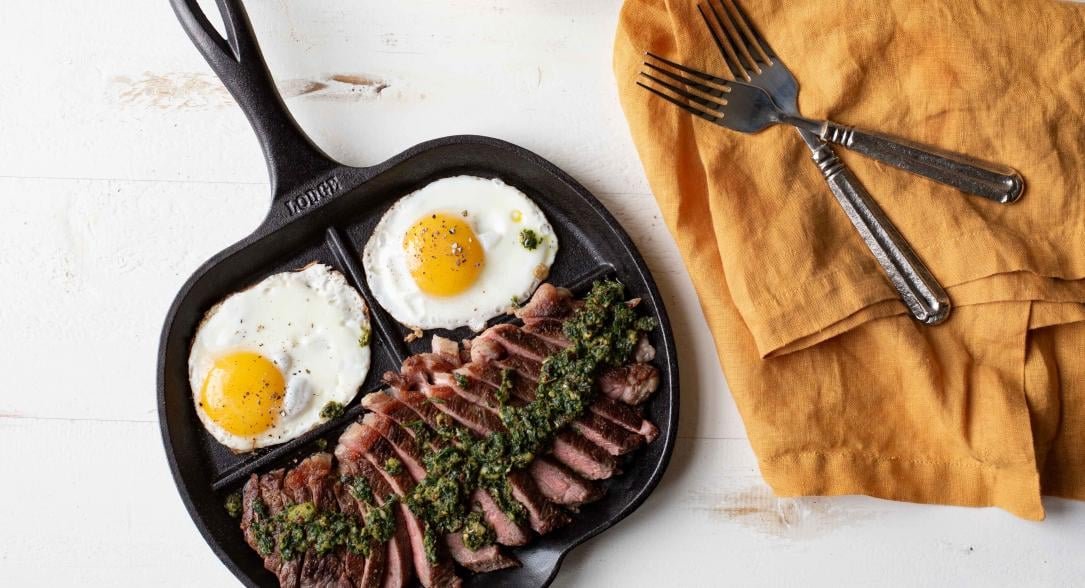
How to Cook Bacon and Eggs on a Griddle for Best Results
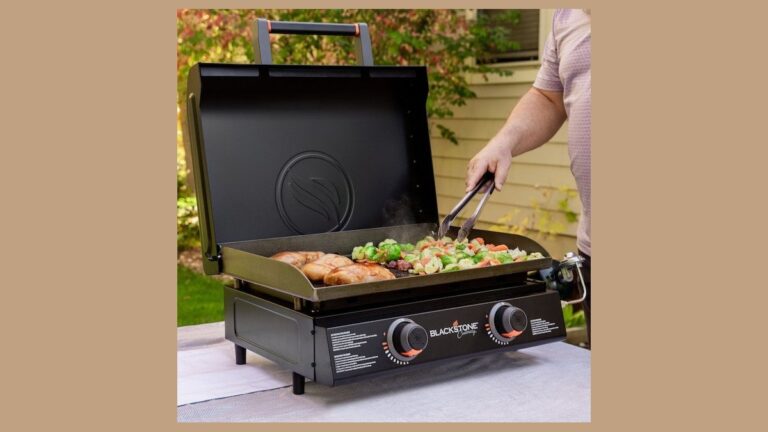
Cooking bacon and eggs on a griddle provides an efficient way to prepare a full breakfast because you can cook multiple servings at once while using the rendered fat to flavor your eggs. You’ll want to set your surface to 350°F and cook the meat until it reaches your preferred crispness before adding the eggs to the remaining fat.
Cooking bacon and eggs on the griddle

You don’t need fancy equipment to get professional results at home. A flat, heavy-duty griddle offers enough space to manage the different cooking times for meat and eggs without crowding your pans.
Preheat the surface to 350°F and let it warm up for 10 minutes until the heat is even across the entire plate. If you use an infrared thermometer, aim for a consistent reading across the center and edges before adding food.
Lay out your bacon in a single layer, ensuring the strips don’t overlap. This ensures the heat reaches every part of the meat equally. Render the fat for 8 to 12 minutes, flipping halfway through.
If the bacon begins to curl excessively, press it down with a heavy spatula to ensure even browning. Move the cooked strips to a paper-towel-lined plate, but leave the rendered liquid fat on the cooking surface for your eggs.
Crack the eggs directly into the hot fat. Keep them spread apart so the whites don’t run together. If you’re cooking for more than three people, work in batches to prevent the griddle temperature from dropping too sharply. A sudden temperature loss will cause the eggs to steam rather than fry, resulting in a rubbery texture.
Cook for 2 to 3 minutes for sunny-side up. If you prefer a firm yolk, flip them carefully to cook for another minute. If your griddle surface is large, keep the cooked meat on a cooler corner of the plate to stay warm while the eggs finish. If the surface is small, move the bacon to a low-heat oven to avoid overcooking.
Timing and Temperature Guide
Different cuts of meat and styles of eggs require specific attention to avoid burning or undercooking. Use this table to manage your timing when you’re working on a single surface.
| Item | Cook Time | Target State |
|---|---|---|
| Thick-cut bacon | 10–14 minutes | Crispy edges |
| Thin-cut bacon | 6–9 minutes | Golden brown |
| Sunny-side up eggs | 2–3 minutes | Set whites, runny yolk |
| Over-easy eggs | 3–4 minutes | Firm whites, soft yolk |
Start your bacon in a cold pan to render the fat slowly. This prevents the edges from curling or burning before the center is crisp. If you crowd the pan, add three minutes to your total cook time to account for the steam trapped between pieces.
For eggs, the heat level dictates the texture. Use medium-low heat for a consistent, tender white. If the edges of your egg turn brown or crispy, your surface is too hot. Lower the flame immediately to save the yolk from overcooking.
When handling raw animal products, ensure they reach a safe internal temperature to prevent illness. If you prefer runny yolks, use pasteurized eggs to mitigate the risk of salmonella. Always use a digital probe thermometer to verify these temperatures, as relying on visual cues alone often leads to undercooked centers.
Mistakes That Ruin Your Breakfast

Many people make the mistake of adding the eggs too early. If you drop your eggs while the bacon is still rendering, the meat won’t have enough time to get crispy, and you’ll end up with chewy, undercooked fat. Always wait until the meat is fully removed before you start the eggs.
Another common issue involves heat control. If your surface is too hot, the eggs will burn on the bottom before the whites set, leaving you with a rubbery texture. If you notice smoke rising from the surface, your setting is likely above 400°F. Turn the dial down immediately and let the metal cool for a moment before adding your eggs.
If you’re cooking on a cast-iron skillet, use a simple water droplet test to gauge the heat. Flick a few drops of water onto the surface; if they sizzle and evaporate instantly, it’s too hot. If they dance and roll across the surface for a few seconds before disappearing, you’re at the ideal temperature.
Finally, don’t ignore the importance of a clean surface. Burnt bits from previous meals can stick to your eggs and ruin the flavor. Give the surface a quick scrape with a metal spatula after the bacon comes off but before you crack the eggs. This keeps the flavor clean and prevents dark spots on your whites.
Related guides
Frequently Asked Questions
Can I use butter instead of bacon fat?
Yes, you can use butter, but it has a lower smoke point than rendered animal fat. If you choose butter, keep the heat closer to 300°F to prevent it from turning brown or burning before the eggs finish cooking.
How do I stop eggs from spreading too much?
The best way to keep eggs contained is to crack them into a small bowl first, then gently slide them onto the griddle. You can also use metal rings to hold the whites in a perfect circle, which helps them cook more evenly.
Is it safe to cook on a dirty griddle?
No, leaving old food particles on the surface can harbor bacteria and create off-flavors. Always wipe the surface clean between uses and perform a thorough scrub once the metal has cooled to ensure it remains safe for your next meal.
Conclusion
Focus on managing your heat zones by keeping the meat in the center and moving it to the edges once it’s cooked. This simple adjustment ensures your eggs don’t overcook while you’re busy plating the rest of your breakfast. Practice adjusting your dial to find the perfect setting for your specific appliance.
{“@context”:”https://schema.org”,”@type”:”FAQPage”,”mainEntity”:[{“@type”:”Question”,”name”:”Can I use butter instead of bacon fat?”,”acceptedAnswer”:{“@type”:”Answer”,”text”:”Yes, you can use butter, but it has a lower smoke point than rendered animal fat. If you choose butter, keep the heat closer to 300°F to prevent it from turning brown or burning before the eggs finish cooking.”}},{“@type”:”Question”,”name”:”How do I stop eggs from spreading too much?”,”acceptedAnswer”:{“@type”:”Answer”,”text”:”The best way to keep eggs contained is to crack them into a small bowl first, then gently slide them onto the griddle. You can also use metal rings to hold the whites in a perfect circle, which helps them cook more evenly.”}},{“@type”:”Question”,”name”:”Is it safe to cook on a dirty griddle?”,”acceptedAnswer”:{“@type”:”Answer”,”text”:”No, leaving old food particles on the surface can harbor bacteria and create off-flavors. Always wipe the surface clean between uses and perform a thorough scrub once the metal has cooled to ensure it remains safe for your next meal.”}}]}
I am an outdoor enthusiast and gear researcher passionate about camping, hiking, backpacking, and outdoor adventures. I enjoy testing gear, comparing products, and sharing practical advice to help readers make informed decisions. At BestOutsideGear, I create honest gear reviews, buying guides, and outdoor tips to help adventurers choose the right equipment with confidence.