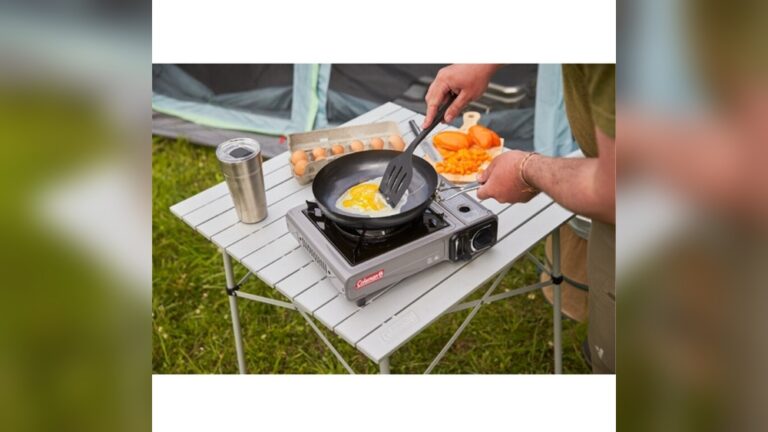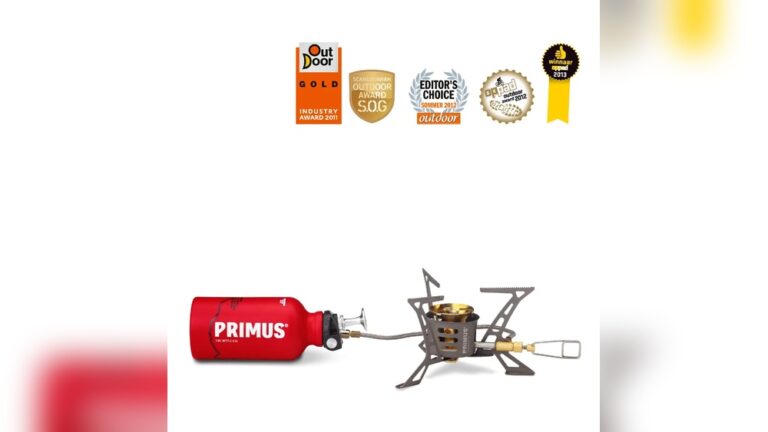
Travel Tips for Camping Cookware Set – Latest Guide 2026
Planning your next camping adventure? Your cookware set can make or break your outdoor cooking experience.
Imagine enjoying a hot meal after a long day in nature without struggling with bulky, hard-to-clean pots or pans. You want gear that’s lightweight, durable, and easy to pack — but how do you choose the right set for your trip?
In this guide, you’ll discover simple travel tips to pick, pack, and care for your camping cookware set. Get ready to cook smarter, travel lighter, and enjoy every bite under the open sky!
Credit: www.amazon.com
Choosing Cookware Materials
Choosing the right material for your camping cookware set is key. It affects weight, durability, and cooking performance. Different materials suit different needs and trip types. Understanding these options helps you pick what fits your adventure best.
Aluminum Vs Titanium
Aluminum cookware is lightweight and heats food quickly. It is usually less expensive than other materials. However, aluminum can dent or scratch easily. Some sets have anodized aluminum, which is more durable.
Titanium cookware is very strong and lighter than aluminum. It resists corrosion and lasts long. Titanium heats unevenly and can take longer to cook food. It is often more costly but perfect for ultralight backpackers.
Non-stick Options
Non-stick cookware makes cooking and cleaning easier. Food does not stick, so less oil is needed. These pots and pans usually have a coating like Teflon. Coatings can wear out over time and may require gentle care.
Non-stick sets are good for quick meals and delicate foods. Avoid using metal utensils to protect the surface. They are a great choice for campers who want hassle-free cooking.
Cast Iron Benefits
Cast iron cookware is heavy but very durable. It holds heat evenly and keeps food warm longer. This material can handle high heat for frying or searing.
Cast iron can be used over open fires and lasts for decades. It requires seasoning to keep the surface smooth and rust-free. Ideal for campers who cook often and want strong cookware.
Essential Cookware Pieces
Choosing the right cookware pieces is vital for a smooth camping meal experience. Essential cookware should be lightweight, durable, and easy to clean. Each item must serve a clear purpose without adding extra bulk. This balance makes cooking outdoors simpler and more enjoyable.
Focus on pieces that cover basic cooking tasks like boiling, frying, and serving. Prioritize compact designs that nest together for easy packing. The right set lets you prepare a variety of meals with minimal effort and gear.
Pots And Pans
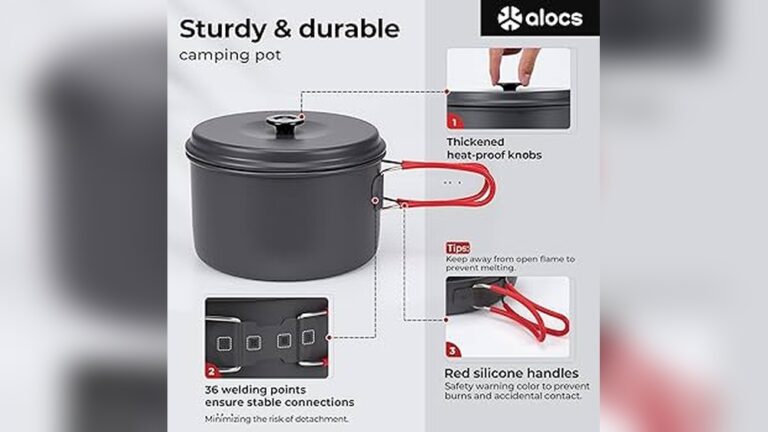
A small pot is perfect for boiling water or making soups. A medium-sized pan helps with frying or sautéing vegetables and meats. Choose pots and pans made from lightweight materials such as aluminum or titanium. Non-stick coatings reduce food sticking and ease cleaning. Look for cookware with lids to keep heat and moisture inside. Nesting pots and pans save space in your backpack or car.
Utensils To Pack
Pack a few essential utensils like a spatula, spoon, and knife. A spork or multi-use utensil can save space. Choose utensils made from durable plastic or metal. Avoid bulky or heavy kitchen tools that add unnecessary weight. Consider a compact cutting board for food prep. Having the right utensils speeds up cooking and eating at camp.
Multi-use Items
Multi-use items reduce the number of tools you need to carry. A pot lid that doubles as a plate or frying pan is useful. Collapsible bowls and cups save space when not in use. A camping mug can serve as a cup or small bowl. Look for cookware sets designed with versatility in mind. These items keep your pack light and your camp kitchen efficient.
Packing And Storage Hacks
Preparing your camping cookware set before a trip saves time and avoids problems outdoors. Proper pre-trip preparation keeps your gear clean, functional, and ready for use. This step ensures better cooking and less hassle during your adventure.
Seasoning Cast Iron
Cast iron cookware needs seasoning to prevent rust and create a natural non-stick surface. Apply a thin layer of cooking oil and bake it in an oven for an hour. This process protects the pan and improves cooking results.
Do this well before your trip. Seasoning helps your cast iron last longer and cook evenly.
Cleaning Before Packing
Always clean your cookware thoroughly before packing it. Remove food residues and grease to avoid attracting bugs or causing smells. Use warm water and mild soap, then dry completely.
Drying is crucial to stop rust and keep your gear fresh. Pack your cookware dry and clean for the best experience.
Testing Your Setup
Test your cookware setup at home before leaving. Cook a simple meal to check if all pieces work well together. Make sure your stove fits pots and pans properly.
This test helps find missing items or broken parts early. Fix any issues to avoid surprises on the trail.
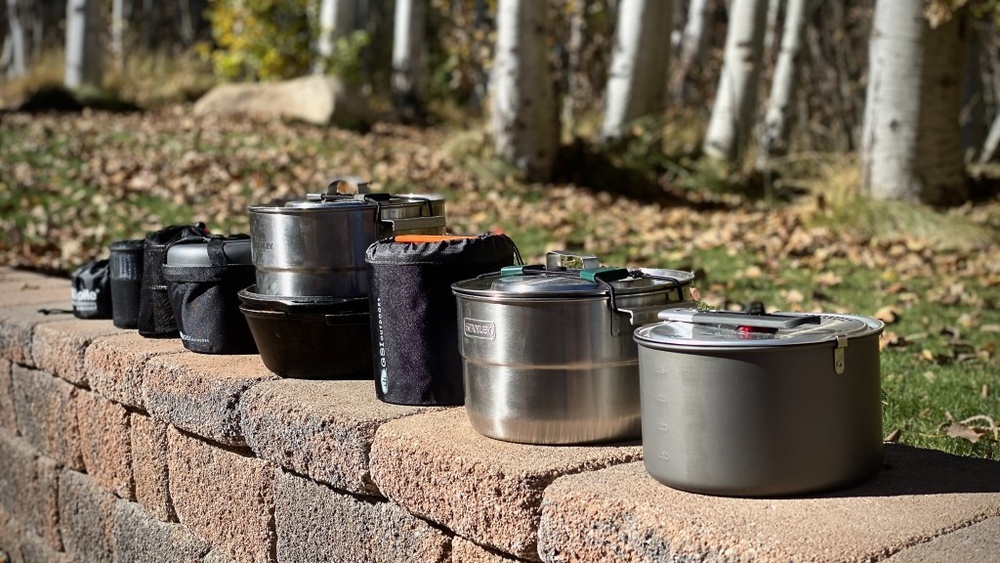
Credit: www.outdoorgearlab.com
Pre-trip Preparation
Cooking while camping can be simple and enjoyable with the right approach. Using your camping cookware set wisely saves time and fuel. Follow these camp cooking tips to make your outdoor meals tasty and hassle-free.
Efficient Heat Use
Use a lid to keep heat inside your pot or pan. This cuts cooking time and saves fuel. Choose cookware with a flat bottom to sit well on the stove. Avoid lifting the lid too often; it lets heat escape. Cook with a steady, low flame for even heat. Preheat your pan before adding food for better results.
Cooking Simple Meals
Pick recipes with few ingredients and short cook times. One-pot meals reduce the need for extra dishes. Try soups, stews, or pasta dishes that cook quickly. Prepare some ingredients ahead of time at home. Use canned or dried foods to save space and weight. Keep meals easy to cook and clean up fast.
Maintaining Cleanliness
Clean your cookware right after use to avoid stuck-on food. Use biodegradable soap and a sponge or cloth. Rinse well with clean water to remove soap residue. Dry pots and pans completely to stop rust. Store your cookware in a dry place inside your bag. Keep cleaning supplies handy for quick cleanup at camp.
Camp Cooking Tips
Choosing the right cookware depends on the type of camping trip planned. Different trips require different gear to match the cooking needs and space available. Selecting cookware by trip type helps keep your pack light and your meals enjoyable.
Backpacking Essentials
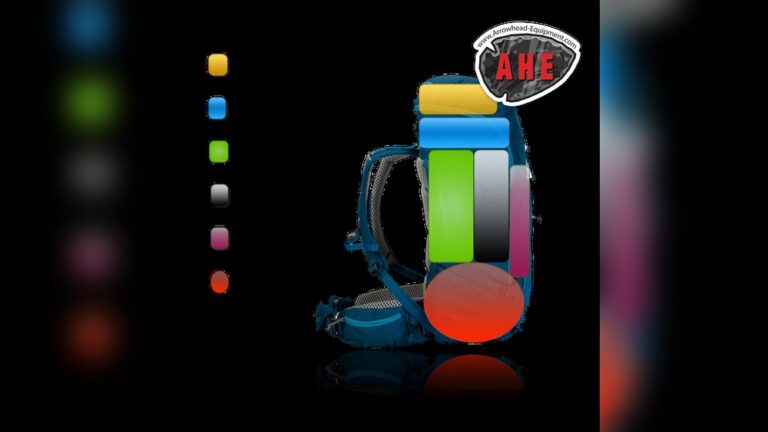
Backpacking cookware must be lightweight and compact. Look for sets made from titanium or aluminum to reduce weight. A small pot and pan combo usually works best. Nesting pieces save space in your backpack. Choose cookware that heats quickly to save fuel. Durable materials resist dents and scratches during rough travel. Avoid heavy or bulky items that slow you down.
Car Camping Gear
Car camping allows for larger, heavier cookware. Bring pots and pans that can cook for several people. Cast iron and stainless steel are great choices for durability. You can include extra pieces like a griddle or kettle. Space is less of a concern, so focus on cooking variety. Make sure the cookware cleans easily after use. This gear suits relaxed cooking at the campsite.
Family Camping Needs
Family trips require cookware that serves multiple people. Opt for sets with several pots and pans in different sizes. Non-stick surfaces help with easy cleaning. Consider lightweight options for carrying by hand. Include utensils and lids that fit all pots. A large pot for soups or pasta is useful. Choose cookware that balances durability and convenience.
Cleaning And Maintenance
Safety and durability are key for camping cookware sets. Cookware must handle heat well and resist damage. Durable materials keep your gear lasting trip after trip. Safe use prevents accidents in outdoor kitchens. Follow simple steps to protect yourself and your cookware.
Handling Hot Cookware
Always use heat-resistant gloves or pot holders. Avoid touching pots and pans directly after cooking. Place hot cookware on stable, heat-safe surfaces. Let cookware cool before cleaning or packing. Carry pots carefully to prevent spills and burns.
Durable Materials
Choose cookware made from stainless steel or hard-anodized aluminum. These materials resist dents and corrosion. Titanium is lightweight and strong but costs more. Avoid cheap coatings that peel or chip easily. Durable cookware saves money and hassle on trips.
Avoiding Common Mistakes
Do not overheat empty pans; this can warp them. Avoid using metal utensils on non-stick surfaces. Clean cookware gently with soft sponges to prevent scratches. Store cookware dry to stop rust and mold. Packing cookware tightly can cause dents—use padding.

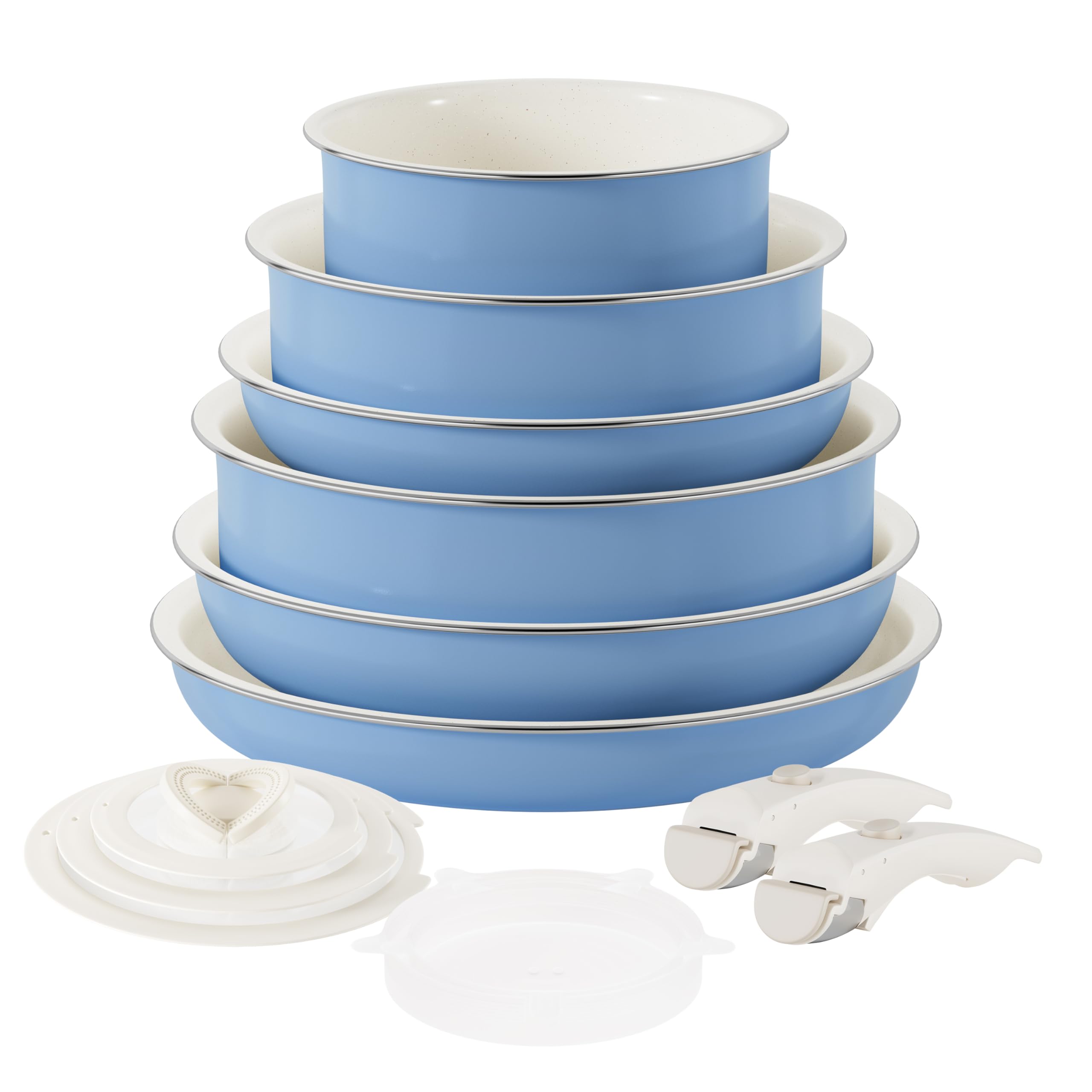
Credit: www.oxo.com
Frequently Asked Questions
What Is The Best Material For Camping Cookware Sets?
Aluminum and stainless steel are popular for camping cookware. Aluminum heats quickly and is lightweight. Stainless steel is durable and resists rust. Titanium is lightweight and strong but costly. Choose based on your weight preference and cooking needs.
How To Pack Camping Cookware For Easy Travel?
Nest cookware pieces inside each other to save space. Use a stuff sack to keep them organized. Place smaller items like utensils inside pots. Secure lids and avoid sharp edges to prevent damage during travel.
How To Clean Camping Cookware While Outdoors?
Use biodegradable soap and warm water to clean cookware. Scrub gently with a sponge or cloth. Rinse thoroughly to avoid soap residue. Dry cookware completely before storing to prevent rust and mold.
How Many Pieces Should A Camping Cookware Set Have?
A basic set includes a pot, pan, and lid. Additional items like a kettle, bowls, and utensils add convenience. Consider the number of people and meal types when choosing set size.
Conclusion
Choosing the right camping cookware set makes outdoor cooking easier. Pack lightweight, durable pots and pans for convenience. Clean your cookware well to keep it ready for next use. Organize your gear to save space and time while camping. Enjoy fresh, hot meals that boost your energy outdoors.
Small tips can create big differences in your camping experience. Keep practicing and adjusting your setup for the best results. Happy cooking and safe adventures on your next trip!

I am an outdoor enthusiast and gear researcher passionate about camping, hiking, backpacking, and outdoor adventures. I enjoy testing gear, comparing products, and sharing practical advice to help readers make informed decisions. At BestOutsideGear, I create honest gear reviews, buying guides, and outdoor tips to help adventurers choose the right equipment with confidence.